Trump Halts AI Executive Order, Regulatory Efforts Succumb to Competitive Anxiety

marsbit发布于2026-05-22更新于2026-05-22

文章摘要

In a last-minute reversal, former President Donald Trump halted the signing of a long-anticipated executive order on artificial intelligence. The order had sought to establish a voluntary, pre-release safety testing framework for advanced AI models developed by leading companies like OpenAI, Google, Anthropic, and xAI. Under the proposed plan, companies would have shared their most powerful models with the U.S. government 90 days before public release for national security and cybersecurity risk assessments. Trump refused to approve the order, stating he did not want anything to "slow down our leadership," emphasizing America's lead over China in AI and the technology's role in job creation. This decision highlights the core tension in U.S. AI policy: balancing the management of systemic risks posed by frontier models—such as exposing financial system vulnerabilities—against fears that any regulation could stifle innovation and undermine competitive advantage. The move came despite significant public support for AI safety testing and followed internal administration debates. Some officials, alarmed by the capabilities of models like Anthropic's Mythos in uncovering critical security flaws, had advocated for stronger oversight. However, the industry and many within Trump's circle opposed even this voluntary framework, arguing it would hamper American innovation. The incident underscores how AI policy is increasingly intersecting with national security, economic strategy, and...

Editor's Note: The Trump administration originally attempted to establish a pre-release safety testing mechanism for frontier AI models, but just hours before its signing, this executive order was abruptly halted.

According to the original plan, leading AI companies like OpenAI, Google, Anthropic, and xAI would voluntarily share their models with the U.S. government 90 days before public release for national security and cybersecurity risk assessments. Trump ultimately refused to approve it, stating that he "did not want anything to hinder American leadership in the field of AI."

Behind this last-minute shift lies a core contradiction facing U.S. AI policy: while the capabilities of frontier models are beginning to touch on public risks such as cybersecurity, financial system vulnerabilities, employment shocks, and data center expansion, in the context where U.S.-China AI competition is seen as a national strategy, any regulatory arrangement may be interpreted by the industry as slowing innovation and weakening U.S. competitiveness.

More subtly, this executive order was originally not a mandatory approval system, but rather a "collaborative, voluntary" model assessment framework. In other words, the White House was not attempting to directly control model releases but sought to add a government safety testing phase before models were made publicly available. Yet even this relatively moderate proposal has been temporarily shelved amid the tug-of-war between safety governance and technological leadership.

AI is transitioning from a purely technological industry issue into the intersecting domains of national security, macroeconomics, and political governance. The focal point of debate in U.S. AI policy is also shifting from "whether to support AI development" to "how to manage the systemic risks potentially posed by frontier models without sacrificing the lead."

Below is the original text:
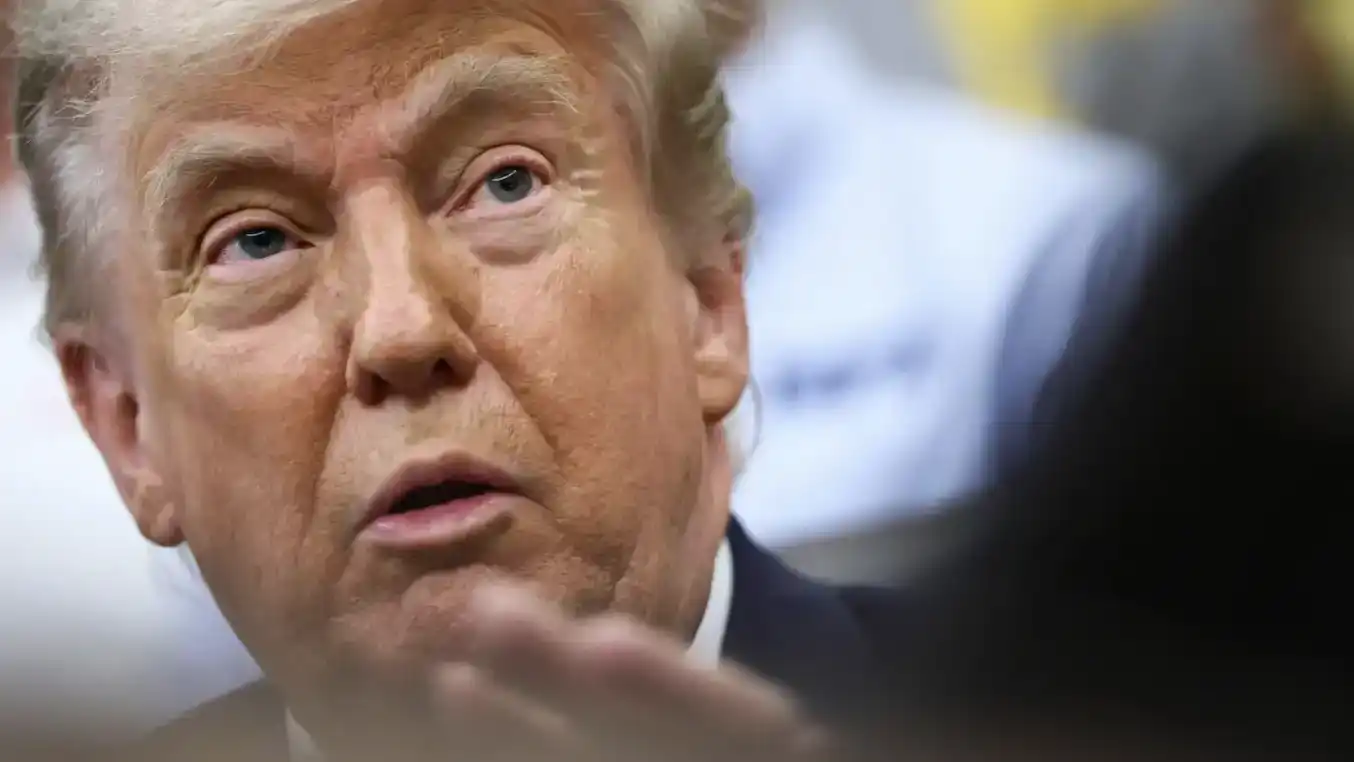
The White House unexpectedly delayed the signing of a long-anticipated executive order on artificial intelligence. Previously, Donald Trump had indicated that he "did not like" parts of the plan, especially the arrangement whereby the U.S. government proposed to conduct national security and cyber risk reviews of AI models.

The executive order was originally scheduled to be signed on Thursday afternoon. Under the plan, leading AI companies like OpenAI, Google, and Anthropic would have voluntarily committed to submitting their models for government review.

Trump's sudden reversal occurred after weeks of internal government debate over the boundaries of regulatory scrutiny.

Speaking about the executive order, Trump said: "I don't like certain aspects of it. We're ahead of China, and we're ahead of everyone, and I don't want anything to hold back our lead." He also stated that artificial intelligence "is also bringing in a lot of jobs."

Before the signing ceremony was abruptly postponed, several tech company CEOs had been scheduled to travel to Washington to attend the event with Trump.
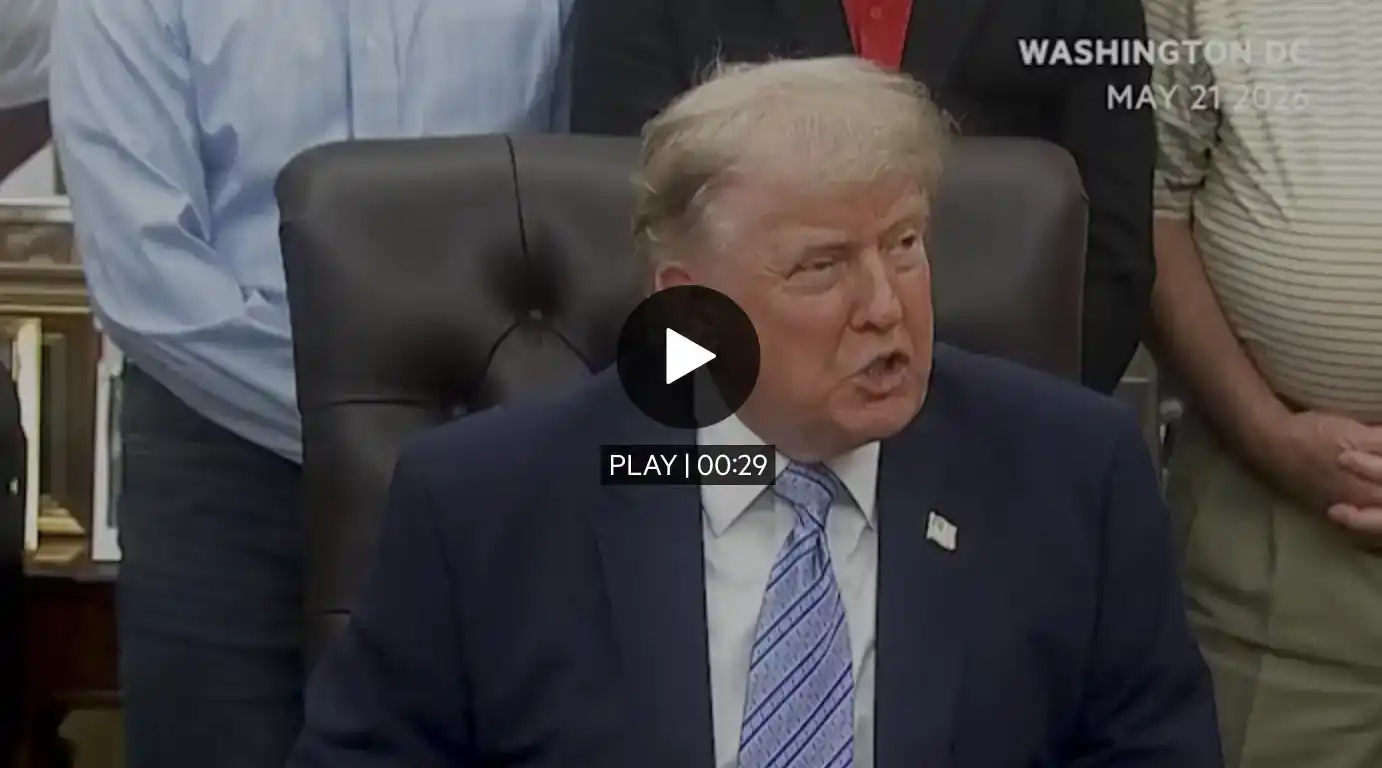
The delayed signing comes as multiple polls continue to show that American voters are concerned about the impact of artificial intelligence, with many supporting stricter regulation and safety guardrails for this emerging technology.

Public concerns are rising about the safety implications of releasing powerful AI models; simultaneously, the impact of AI on jobs and controversies surrounding large-scale data center construction have complicated the White House's political calculus. Not long ago, this administration's attitude towards the AI industry was still notably positive.

Some of Trump's allies had called for bringing leading AI models under U.S. government control; however, other MAGA camp figures warned that any measures restricting AI growth could hinder the U.S. economy.

A poll conducted this month for the Institute for Family Studies showed that 82% of Americans support the White House conducting safety testing on advanced AI models.

The development of this executive order stemmed from key White House officials having early access to Anthropic's latest Mythos model, which included Treasury Secretary Scott Bessent. The model possesses advanced capabilities for identifying cybersecurity vulnerabilities. Informed officials said they were alarmed by issues exposed by the model, such as vulnerabilities in the banking system.

So far, Anthropic has only granted limited access to the Mythos model to a select group of trusted institutions, including tech companies and some banks, allowing them to discover and fix cybersecurity issues before hackers gain access to the model.

Trump's National Economic Council Director, Kevin Hassett, had at one point proposed that frontier AI models undergo a process similar to drug approval, only being officially released after "being proven safe, just like the FDA approves drugs."

His remarks faced strong opposition from AI founders and investors, including some with close ties to the Trump administration, who argued that such a system would weaken America's innovative capabilities.

The executive order fell far short of such an approval system, instead moving towards establishing a "collaborative, voluntary model benchmark assessment framework." On Thursday morning, before the scheduled signing ceremony, White House officials had already briefed reporters on the contents of the order.

Under the proposed agreement, leading AI companies including OpenAI and xAI would voluntarily share their models with the government 90 days before public release. In other words, this mechanism would ultimately still largely rely on the willingness of AI company leaders to cooperate.

相关问答

QWhat was the original purpose of the AI executive order reportedly halted by the Trump administration?

AThe original purpose of the AI executive order was to establish a voluntary pre-release safety testing mechanism. Leading AI companies like OpenAI, Google, Anthropic, and xAI were expected to voluntarily share their advanced models with the U.S. government for national security and cybersecurity risk assessment 90 days before public release.

QAccording to the article, what was the primary reason Donald Trump gave for stopping the AI executive order?

ADonald Trump's primary reason for stopping the AI executive order was a desire to maintain U.S. leadership in AI. He stated, "We lead China, we lead everyone, and I don't want anything getting in the way of us leading," expressing concern that the proposed safety review could hinder American competitiveness.

QWhat key internal contradiction in U.S. AI policy is highlighted by the article's analysis of this event?

AThe article highlights the core contradiction between managing the public risks of frontier AI models (like cybersecurity threats, financial system vulnerabilities, and employment impacts) and the desire to avoid any regulatory measures that could slow innovation and weaken the U.S.'s competitive position, especially against China, in this strategically vital field.

QHow did the proposed executive order differ from a more stringent FDA-style approval process that was reportedly discussed internally?

AThe proposed executive order was far less stringent than an FDA-style approval process. It established a "collaborative, voluntary model benchmarking framework" where companies would voluntarily share models for review. This contrasted with the stricter concept of requiring models to be 'proven safe' before release, which was strongly opposed by the AI industry.

QWhat specific incident involving an AI model is mentioned as a catalyst for the development of the proposed safety review framework?

AThe development of the safety review framework was partly catalyzed when key White House officials, including Treasury Secretary Scott Bessent, were given early access to Anthropic's new 'Mythos' model. Its ability to identify serious vulnerabilities in systems like the banking sector reportedly alarmed the officials.

你可能也喜欢

2029 终局预判:当加密货币彻底“隐身”,谁能留在这场金融大变局?

文章预测了加密货币行业从2024年至2029年的演变路径,核心观点是行业将逐步与投机脱钩,转而成为传统金融的基础设施并最终“隐身”。 * **2026年年中**:市场焦点从缺乏内在价值的山寨币,转向链上交易的优质实体企业(如SpaceX)合成永续合约,成为未上市企业的重要估值参考。 * **2026年末**:“AI+加密”赛道基本失败,仅预测市场存活。行业分化为高调炒作AI的投机市场与低调推进资产代币化(如货币基金)的机构市场。 * **2027年**:公链基金会明确转向服务金融机构,并为其合规基建未来向普通合格投资者开放铺路。非公开发行永续合约、稳定币和资产代币化均因外部政策限制而遭遇增长天花板。 * **2028年**:市场投机属性淡化。一次由合成合约引发的连锁清算暴露出缺乏底层资产锚定的风险。监管因此放宽限制,允许向合格投资者公开宣传和交易真实的私募股权二手份额,为资金提供了有法律保障的新渠道。 * **2029年**:新一轮牛市由实体科创企业的真实股权交易驱动。代币严重分化:成功成为金融基建的公链代币捕获真实价值;无实质权益的代币则丧失流动性。稳定币平稳增长。加密货币作为结算层已“彻底隐身”,不再被单独讨论。 文章的核心验证标准是:到2028年末,普通合格投资者能否获得参与真实私募资产的合法渠道。如果依然依赖离岸合成产品,则其“行业瓶颈在于法律而非技术”的立论将不成立。

marsbit49分钟前

2029 终局预判:当加密货币彻底“隐身”,谁能留在这场金融大变局?

marsbit49分钟前

PANews专栏注册与发稿指南

PANews专栏注册与发稿指南 **专栏申请** * **内容要求**:专栏面向Crypto、Web3及相关领域的深度内容(如数据分析、观点洞察)。品牌介绍、软文或主要由AI生成的内容将无法通过审核,此类内容建议通过商务通道提交。 * **网页版申请**: 1. 访问PANews官网,在页面底部点击“申请专栏”。 2. 使用手机号或邮箱注册/登录(无需密码,通过验证码登录)。 3. 填写专栏名称、简介,上传头像,并提交已发表的文章链接以供审核。 * **手机版申请**:在APP内进入“我的”页面,找到“投稿与创作”功能进行申请。 **文章发布教程** 1. 登录PANews官网,进入“个人主页”。 2. 点击进入“创作者中心”。 3. 使用编辑器创建并发布文章。 **视频上传方法** 目前支持嵌入第三方平台(如B站)的视频代码。 1. 在视频平台(如B站)获取视频的“嵌入代码”。 2. 在文章编辑器中点击“插入/编辑媒体”按钮。 3. 选择“嵌入”标签,粘贴代码并保存。 4. 可选中视频后再次点击“插入/编辑媒体”调整尺寸,建议宽度设为100%,高度设为560px,发布后显示正常。 **PANews Skills (AI发文工具)** PANews提供官方AI技能集,支持热点追踪、内容发布和网页解析。 * **panews-creator技能**:可协助管理专栏、发布文章、上传图片。 * **使用方法**:需从PANews网站登录后,在浏览器开发者工具的Network选项中获取API授权凭证(Token),用于配置该技能。详细安装与使用指南请访问GitHub项目页面。

marsbit1小时前

PANews专栏注册与发稿指南

marsbit1小时前

交易

现货
合约

热门文章

如何购买ORDER

欢迎来到HTX.com!我们已经让购买Orderly(ORDER)变得简单而便捷。跟随我们的逐步指南,放心开始您的加密货币之旅。第一步:创建您的HTX账户使用您的电子邮件、手机号码注册一个免费账户在HTX上。体验无忧的注册过程并解锁所有平台功能。立即注册第二步:前往买币页面,选择您的支付方式信用卡/借记卡购买:使用您的Visa或Mastercard即时购买Orderly(ORDER)。余额购买:使用您HTX账户余额中的资金进行无缝交易。第三方购买:探索诸如Google Pay或Apple Pay等流行支付方法以增加便利性。C2C购买:在HTX平台上直接与其他用户交易。HTX场外交易台(OTC)购买:为大量交易者提供个性化服务和竞争性汇率。第三步:存储您的Orderly(ORDER)购买完您的Orderly(ORDER)后,将其存储在您的HTX账户钱包中。您也可以通过区块链转账将其发送到其他地方或者用于交易其他加密货币。第四步:交易Orderly(ORDER)在HTX的现货市场轻松交易Orderly(ORDER)。访问您的账户,选择您的交易对,执行您的交易,并实时监控。HTX为初学者和经验丰富的交易者提供了友好的用户体验。

833人学过发布于 2024.08.25更新于 2026.06.02

如何购买ORDER

相关讨论

欢迎来到HTX社区。在这里,您可以了解最新的平台发展动态并获得专业的市场意见。以下是用户对ORDER(ORDER)币价的意见。

活动图片