Public Wi-Fi and a Phone Call: How They Became the Perfect Trap to Steal $5000 in Crypto Assets?

比推发布于2026-01-09更新于2026-01-09

文章摘要

An individual lost approximately $5,000 in cryptocurrency assets after connecting to a public hotel Wi-Fi network during a vacation. The attack began when the victim was overheard discussing crypto and using a Phantom wallet in a public area, making them a target. While browsing on the unsecured Wi-Fi, the attacker executed a man-in-the-middle attack, injecting malicious code into a seemingly legitimate webpage. The victim was using Jupiter Exchange to swap tokens when a fraudulent transaction approval request was triggered, disguised as a normal operation. Instead of a direct fund transfer, the request asked for “authorization” or “session approval,” granting the attacker permission to act on the wallet. The victim approved, believing it was part of the Jupiter transaction. The attacker waited until the victim left the hotel to drain the wallet of SOL, tokens, and NFTs. Key mistakes included: using public Wi-Fi instead of a mobile hotspot, discussing crypto in public, and approving a transaction without thorough verification. The wallet was a secondary hot wallet, not the main storage, preventing greater losses. The incident highlights the risks of public networks and the importance of transaction scrutiny.

Author: The Smart Ape

Compiled by: Deep Tide TechFlow

Original title: After Three Days on Hotel Wi-Fi, My Crypto Wallet Was Drained of $5000


A few days ago, I went with my family to a very nice hotel for a year-end holiday. One day after leaving the hotel, my wallet was completely emptied. I was puzzled, as I had neither clicked on any phishing links nor signed any malicious transactions.

After hours of investigation and seeking help from experts, I finally figured out the truth. It turned out to be due to the hotel's Wi-Fi network, a brief phone call, and a series of foolish mistakes.
Like most cryptocurrency enthusiasts, I brought my laptop with me, thinking I could squeeze in some work while on vacation with my family. My wife repeatedly insisted that I not work during these three days—I really should have listened to her.

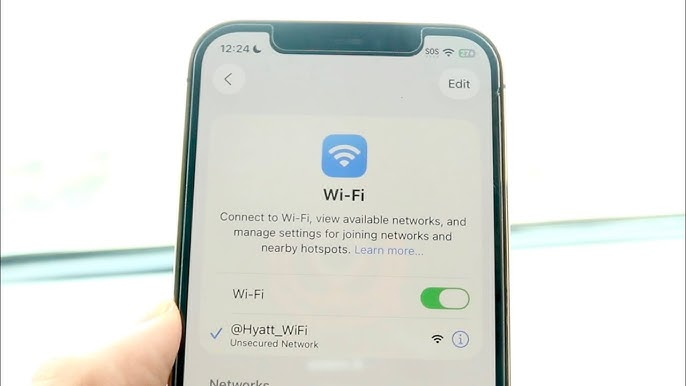
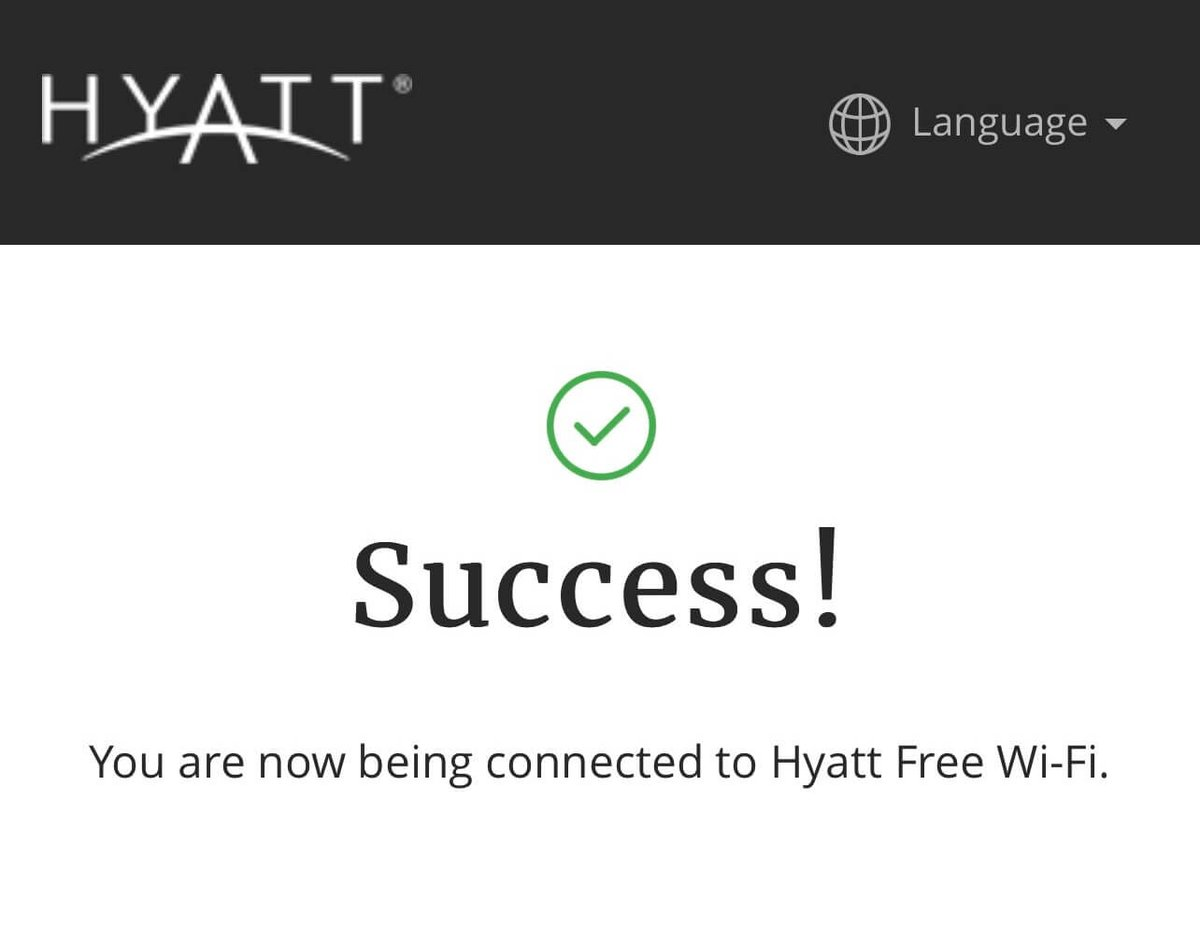
Like other guests, I connected to the hotel's Wi-Fi network. This network didn't require a password; it only needed to be logged in through a captive portal.
I worked as usual in the hotel without doing anything risky: I didn't create new wallets, click on strange links, or access suspicious decentralized applications (dApps). I just checked X (Twitter), my balances, Discord, Telegram, etc.

At one point, I received a call from a crypto friend, and we chatted about market trends, Bitcoin, and other cryptocurrency-related matters. But what I didn't know was that someone nearby was eavesdropping on our conversation and realized I was involved in cryptocurrency. This was my first mistake. The eavesdropper learned from our conversation that I was using a Phantom wallet and that I was a user with a significant holding.

This made me his target.

In a public Wi-Fi network, all devices share the same network, and the visibility between devices is actually higher than you might think. There is almost no real protection between users, which creates an opportunity for a "Man-in-the-Middle Attack." The attacker acts like a middleman, quietly inserting themselves between you and the internet, much like someone secretly reading and tampering with your mail before it reaches you.
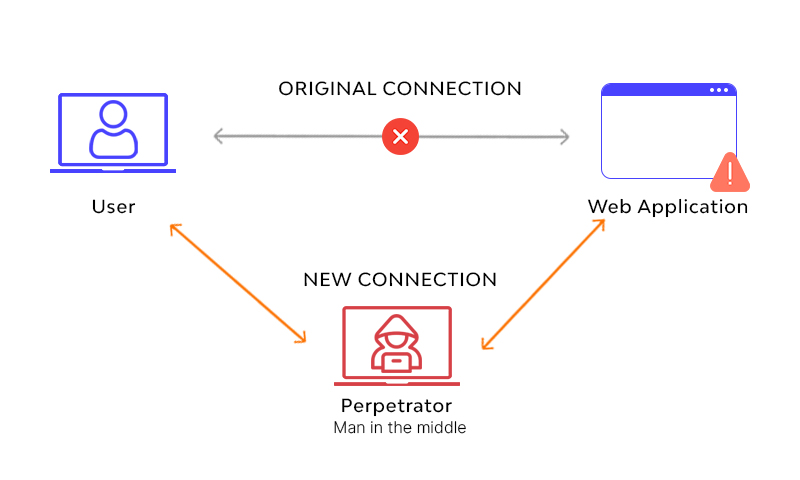
While I was browsing the web on the hotel Wi-Fi, one website appeared to load normally, but in reality, malicious code had been injected behind the page. I didn't notice anything unusual at the time. If I had installed some security tools, I might have detected these issues, but unfortunately, I hadn't.

Normally, a website might request your wallet to sign certain operations. The Phantom wallet would pop up a window where you could choose to approve or reject. Generally, you would trust the website and browser and sign without worry. However, that day, I shouldn't have.

Just as I was performing a token swap on @JupiterExchange, the malicious code triggered a wallet request that replaced my normal swap operation. I could have detected it as a malicious request by carefully checking the transaction details, but because I was already performing a swap on Jupiter, I didn't suspect a thing.
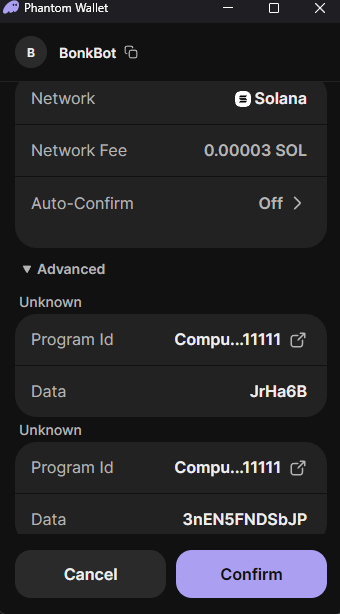
That day, I didn't sign any transaction to transfer funds; instead, I signed an authorization. This was exactly why my assets were stolen days later.

The malicious code didn't directly ask me to send SOL (Solana), as that would have been too obvious. Instead, it requested me to "authorize access," "approve account," or "confirm session." In simple terms, I was actually giving another address permission to operate on my behalf.

I approved it because I mistakenly thought it was related to my operation on Jupiter. At the time, the message popped up by the Phantom wallet looked technical, didn't show any amount, and didn't prompt for an immediate transfer.

And that was all the attacker needed. He patiently waited until I left the hotel before taking action. He transferred my SOL, withdrew my tokens, and moved my NFTs to another address.
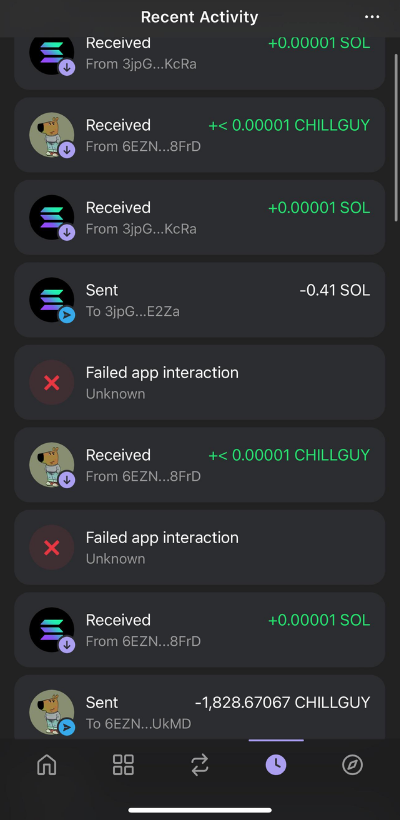
I never thought something like this would happen to me. Fortunately, this wasn't my main wallet but a hot wallet used for specific operations, not for long-term asset holding. Even so, I made many mistakes, and I believe I am primarily responsible.

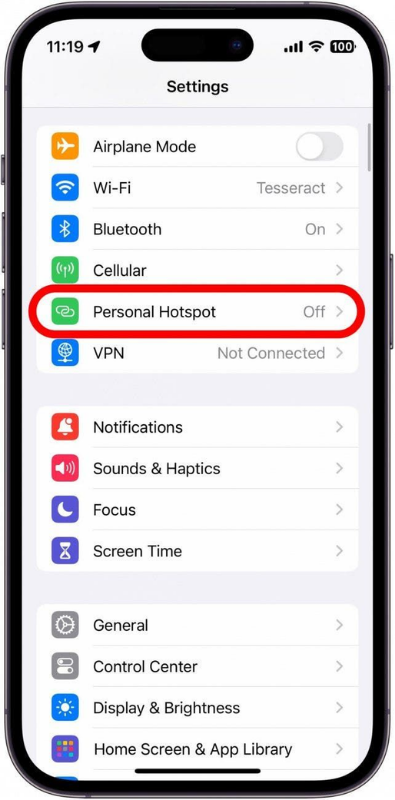
First, I should never have connected to the hotel's public Wi-Fi. I should have used my phone's hotspot instead.
My second mistake was talking about cryptocurrency in the hotel's public area, where many people could have overheard our conversation. My father once warned me never to let others know you're involved in cryptocurrency. This time, I was lucky; some people have even faced kidnapping or worse because of their crypto assets.
Another mistake was approving the wallet request without paying full attention. Because I was sure the request came from Jupiter, I didn't analyze it carefully. In fact, every wallet request should be carefully reviewed, even on trusted applications. Requests can be intercepted and may not actually come from the app you think.

In the end, I lost about $5000 from a secondary wallet. While it's not the worst-case scenario, it's still very frustrating.


Twitter:https://twitter.com/BitpushNewsCN

BitPush TG Discussion Group:https://t.me/BitPushCommunity

BitPush TG Subscription: https://t.me/bitpush

Original article link:https://www.bitpush.news/articles/7601380

热门币种推荐

相关问答

QWhat was the primary method the attacker used to compromise the victim's crypto wallet?

AThe attacker used a Man-in-the-Middle (MitM) attack by exploiting the insecure public hotel Wi-Fi network. They intercepted the victim's web traffic and injected malicious code into a webpage, which triggered a deceptive wallet authorization request.

QWhat specific mistake did the victim make that allowed the attacker to identify him as a target?

AThe victim discussed cryptocurrency, his use of the Phantom wallet, and his substantial holdings during a phone call in a public area of the hotel, which was overheard by the attacker.

QWhat type of transaction did the victim accidentally sign, instead of a direct fund transfer?

AThe victim signed an authorization or approval request, which granted permission for another address to operate on their behalf. This did not immediately transfer funds but gave the attacker the ability to do so later.

QWhy didn't the victim suspect the malicious transaction request when it appeared?

AThe request appeared while he was performing a legitimate token swap on the Jupiter Exchange platform. He assumed the request was part of that normal operation and did not carefully inspect the technical details of the transaction, which showed no immediate transfer of funds.

QWhat were the two security precautions the victim identified that could have prevented this attack?

AFirst, he should not have used the hotel's public Wi-Fi and instead used his phone's mobile hotspot. Second, he should never have discussed his cryptocurrency activities in a public space where he could be overheard.

你可能也喜欢

研报解读:MRVL 光学 AI 迎来爆发,为何高估值让大摩明星分析师选择按兵不动?

摩根士丹利分析师Joseph Moore于5月28日更新了对迈威尔(MRVL)的研报。尽管公司季报创纪录并大幅上调全年展望,但Moore维持“等权重”(中性)评级,目标价从172美元上调至195美元,仍低于当时股价。 **核心观点**:分析师认可迈威尔的AI增长机会,但认为当前股价已充分反映预期。195美元目标价对应约40倍2027年预期市盈率。对比英伟达,两者股价接近,但英伟达的每股盈利预期是迈威尔的两倍多。Moore认为,迈威尔需同时兑现以下假设才能支撑当前估值:1)光互联业务持续放量;2)定制AI芯片顺利大规模出货;3)存储及企业业务复苏。 **业务分析**: - **光互联**(高速增长):受益于AI集群数据传输需求,预计未来几个季度光模块产品线年化营收将达10亿美元,是当前最确定的增长点。 - **定制AI芯片**(正在爬坡):为云厂商设计专用芯片,新大客户预计2028财年量产,但今年收入尚不明朗。 - **传统业务**:存储、企业数据中心等板块仍处于去库存阶段,短期缺乏复苏动力。 **关键监测信号**:光模块营收能否如期达到10亿美元年化水平;新客户定制芯片项目能否在2028财年量产;传统业务何时复苏。若任何一环不及预期,当前高估值可能面临压力。 (本文为对第三方研报的解读,不构成投资建议。)

marsbit45分钟前

研报解读:MRVL 光学 AI 迎来爆发,为何高估值让大摩明星分析师选择按兵不动?

marsbit45分钟前

Kraken面向美国专业交易者推出CFTC监管的永续期货

Kraken交易所宣布,通过整合Bitnomial,为美国符合条件的机构和专业客户推出受美国商品期货交易委员会(CFTC)监管的永续期货合约。该产品已在Kraken Pro上线,由CFTC注册的期货佣金商NinjaTrader Clearing提供经纪和清算服务,支持BTC、ETH等多种主流加密资产,并采用八小时资金费率机制。 永续期货是加密货币市场的主流衍生品,允许杠杆交易且无固定到期日。此前这类交易多集中于离岸平台。Kraken此举并非创造新产品,而是将已有的加密原生市场结构引入受监管的美国合规场所,为专业交易者提供了在离岸流动性和本土监管合规性之间的新选择。 需要明确的是,此次发布并非面向大众零售客户,仅限于合格的专业投资者。对Kraken而言,这是构建更完整美国衍生品体系的一部分;对整个市场而言,它标志着永续期货开始正式进入美国受监管的领域。 然而,离岸平台目前仍占据交易量主导。该产品能否成功,关键在于其能否在点差、资金效率、保证金规则和执行质量上提供有竞争力的流动性,从而吸引专业交易者。如果能够实现,可能促使部分交易活动回归岸内;反之,其意义将更多停留在象征层面。市场后续应关注官方确认、初期反响是否持续,以及该发展是否会对流动性格局、监管或风险管理产生持久影响。

bitcoinist1小时前

Kraken面向美国专业交易者推出CFTC监管的永续期货

bitcoinist1小时前

交易

现货
合约

热门文章

什么是 APECOIN

了解亚太电子币 ($APECoin) 在技术与环保交汇日益重要的时代, криптовалюты 正在逐渐显现其作为变革潜在催化剂的作用。在这些创新中,亚太电子币 ($APECoin) 作为一个旨在支持亚太地区环保项目的独特项目而脱颖而出。本文深入探讨 $APECoin 的基础、独特特征及其在更广泛区块链生态中的影响。 什么是亚太电子币 ($APECoin)? 亚太电子币 ($APECoin) 是一种 ERC20 和 TRC20 代币,,于 2019 年 12 月构思,并于 2020 年 4 月正式推出。这项创新源于促进环保实践以及支持多个可持续性与绿色倡议的环境项目的愿望。 目标与目的 $APECoin 不仅仅是一种数字货币;它被设想为一种交换媒介,使用户能够参与直接有利于环境事业的交易。其生态系统旨在促进各种金融活动,同时推动环保实践的采用。该货币的主要目标是: 支持环保倡议:通过每一笔交易,分配一部分资金用于资助旨在保护与可再生能源的可持续项目。 促进环保创新:通过将其代币作为价值手段,鼓励与环境可持续发展相一致的初创企业和项目。 创建可持续市场:该平台包括一个电子市场,允许在专注于促进绿色实践的框架内进行金融交易。 亚太电子币 ($APECoin) 的创造者 尽管关于 $APECoin 创造者的具体信息没有公开披露,但该项目获得了以倡导环保倡议为重点的 APEC 集团的显著支持。这一支持为该项目增添了可信度与重要性,使其连接到一个致力于可持续与环保实践的更广泛网络。 亚太电子币 ($APECoin) 的投资者 围绕 $APECoin 的投资环境依然 largely undisclosed。具体支持这一加密货币的投资基金或组织的名称尚未披露。然而,明显的是,越来越多的投资者对此表现出浓厚兴趣,他们希望支持在加密空间具有潜在影响的可持续项目。 亚太电子币 ($APECoin) 如何运作? $APECoin 因其创新的运营模式而脱颖而出,利用区块链技术和智能合约。这种结合不仅确保交易效率,同时还强制遵循监管框架,提高交易的安全性与透明度。 $APECoin 的独特特征 基于区块链的操作:通过将其操作建立在区块链平台上,$APECoin 确保所有交易都不可篡改,并通过先进的加密技术进行保护。这种去中心化强调了其生态系统内代币的完整性。 智能合约:$APECoin 采用智能合约,促进无缝交易,同时确保遵守适用的法规。这些自动化协议最小化了争议的可能性,简化了流程,并为可靠的交易框架做出贡献。 电子市场:$APECoin 的一项标志性特征是其专门的电子市场。这个数字环境作为支持环保实践服务的枢纽,提供一个促进该项目绿色愿景的交易平台。 通过这些特征,$APECoin 在广阔的加密货币市场中占据了一席之地,有效地将区块链的原则与环保治理结合起来。 亚太电子币 ($APECoin) 的时间线 了解 $APECoin 的发展轨迹可以提供对其发展里程碑和未来愿望的见解。以下是该项目历史上重要事件的时间线: 2019 年 12 月:亚太电子币的构思,启动了通过加密货币推动可持续发展的雄心。 2020 年 4 月:$APECoin 的官方推出,标志着其作为环境项目专用代币的入市。 2020-2021:首次交易所发行(IEO),使用户能够购入 $APECoin,同时在各类电子交易平台上注册以增强可达性。 在相对短暂的旅程中,$APECoin 在为一个安全且富有影响力的加密货币的基础奠定方面取得了显著进展,这一切都以环境目标为驱动。 结论 亚太电子币 ($APECoin) 体现了技术与环境责任的结合,在支持加密生态系统增长的同时,推动可持续发展。凭借其独特的结构、受人尊敬的实体的支持以及对更绿色未来的愿景,$APECoin 不仅仅是一种加密货币;它是一个旨在培养亚太地区负责任创新的开创性项目。通过对金融包容性的承诺以及对环保倡议的支持,它成为了如何利用数字货币实现积极社会影响的有力范例。 随着该项目的不断发展,加密社区及其外部的利益相关者将积极关注 $APECoin 如何塑造在快速发展的加密货币世界中关于可持续实践的讨论。

224人学过发布于 2024.12.03更新于 2024.12.03

什么是 APECOIN

如何购买APE

欢迎来到HTX.com!我们已经让购买ApeCoin(APE)变得简单而便捷。跟随我们的逐步指南,放心开始您的加密货币之旅。第一步:创建您的HTX账户使用您的电子邮件、手机号码注册一个免费账户在HTX上。体验无忧的注册过程并解锁所有平台功能。立即注册第二步:前往买币页面,选择您的支付方式信用卡/借记卡购买:使用您的Visa或Mastercard即时购买ApeCoin(APE)。余额购买:使用您HTX账户余额中的资金进行无缝交易。第三方购买:探索诸如Google Pay或Apple Pay等流行支付方法以增加便利性。C2C购买:在HTX平台上直接与其他用户交易。HTX场外交易台(OTC)购买:为大量交易者提供个性化服务和竞争性汇率。第三步:存储您的ApeCoin(APE)购买完您的ApeCoin(APE)后,将其存储在您的HTX账户钱包中。您也可以通过区块链转账将其发送到其他地方或者用于交易其他加密货币。第四步:交易ApeCoin(APE)在HTX的现货市场轻松交易ApeCoin(APE)。访问您的账户,选择您的交易对,执行您的交易,并实时监控。HTX为初学者和经验丰富的交易者提供了友好的用户体验。

376人学过发布于 2025.02.24更新于 2026.06.02

如何购买APE

相关讨论

欢迎来到HTX社区。在这里,您可以了解最新的平台发展动态并获得专业的市场意见。以下是用户对APE(APE)币价的意见。

活动图片