Автор: David, Deep Tide TechFlow
Возможно, вы не слушаете подкасты, но вы видели этот кадр.
В 2018 году Маска с сигаретой в руке и окутанного дымом увидела вся сеть, что стало одним из самых известных моментов в его имидже.
Однако мало кто знает, где произошла эта сцена, и мало кого интересует, кто сидел напротив.
На самом деле, это была запись американского подкаста.
Ведущий протянул Маску сигарету, смешанную с марихуаной и табаком, Маск спросил: «Это законно, да?», и затем затянулся.
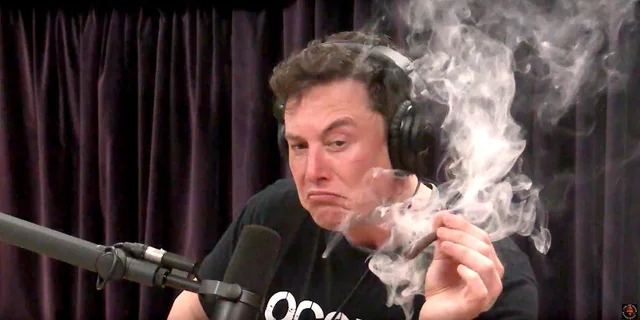
На следующий день акции Tesla упали на 9%.
Этот выпуск до сих пор набрал более 69 миллионов просмотров на YouTube, став самым просматриваемым выпуском в истории подкаста.
Какая программа, какой ведущий может заставить самого богатого человека в мире сделать такое перед камерой?
На президентских выборах в США в 2024 году Трамп также дал трёхчасовое интервью в этом подкасте, а в своей победной речи отдельно поблагодарил ведущего; две недели назад генеральный директор NVIDIA Хуан Жэньсюнь также сел в эту студию, чтобы поговорить о войне в сфере ИИ и чипов в течение двух с половиной часов, набрав более 2,8 миллиона просмотров за две недели.
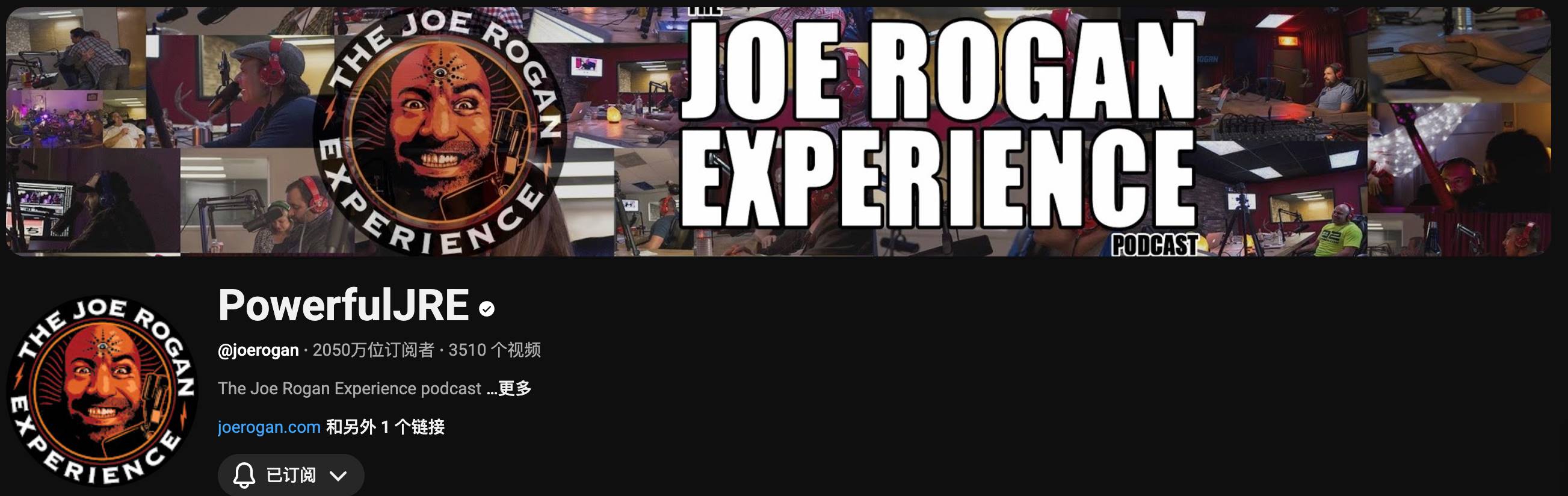
Его зовут Джо Роган. Его шоу «The Joe Rogan Experience» — крупнейший подкаст в мире.
От комика до короля подкастов: шоу стоит 2,5 миллиарда
Влияние подкаста Джо Рогана основано на его нестандартной биографии.
Комик, ведущий реалити-шоу, комментатор UFC. Собрав эти три роли вместе, сложно представить, что из этого получится крупнейший подкаст в мире.
Он не ведущий интервью в традиционном понимании, не тот медийный человек, который сидит с прямой спиной и прошёл профессиональную подготовку. Его корни — в шоу-бизнесе и мире единоборств, а не в журналистике.
Но именно эта «нестандартность» позволила ему создать нечто совершенно отличное от традиционных медиа; его способность привлекать гостей и аудиторию намного превосходит многие профессиональные медийные программы.
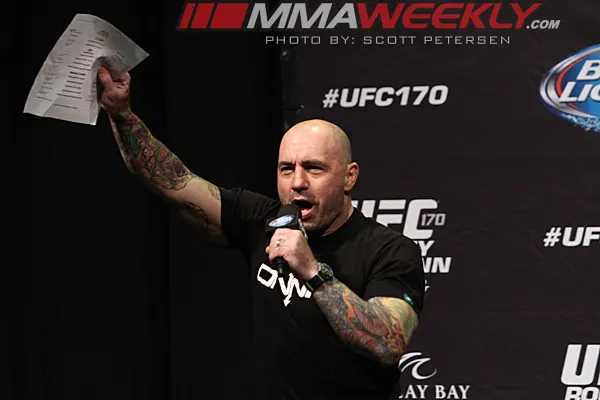
Изначально Джо Роган был комиком, в 90-х выступал с сольными номерами в клубах Бостона. Позже переехал в Лос-Анджелес, несколько лет снимался в ситкомах, а затем вёл реалити-шоу под названием «Fear Factor».
Шоу было построено на сенсационности: участники ели насекомых, прыгали с высотных зданий, пытаясь добиться рейтингов через отвращение и экстрим. В нынешней среде коротких видео его определённо отнесли бы к вульгарному, но популярному контенту.
Но настоящую известность ему принесла другая работа.
С 1997 года он комментировал UFC, сидя у октагона и объясняя бои по смешанным единоборствам, проработав там более двадцати лет. Эта работа закрепила его в мире единоборств и привлекла большую преданную мужскую аудиторию.
В 2009 году он начал записывать подкасты дома.
Как и у многих подкастов в начале, оборудование было простым, не было спонсоров или бизнес-плана. Но каждый выпуск длился по два-три часа, он беседовал с друзьями или гостями на любые темы.
Оглядываясь назад, все его предыдущие разнообразные опыт suddenly пригодились.
Будучи комиком, он знал, как сделать диалог интересным и ритмичным. Работая ведущим реалити-шоу, он привык быть расслабленным перед камерой. Двадцать лет работы комментатором UFC — эта аудитория уже привыкла слушать его.
Кроме того, он не является экспертом ни в одной области, что даёт ему нестандартное преимущество:
Он может с чистой совестью задавать «глупые вопросы».
Физику он задаёт базовые вопросы о концепциях; политику — он не углубляется в детали политики, а спрашивает: «Что вы на самом деле думаете?». Такого стиля в традиционных медиа просто не увидишь.
Телевизионные интервью имеют строгие временные ограничения, ведущий должен быстро переходить к сути. Новостные репортажи требуют конфронтации, журналист должен выудить то, что собеседник не хочет говорить.
Шоу Рогана действует наоборот: вам даётся три часа, без монтажа, без перебиваний, говорите о чём хотите.
В результате многие знаменитости говорят в его шоу то, что не скажут в других местах. Маск с марихуаной — лишь один пример. Цукерберг приходил поговорить о тренировках по MMA, выглядев более нормальным человеком, чем на любых слушаниях в Конгрессе.
Постепенно подкаст Джо Рогана стал首选ным местом для знаменитостей, чтобы «показать свою настоящую сторону». Интервью в традиционных медиа — это表演 (performance), здесь же можно быть собой.
С появлением различных знаменитостей шоу становилось всё более ценным.
В 2020 году Spotify купила эксклюзивные права на распространение «The Joe Rogan Experience» за 200 миллионов долларов, что стало крупнейшей сделкой в истории индустрии подкастов.
В 2022 году Роган оказался в центре шторма из-за своих негативных высказываний о некоторых вакцинах против COVID-19 в подкасте, ряд музыкантов оказали давление, убрав свои песни со Spotify в знак протеста.
Именно в этот момент другая видеоплатформа Rumble публично предложила контракт на 100 миллионов долларов, чтобы переманить его подкаст, но Роган не соблазнился.
В 2024 году он продлил права на трансляцию со Spotify, но цена выросла до 250 миллионов долларов.
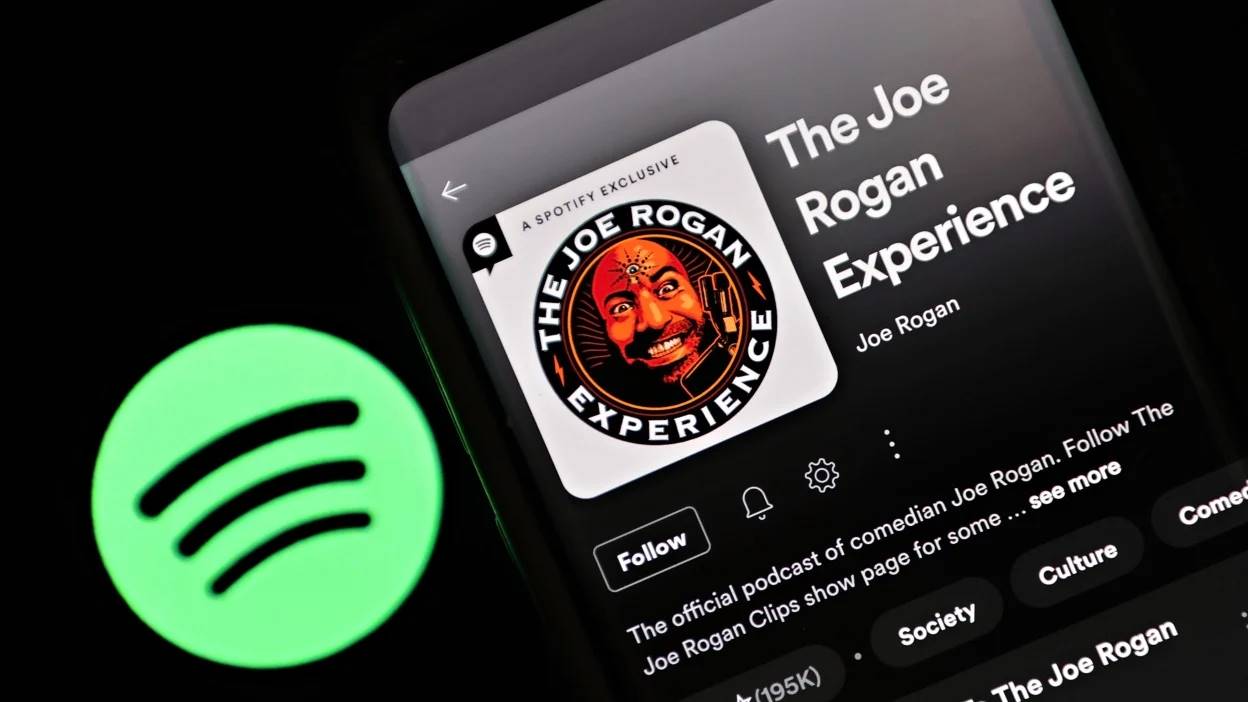
Более того, на этот раз он не согласился на эксклюзивность, шоу вернулось на три платформы одновременно: Spotify, YouTube и Apple Podcasts. Spotify заплатила больше, но получила меньше прав.
В 2025 году «The Joe Rogan Experience» впервые одновременно возглавил ежегодные чарты подкастов на трёх крупных платформах: Spotify, Apple Podcasts и YouTube.
Беседы, записанные дома шестнадцать лет назад, теперь оцениваются выше, чем многие традиционные медиакомпании.
Беседы в подкастах, точное привлечение голосов
25 октября 2024 года, на решающем этапе выборов, Трамп сел в студию Рогана в Остине.
Этот выпуск длился целых три часа. После записи Трамп отправился на предвыборный митинг в Мичигане, заставив тысячи сторонников ждать на три часа дольше.
О чём они говорили три часа?
НЛО. Трамп сказал, что опрашивал пилотов истребителей, и те говорили ему, что видели сферический объект, скорость которого в четыре раза превышала скорость истребителя F-22.
Кровать в Белом доме. Он описал свои真实的 ощущения, когда впервые вошёл в спальню Линкольна в Белом доме, почувствовав, что кровать очень большая, потому что рост Линкольна был шесть футов шесть дюймов.
Тарифы. Трамп также предложил полностью заменить подоходный налог тарифами. Роган спросил: «Вы серьёзно?»
Трамп ответил: «Конечно, почему бы и нет? В 1880-х годах, когда наша страна была самой богатой, мы полагались на тарифы.»
Эти темы кажутся несвязанными, но у них есть общая черта:
Это то, о чём никогда не стали бы говорить в традиционных политических интервью.
Телеканалы спрашивают о деталях политики, допрашивают о спорных заявлениях,严格控制时间. Ни один серьёзный политический журналист не позволит кандидату в президенты потратить десять минут на НЛО и кровать Линкольна.
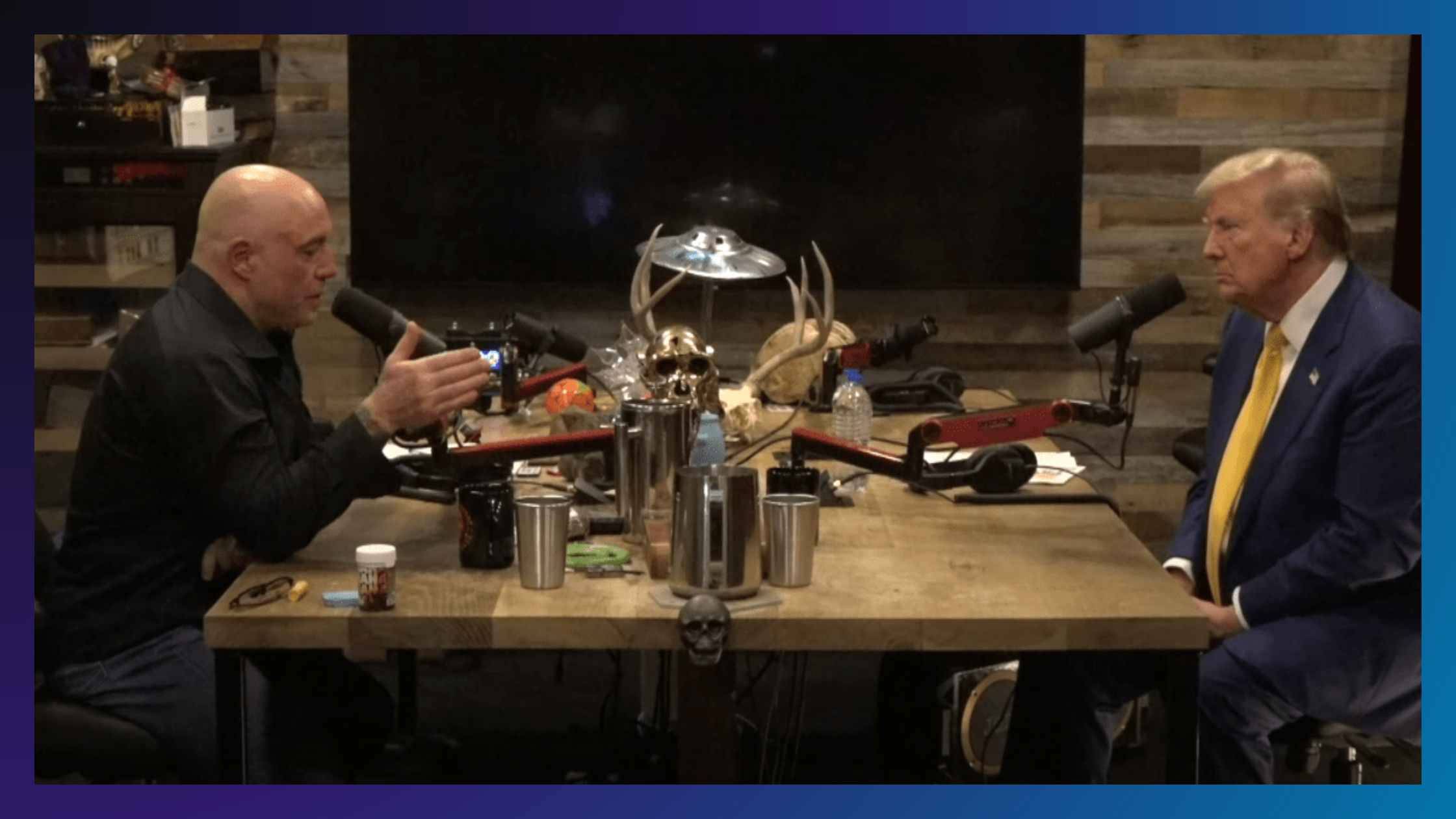
Но именно в этом особенность шоу Рогана. Три часа, без перебиваний, без установленной повестки, говорите о чём хотите.
Зрители видят не кандидата, ограниченного медийными рамками, а целостного Трампа: любопытного, с безумными идеями, способного на непринуждённую беседу.
Одна фраза самого Рогана хорошо передаёт эффект:
«Вы сказали много сумасшедших вещей, но традиционные медиа вырывают эти фразы и делают из них новости, что делает вас ещё более популярным. Потому что люди устали от заученной политической речи. Даже если не согласны с вами, по крайней мере знают, что этот человек настоящий.»
Это ощущение подлинности особенно эффективно для аудитории шоу Рогана.
Данные зарубежных исследовательских机构 показывают, что 80% слушателей шоу — мужчины, более половины — в возрасте от 18 до 34 лет. В политическом плане 35% считают себя независимыми, 32% склоняются к республиканцам, 27% — к демократам. У этих людей есть общая черта:
Они мало смотрят традиционные телевизионные новости, в основном не доверяют mainstream медиа, но они проводят несколько часов в неделю, слушая беседы Рогана.
Другими словами, это группа людей, до которых традиционная политическая коммуникация с трудом доходит. А Трамп провёл три часа напротив ведущего, которому они доверяют, говоря расслабленно, неформально, что оказалось эффективнее любой предвыборной рекламы.
После выхода программы количество просмотров на YouTube быстро превысило 50 миллионов.
А всё видео было нарезано на бесчисленные фрагменты, распространяемые в X, TikTok, Instagram. Каждая яркая фраза, каждое экстравагантное высказывание стало самостоятельным контентом, достигая тех, кто никогда не нажмёт на трёхчасовое видео.
В то время как конкурент Трампа на президентских выборах Харрис не пошла на это шоу.
По сообщениям, стороны обсуждали, Роган также публично приглашал. Но команда Харрис хотела ограничить время одним часом, Роган отказался. В своём шоу он сказал:
«Не то чтобы я не хотел её пригласить, она просто не захотела прийти.»
Для сравнения, выпуск с Трампом набрал более 50 миллионов просмотров, а выпуск Харрис в другом подкасте «Call Her Daddy» — 600 тысяч.
Выборы закончились, Трамп победил. В победной речи председатель UFC Дана Уайт отдельно поблагодарил Джо Рогана, включив его в число功臣 победы.
Подкаст был упомянут в благодарственной речи победившего президента впервые в американской политической истории.
Китайское зеркало, попытки Ло Юнхао и других
Можно ли воспроизвести модель Джо Рогана в Китае?
Кто-то пытается.
В июне 2025 года Ло Юнхао на конференции по ИИ透露 (раскрыл), что основатель DeepSeek Лян Вэньфэн посоветовал ему использовать преимущество «зарабатывать на жизнь словами». Несколько месяцев спустя он запустил на Bilibili видеоподкаст «Перекрёсток Ло Юнхао», ориентируясь на Джо Рогана и Лекса Фридмана.

Формат шоу очень похож на The Joe Rogan Experience: длинные диалоги, минимум монтажа, каждый выпуск длится три-пять часов.
Первым гостем стал основатель Li Auto Ли Сян, они беседовали четыре часа, от детских травм до отношений с Ван Сином, осмеливаясь спрашивать и отвечать на всё. Реакция в комментариях была:
В эпоху коротких видео такой «редкий, длинный и мощный超大杯 (超大杯 - большой стакан, метафора чего-то большого и концентрированного)» слишком稀有 (редок).
Ло Юнхао не единственный. Лу Юй, Юй Цянь, Ли Дань, Ян Ди — эти известные ведущие纷纷 (один за другим)入驻 (присоединились) к Bilibili, чтобы делать видеоподкасты. Bilibili также сделала серьёзную ставку, инвестировав летом 10-миллиардный (имеется в виду большое количество) трафик для поддержки, предоставив бесплатные студии для записи в Пекине, Шанхае, Гуанчжоу и Ханчжоу, а также планируя запустить эксклюзивные инструменты ИИ для создания подкастов.

Кажется, наконец-то наступил «год видеоподкастов» в Китае, но не всё так просто.
Ло Юнхао в беседе с Tim из «影视飓风» (Yingshi Jufeng) упомянул, что его видео набирают около 20-30 миллионов просмотров, а Tim считает, что «набрать 100 миллионов — значит стать популярным». Это раскрывает структурную проблему:
В экосистеме трафика китайского интернета длинный контент по своей сути находится в невыгодном положении.
За последние несколько лет пользователи привыкли к «просмотру фильма за три минуты». Алгоритмы Douyin и Kuaishou поощряют процент досмотра, у трёхчасового видео практически нет шансов выжить в пуле рекомендаций.
Что ещё более иронично, многие яркие моменты длинных видеоподкастов распространяются именно через几十秒 (несколько десятков секунд) нарезки в Douyin и Xiaohongshu.
В то же время, монетизация также является проблемой.
Доход от рекламы в индустрии подкастов США в 2024 году превысил 2 миллиарда долларов, ведущие топ-шоу могут получить эксклюзивные контракты на сотни миллионов долларов. В Китае бренд подкаста с почти 500 тысячами подписчиков предлагает устную рекламу менее чем за 40 тысяч юаней за ролик, а годовой чистый доход может составлять всего несколько сотен тысяч юаней.
У YouTube есть зрелая система распределения доходов AdSense, чем длиннее видео, тем больше рекламных мест и доходов, что с точки зрения механизма прибыли поощряет длинный контент. Коммерческие возможности Bilibili ещё далеки от этого уровня.
Есть ещё более фундаментальная проблема:
Влияние Рогана во многом связано с тем, что он может пригласить Трампа, Маска, Хуана Жэньсюня и других, и эти люди готовы сказать в его шоу то, что не скажут в других местах.
Этот статус «первоисточника информации» требует долгосрочного накопления доверия и уникальной медийной среды.
Ло Юнхао может пригласить Ли Сяна, Хэ Сяопэна, Чжоу Хунъи — это уже топ-состав технологического круга Китая. Но в плане открытости тем существуют естественные границы.
Итак, можно ли воспроизвести модель Джо Рогана в Китае?
Форму можно скопировать, но почва другая.
Споры и границы
Дойдя до этого места, нельзя обойти вопрос о том, что Джо Роган — противоречивая личность.
В 2022 году он оказался в центре бури из-за сомнений в эффективности вакцин против COVID-19 в своём шоу. Spotify не отказалась от Рогана, но добавила предупреждение о содержании ко всем выпускам, связанным с COVID-19, и одновременно удалила более 70 старых выпусков.
Это не первый раз, когда он попадает в неприятности.
В 2024 году он в шоу с гостем обсуждал происхождение СПИДа, распространяя некоторые опровергнутые медицинским сообществом утверждения, за что был публично раскритикован Американским фондом исследований СПИДа.
Исследование Йельского университета показало, что восемь из десяти самых популярных подкастов в США распространяли ошибочную или вводящую в заблуждение информацию об изменении климата, и все шоу Рогана входят в этот список.
Его шоу также является центром распространения各种 (различных) теорий заговора в США.
От убийства Кеннеди до НЛО, от крупных фармацевтических компаний до правительственного наблюдения — он сохраняет «открытость» к этим темам. Критики считают, что это предоставляет платформу для дезинформации, а его сторонники полагают, что это бросает вызов mainstream нарративам.
В июле 2025 года он опубликовал пост в X:
«Салют тем, кто до сих пор не верит в теории заговора, ваша способность坚守立场 (стоять на своём) вызывает восхищение.» Этот пост набрал более 15 миллионов просмотров.
В этом также заключается сложность Джо Рогана.
Он не последователен в своих взглядах. Например, он поддерживает однополые браки, легализацию марихуаны, всеобщее медицинское страхование — это типично либеральные позиции. Но он также ставит под вопрос mainstream медиа, предоставляет платформу спорным figures, что сделало его любимцем консерваторов.
Его шоу имеет влияние именно потому, что он не принадлежит ни к одному лагерю. Те, кто потерял доверие к mainstream медиа, нашли в нём «анти-истеблишмент»替代品 (замену).
Но те же самые качества делают его узлом распространения misinformation. Когда человек с аудиторией в сотни миллионов говорит «Я просто задаю вопросы», сами эти вопросы уже формируют общественное восприятие.
Это также внутреннее напряжение подкаста как медиа:
Его очарование заключается в подлинности, расслабленности, отсутствии ограничений, но когда его влияние достигает определённого уровня, «отсутствие ограничений» само по себе становится проблемой.
Джо Роган — продукт этой эпохи и её зеркало.