# Сопутствующие статьи по теме Yield

Новостной центр HTX предлагает последние статьи и углубленный анализ по "Yield", охватывающие рыночные тренды, новости проектов, развитие технологий и политику регулирования в криптоиндустрии.

Funds Haven't Disappeared, They Just Don't Love Altcoins Anymore

"Capital Hasn't Disappeared—It Just Stopped Loving Altcoins" offers a retrospective analysis of the crypto market in 2025, framing it not as a simple bull or bear cycle but as a period of structural repositioning. The year was defined by a clear regulatory shift, with the U.S. moving from a stance of suppression to establishing a clearer legislative framework, exemplified by the GENIUS Act. This institutionalization was a key driver, with Bitcoin and Ethereum ETFs attracting significant institutional capital. However, this capital was highly selective, flowing into low-volatility, compliant channels like stablecoins, low-risk Real-World Assets (RWA), and corporate treasuries (DATs), rather than fueling a broad-based "altcoin season." Consequently, the market experienced a stark stratification: while major assets saw institutional support, approximately 85% of new token launches ended the year below their initial price. The report identifies three key narrative sectors that adapted to this new reality: tokens with real yield (e.g., yield-bearing stablecoins, mature DeFi), which provided a reason to hold assets beyond pure speculation; AI/Robotics x Crypto, seen as a long-term infrastructure play despite short-term underperformance; and prediction markets/Perp DEXs, which thrived by fulfilling the native demand for leveraged trading and event speculation. The conclusion is that 2025 marked a transition in market pricing power, where narratives still drive short-term trades, but only assets with real utility, distribution, and institutional acceptance are poised for long-term value accrual.

marsbit01/20 01:40

Funds Haven't Disappeared, They Just Don't Love Altcoins Anymore

marsbit01/20 01:40

How Do Stablecoins Touch the Most Profitable Nerve of Banks?

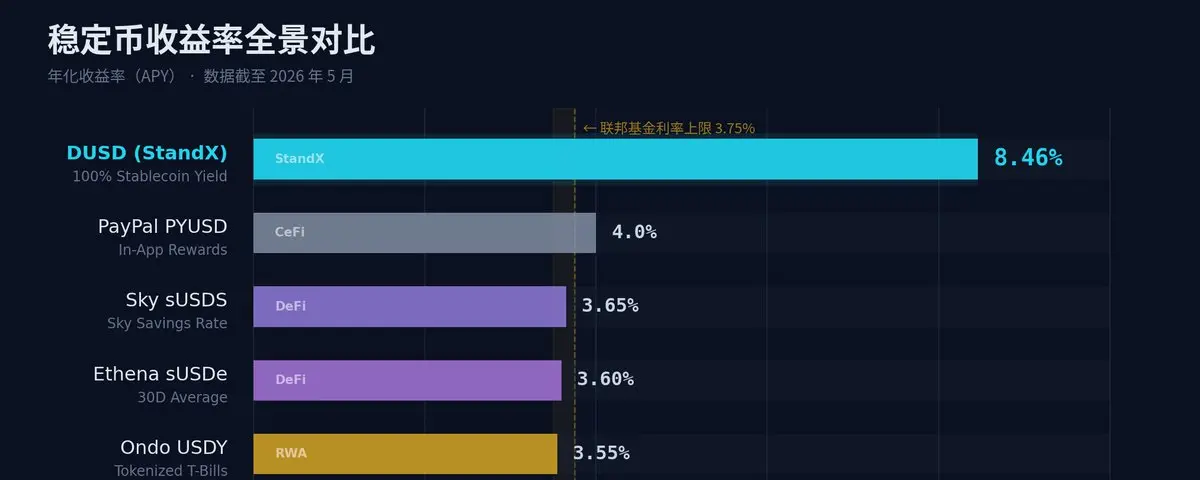
U.S. banks are fiercely opposing interest-bearing stablecoins, not because they cause deposit outflows, but because they threaten the core profitability of large commercial banks. When funds flow into stablecoins like USDC, the money eventually returns to the banking system as reserves held in cash or short-term liquid assets. The real concern is the total amount of deposits, but a shift in deposit structure. Large U.S. banks rely heavily on "low-rate banking," where they hold massive amounts of non-interest or ultra-low-interest transaction deposits (used for payments, transfers, and settlements). These deposits are extremely cheap for banks, costing only 0-11 basis points in interest, while the Fed funds rate is 3.5%-3.75%. This spread, along with transaction fees, generates over $360 billion in annual revenue for banks. Interest-bearing stablecoins directly compete with these transaction deposits. If stablecoins offer yield, users may move funds from traditional bank transaction accounts into stablecoins for both utility and returns. Although the money remains in the banking system, stablecoin issuers would likely place most reserves in higher-yielding non-transaction accounts, forcing banks to pay market rates for these funds. This erodes banks' profit margins and reduces their fee income from payment services. The battle over the CLARITY法案 revolves around this profit redistribution. Banks want to ban all forms of yield on stablecoins to protect their lucrative low-cost deposit base and dominant position in the payment ecosystem.

比推01/19 14:58

How Do Stablecoins Touch the Most Profitable Nerve of Banks?

比推01/19 14:58

Why Must Banks Ban Stablecoin Yields?

The article "Why Banks Are Determined to Ban Yield-Bearing Stablecoins?" explores the ongoing debate around the U.S. cryptocurrency market structure bill (CLARITY), particularly the fierce opposition from large banks against interest-bearing stablecoins. Banks argue that such stablecoins could cause deposit outflows, but the author refutes this, explaining that funds used to purchase stablecoins like USDC ultimately flow back into the banking system as reserves held by issuers like Circle. The real concern for banks is not the total volume of deposits but a shift in deposit structure. U.S. major banks (e.g., Bank of America, JPMorgan Chase) rely heavily on "low-interest banking," where transaction deposits (used for payments, transfers) pay near-zero interest, creating a significant spread between deposit rates and the Fed’s benchmark rate. This model generates massive profits—over $360 billion annually from interest differentials and transaction fees. Stablecoins directly compete with transaction deposits by offering similar utility (payments, settlements). If stablecoins can generate yield, users may shift funds from bank transaction accounts to stablecoins to earn higher returns. While the money remains in the banking system (as stablecoin reserves), it moves from low-cost transaction deposits to higher-yield instruments, squeezing bank profit margins and reducing fee income. Thus, banks oppose yield-bearing stablecoins to protect their lucrative low-cost deposit base and maintain control over profit distribution, making it a central issue in the CLARITY legislative battle.

marsbit01/19 09:43

Why Must Banks Ban Stablecoin Yields?

marsbit01/19 09:43

Why Must Banks Ban Stablecoin Yields?

The article explores why U.S. banks are strongly opposing interest-bearing stablecoins, despite claims that such assets could cause bank deposit outflows. It argues that funds flowing into stablecoins like USDC do not leave the banking system—instead, they are held as reserves in highly liquid assets like cash or Treasury bills, which eventually return to banks. The real concern for large banks is not the total volume of deposits, but a shift in deposit structure. U.S. megabanks rely heavily on low-cost transactional deposits (used for payments and transfers), which pay near-zero interest. These deposits allow banks to profit from the spread between the Fed funds rate and what they pay depositors, as well as from transaction fees. Interest-bearing stablecoins threaten this model. They offer similar transactional utility but also provide yield, incentivizing users to move funds out of traditional bank transactional accounts. While the money may return to the banking system, it would likely be placed in higher-yielding deposit accounts, increasing banks’ funding costs. Additionally, stablecoins could disrupt banks’ fee income from payment services. The core issue is profit redistribution: stablecoins—especially those offering yield—could reduce banks’ low-cost funding advantage and erode their transaction revenue, explaining the fierce opposition to interest-bearing models in proposed legislation like the CLARITY Act.

Odaily星球日报01/19 09:26

Why Must Banks Ban Stablecoin Yields?

Odaily星球日报01/19 09:26

The United States Will Not Reject Stablecoins

The article argues that the U.S. has no fundamental reason to reject stablecoins, despite regulatory friction. The debate centers on the "passive yield" mechanism, with traditional banks fearing massive deposit outflows—potentially up to $6 trillion—from community banks into yield-bearing stablecoins like USDC, which could raise lending costs. Coinbase counters that yield is a tool for user benefit and efficiency, helping users escape near-zero bank interest rates. Stablecoin issuers like Tether and Circle have become significant buyers of U.S. Treasury bonds, holding $1700 billion in Treasuries and accounting for a small but growing share of the money supply. With foreign demand for U.S. debt declining, stablecoins help sustain Treasury markets. The piece traces the rapid evolution of on-chain yield mechanisms, from Ethena’s USDe—which surged then contracted after deleveraging events—to more mature vault-based models like those on Morpho. While on-chain yield products have advanced, real-world adoption in payments remains limited. The solution proposed is integrating yield into payment systems, making yield a default feature during transactions—not just when holding or idling—thus benefiting users, merchants, and platforms. Examples like Airwallex’s yield products and travel platform partnerships show the potential. The conclusion is that stablecoins must expand utility and user base to succeed, with the next challenge being the governance of yield vaults to prevent systemic risks.

marsbit01/19 03:37

The United States Will Not Reject Stablecoins

marsbit01/19 03:37

活动图片