Автор | Odaily星球日报(@OdailyChina)
Автор|Azuma(@azuma_eth)

С временным «отступничеством» Coinbase и отсрочкой рассмотрения банковским комитетом Сената, закон о структуре рынка криптовалют (CLARITY) снова застопорился на этапе.
- Примечание Odaily: предысторию см. в статьях «Крупнейший фактор неопределенности на крипторынке: сможет ли закон CLARITY пройти через Сенат?» и «Рассмотрение CLARITY внезапно отложено: почему индустрия так сильно разделилась?».
Согласно текущим рыночным дискуссиям, основное противоречие вокруг CLARITY сосредоточилось на «стейблкоинах с доходностью». Конкретно, принятый в прошлом году закон GENIUS, чтобы заручиться поддержкой банковского сектора, прямо запрещал стейблкоины с доходностью, но он лишь запрещал эмитентам стейблкоинов выплачивать держателям «любую форму процентов или дохода», но не ограничивал третьи стороны в предоставлении дохода или вознаграждений. Банковский сектор был очень недоволен этим «обходным путем» и попытался в CLARITY пересмотреть все, запретив все виды путей получения дохода, что вызвало яростное сопротивление со стороны части криптосообщества, представленного Coinbase.
Почему банки так против стейблкоинов с доходностью и стремятся закрыть все пути получения дохода? Цель этой статьи — подробно ответить на этот вопрос, разобрав бизнес-модель крупных американских коммерческих банков.
Отток банковских депозитов? Чистая ложь
В заявлениях против стейблкоинов с доходностью самой распространенной причиной, которую используют представители банковского сектора, является «опасение, что стейблкоины вызовут отток банковских депозитов» — Генеральный директор Bank of America Брайан Мойнихан на телеконференции в прошлую среду заявил: «До 6 триллионов долларов депозитов (около 30–35% всех депозитов американских коммерческих банков) могут мигрировать в стейблкоины, что ограничит способность банков кредитовать общую экономику США... а стейблкоины с доходностью могут ускорить отток депозитов.»
Но любой, кто немного знаком с логикой работы стейблкоинов, может увидеть, что это утверждение очень вводит в заблуждение. Потому что когда 1 доллар поступает в систему стейблкоинов, такую как USDC, этот доллар не исчезает в никуда, а помещается в резервное хранилище эмитента стейблкоина, такого как Circle, и в конечном итоге снова возвращается в банковскую систему в виде депозитов наличными или других краткосрочных ликвидных активов (например, казначейских облигаций).
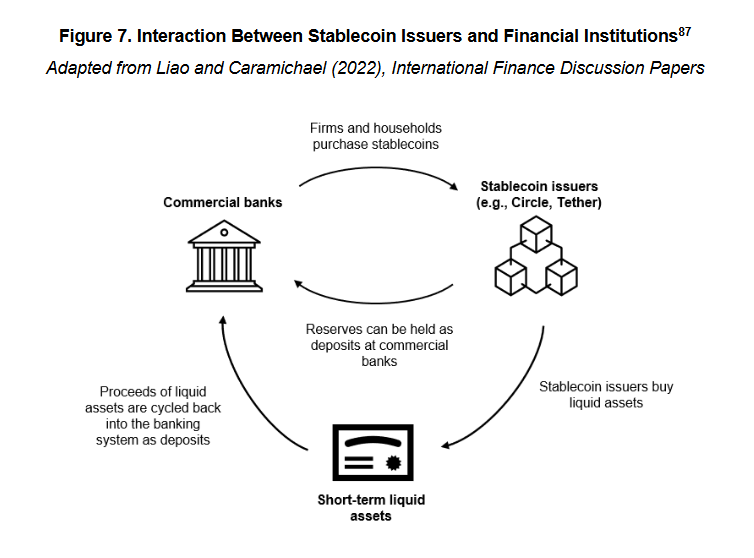
- Примечание Odaily: Здесь не рассматриваются стейблкоины с другими механизмами, такими как обеспечение криптоактивами, хеджирование, алгоритмические и т.д. Во-первых, потому что доля таких стейблкоинов и так мала; во-вторых, потому что эти стейблкоины не относятся к обсуждаемому контексту регулирования合规ных стейблкоинов в американской системе — закон GENIUS прошлого года четко определил требования к резервам для合规ных стейблкоинов: резервные активы ограничены наличными, краткосрочными казначейскими облигациями или депозитами центрального банка, и должны быть изолированы от операционных средств.
Таким образом, реальность такова: стейблкоины не вызывают оттока банковских депозитов, потому что средства в конечном итоге всегда возвращаются в банки и могут использоваться для кредитного посредничества. Это зависит от бизнес-модели стейблкоинов и не связано с тем, приносят ли они доход.
Настоящая ключевая проблема заключается в изменении структуры депозитов после возврата средств.
Денежное дерево американских гигантов
Прежде чем анализировать это изменение, нам нужно кратко объяснить, как крупные американские банки зарабатывают на процентах.
Генеральный партнер Van Buren Capital Скотт Джонсон сослался на статью Калифорнийского университета в Лос-Анджелесе, в которой говорится, что после финансового кризиса 2008 года, подорвал доверие к банковскому сектору, коммерческие банки США в сфере привлечения депозитов разделились на два截然 разных типа — банки с высокими процентными ставками и банки с низкими процентными ставками.
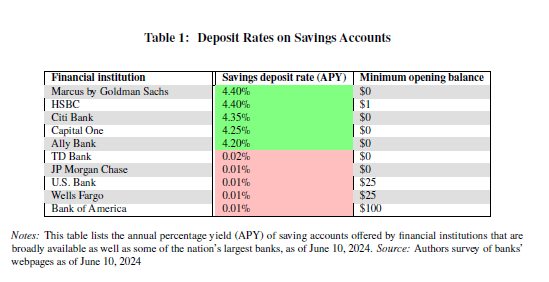
Банки с высокими и низкими ставками — это не официальная классификация в regulatory смысле, а общепринятые названия в рыночном контексте — внешне это проявляется в том, что разница в депозитных процентах между банками с высокими и низкими ставками достигла более 350 базисных пунктов (3,5%).
Почему при одинаковом депозите возникает такая заметная разница в процентах? Причина в том, что банки с высокими ставками в основном являются цифровыми банками или банками с структурой, ориентированной на управление благосостоянием, операции на рынке капитала (например, Capital One), они полагаются на высокие проценты для привлечения депозитов для поддержки своих кредитных или инвестиционных операций; напротив, банки с низкими ставками — это в основном Bank of America, Chase, Wells Fargo и другие национальные крупные коммерческие банки, которые фактически определяют политику в банковском секторе, они обладают огромной клиентской базой физических лиц и платежными сетями, могут использовать клиентскую лояльность, эффект бренда и удобство отделений для поддержания чрезвычайно низкой стоимости депозитов, им не нужно бороться за депозиты с помощью высоких процентов.
С точки зрения структуры депозитов, банки с высокими ставками обычно имеют в основном нетранзакционные депозиты, то есть депозиты, используемые primarily для сбережений или получения процентного дохода — такие средства более чувствительны к процентным ставкам и обходятся банку дороже; банки с низкими ставками обычно имеют в основном транзакционные депозиты, то есть депозиты, используемые primarily для платежей, переводов, расчетов — особенность таких средств в высокой ликвидности, частом обороте, очень низких процентах, это самые ценные обязательства для банка.
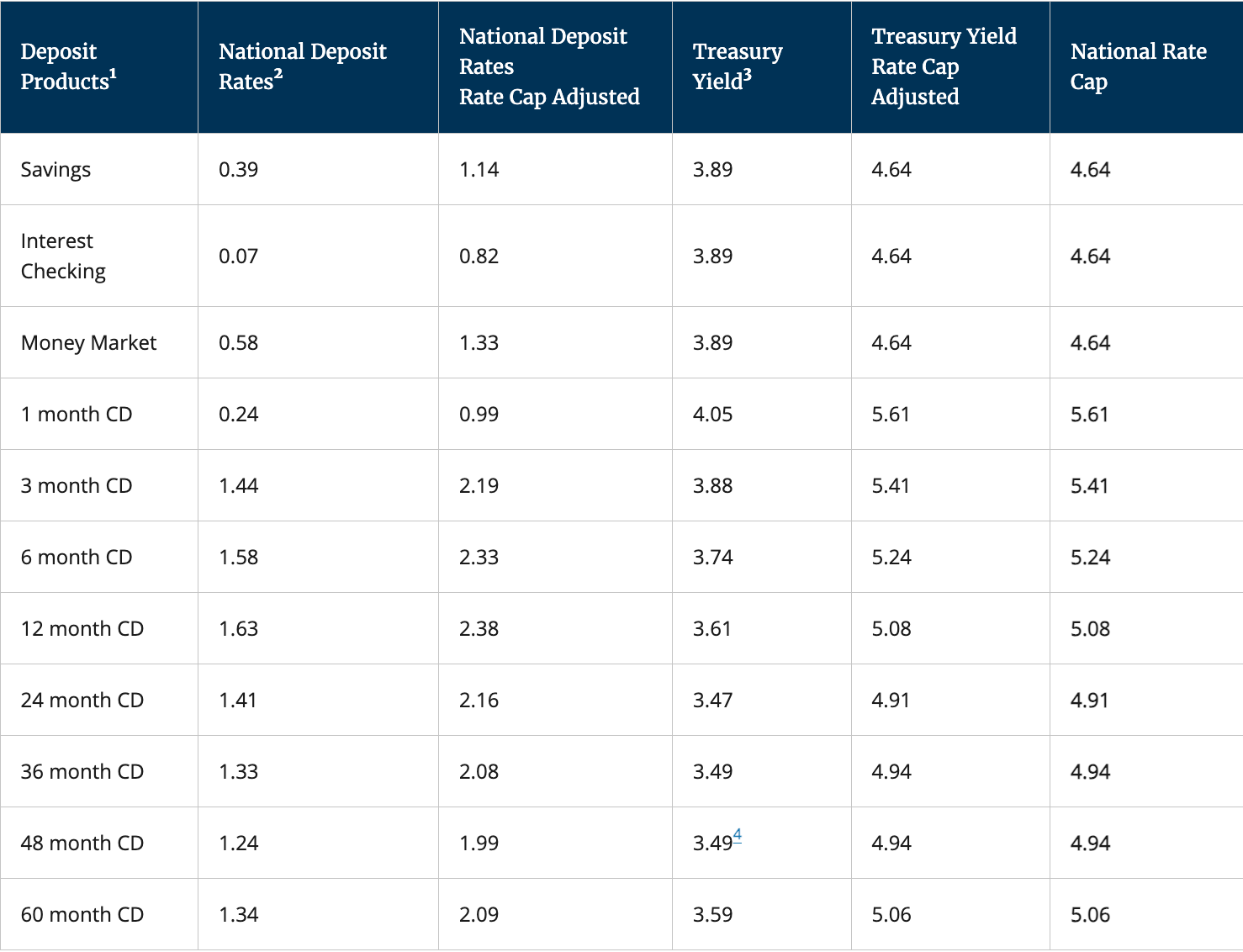
Последние данные Федеральной корпорации по страхованию депозитов (FDIC) показывают, что по состоянию на середину декабря 2025 года средняя годовая процентная ставка по сберегательным счетам в США составляла всего 0,39%.
Обратите внимание, это данные уже с учетом влияния банков с высокими ставками. Поскольку основные американские банки работают по модели низких ставок, фактически выплачиваемые ими вкладчикам проценты еще значительно ниже этого уровня — Основатель и генеральный директор Galaxy Майк Новограц в интервью CNBC прямо заявил, что крупные банки выплачивают вкладчикам проценты, практически равные нулю (примерно 1–11 базисных пунктов), в то время как базовая ставка ФРС в тот же период составляла от 3,50% до 3,75%, и этот спред приносил банкам огромную прибыль.
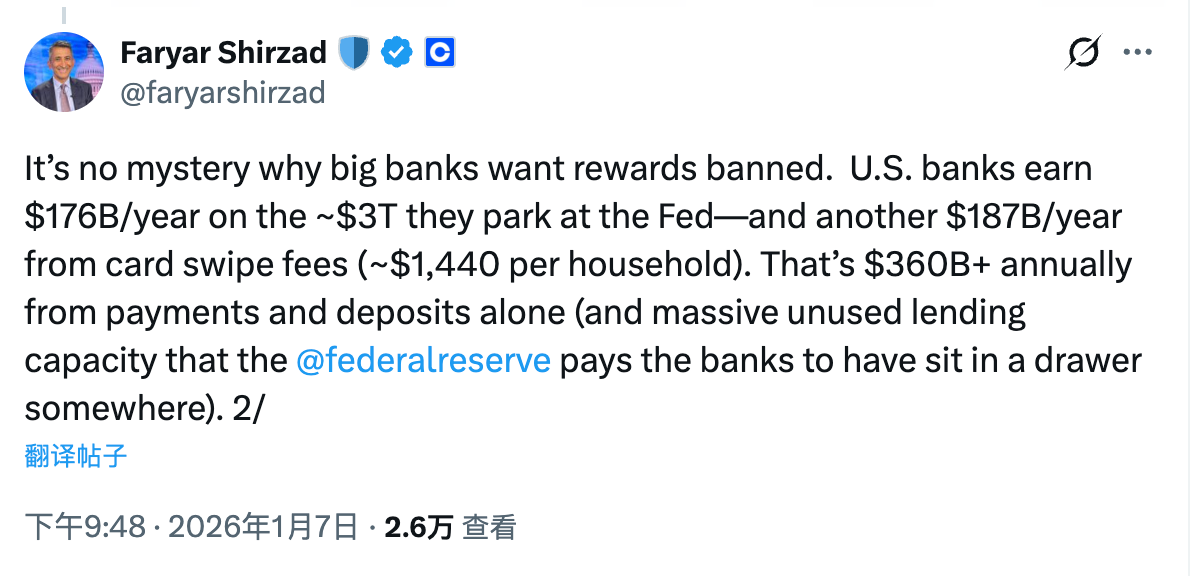
Главный compliance-офицер Coinbase Фарьяр Ширзад подсчитал еще более четкую цифру — американские банки ежегодно получают прибыль в размере 176 миллиардов долларов от примерно 3 триллионов долларов средств, размещенных в ФРС, кроме того, они ежегодно получают 187 миллиардов долларов прибыли от комиссий за транзакции вкладчиков. Только на спреде депозитных процентов и платежных операциях ежегодно приносится более 360 миллиардов долларов дохода.
Настоящее изменение: структура депозитов и распределение прибыли
Вернемся к теме. Какие изменения система стейблкоинов внесет в структуру банковских депозитов? И как стейблкоины с доходностью будут способствовать этой тенденции? Логика на самом деле очень проста. Каковы сценарии использования стейблкоинов? Ответ — платежи, переводы, расчеты... и т.д., это ведь очень знакомо!
Как упоминалось ранее, эти функции являются основным назначением транзакционных депозитов, и это既是 основной тип депозитов для крупных банков, так и самые ценные обязательства банка. Таким образом, настоящее беспокойство банковского сектора относительно стейблкоинов заключается в том, что стейблкоины как новое платежное средство напрямую конкурируют с транзакционными депозитами по сценариям использования.
Если бы стейблкоины не имели функции получения дохода, это было бы еще куда ни шло, учитывая существующий порог входа и мизерное преимущество банковских депозитов в виде процентов (малая蚊子腿, но все же мясо), вероятность того, что стейблкоины станут реальной угрозой на этом ключевом направлении крупных банков, не очень велика. Но как только стейблкоинам придается возможность приносить доход, под воздействием спреда процентов все больше средств может переходить из транзакционных депозитов в стейблкоины. Хотя эти средства в конечном итоге все равно вернутся в банковскую систему, эмитенты стейблкоинов, исходя из соображений прибыли,必然 будут размещать大部分 резервных средств в нетранзакционные депозиты, оставляя лишь определенную долю денежных резервов для应对日常 выкупа. Это и есть所谓的изменение структуры депозитов — средства хотя и остаются в банковской системе, но затраты банков значительно возрастут (спред процентов сжимается),同时 доходы от комиссий за транзакции также значительно сократятся.
На этом этапе суть проблемы стала совершенно ясна. Причина, по которой банковский сектор яростно выступает против стейблкоинов с доходностью, никогда не заключалась в «том, уменьшится ли общий объем депозитов в банковской системе», а в возможном изменении структуры депозитов и связанной с этим проблеме перераспределения прибыли.
В эпоху без стейблкоинов, и особенно без стейблкоинов с доходностью, крупные американские коммерческие банки прочно контролировали этот источник финансирования транзакционных депозитов с «нулевой甚至 отрицательной стоимостью». Они могли зарабатывать безрисковый доход на спреде между депозитной ставкой и базовой ставкой, а также постоянно взимать комиссии за базовые финансовые услуги, такие как платежи, расчеты, клиринг, создавая thus чрезвычайно прочный闭环, в котором几乎 не нужно делиться прибылью с вкладчиками.
Появление стейблкоинов по сути разбирает этот闭环. С одной стороны, стейблкоины на функциональном уровне高度 соответствуют транзакционным депозитам, покрывая ключевые сценарии, такие как платежи, переводы, расчеты; с другой стороны, стейблкоины с доходностью further вводят переменную дохода,使得原本对利率并不敏感的交易型资金开始具备了重新定价的可能。
В этом процессе средства не покинут банковскую систему, но банки могут потерять контроль над прибылью от этой части средств —原本几乎零成本的负债被迫转化为需要支付рыночной доходности负债;原本由银行独占的支付手续费也开始被эмитенты стейблкоинов, кошельки, протоколы分流。
Вот это изменение банковский сектор действительно не может принять. Поняв это, нетрудно понять, почему стейблкоины с доходностью стали самым острым и最难妥协ным спорным вопросом в процессе прохождения CLARITY.






