# Сопутствующие статьи по теме USDC

Новостной центр HTX предлагает последние статьи и углубленный анализ по "USDC", охватывающие рыночные тренды, новости проектов, развитие технологий и политику регулирования в криптоиндустрии.

The United States Will Not Reject Stablecoins

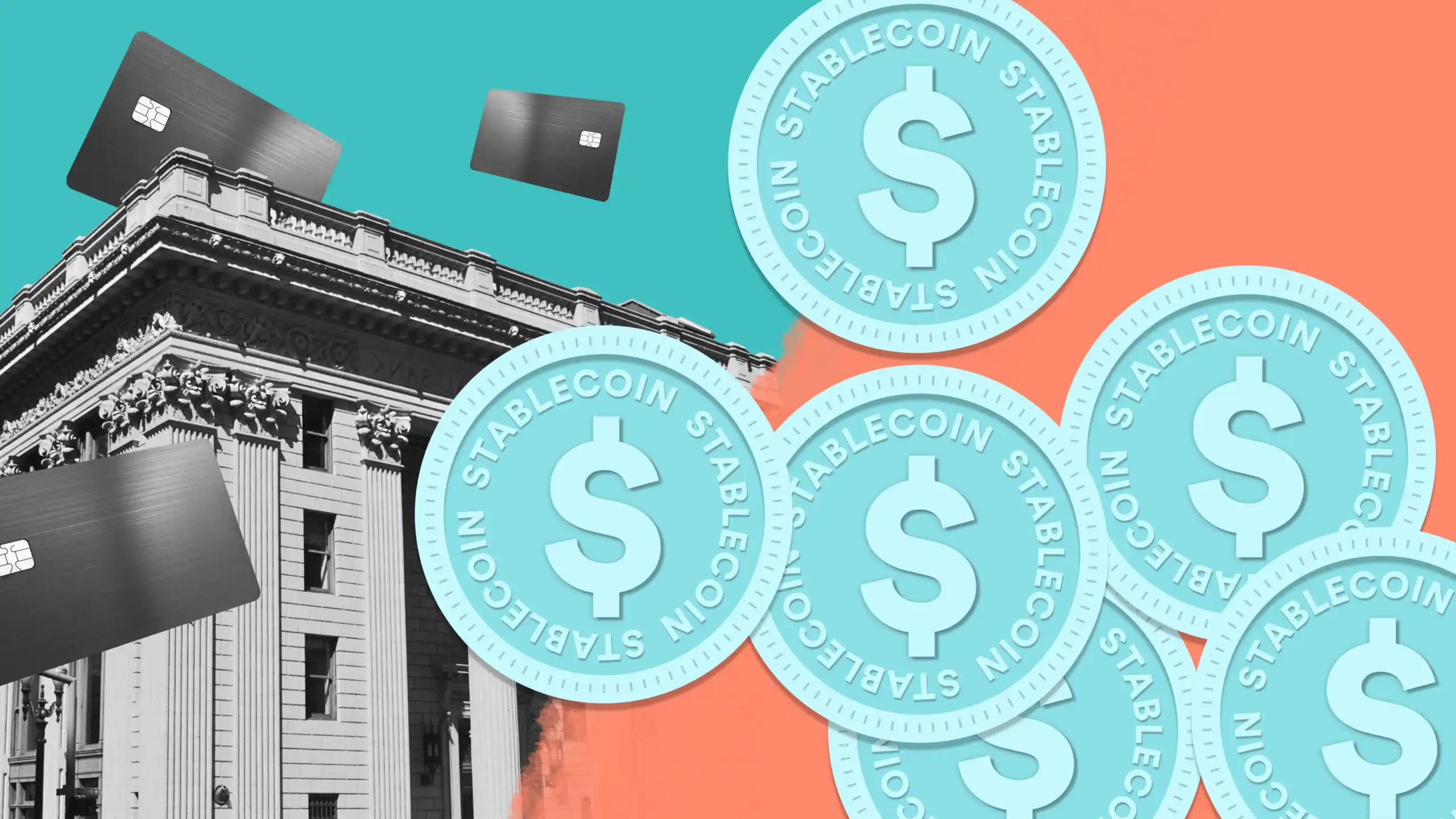
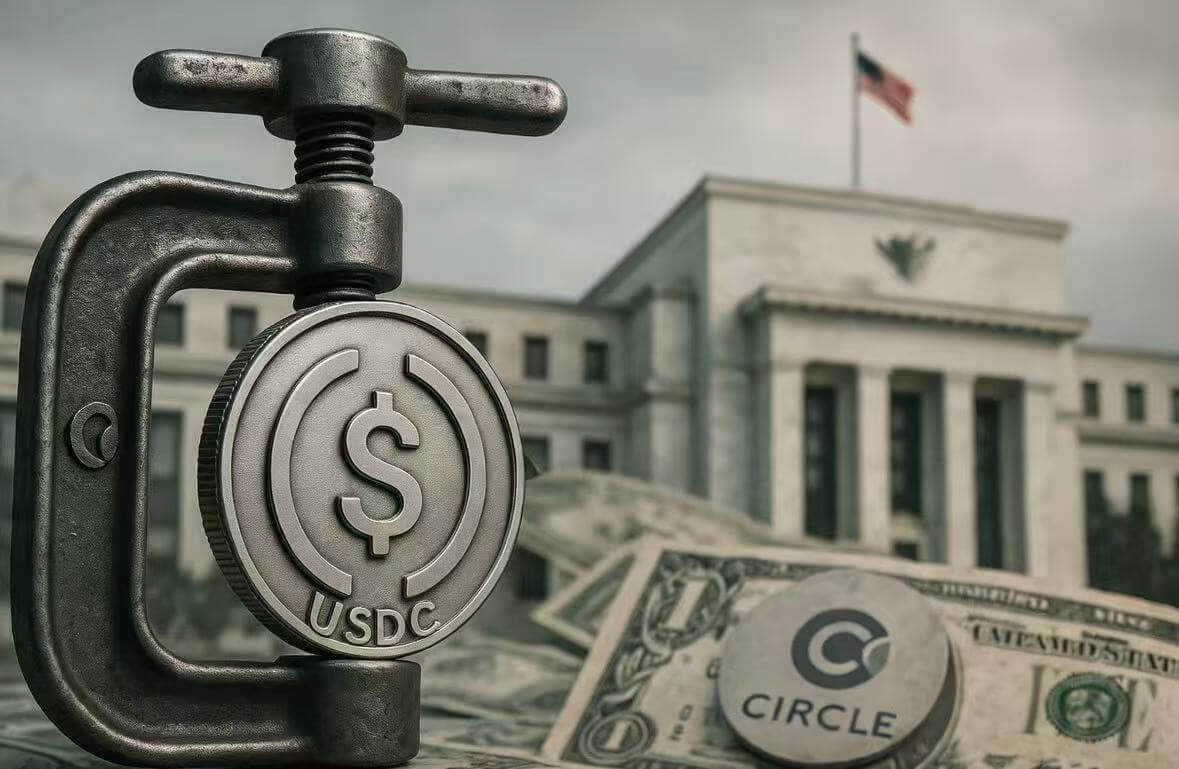
The article argues that the U.S. has no fundamental reason to reject stablecoins, despite regulatory friction. The debate centers on the "passive yield" mechanism, with traditional banks fearing massive deposit outflows—potentially up to $6 trillion—from community banks into yield-bearing stablecoins like USDC, which could raise lending costs. Coinbase counters that yield is a tool for user benefit and efficiency, helping users escape near-zero bank interest rates. Stablecoin issuers like Tether and Circle have become significant buyers of U.S. Treasury bonds, holding $1700 billion in Treasuries and accounting for a small but growing share of the money supply. With foreign demand for U.S. debt declining, stablecoins help sustain Treasury markets. The piece traces the rapid evolution of on-chain yield mechanisms, from Ethena’s USDe—which surged then contracted after deleveraging events—to more mature vault-based models like those on Morpho. While on-chain yield products have advanced, real-world adoption in payments remains limited. The solution proposed is integrating yield into payment systems, making yield a default feature during transactions—not just when holding or idling—thus benefiting users, merchants, and platforms. Examples like Airwallex’s yield products and travel platform partnerships show the potential. The conclusion is that stablecoins must expand utility and user base to succeed, with the next challenge being the governance of yield vaults to prevent systemic risks.

marsbit01/19 03:37

The United States Will Not Reject Stablecoins

marsbit01/19 03:37

BlackRock and Visa's Big Bet on Stablecoins: What Do the Smart Money See?

The stablecoin market reached a historic high of $317 billion in January 2026, but the real story lies in the strategic moves by major financial institutions. BlackRock launched BUIDL, a tokenized money market fund on a public blockchain, surpassing $2 billion by late 2025, highlighting the drive for efficiency, lower costs, and broader accessibility. USDC, growing 73% in 2025, outpaced USDT’s 36% growth, driven by regulatory clarity from the U.S. GENIUS Act and EU’s MiCA compliance, making it the preferred choice for regulated entities like Visa, which integrated USDC for settlements. Visa’s adoption reflects a defensive strategy against stablecoins disrupting cross-border payments, with stablecoin transaction volumes reaching $46 trillion in 2025. Other payment giants, including Stripe and PayPal, are also aggressively entering the space. Meanwhile, banks like JPMorgan are leveraging blockchain for internal efficiency, processing over $3 billion daily via its JPM Coin system. Key trends include the rapid growth of real-world asset (RWA) tokenization, a clear regulatory path favoring compliant stablecoins, the restructuring of payment infrastructure, and market bifurcation into payment-focused (e.g., USDC) and yield-bearing stablecoins (e.g., Ondo’s USDY). This shift marks stablecoins' evolution from a crypto niche to a foundational component of the global financial system.

marsbit01/13 14:00

BlackRock and Visa's Big Bet on Stablecoins: What Do the Smart Money See?

marsbit01/13 14:00

活动图片