Автор: Prathik Desai
Оригинальное название: Circle Draws an Arc, Can it address the rate-cut problem?
Компиляция и редактирование: BitpushNews
Наступил 2026 год. Когда мы совершаем видеозвонки с людьми по всему миру, задержка связи составляет не более одной-двух секунд, а предельные издержки практически равны нулю. Однако, когда дело доходит до перевода средств между институтами, странами или системами, мы по-прежнему сталкиваемся с дедлайнами, завышенными комиссиями и зависимостью от расчетных окон, закрывающихся на выходных.
Криптовалюты обещали решить эту проблему через стейблкоины, которые существуют уже более десяти лет. Тем не менее, несмотря на значительную и измеримую экономию, которую могут обеспечить стейблкоины, предприятия и коммерческие организации до сих пор не полностью приняли их для перевода средств.
Мы уже обсуждали эту проблему, а также то, как присущие публичным блокчейнам проблемы конфиденциальности здесь становятся препятствием. Мы также выделили инфраструктуру конфиденциальности как главную тему в криптовалютной сфере, за которой стоит следить в 2026 году.
Эмитент стейблкоинов Circle воспользовался этой возможностью, представив свой блокчейн первого уровня Arc, чтобы удовлетворить потребности отрасли в конфиденциальности и инфраструктуре стейблкоинов.
В этом глубинном анализе я объясню, почему Circle сейчас строит блокчейн L1, с какими наибольшими вызовами он сталкивается и как этот шаг может изменить экосистему стейблкоинов.
История начинается...
Почему именно сейчас запускается блокчейн L1?
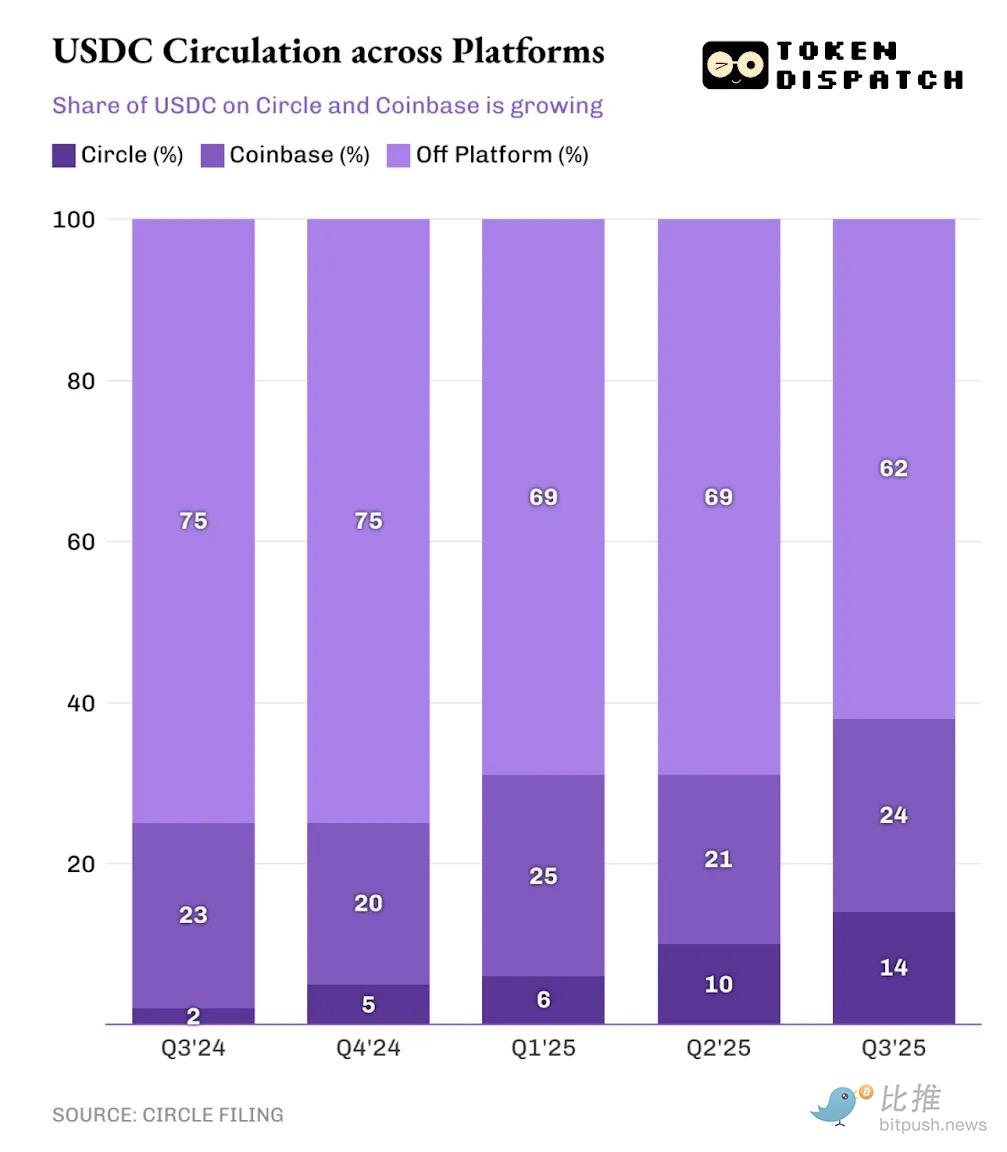
В настоящее время бизнес по выпуску стейблкоинов полностью движется доходами от процентов и сильно зависит от каналов дистрибуции. С момента листинга в июне прошлого года это стало еще яснее благодаря публичным отчетам эмитента USDC.
Я упоминал об этом в прошлом году:
> В третьем квартале, несмотря на то, что объем обращения USDC вырос более чем на 100% в годовом исчислении, доходы от резервов выросли лишь на 66%, достигнув 711 миллионов долларов. Остальная часть была нивелирована снижением процентных ставок ФРС. Средняя доходность упала на 96 базисных пунктов, что привело к сокращению доходов Circle от резервов на 122 миллиона долларов.
> В третьем квартале на каждый 1 доллар дохода от резервов, заработанный Circle, приходилось тратить более 60 центов на дистрибуцию и операционные издержки, включая интеграцию кошельков, листинг на биржах, программы поощрения и разделение доходов.
Федеральная резервная система США начала снижать процентные ставки. В декабре 2025 года она снизила эффективную ставку на 25 базисных пунктов до 3,50%–3,75%. Центральный банк также объявил о прекращении политики количественного ужесточения с 1 декабря.
В последнее время экономика США также посылала политикам сигналы о том, что пора смягчить позицию в ответ на неудовлетворительные данные.
Индекс менеджеров по закупкам (PMI) в обрабатывающей промышленности США от ISM за декабрь 2025 года составил 47,9 (значение ниже 50 указывает на сжатие), что стало 10-м месяцем подряд сокращения. Отчет о занятости за декабрь будет опубликован сегодня позже, но данные за последние месяцы были невыразительными.
Когда вы складываете все это вместе, становится понятно, почему Circle отчаянно переходит к новой бизнес-модели.
Эмитент хочет уменьшить зависимость от снижения краткосрочных и среднесрочных ставок, одновременно создавая второй двигатель, который может опираться на более широкие и диверсифицированные каналы дистрибуции.
Трансформация Arc
Arc — это то, на что рассчитывает Circle для трансформации.
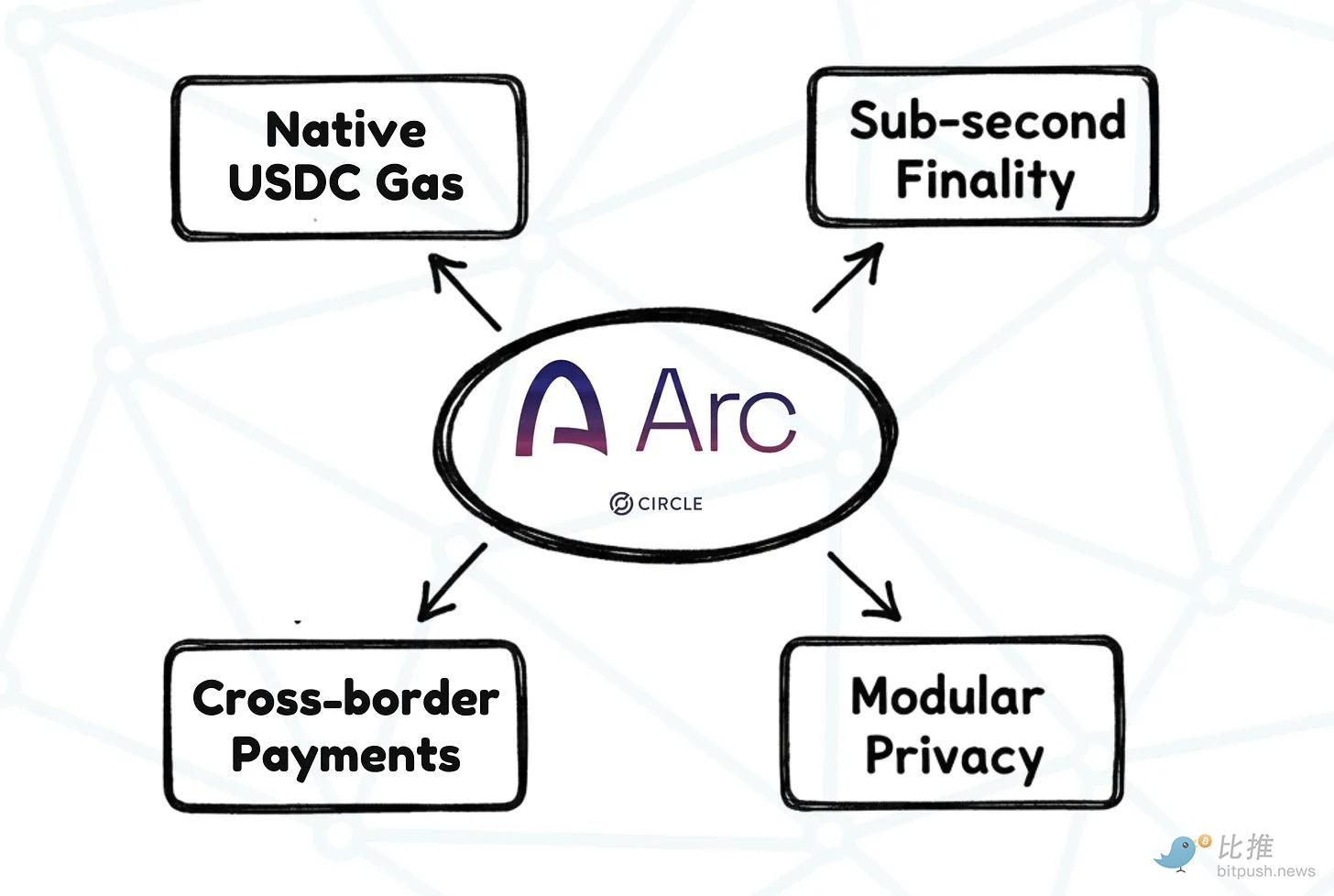
Circle построила Arc как открытый блокчейн первого уровня, предназначенный для трансграничных платежей между предприятиями через стейблкоины. Он также aims to обеспечить подтверждение операций за доли секунды (скорость окончательного подтверждения транзакций) и настраиваемые опции конфиденциальности, позволяя скрывать конфиденциальные платежные данные предприятий с помощью опционально включаемых функций приватности.
Переходя от эмитента стейблкоинов к оператору стека расчетов по стейблкоинам, Circle aims to выстроить свою бизнес-модель так, чтобы деньги двигались так, как это важно для бизнеса.
На этапе тестовой сети Circle's Arc уже установила партнерские отношения с более чем 100 компаниями, включая гигантов традиционных финансов и технологий, таких как BlackRock, AWS, HSBC, Standard Chartered и Visa.
Хотя Arc все еще находится на стадии тестнета и перед успехом столкнется с рядом вызовов (я расскажу об этом позже), учитывая время его запуска и проблему, которую он aims to решить, я нахожу этот шаг интересным.
Во-первых, сбор комиссий за газ (сетевых сборов) в нативной валюте. Концепция дизайна Arc предполагает взимание низких, предсказуемых и номинированных в долларах комиссий за транзакции в USDC. Это устраняет необходимость для финансовых отделов предприятий держать ETH, SOL или любые другие криптовалюты исключительно для оплаты комиссий за транзакции.
Во-вторых, Arc обеспечивает подтверждение за доли секунды и круглосуточное расчетное окно 24/7. Финансовые директора могут не заботиться о сокращении нескольких миллисекунд, как трейдеры, но они будут терять сон, если их платеж не будет проведен после нажатия кнопки «отправить» из-за выходных или цепочки跨境 посредников.
В-третьих, и, возможно, самое главное, Arc обеспечивает настраиваемую конфиденциальность. Явно предлагая опционные функции конфиденциальности, он bridges the gap между встроенной прозрачностью публичных блокчейнов и потребностью предприятий в обеспечении конфиденциальности sensitive информации, такой как B2B-счета поставщиков, переводы средств и расчет заработной платы.
Самое интересное, что все эти функции не требуют от заинтересованных сторон принятия криптовалютной идеологии. Вместо этого Arc удаляет крипто-характеристики, которые не нравятся businesses, такие как абсолютная прозрачность, волатильность комиссий и неопределенность расчетов, позволяя блокчейну использоваться в mainstream бизнесе.
Но разве Circle не может построить эти функции на существующих цепочках? Зачем создавать собственный блокчейн?
Circle всегда «арендовала площадку». На чужой цепи Circle была бы вынуждена унаследовать их fee token, сталкиваться с перегрузками в борьбе за сетевые ресурсы с другими участниками, следовать их правилам управления и подвергаться риску их сетевых сбоев. Она также потеряла бы целый поток доходов из-за невозможности взимать плату в USDC. Circle уже платит дистрибуционные издержки за расширение охвата USDC на других платформах. Запуская собственную цепь, она hopes to владеть «площадкой» и зарабатывать «арендную плату», предоставляя «пространство» всем, кто использует ее инфраструктуру.
Однако это не легкая победа. У Circle нет недостатка в конкурентах, которые следят за ней.
На стороне эмитентов, Tether остается самой большой угрозой, обладая самой высокой ликвидностью в мире. Он также запустил регуляторно-дружественный стейблкоин USAT, чтобы укрепить свое присутствие на американском рынке.
Помимо эмитентов, такие игроки, как Stripe, также представляют угрозу, создавая нечто подобное тому, что Circle делает через Arc.
В сентябре 2025 года Stripe и Paradigm анонсировали Tempo, блокчейн, ориентированный на платежи и построенный вокруг стейблкоинов. Архитектура Tempo позволяет использовать любой стейблкоин для оплаты комиссии за газ и同样 aims to обеспечить подтверждение за доли секунды.
Помимо внешних угроз, с самим Arc также может многое пойти не так.
Он может столкнуться с трудностями при запуске в привлечении ликвидности и разработчиков. Предприятия не выберут Arc от Circle только потому, что он выглядит лучше на бумаге. Многие предприятия уже используют традиционные платежные платформы, такие как PayPal, и будут склоняться к использованию платформ, которые уже имеют контрагентов и интегрированные сервисы.
«Настраиваемая конфиденциальность» Arc будет спорной темой. Опционные функции дают businesses то, что они хотят, но это также привлечет пристальное внимание регуляторов. Arc должен будет доказать рынку, что приватность здесь означает «коммерческую конфиденциальность с возможностью аудита», а не просто слепое пятно, которое может создать новые уязвимости.
Несмотря на эти препятствия, я настроен оптимистично в отношении шансов Circle по двум причинам.
Первая — это его каналы дистрибуции и репутация. Circle не нужно доказывать рынку, что USDC — это настоящий долларовый токен. Он уже встроен в бесчисленные биржи, кошельки, финтех-процессы и все чаще проникает в институциональные管道. Теперь Circle — публичная компания, и ее инициативы выглядят иначе, чем у любой другой криптокомпании. Ее публичная репутация придает достоверность выпускаемым продуктам. Это также заставляет Circle строить Arc таким образом, чтобы это можно было объяснить командам по compliance и финансам в совете директоров.
Вторая — это платежная сеть Circle. В сочетании с Arc она может создать сеть институтов и платежных каналов, осуществляющих transactions в реальном мире в рамках compliance.
Arc все еще может потерпеть неудачу. Но есть ли у него другой выбор? С наступлением эры снижения ставок и высокой вероятностью дальнейших снижений в новом году, для эмитента, сталкивающегося с острой конкуренцией, это единственный разумный выбор.
Twitter:https://twitter.com/BitpushNewsCN
Группа общения比推 TG:https://t.me/BitPushCommunity
Подписка比推 TG: https://t.me/bitpush