# Сопутствующие статьи по теме Tech

Новостной центр HTX предлагает последние статьи и углубленный анализ по "Tech", охватывающие рыночные тренды, новости проектов, развитие технологий и политику регулирования в криптоиндустрии.

From Campus to Capital: BUPT Senior Secures 30 Million Investment in 10 Days

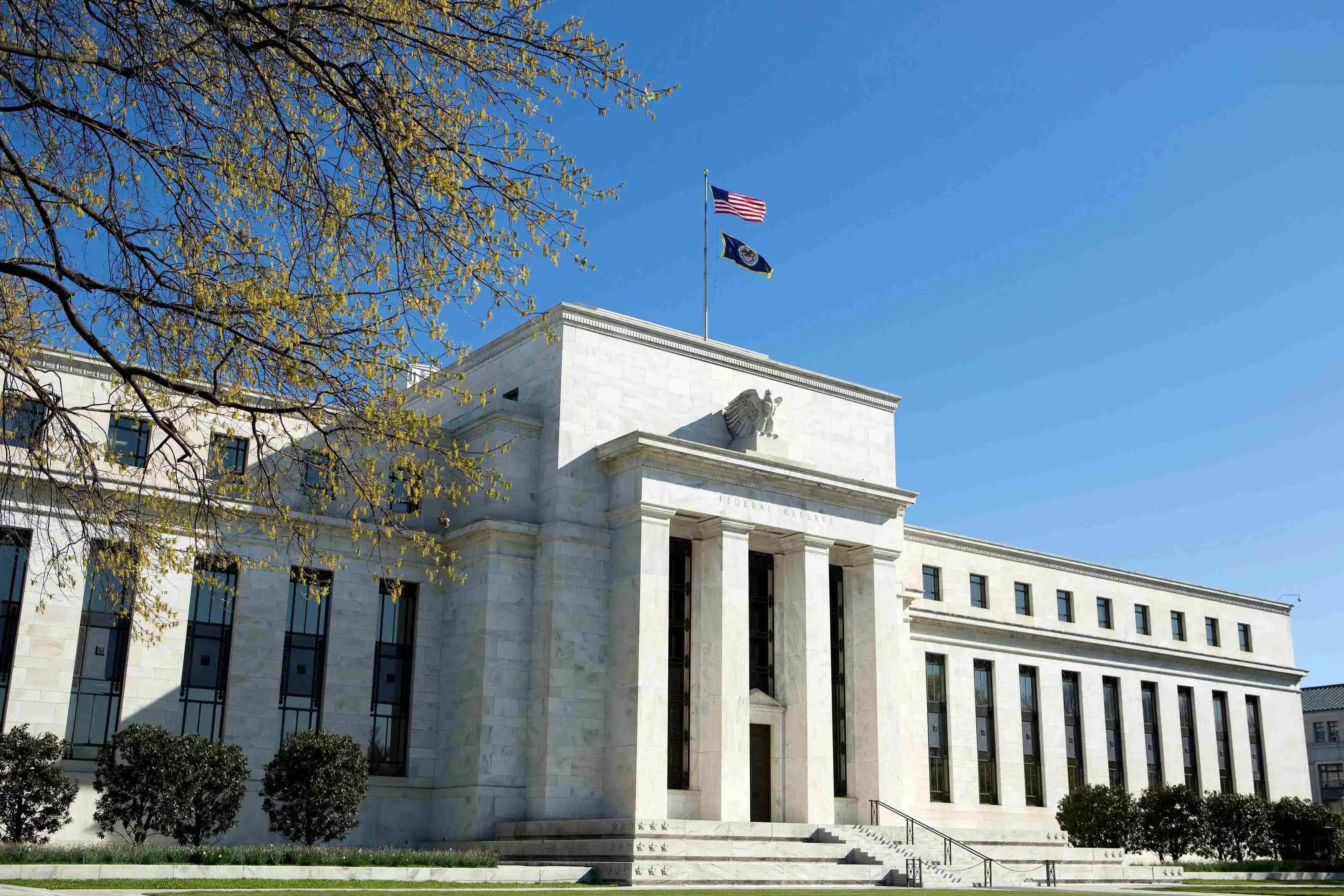
Based on the provided text, here is the English summary: Guo Hangjiang, a 20-year-old senior student at Beijing University of Posts and Telecommunications, developed an AI engine called MiroFish in just 10 days. The project, which generates thousands of unique digital agents with distinct personalities, memories, and behaviors to simulate and predict outcomes in virtual worlds, quickly gained massive attention. It topped GitHub's global trending chart, amassing over 22,000 stars. His work caught the eye of Chinese billionaire Chen Tianqiao, former founder of Shanda Group and an advocate of the "super individual" theory. Impressed by a simple demo video, Chen committed 30 million RMB (approximately $4.1 million USD) to incubate the project, transforming Guo from an intern into a CEO overnight. MiroFish's core functionality involves processing a document (e.g., news, policy draft, novel) to extract entities and relationships into a knowledge graph using GraphRAG. It then spawns autonomous AI agents that can form groups, develop opinions, and exhibit herd mentality. A key feature is the "God's Perspective," allowing users to inject new variables (e.g., "Fed cuts rates by 50 basis points") and observe the simulated world recalibrate in real-time, enabling controlled experiments impossible in reality. The open-source framework, released under AGPL-3.0, utilizes the OASIS simulation engine, Zep Cloud for long-term memory, and is deployable via Docker. Demonstrated use cases include predicting the lost ending of the classic novel "Dream of the Red Chamber" and simulating market reactions to a Federal Reserve interest rate hike. The article notes that while MiroFish is a sophisticated multi-agent framework capable of revealing unforeseen scenarios, it has not published benchmark tests against real-world outcomes, inherits potential biases, and its simulated humans are not real. Chen Tianqio's investment is ultimately a bet on the emerging era of the "super individual."

比推03/16 06:45

From Campus to Capital: BUPT Senior Secures 30 Million Investment in 10 Days

比推03/16 06:45

February 28 Market Summary: Inflation Nightmare Returns, Defensive Sectors Soar, Tech Stocks Crushed

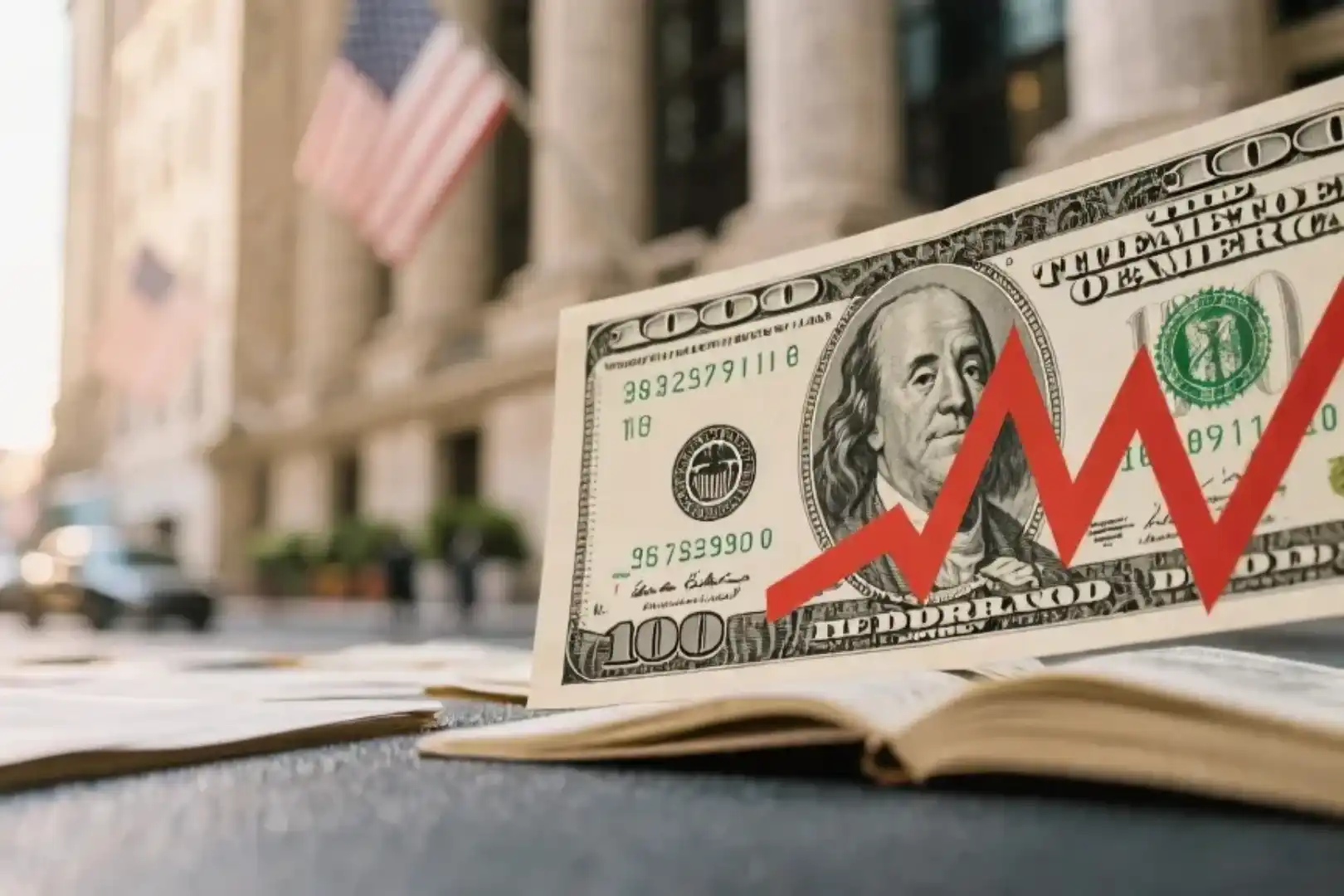
February 28 Market Summary: Inflation Fears Return, Defensive Sectors Soar, Tech Stocks Tumble A hotter-than-expected Producer Price Index (PPI) report shattered market optimism, with core PPI surging 0.8% month-over-month, 2.7 times higher than forecasts. This triggered a significant sell-off, causing the Nasdaq to post its worst monthly performance since last March, down over 3%. Market dynamics shifted dramatically, showcasing a major rotation. Defensive sectors led gains: Utilities had their best month since 2003, while Energy continues to lead year-to-date. In contrast, tech-heavy sectors and the "Magnificent Seven" stocks mostly fell. The iShares Tech Software ETF plummeted nearly 10% for the month. Amid the downturn, Dell emerged as a standout, its stock soaring 22% after reporting staggering AI server orders and a record $43 billion backlog, providing tangible proof of robust AI infrastructure demand. The crypto market mirrored the risk-off sentiment, with Bitcoin falling below $66,000 and Ethereum losing the $2,000 level. Conversely, safe-haven assets rallied; gold approached its all-time high and silver surged 19% for the month. The core question unsettling markets is whether stubborn inflation is a temporary setback or a sign of its return, potentially forcing the Fed to delay rate cuts or even consider hiking again. This uncertainty threatens highly valued tech stocks and leveraged assets, as the market moves from narrative-driven growth to a focus on profitability and tangible returns.

marsbit02/28 01:43

February 28 Market Summary: Inflation Nightmare Returns, Defensive Sectors Soar, Tech Stocks Crushed

marsbit02/28 01:43

Former Twitter Co-founder's Sincere Layoff Letter: AI Can Do Your Job, You Can Go Now

Block, the financial technology company led by Twitter co-founder Jack Dorsey, saw its stock surge 25% after announcing plans to lay off nearly half its workforce—cutting 10,000 employees down to 6,000. The move added approximately $3 billion in market value, equating to about $750,000 per terminated employee. Dorsey attributed the cuts directly to AI, stating that “intelligence tools” enable smaller teams to achieve more with greater efficiency. He emphasized that the decision was intentional and immediate, avoiding prolonged uncertainty. Unlike typical corporate messaging that obscures layoffs with strategic jargon, Dorsey was explicit: AI can now do many jobs better and cheaper. The company had expanded rapidly during the pandemic, tripling in size since 2019. Now, much of that growth is being reversed under the banner of AI-driven efficiency. Dorsey’s approach mirrors actions taken by Elon Musk at Twitter (now X), but with a key difference: Block paired the layoffs with strong financial results and a clear AI transformation narrative, which investors rewarded. Internally, the transition has been turbulent. Employees were recently mandated to use AI tools and required to email Dorsey weekly summaries of their contributions—summaries he processed using AI. Many expressed low morale and job insecurity. Despite offering relatively generous severance, Dorsey’s blunt honesty underscores a harsh new truth: proficiency in AI or proving one’s value may not guarantee job security if companies prioritize cost-cutting through automation. Dorsey predicts most companies will follow suit within a year. For workers, the message is clear: as AI reshapes work, relying solely on a single employer carries increasing risk.

marsbit02/27 03:15

Former Twitter Co-founder's Sincere Layoff Letter: AI Can Do Your Job, You Can Go Now

marsbit02/27 03:15

活动图片