Автор: Кури, Shenchao TechFlow
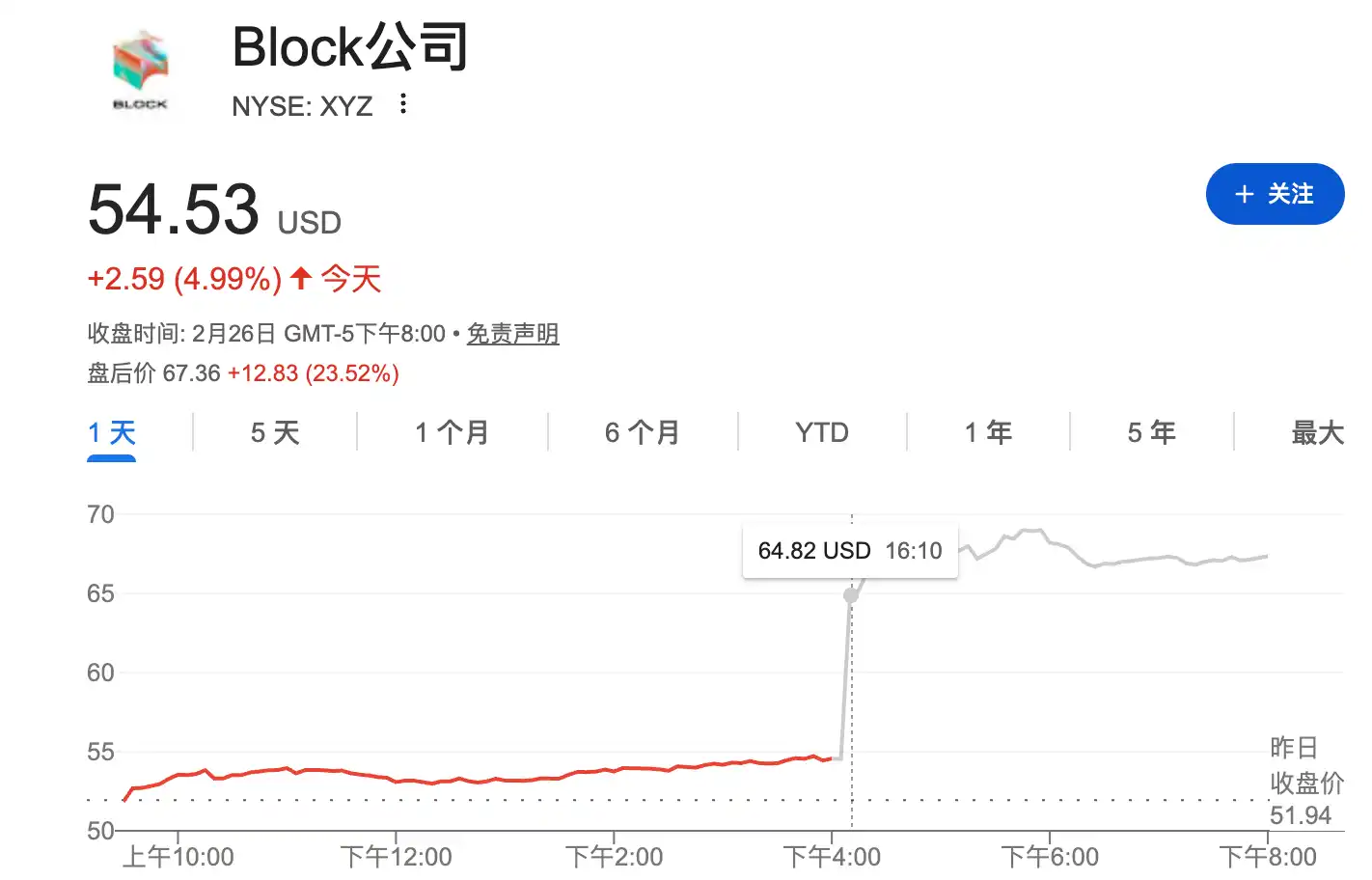
После закрытия торгов на американском фондовом рынке вчера вечером акции компании под названием Block взлетели на 25%.
Не из-за выпуска нового продукта, не из-за привлечения крупного клиента. А потому, что генеральный директор объявил об увольнении почти половины сотрудников.
С более чем 10 000 человек сократили до менее чем 6000. Ушли более 4000 человек.
Как только новость вышла, инвесторы проголосовали деньгами. Цена закрытия составляла 54 доллара, после часов она сразу подскочила до 67. За одну ночь рыночная капитализация Block выросла почти на 3 миллиарда долларов.
Уволить 4000 человек в обмен на 3 миллиарда долларов рыночной капитализации.
Если посчитать, то каждый уволенный человек стоит 750 000 долларов.
Название Block многие могут не знать, но его продукт вы, скорее всего, видели.
Square, тот белый квадратный считыватель карт на американских улицах, который используют мелкие торговцы для приема платежей. Cash App, который используют американские молодые люди для переводов, что-то вроде американской версии Alipay.
Выручка компании за весь 2025 год составила 24,2 миллиарда долларов, валовая прибыль превысила 10 миллиардов, это гигант финтеха, котирующийся на Nasdaq.
Его генерального директора зовут Джек Дорси. Возможно, вы тоже не слышали это имя, но другое его дело вы точно знаете — он сооснователь Twitter. Основал Twitter в 2006 году, дважды был CEO, ушел в отставку в 2021 году.
Год спустя его друг Маск купил Twitter и переименовал его в X.
Сейчас Дорси все силы отдает Block. Он также ярый сторонник биткоина, на балансе Block есть биткоины, компания также инвестировала в майнинг биткоинов и инструменты самостоятельного хранения.
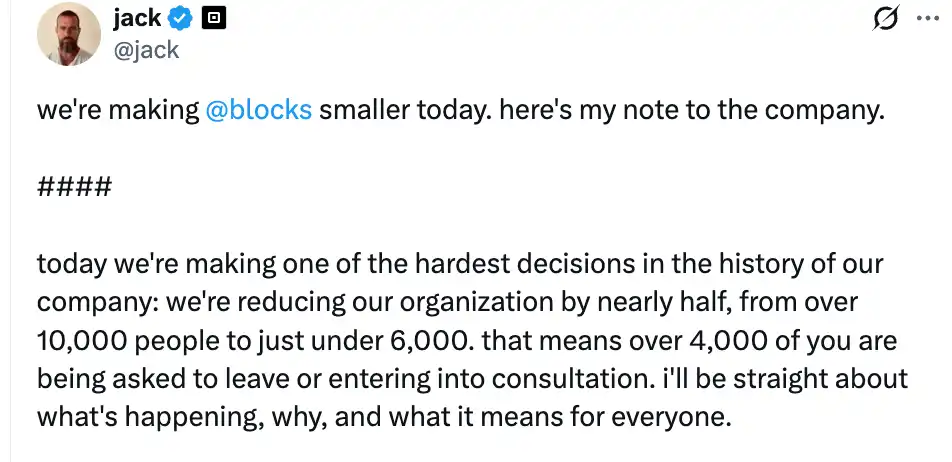
Сокращения такого рода, у большинства CEO риторика одинаковая.
Стратегическая корректировка, оптимизация организации, фокус на ключевых бизнесах. В переводе на человеческий язык это означает: вас уволили, но я не хочу говорить это слишком прямо.
Дорси так не поступил.
В письме акционерам он прямо написал: инструменты интеллекта (intelligence tools) изменили способ создания и управления компанией, меньшая команда, используя инструменты, которые мы создаем, может сделать больше, и сделать лучше. И возможности этих инструментов усиливаются каждую неделю.
Перевод: ИИ может делать вашу работу, и все лучше и лучше.
Он даже не использовал слово «ИИ», словно так звучит менее болезненно.
Однако, в X он добавил: он мог бы выбирать медленные сокращения, увольнять волнами в течение нескольких месяцев, растянуть на годы. Но он считает, что повторяющиеся сокращения разрушают моральный дух, лучше сделать все разом.
«Я предпочитаю сделать трудное, но ясное решение сейчас, чем медленно сокращать численность к тому же результату.»
Возможно, это первый CEO в ажиотаже вокруг ИИ, который не ищет никаких оправданий увольнениям. Не винит отраслевой цикл, не винит макросреду, не винит стратегические ошибки. Про直言不讳地说: инструменты стали лучше людей.
Трудно сказать, что он неискренен. Но такая искренность ранит больше, чем那些套话.
Мы также посмотрели изменение количества сотрудников в компании Block.
Открытые данные показывают, что на конец 2019 года в Block всего было 3835 человек. Затем пришла пандемия, взрыв онлайн-платежей, взрывной рост пользователей Cash App, компания начала бешено нанимать. К концу 2025 года — 10205 человек.
За шесть лет число утроилось.
Сейчас сокращают до 6000.
То есть те более шести тысяч человек, нанятые в период пандемии, поработали несколько лет и теперь统一归类为 «те, кого могут заменить intelligence tools».
Block не единичный случай. В те годы пандемии почти все tech-компании переманивали людей. Meta за два года удвоила число сотрудников, а затем с 2022 года провела три волны сокращений. Amazon, Google都 пережили类似的膨胀和收缩。
Но на этот раз Block отличается. Другие при сокращениях或多或少找ут другие причины, Дорси же прямо пригвоздил причину к ИИ.
В его открытом письме есть еще одна фраза:
Я не думаю, что мы сделали это рано, я думаю, что большинство компаний сделали это поздно. В течение года большинство компаний придут к такому же выводу и сделают类似调整。
И его действия заставляют вспомнить одного человека.
В октябре 2022 года Маск потратил 44 миллиарда долларов на покупку Twitter, в первую неделю уволил около 3700 человек, почти половину сотрудников.
Тогда вся Кремниевая долина сошла с ума. Рекламодатели ушли, система то и дело падала, общественное мнение единогласно ругало его. Оценка Twitter на его руках с 44 миллиардов一路缩水 до менее 20 миллиардов.
Дорси все это видел. Он не только сооснователь Twitter, он также公开支持过收购 Маска。 Они очень хорошо общаются.
Три года спустя Дорси сделал几乎一模一样的事 в своей собственной компании.
Уволил почти половину людей,一次性完成, без раскачки. Даже методы управления скопировал:
Маск в DOGE要求联邦雇员每周发邮件汇报五大成就, Дорси要求 сотрудники Block每周给他发邮件 с перечислением пяти рабочих достижений.
Затем он использует ИИ для总结这些邮件。
Разница в результате. После сокращений Маска рынок счел, что он занимается вандализмом. После сокращений Дорси рынок счел, что он ведет в будущее. Те же действия, один потерял более двадцати миллиардов оценки,另一个 заработал 3 миллиарда рыночной капитализации.
В чем разница?
Дорси сделал еще две вещи. Во-первых, он представил очень красивый отчет о прибылях и убытках: валовая прибыль за 4 квартал выросла на 24%, валовая прибыль Cash App выросла на 33%, прогноз прибыли на 2026 год превысил ожидания аналитиков. Во-вторых, он нашел для сокращений最好用的叙事这个时代:
Не сокращения, а трансформация с помощью ИИ.
На самом деле, до того как вчера вечером был нанесен удар, внутри Block уже несколько недель царил хаос.
В начале февраля этого года компания сначала провела一轮, уволив около 10% сотрудников, примерно 1100 должностей. Одновременно Дорси отдал приказ: все сотрудники должны использовать инструменты ИИ в повседневной работе.
По сообщению Wired, некоторые сотрудники выражали недовольство внутри: «Если бы эти инструменты действительно были полезны, мы бы уже сами их использовали.»
Затем последовала система еженедельных писем. Каждую неделю каждый отправляет Дорси письмо с перечислением своих последних пяти рабочих достижений. Дорси использует ИИ для总结这些邮件。
Подумайте об этом процессе: от вас требуют еженедельно доказывать CEO свою ценность, а CEO даже не читает лично то, что вы написали.
Тоже по сообщению Wired, на общем собрании некоторые сотрудники прямо сказали: «Это мой самый низкий моральный дух за четыре года, вся культура компании рушится.» Другие сказали, что не знают, будет ли у них работа на следующей неделе, невозможно строить никакие жизненные планы.
Ответ Дорси на собрании был: некоторые из вас все это время бездельничали.
С одной стороны, сотрудники говорят, что не знают, будут ли они здесь завтра, с другой — CEO говорит, что некоторые из вас все время лодырничали. Этот диалог произошел в одной комнате для совещаний.
Block не первая и не последняя.
CEO Shopify в этом году сказал сотрудникам, что впредь, чтобы запросить добавление человека, сначала докажите, что ИИ не может сделать эту работу. CEO Klarna公开庆祝 ИИ заменил 700 рабочих мест службы поддержки. Внутренний меморандум Amazon говорит, что компании нужно «меньше уровней иерархии», потому что ИИ — «самая transformative технология со времен интернета»...
Но эти компании或多或少 прикрываются, упаковывая увольнения из-за ИИ в «повышение эффективности», «апгрейд организации». Дорси первый, кто彻底捅破窗户纸,直言 ИИ может делать вашу работу, и рынок капитала дал ему 25% роста в качестве награды.
Вот что самое страшное.
CEO теперь знают:公开说 «Я заменил половину людей на ИИ», не будет наказано, а будет вознаграждено.
Наконец, вчера вечером, прочитав письмо Дорси акционерам и его полный текст в X, у меня возникло ощущение: этот человек действительно не лгал.
Результаты компании хорошие, он не притворялся несчастным. Причина сокращений — ИИ, он не искал других оправданий. Пакет при увольнении дал 20 недель зарплаты плюс одна неделя за каждый год стажа, плюс 6 месяцев медицинской страховки и 5000 долларов на обустройство, действительно приличнее, чем во многих компаниях.
Он даже специально организовал видеотрансляцию, чтобы лично поблагодарить уволенных. Он и сам сказал, что это может показаться неловким.
У нас есть основания相信他是 искренен。
Но искренность ничего не меняет. 4000 человек завтра проснутся без работы, а Дорси завтра проснется перед более ценной компанией.
Здесь есть одна деталь, на которую стоит обратить внимание всем работающим по найму.
Те уволенные сотрудники Block, в последние несколько недель их заставляли ежедневно использовать ИИ, заставляли每周 писать CEO письма, доказывающие их ценность. Они服从了。然后可能也被 уволены。
То есть, умение использовать ИИ не гарантирует вашу безопасность, доказательство своей ценности тоже не гарантирует. Когда компания решает делать ту же работу меньшим числом людей, ваши усилия лишь ускоряют приход этого вывода.
Дорси говорит, что в течение года большинство компаний сделают то же самое.
Я не знаю, прав ли он, но одно точно:
Когда ваш начальник начинает серьезно изучать, сколько людей может заменить ИИ, вам тоже лучше серьезно подумать, является ли ваш источник дохода только этой зарплатой.






















