В первый день взлет на 1200%, инженер по продажам 80-х годов совершил прорыв: от продажи стеклопластика до состояния в 29 миллиардов
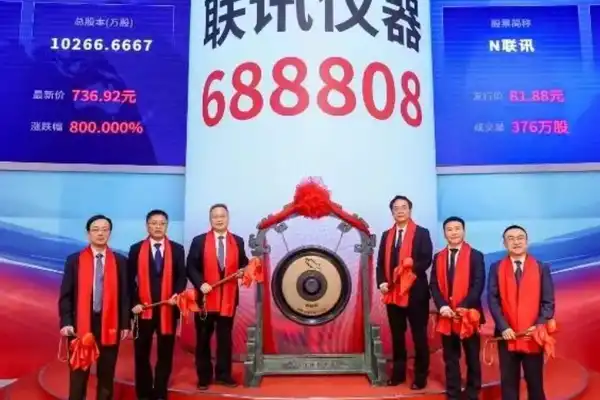
Китайская компания в области полупроводниковых расходных материалов, Zhenbao Technology, в день своего листинга на научно-технологической бирже STAR Market подскочила на 1207%. Основатель компании, Ван Бин, 80-летний инженер по продажам, начинавший карьеру с продажи стеклопластика, теперь владеет состоянием в 29 миллиардов юаней.
Компания занимается производством ключевых расходных материалов, таких как кремниевые и кварцевые детали, необходимых для работы полупроводникового оборудования. Эта модель бизнеса, которую сравнивают с продажей "пластырей" — постоянных расходников, обеспечивает стабильный денежный поток, пока фабрики по производству пластин работают.
Zhenbao Technology смогла занять нишу, предлагая решения с производительностью на уровне 80%, ценой в 50% от рыночной, но со 100% скоростью и надежностью поставок. Компания создала замкнутую цепочку "сырье + детали + обработка поверхности", что обеспечило стабильность поставок и снизило затраты. Ее клиентами стали как ведущие китайские, так и международные производители полупроводников.
В 2024 году компания заняла первое место по доле на внутреннем рынке кремниевых (4,5%) и кварцевых (8,8%) компонентов. В 2025 году ее выручка составила 8,46 млрд юаней, а чистая прибыль — 2,26 млрд юаней.
Однако будущее компании связано с вызовами. Привлеченные в ходе IPO 16 млрд юаней пойдут на расширение производства, что приведет к увеличению ежегодных амортизационных расходов примерно на 72,77 млн юаней. Это создает давление на прибыль, если загрузка мощностей окажется недостаточной. Дополнительные риски включают циклический характер полупроводниковой отрасли, высокую концентрацию на пяти крупнейших клиентах (более 70% выручки), рост дебиторской задолженности и вопросы, касающиеся стабильности и прозрачности ее научно-исследовательской деятельности.
Таким образом, хотя история бизнеса "постоянных расходников" привлекает высокие оценки рынка в краткосрочной перспективе, долгосрочная стоимость компании будет зависеть от ее способности поддерживать высокий уровень использования производственных мощностей и генерировать устойчивый денежный поток.
marsbit06/25 05:58