# Сопутствующие статьи по теме Investment

Новостной центр HTX предлагает последние статьи и углубленный анализ по "Investment", охватывающие рыночные тренды, новости проектов, развитие технологий и политику регулирования в криптоиндустрии.

MSX Q1 Review and Q2 Outlook: Securing the Main Trends in U.S. Stocks, A Methodology for Precise Stock Selection

MSX Q1 Review & Q2 Outlook: Capturing the U.S. Stock Market Trends and a Precision Stock Selection Methodology In Q1 2026, the crypto market performed poorly, with Bitcoin falling about 23%, marking its worst quarterly start since 2018. In contrast, the U.S. stock market, despite significant drops in the "Magnificent Seven," still saw profitable opportunities in rapidly rotating hot sectors. The decentralized RWA trading platform MSX listed 39 new U.S. stock tokenized assets, covering five main themes: aerospace/defense, energy/resources, AI hardware, optical communications, and regional allocation tools. Among these, 38 achieved positive returns, with an average gain of 37.6%. Four stocks more than doubled, all concentrated in AI hardware and optical communications. MSX's stock selection framework focuses on identifying companies with clear industrial trends, tangible order flows, and earnings validation, rather than speculative narratives. The platform avoids high-risk bets on large-cap reversals, instead targeting small and mid-cap stocks benefiting from real capital expenditure and supply chain expansion. In Q1, the five main themes were identified through continuous tracking of corporate earnings, capex guidance, and capital flow dynamics—not macro forecasts alone. AI hardware and optical communications were confirmed as systemic opportunities based on actual order transfers and infrastructure demand from big tech's expanding data centers. Although aerospace/defense and regional tools had modest gains, they provided portfolio diversification and non-correlated hedges, enhancing structural resilience. MSX's listing节奏 was dynamically adjusted based on market signals and industrial data rather than pre-set schedules. Looking ahead, Q2 may see a continuation of the AI narrative but with increased selectivity. Aerospace and undervalued software/SaaS sectors present new opportunities. MSX emphasizes a balanced approach: maintaining core exposure to high-conviction AI infrastructure plays while incorporating defensive assets like energy and tools to navigate macro uncertainties, including interest rate paths and geopolitical risks. The platform aims to help users, especially those from crypto backgrounds, build robust, multi-asset strategies through education and thematic investing tools.

Odaily星球日报04/03 06:07

MSX Q1 Review and Q2 Outlook: Securing the Main Trends in U.S. Stocks, A Methodology for Precise Stock Selection

Odaily星球日报04/03 06:07

If We Gathered the Most Accurate Gold Forecasters in History, Could We Crack the Future Price of Gold? I've Compiled a Decade of the Most Accurate Gold Analysis

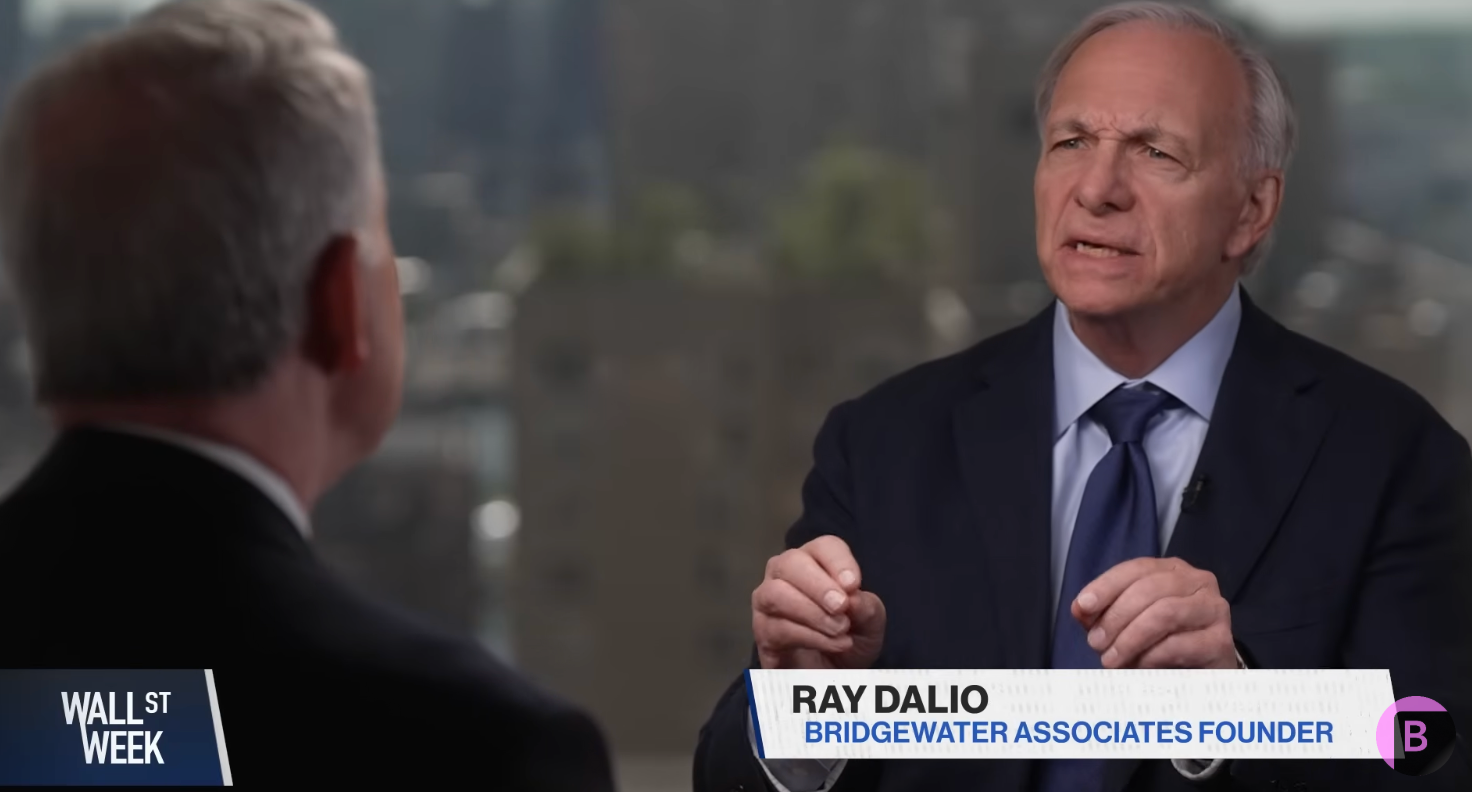
This analysis investigates whether compiling the most accurate historical predictions on gold prices from top analysts, institutions, and famed forecasters can unlock future price movements. After examining over a decade of data, the findings reveal that no single expert or entity consistently predicts gold prices accurately. Key observations include: - **Wall Street institutions** (e.g., LBMA, Goldman Sachs, JPMorgan) often exhibit "lagging predictions," adjusting targets only after trends are established, frequently underestimating actual price moves. - **Prominent gold bulls** (e.g., Peter Schiff, Jim Rogers) persistently advocate for higher prices over long horizons but lack timing precision, leading to extended periods of underperformance. - **"Prophetic" forecasters** (e.g., Nouriel Roubini, Ben McMillan) have moments of accuracy but also significant misses or limited track records, undermining their reliability. The study notes a pattern similar to the 2011 gold peak: extreme bullish predictions often cluster near market tops, followed by sharp corrections. Current forecasts for gold range widely from $5,400 to $35,000, reflecting high disagreement even among experts. The conclusion is that there is no consistent "most accurate" predictor for gold prices. Relying on expert consensus or individual forecasts proves chaotic and unreliable. Instead, the author advocates for a strategy akin to Ray Dalio’s: avoiding precise price predictions, embracing uncertainty, and using portfolio allocation (e.g., 5-15% in gold) for long-term risk management.

marsbit04/02 12:42

If We Gathered the Most Accurate Gold Forecasters in History, Could We Crack the Future Price of Gold? I've Compiled a Decade of the Most Accurate Gold Analysis

marsbit04/02 12:42

活动图片