От SpaceX до торговых счетов: как токенизация меняет то, как мир переводит деньги
Разве вам не было бы неприятно, если бы сообщение в WhatsApp приходило через два дня, потому что его сначала нужно было проверить, завизировать и согласовать в трех разных инстанциях? Мы ожидаем, что общение происходит в режиме реального времени. Так почему же у нас нет таких же ожиданий от финансовых рынков?
В наше время обмен одной акции на другую по-прежнему означает продажу, ожидание расчета и только затем повторную покупку. Однако токенизированные акции могут изменить эту ситуацию.
Токенизированные акции — это акции, существующие в блокчейне. Та же компания, та же стоимость, те же права, что и у любой акции, купленной через брокера. Меняется то, как они перемещаются: их можно торговать в любое время, рассчитывать за секунды, дробить на более мелкие части для доступности и переводить через границы без многочисленных посредников.
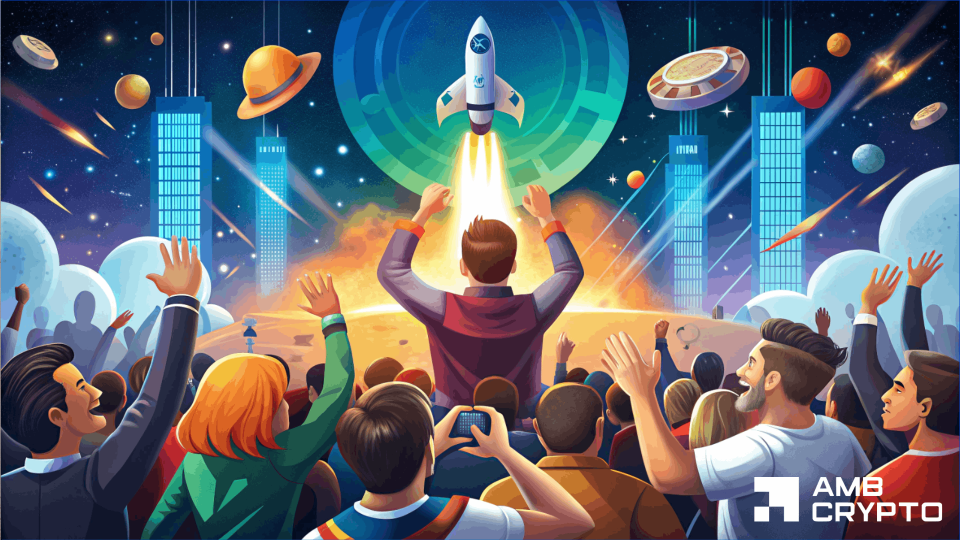
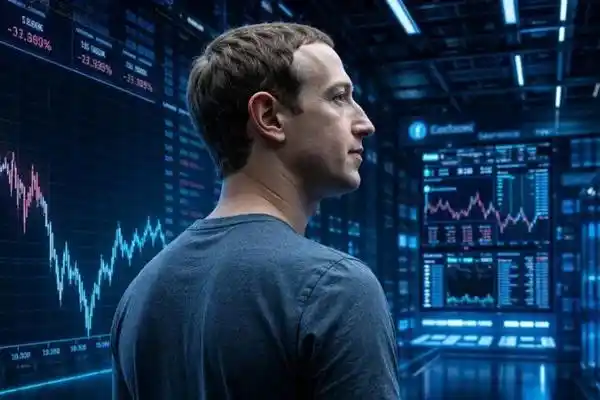
Тенденция к токенизации вышла на первый план после исторического IPO SpaceX. Платформы на базе блокчейна начали предлагать токенизированные активы SpaceX, Nvidia, Google и других крупных компаний. NASDAQ также подал заявку в SEC на разрешение торговли токенизированными ценными бумагами.
Хотя акции доминируют в повестке, токенизация набирает обороты и в других классах активов: частный кредит, недвижимость, товары и структурированный долг. Вместе они представляют сотни триллионов долларов глобальной стоимости.
Для масштабирования регулируемой токенизации требуются предсказуемые комиссии, детерминированное исполнение сделок и инфраструктура банковского уровня. Сеть XDC Network, например, уже обработала более 1,1 млрд долларов в токенизированных требованиях, частных кредитах и товарах.
По прогнозам BCG и Ripple, рынок токенизированных активов может достичь 18,9 трлн долларов к 2033 году. Регуляторная среда также развивается: Бразилия, Сингапур, Великобритания и ЕУ создали правовые основы для токенизированных финансовых инструментов.
IPO SpaceX стало ярким примером для токенизации, но инфраструктура для ее масштабирования создавалась годами в тех сегментах рынка, которые оставались вне заголовков. Именно на этой основе будет строиться следующее десятилетие финансов.
ambcrypto07/03 12:03