Автор: Ekko, Ryan Yoon
Оригинальное название: What AI Services Are Crypto Firms Offering?
Компиляция и редактирование: BitpushNews
FOMO (Страх упустить выгоду) окутывает криптовалютные компании. От бирж до security-компаний — все спешат запустить сервисы на базе искусственного интеллекта (ИИ). В этой статье мы рассмотрим, почему они решили действовать именно сейчас.
Ключевые моменты
-
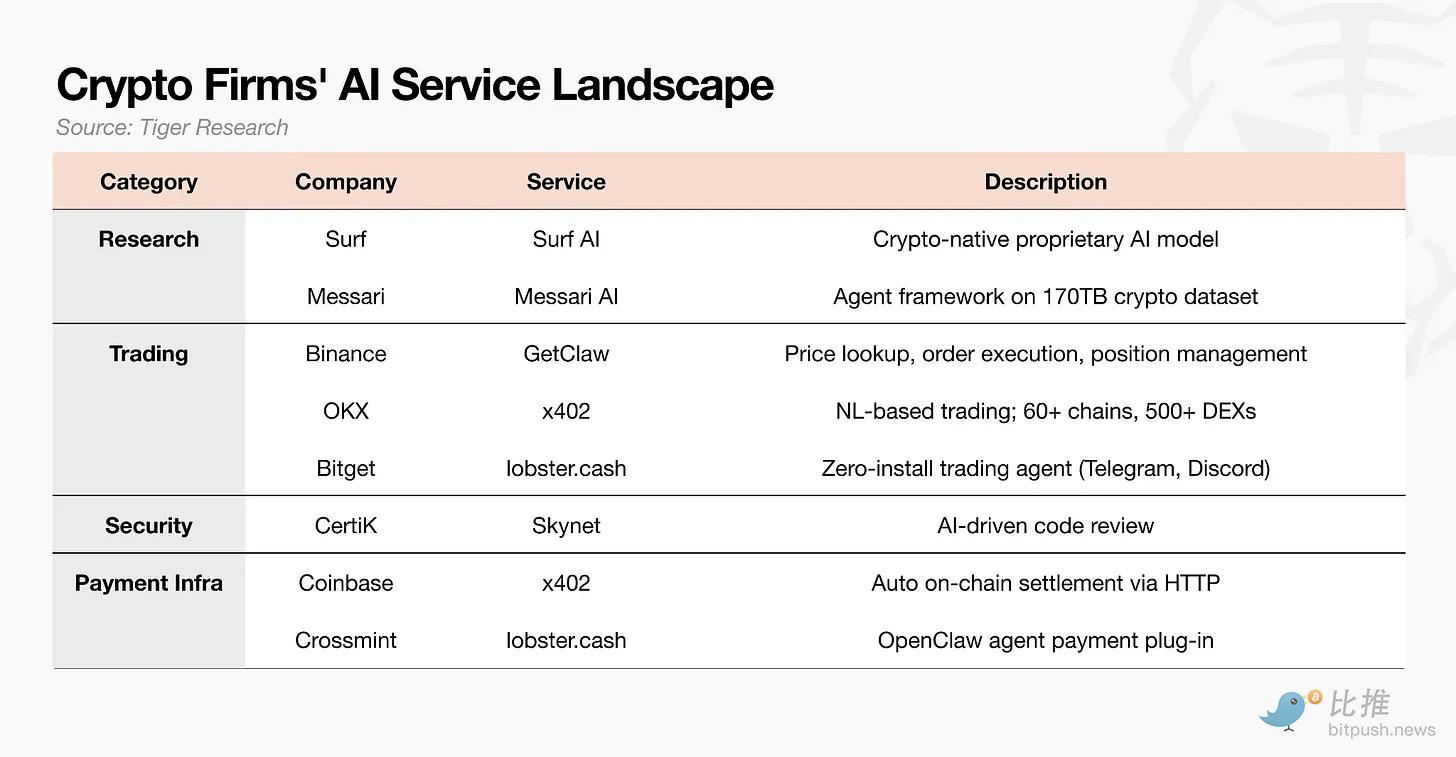
Межотраслевое распространение: Криптокомпании из сфер бирж, безопасности, платежей и исследований одновременно запускают сервисы на базе ИИ.
-
Ведущая роль гигантов: В отличие от предыдущих циклов, лидируют компании с устоявшимися бизнес-моделями, такие как Coinbase и Binance. ИИ превратился из «нарратива» в «бизнес-необходимость».
-
Разные мотивы по секторам: Биржи стремятся предотвратить отток пользователей; security-компании хотят устранить слепые зоны аудита; платежная инфраструктура нацелена на новую агентскую экономику (Agent Economy).
-
Разрыв между внедрением и практикой: «Наличие функции» и «фактическое использование» — это две разные проблемы. FOMO вокруг ИИ и конкурентное давление ускоряют внедрение ИИ даже быстрее, чем доказанная практическая потребность.
-
Сосуществование реального спроса и тревоги конкурентов: Ключевой вопрос — различать «внедрение, создающее ценность» и «внедрение ради маркировки».
1. Криптокомпании массово предлагают сервисы на базе ИИ
ИИ — это самая обсуждаемая область на мировом рынке сегодня. Универсальные инструменты, такие как ChatGPT и Claude, уже вошли в повседневную жизнь, а платформы вроде OpenClaw снизили порог входа для создания агентов.
Криптоиндустрия запоздала с началом этой волны, но теперь активно интегрирует ИИ во все вертикали.
Какие сервисы на базе ИИ предлагают эти компании? И почему они выходят на этот рынок?
2. Как криптокомпании внедряют ИИ
2.1. Исследования
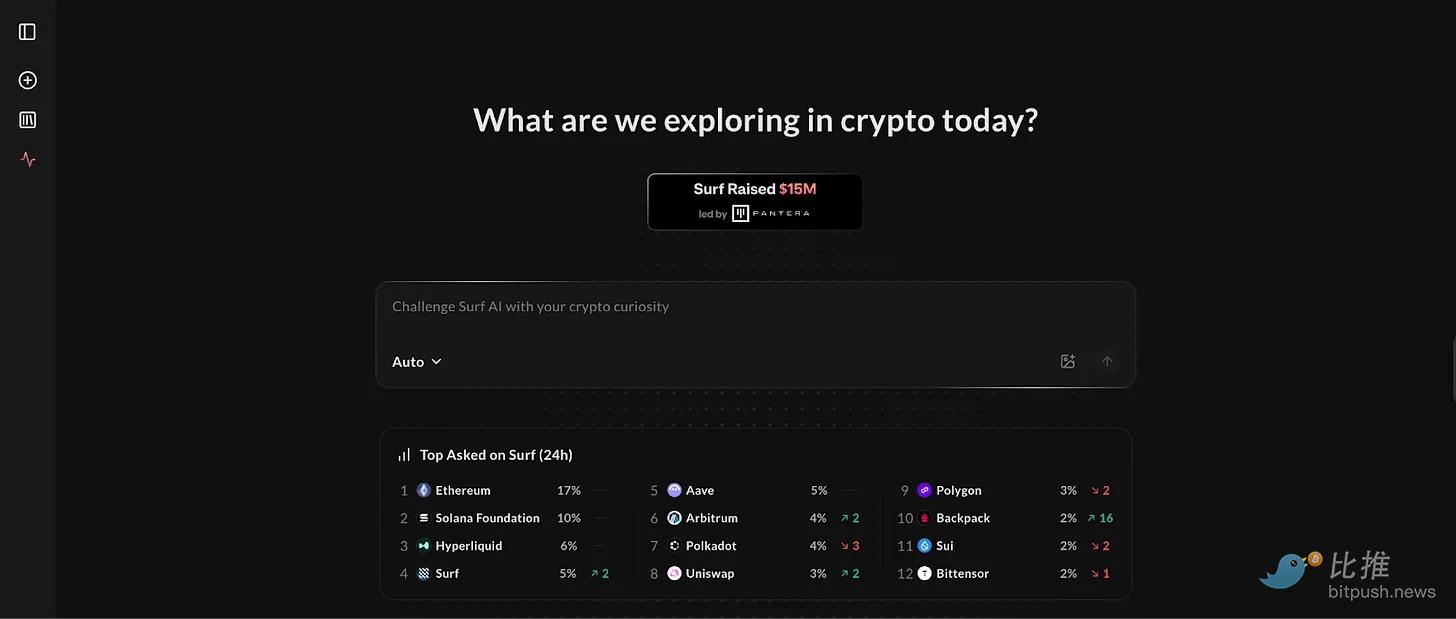
(Источник: Surf AI)
Криптовалютные исследования имеют структурные проблемы: данные on-chain, настроения в соцсетях и ключевые метрики разбросаны по разным платформам, и их сложно верифицировать. Универсальный ИИ часто возвращает неточные ответы на запросы, связанные с криптовалютами.
Такие проекты, как Surf, решают эту проблему, предлагая специализированные ИИ-инструменты для исследований, которые могут объединять разрозненные источники данных. Среди всех вариантов использования ИИ в криптосфере исследования имеют самый низкий порог входа и не требуют каких-либо знаний в программировании или трейдинге.
2.2. Трейдинг
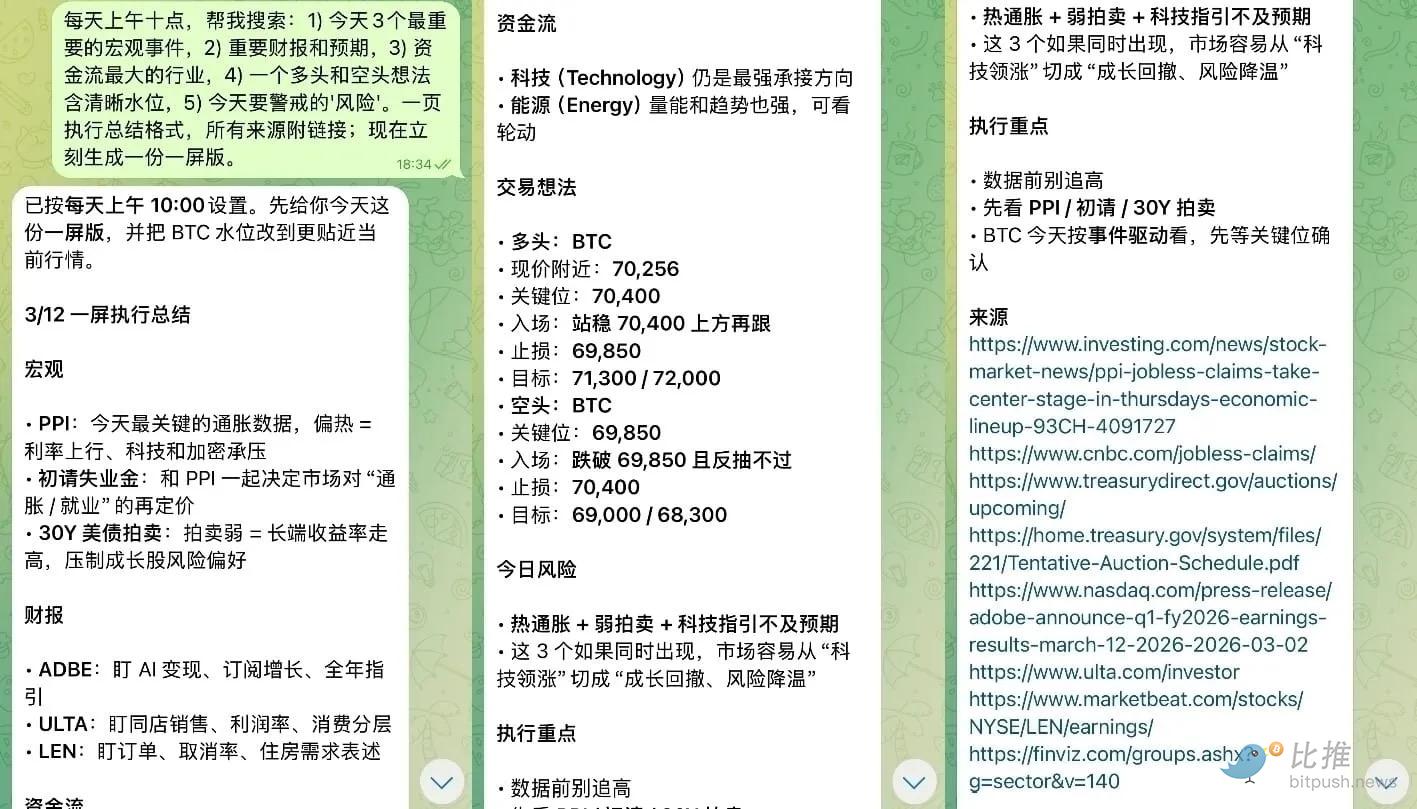
(Источник: Bitget)
Биржи лидируют во внедрении ИИ в сфере трейдинга.
Подходы различаются: одни биржи напрямую открывают пользователям доступ к собственным торговым данным; другие позволяют пользователям давать ИИ-агентам инструкции на естественном языке, которые те выполняют от анализа до исполнения в один шаг.
Биржи предлагают API уже много лет. Сейчас отличие в добавлении нового уровня: такие интерфейсы, как MCP и AI Skills, позволяют некодерам получать доступ к функциям биржи через ИИ-агентов. Инструменты, которые раньше были доступны только разработчикам, теперь можно получить с помощью естественного языка.
Это соответствует более широкой трансформации сообщества. Пользователи, не являющиеся разработчиками, все чаще строят автоматизированные торговые стратегии через ИИ-агентов, без кода. Они описывают стратегию, а агент строит и запускает алгоритм.
Для бирж это и возможность, и угроза. По мере роста числа пользователей, управляемых ИИ, лояльность к любой конкретной бирже будет ослабевать, поскольку агенты могут исполнять сделки где угодно. Причина внедрения ИИ биржами проста: быстро привлечь пользователей и поддерживать активность на платформе.
Трейдинг связан с реальным управлением активами и требует большей осмотрительности и ответственности, чем исследования. Но с понижением порога входа эта область также открывается для обычных пользователей.
2.3. Безопасность / Аудит
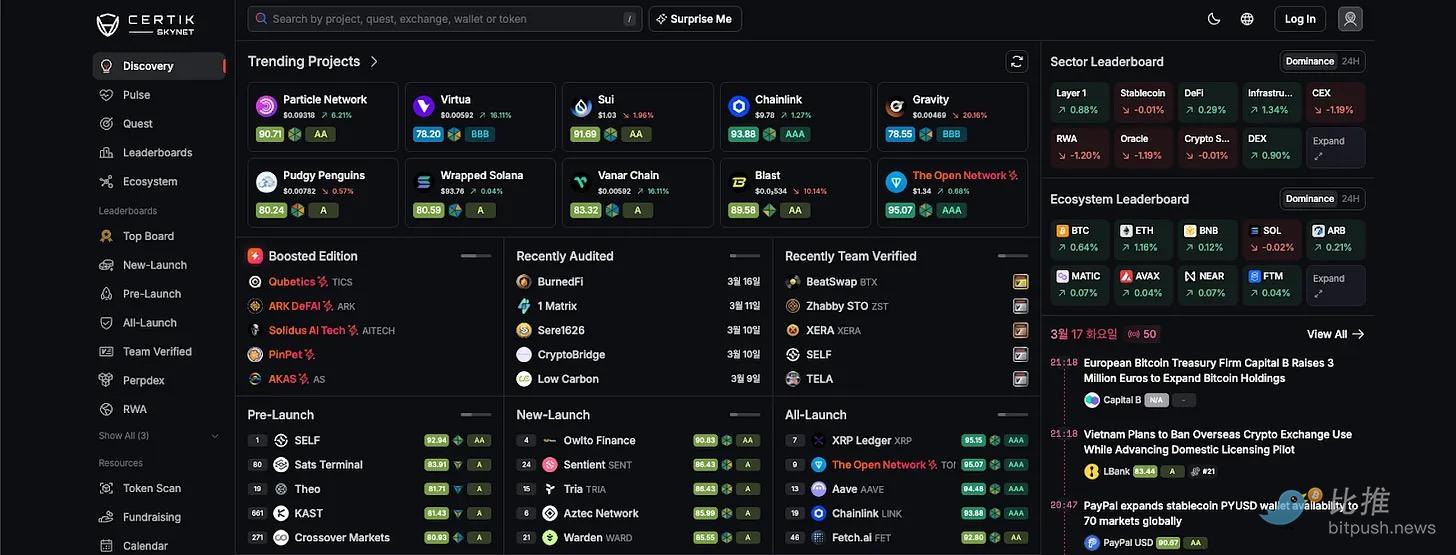
(Источник: CertiK)
Аудит смарт-контрактов традиционно relies on ручной построчной проверки кода — процесс медленный, дорогой и не consistent между разными аудиторами. Теперь ИИ интегрируется в рабочий процесс: ИИ сначала сканирует код, а затем аудитор-человек проводит целевое углубленное изучение. Это повышает скорость и охват, не заменяя аудиторов.
CertiK — ведущий пример. Ранее компания сталкивалась с критикой из-за того, что аудируемые проекты впоследствии подвергались атакам. Однако те инциденты произошли за пределами scope аудита. Аудит проверяет код только на определенный момент времени и не включает постоянный мониторинг.
CertiK использует ИИ, чтобы заполнить этот пробел. Компания добавила мониторинг после аудита в реальном времени и представляет его через публичные дашборды. Поскольку расширенный охват обеспечивается ИИ, а не трудоемкими методами, выгоду получают и CertiK, и аудируемые проекты.
В сфере безопасности внедрение ИИ направлено не на颠覆 существующих услуг, а на расширение сферы человеческой работы: повышение точности во время аудита и заполнение слепых зон после него. Для блокчейн-security компаний ИИ — это не новая бизнес-линия, а инструмент для решения существующих слабостей.
2.4. Платежная инфраструктура
(Источник: Coinbase)
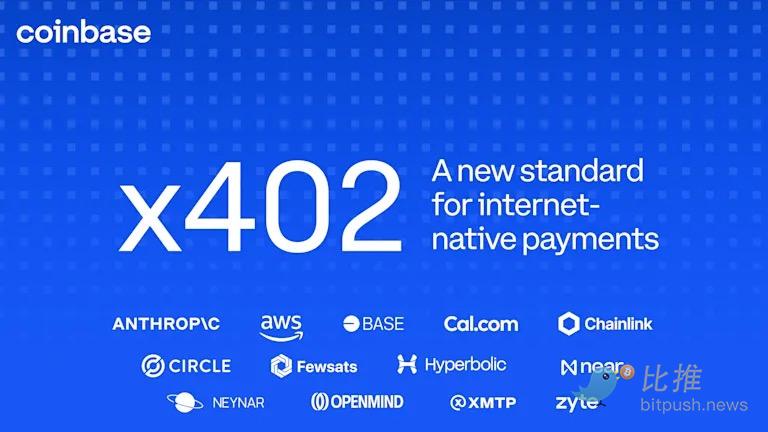
ИИ-агентам нужны платежные рельсы для участия в экономической деятельности: оплата API-услуг, покупка данных и услуг у других агентов. Для агента наиболее естественным способом оплаты является ончейн-кошелек со стейблкоинами.
В настоящее время emerging две модели. Первая — это универсальные протоколы, встраивающие оплату в HTTP-запросы, позволяя агенту автоматически проводить ончейн-расчеты в момент доступа к платному API. Вторая — это специальные платежные плагины для агентов, где агент выполняет платежи только в рамках preset человеком разрешений и лимитов.
Платежная инфраструктура — это область, наиболее тесно связанная со стейблкоинами. Однако, поскольку субъектом платежа является ИИ-агент, а не человек, fully functional модель еще не созрела.
(Источник: Circle)
Эмитент USDC, компания Circle, также привлекает внимание. Компания опубликовала proposal о планах подключить свою платежную инфраструктуру Gateway к протоколу x402 и пригласила разработчиков и исследователей для review и вклада.
Это еще не зрелый рынок, но рынок уже начинает оценивать эту trajectory. Ключевым драйвером роста оценки Circle является нарратив о платежах ИИ-агентов. Внедрение платежной инфраструктуры займет больше времени, чем в вышеупомянутых областях, но оно стало одной из самых заметных макротем на текущем рынке.
3. Почему криптокомпании выходят на поле ИИ сейчас
Когда ChatGPT был запущен в ноябре 2022 года, ни ИИ, ни криптоиндустрия не были готовы. Модели ИИ впечатляли, но не могли надежно выполнять задачи; а криптоиндустрия barely двигалась из-за коллапса FTX и полного кризиса доверия.
С тех пор ИИ добился огромного прогресса. За последний год функциональность всех mainstream моделей значительно усилилась и стала practically useful. Для сравнения, криптоиндустрия за тот же период лишь «использовала» ИИ: мемкоины с брендом ИИ, не fully functional агенты и маркетинговые лозунги. Децентрализованные проекты ИИ-инфраструктуры continued появляться, но если честно сравнивать их с native ИИ-сервисами, их quality явно уступает.
Разрыв теперь увеличивается. В индустрии ИИ такая инфраструктура, как MCP (позволяющая агентам directly вызывать внешние tools) и OpenClaw (позволяющая создавать агентов без кода), сделала эру агентов accessible. Криптокомпании only сейчас начинают действовать.
Отличие на этот раз в том, кто действует. Это уже не стартапы, которые наклеивают на себя ярлык ИИ, а компании с mature бизнес-моделями: Coinbase, Binance и Bitget. У этих компаний нет причин запускать ИИ-сервисы merely как маркетинговый ход. Их движет не сегодняшний доход, а страх отстать: FOMO.
(Источник: FORTUNE)
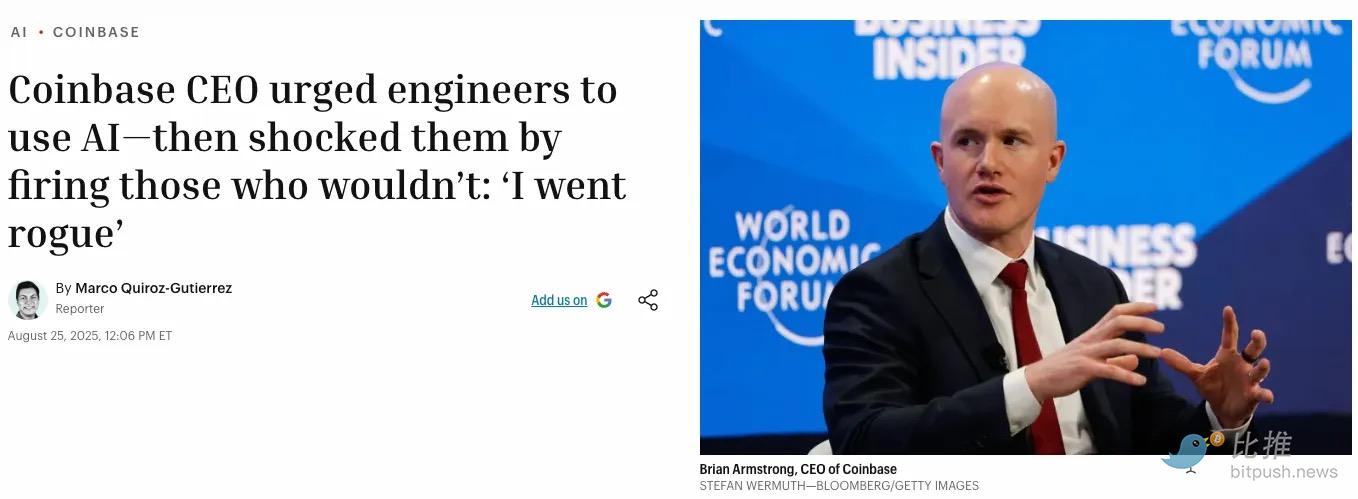
Эта срочность clearly visible в действиях CEO Coinbase Брайана Армстронга. Он issued общеcompany directive, requiring всех инженеров освоить ИИ-инструменты программирования в течение недели и уволил неподчинившихся сотрудников.
Но нам также необходимо сохранять ясность. Возьмем, к примеру, автоматизацию трейдинга: агент может проверять цены и предлагать стратегии, но сколько пользователей действительно доверят агенту свои средства для реальной торговли? Уже ли протокол x402 applied в реальном мире?
В конечном счете, внедрение ИИ в криптоиндустрии — это не погоня за трендом. По мере наступления эры ИИ компании действуют, чтобы не потерять свои позиции. «Наличие функции» и «фактическое использование» остаются двумя разными проблемами. Но важно то, кто действует.

Представьте индустрию ИИ как бассейн, в который наливают воду. Раньше те, кто прыгал в него, лишь притворялись, что умеют плавать; теперь же в него прыгают бывшие surfers национальной сборной. Никто не знает, насколько высоко поднимется вода и превратится ли этот бассейн в океан. Но криптоиндустрия не утонет в центре волны.
Twitter:https://twitter.com/BitpushNewsCN
Чат Bitpush в TG:https://t.me/BitPushCommunity
Подписка Bitpush в TG: https://t.me/bitpush