Автор: Shenchao TechFlow
Вчерашние рыночные движения
Годовой показатель CPI без сезонной корректировки в США за декабрь: 2.7%, ожидалось 2.70%, предыдущее значение 2.70%
Согласно данным Jin10, годовой показатель потребительской инфляции (CPI) без сезонной корректировки в США за декабрь составил 2.7%, что соответствует ожиданиям и предыдущему значению в 2.70%.
Месячный показатель CPI с сезонной корректировкой в США: 0.3%, ожидалось 0.30%.
«Рупор ФРС»: данные CPI за декабрь вряд ли изменят текущую выжидательную позицию ФРС
Согласно данным Jin10, «рупор ФРС» Ник Тимираос: индекс потребительских цен (CPI) за декабрь вряд ли изменит текущую выжидательную позицию Федеральной резервной системы, поскольку чиновники, вероятно, хотят увидеть больше доказательств стабилизации и постепенного снижения инфляции перед снижением ставок. ФРС снижала базовую ставку на последних трех заседаниях подряд, последний раз в декабре, несмотря на то, что инфляция перестала снижаться в прошлом году. Чиновники снизили ставки из-за опасений большего, чем ожидалось, замедления на рынке труда. Для возобновления снижения ставок чиновникам ФРС, возможно, потребуется увидеть новые доказательства ухудшения условий на рынке труда или ослабления ценового давления. Для проявления последнего, вероятно, потребуется еще несколько месяцев данных по инфляции.
Сельскохозяйственный комитет Сената США переносит слушания по криптозакону на 27 января
Согласно сообщению CoinDesk, Сельскохозяйственный комитет Сената США объявил, что опубликует свой законопроект о структуре крипторынка 21 января 2026 года, после чего проведет ключевые слушания 27 января в 15:00. Слушания изначально были назначены на 15 января, но были отложены. Председатель комитета Джон Бозман заявил, что измененное расписание обеспечивает прозрачность и позволяет провести всесторонний обзор законопроекта.
Тем временем, Банковский комитет Сената проведет рассмотрение своей версии законопроекта в этот четверг. Версии законопроектов двух комитетов все еще имеют разногласия по вопросам этических положений и двухпартийного представительства регуляторов, что может повлиять на перспективы получения окончательной двухпартийной поддержки.
Приватный протокол Zama запускает продажу токенов с минимальной оценкой в 55 миллионов долларов
Согласно отчету The Block, криптоприватный протокол Zama запустит полностью ончейн-продажу токенов через CoinList и собственное аукционное приложение, используя структуру аукциона голландского типа с закрытыми ставками и минимальной оценкой в 55 миллионов долларов. На эту продажу будет выделено 12% от общего предложения в 110 миллиардов токенов ZAMA.
Продажа разделена на три части: 2% для сообщества (держателей NFT) на этой неделе, 8% основной аукцион через CoinList с 21 по 24 января и 2% последующая продажа по цене расчетов аукциона с 27 января по 2 февраля.
Новое предложение PancakeSwap предлагает сократить максимальное предложение CAKE с 450 миллионов до 400 миллионов монет
Согласно форуму управления PancakeSwap, команда PancakeSwap выдвинула предложение о сокращении максимального предложения токенов CAKE с 450 миллионов до 400 миллионов.
Команда PancakeSwap заявила, что с сентября 2023 года CAke остается дефляционным, и эта тенденция, как ожидается, сохранится. Команда накопила около 3.5 миллионов CAKE в качестве фонда роста экосистемы, который будет приоритетно использоваться для нужд развития протокола, что делает маловероятным возврат к инфляционному состоянию.
Предложение после обсуждения в сообществе перейдет на этап голосования, и в случае принятия максимальный лимит предложения CAKE будет уменьшен на 50 миллионов монет.
ETHGas публикует экономическую модель токена: общее предложение 10 миллиардов, 10% для сообщества
Согласно официальному объявлению, рынок фьючерсов на блок-пространство Ethereum ETHGas опубликовал экономическую модель токена GWEI с общим предложением в 10 миллиардов монет: экосистема — 31%, инвесторы — 27%, команда — 22%, сообщество — 10%, фонд — 8%, консультанты — 2%. Кроме того, снепшот для определения права на аирдроп токенов будет произведен 19 января в 00:00 UTC.
Ранее сообщалось, что ETHGas в конце прошлого года объявил о завершении раунда финансирования на 12 миллионов долларов под руководством Polychain Capital.
Grayscale включает токены MegaETH, Horizen и другие в список рассматриваемых активов
Согласно отчету The Block, Grayscale обновила свой список рассматриваемых активов, расширив его до 27 токенов, охватывающих категории искусственного интеллекта, децентрализованных финансов, потребительских товаров и инфраструктуры.
Это обновление, опубликованное 12 января, добавляет такие активы, как MegaETH, Horizen, ARIA Protocol, Playtron, Nous Research, Poseidon и Geodnet.
Grayscale пояснила, что включение в список рассмотрения не гарантирует запуск соответствующего инвестиционного продукта, поскольку создание продукта involves внутренний обзор, условия хранения и регуляторные соображения. Следующее плановое обновление ожидается около 15 апреля 2026 года.
YZi Labs инвестирует «десятки миллионов долларов» в Genius Trading, Чжао Чанпэн выступит консультантом
Согласно отчету Theblock, YZi Labs инвестировала «десятки миллионов долларов» (multi-8-figure) в Genius Trading, а основатель Binance Чжао Чанпэн присоединится к стартапу в качестве консультанта.
Genius Trading занимается созданием ориентированной на конфиденциальность ончейн-торговой платформы, предлагающей спотовые торговлю, perpetual-контракты и копи-трейдинг, с целью стать децентрализованной версией «Binance».
Polygon Labs приобретает криптостартапы Coinme и Sequence более чем за 250 миллионов долларов
Согласно отчету Fortune, Polygon Labs завершила приобретение криптостартапов Coinme и Sequence на общую сумму более 250 миллионов долларов.
Генеральный директор Polygon Labs Марк Буарон и основатель фонда Polygon Санддип Наилуал заявили, что эти приобретения направлены на продвижение их стратегии стейблкоинов. Базирующаяся в Сиэтле Coinme специализируется на конвертации наличных в криптовалюту и обладает несколькими американскими лицензиями на денежные переводы; а нью-йоркская Sequence专注于 создание блокчейн-инфраструктуры, включая криптокошельки. Наилуал назвал это шагом Polygon к конкуренции с финтех-гигантом Stripe.
Источники: CoinGecko рассматривает продажу с оценкой около 500 миллионов долларов
Согласно сообщению Coindesk, источники сообщают, что CoinGecko рассматривает возможность продажи с оценкой около 500 миллионов долларов. По словам инсайдеров, компания наняла инвестиционный банк Moelis для управления процессом продажи, но есть сообщения, что оценка еще не окончательна, поскольку процесс начался только в конце прошлого года.
Примечательно, что конкурент CoinGecko, CoinMarketCap, был приобретен Binance в апреле 2020 года примерно за 400 миллионов долларов. CoinGecko была основана TM Lee и Бобби Онгом в 2014 году.
Криптобиржа Bitpanda планирует IPO на Франкфуртской бирже в первой половине 2026 года с оценкой до 5 миллиардов евро
Согласно сообщению Bloomberg, криптобитрежа Bitpanda GmbH, поддерживаемая миллиардером Питером Тилем, планирует провести первичное публичное размещение акций (IPO) на Франкфуртской фондовой бирже уже в первой половине 2026 года. По словам инсайдеров, оценка венской компании в ходе этого IPO может составить от 4 миллиардов (около 4.7 миллиардов долларов) до 5 миллиардов евро.
Bitpanda наняла Goldman Sachs Group, Citigroup и Deutsche Bank для организации размещения. Некоторые источники сообщают, что компания может выйти на биржу уже в первом квартале.
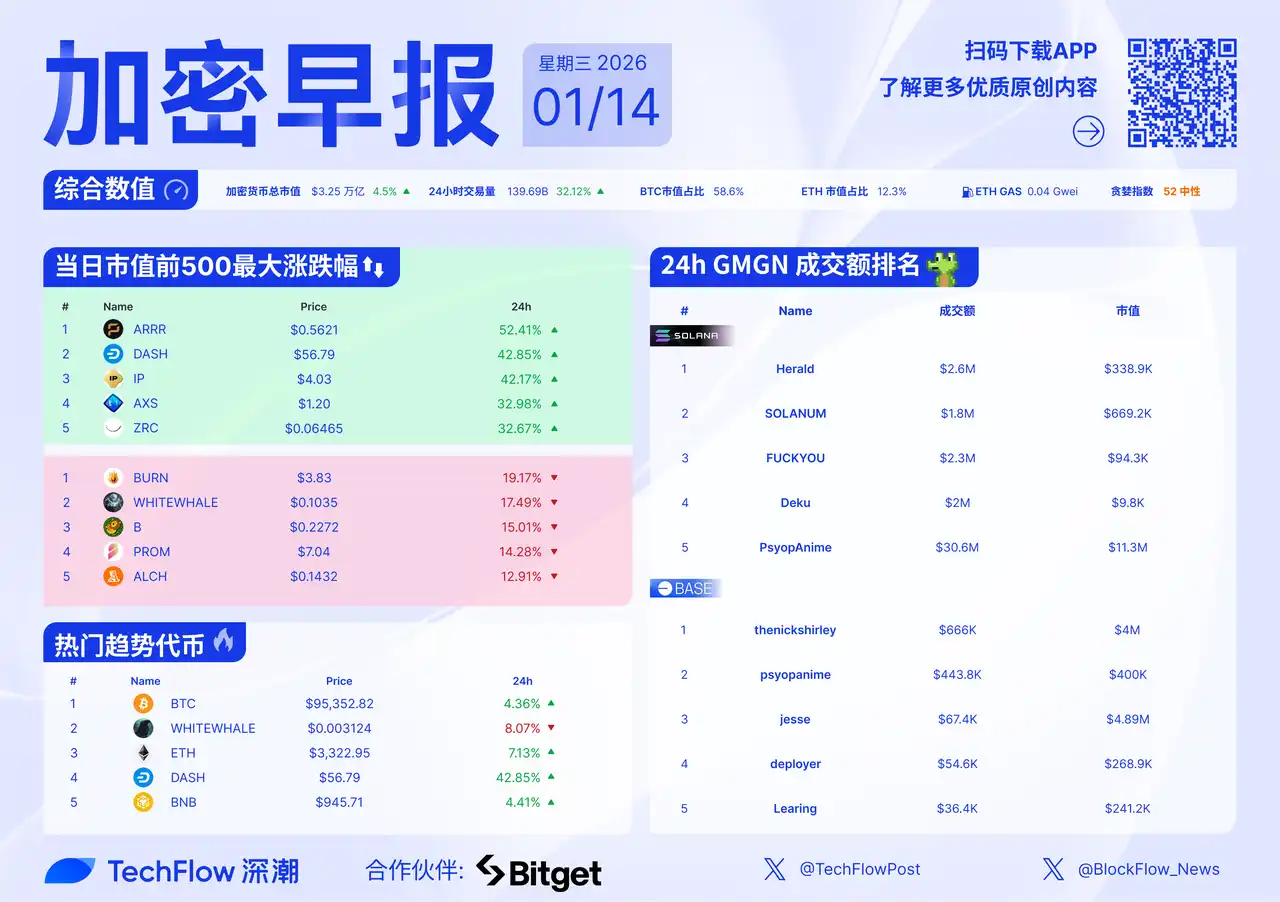
Движение рынка
Рекомендуемая литература
a16z привлекла 15 миллиардов, чтобы «победить Америку»
В статье рассказывается о том, как a16z завершила сбор средств в размере 15 миллиардов долларов, став лидером венчурной индустрии США. Эти средства будут в основном инвестированы в долгосрочные компании, прикладной уровень, базовые технологии, биомедицину и тему «американской жизнеспособности», с особым вниманием к военному производству. Благодаря своим мощным возможностям интеграции ресурсов и политическому влиянию, a16z делает ставки не только в технологических циклах, но и ищет возможности в политических циклах. Несмотря на риски, ее уникальная стратегия и накопление ресурсов вызывают доверие у LP.
Скрытое давление продаж Monero исчезает
Статья подробно анализирует динамику рынка Monero (XMR) после его делистинга с основных бирж, раскрывает влияние индустрии мгновенного обмена на цену Monero и то, как новая платформа Wagyu打破вает этот негативный цикл, предоставляя более справедливые условия торговли и помогая Monero достичь более真实ового price discovery.
Участились ограбления карт Pokémon: становится ли перевод физических коллекционных предметов в блокчейн решением рисков?
В статье обсуждаются проблемы безопасности, такие как ограбления и мошенничества, вызванные торговлей коллекционными карточками Pokémon (Покемон) в последние годы, анализируются ограничения традиционных моделей торговли и предлагается решение через технологию блокчейна для перевода коллекционных предметов в链, чтобы повысить прозрачность, безопасность и ликвидность торговли.
2026: «Сезоны» в мире ИИ изменились, как «алгоритму» предпринимателей微调?
В статье исследуются тенденции стартапов в области ИИ в 2026 году, изменения в капитальной среде и то, как предприниматели могут应对这些变化. С помощью метафор и案例分析 в文章 подчеркивается важность专注于特定场景, создания глубоких цепочек поставок и постепенных предпринимательских стратегий.
Monero, Zcash и Canton Network: кто король конфиденциальности?
В статье рассказывается, как с ростом доминирования институциональных участников в блокчейн-пространстве конфиденциальность становится ключевой технологической特性 для соединения блокчейна с реальным бизнесом. В文章 обсуждается важность конфиденциальности в блокчейне и ее формы, включая полную анонимную конфиденциальность и выборочную конфиденциальность, а также анализируются причины предпочтения финансовыми институтами выборочной конфиденциальности. Canton Network считается представителем блокчейна конфиденциальности, отвечающим институциональным потребностям, в то время как такие проекты, как Monero и Zcash, имеют определенные ограничения в полной анонимной и выборочной конфиденциальности.







