Cloud PC Gets a Second Chance, Google/Alibaba/Microsoft Battle for Cloud AI Dominance

marsbitОпубликовано 2026-05-18Обновлено 2026-05-18

Введение

Google unexpectedly announced "Android Computer," a new high-end productivity-focused PC series, positioning cloud AI as its core rather than an add-on. This move signals a potential revival for the "cloud computer" concept in the AI era. The article argues that current "AI PCs" are essentially traditional Windows machines with AI features grafted on, heavily reliant on cloud AI for complex tasks due to limited local consumer-grade hardware capabilities. This reliance raises questions about the value of premium local AI hardware. Cloud computers, which struggled with latency-sensitive applications like cloud gaming, are seen as a natural fit for AI PCs due to AI's higher tolerance for response time. Google's Android Computer deeply integrates AI (powered by its Gemini model) into the OS interface, making it contextually available. Its hardware-agnostic approach (supporting both x86 and ARM chips) further underscores the shift towards cloud-centric AI. Other players are adapting: Cloud service providers like Alibaba are enhancing their AI cloud computer offerings; chipmakers (Intel, AMD) are focusing on data center AI chips; traditional PC brands are adding AI software layers; and Apple is leveraging its ecosystem and affordable hardware. Microsoft is defining AI PC standards, embedding Copilot (powered by GPT and Bing) into Windows, and also relying on cloud AI. In conclusion, Android Computer challenges the traditional PC form factor by proposing a "light local, heavy clo...

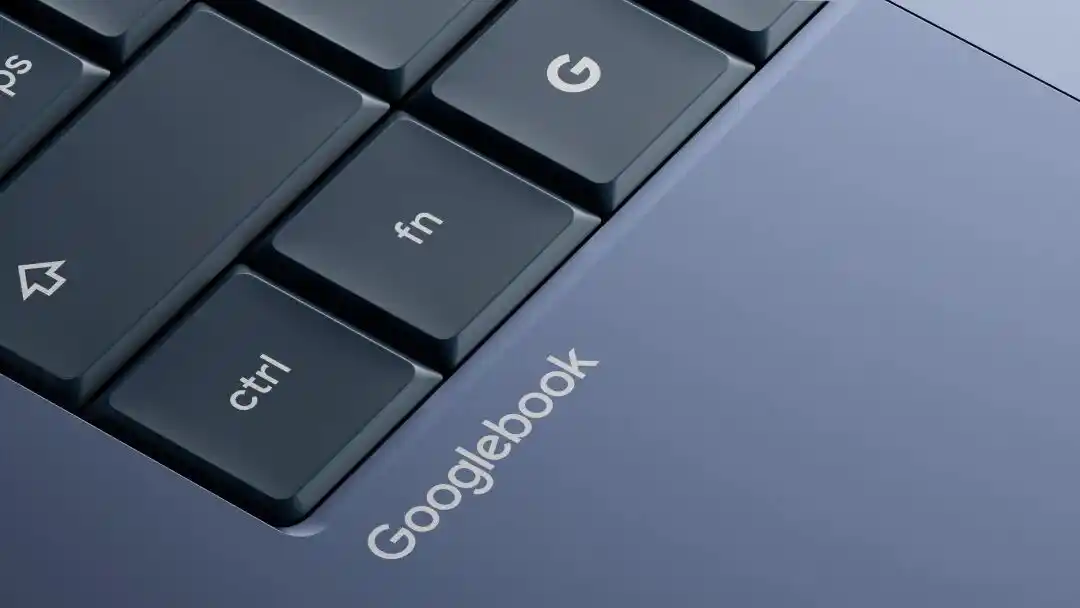
Just before Google I/O, Google held a pre-launch event for Android 17 in the early hours of May 13. Unexpectedly, at this event, Google unveiled a new product series without warning—the Android Computer. Different from Chromebooks, the Android Computer is positioned more toward the high-end market, with productivity as its core selling point. Google is no longer content with just the entry-level market; it aims to capture more territory in the PC domain beyond netbooks.

The concept of AI PC has been very popular in recent years. Countless PC chip and device manufacturers have been emphasizing the AI features of their products, tirelessly promoting the new changes that AI brings to PC usage scenarios over and over again. The sudden emergence of the Android Computer, however, showcases a brand-new approach to the AI PC: it no longer relies on traditional desktop operating systems; cloud AI is not an accessory but the core, from which all related functions derive.
(Image Source: Google)

If the Android Computer succeeds, the cloud computer could very well become the definitive answer for the AI era.

Current AI PCs Are Not "AI" Enough

Currently, the AI PCs within the PC industry are more like traditional PCs with an AI shell added on. On the chip side, both Intel and AMD have added dedicated AI computing units to their PC processors to enhance their on-device AI capabilities. In terms of system and ecosystem, device manufacturers have been building their own AI applications into their systems, including their own PC managers, AI agents, etc., and integrating external large language models.

However, this type of AI PC is essentially still a traditional Windows computer, with AI more like a cherry-on-top feature. Moreover, the vast majority of AI scenarios implemented on these AI PCs are based on cloud AI, including document summarization and editing, image generation, and various "lobster" tools.

Despite chip manufacturers' constant promotion of their chips' local AI capabilities and scenarios involving deploying open-source models using CPU, GPU + NPU heterogeneous computing, the reality is that the AI computing power provided by consumer-grade PC chips is always very limited. After all, not every consumer has a 5080 graphics card or a minimum of 32GB of RAM.

(Image Source: JD.com)

Under these circumstances, an ordinary consumer-grade PC can hardly run large-parameter local models, and thus cannot truly handle slightly more complex AI tasks.

A while ago, OpenClaw went viral, directly causing Mac minis to sell out and their prices to increase. But the vast majority of people were using cloud models to "raise lobsters." Various lobster deployment tutorials mention which AI's tokens are cheap and how to reduce token consumption.
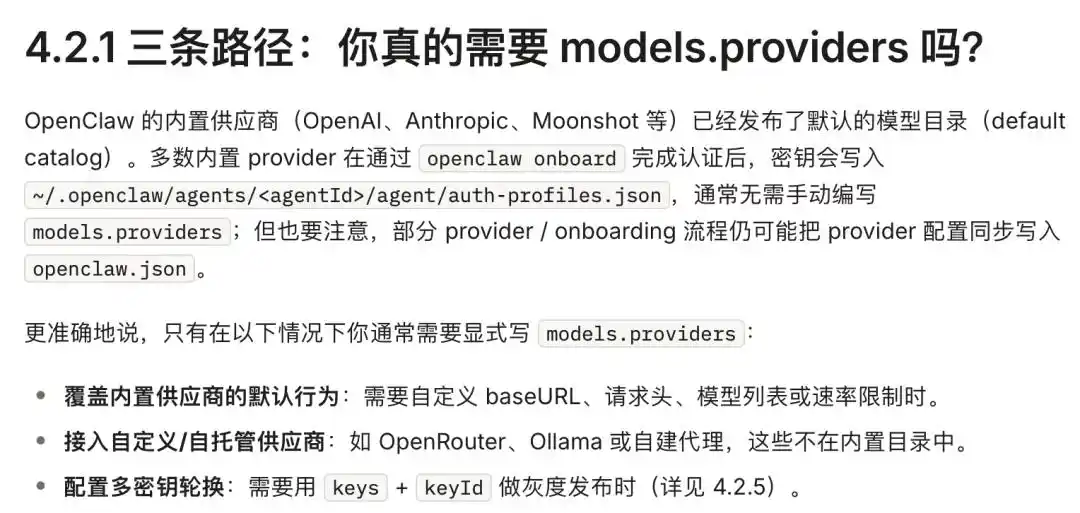
(Image Source: Gitbook)

This leads to a new question: Since AI PCs still rely on cloud AI to implement AI scenarios, what is the hardware value of the AI PC itself?

After all, theoretically, a traditional PC without the AI chip premium, as long as it can connect to the internet and access cloud AI, can also transform into an AI PC.

We can even be more radical: drastically reduce the PC's hardware configuration. As long as it has a screen, keyboard, and internet capability, it can become a cloud AI computer. The rapid development and popularization of AI seem to provide an opportunity for the "cloud computer," a not-so-new concept, to explode.

Cloud Computer + AI, the Future of AI PC?

For us, cloud computers are not a new thing. The cloud gaming craze a few years ago was essentially realized in the form of cloud computers. At that time, the widespread adoption of 5G, with its low latency and high throughput characteristics, was seen as a magic pill for popularizing cloud computers.

But reality is harsh. The concept of cloud gaming has never really taken off. Google's cloud gaming service Stadia, launched in 2019, was discontinued in less than three years. According to reviews from overseas media and user feedback, for Stadia to achieve a near-local gaming platform's smooth experience, it required extremely high network quality, such as using a local high-speed broadband wired connection. Even using Wi-Fi would significantly degrade the experience, let alone using more volatile mobile networks like 5G.
(Image Source: Google)

However, cloud gaming is highly sensitive to network latency, whereas online AI is much more tolerant. As ordinary users, we are already accustomed to AI needing time to "think" when answering questions or handling tasks. We don't demand instant feedback from AI as urgently as we do in games.

Ultimately, the bottleneck for AI response speed is not internet speed but computing power. Even if you install a local large model, it still requires sufficient inference time to generate answers.

Therefore, we believe the cloud computer form is naturally suited for AI PCs. And Google's Android Computer is creating an AI PC in a way distinct from traditional PCs. On the Android Computer, AI is not an add-on but a core function. Google states that currently, most AI tools are standalone apps, and users need to copy data into the AI interface to use AI features. The Android Computer, however, integrates AI into every part of the system. Most intuitively, wherever the mouse pointer moves, AI appears there. AI captures text, images, code, and other information near the pointer for direct processing and manipulation.
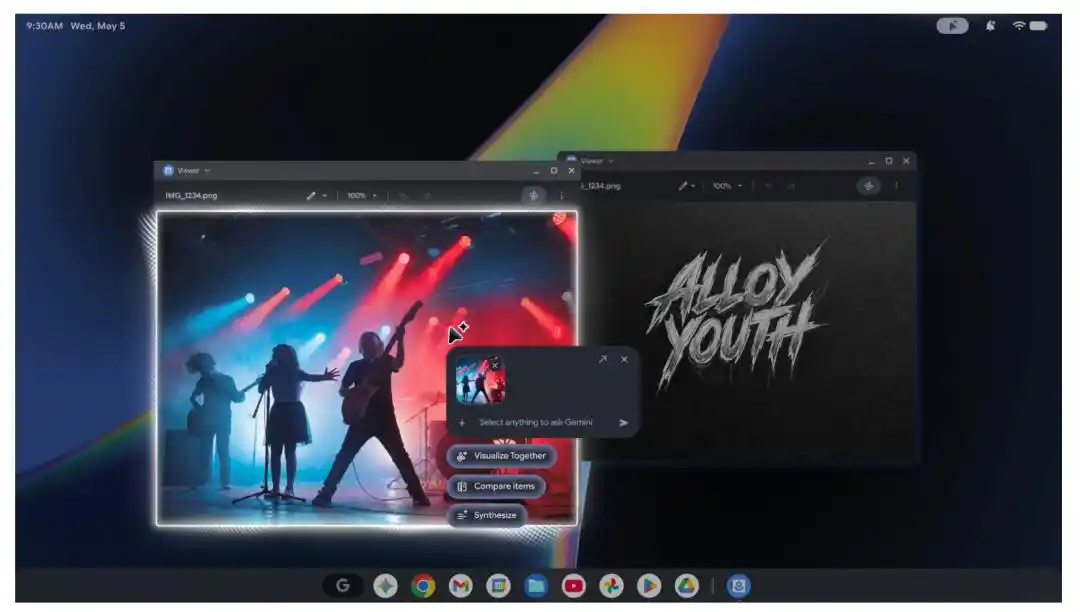
(Image Source: Google)

Furthermore, the implementation approach for the Android Computer is highly diverse. For the Android Computer, Google provides more of a product philosophy and implementation framework; the hardware itself still needs to be built by partner manufacturers. According to Google's announced partner brands, they are mainly divided into two categories: chips and devices. The former includes Intel, Qualcomm, and MediaTek, while the latter includes HP, Lenovo, Acer, Asus, and Dell.

Looking at the chip brands, it's clear Google doesn't care what architecture the Android Computer uses—X86 is fine, ARM is fine. After all, currently, the implementation of AI scenarios on Android PCs still heavily relies on the cloud-based Gemini, making local hardware computing power relatively less important.

In addition, internet and cloud service providers have been offering cloud computer services and are evolving toward the AI PC direction.

Taking Alibaba as an example, in 2024, it launched the Wuying AI Cloud Computer, which not only has powerful cloud hardware configurations but also robust support for large models. By 2026, the Wuying AI Cloud Computer was further upgraded, providing comprehensive support for OpenClaw lobster raising, enabling one-click deployment, direct access to Qianwen (Alibaba's model), and integration with communication tools like DingTalk, Feishu, and WeChat.
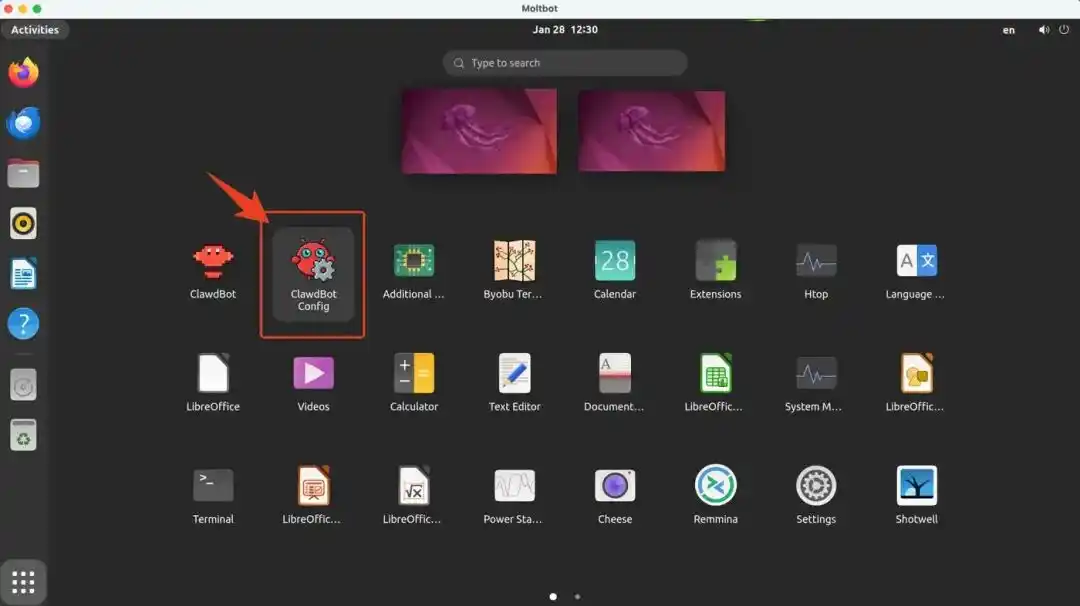
(Image Source: Alibaba Cloud)

Another noteworthy point is that AI giants are engaged in a frenzied arms race in AI infrastructure construction, becoming the "culprit" behind rising storage prices. Moreover, there's no sign of storage prices dropping in the short term. This will further hinder the configuration upgrades of consumer PCs. If the traditional PC iteration model is still used to build AI PCs, progress will become increasingly difficult. Instead of investing heavily in local AI configurations with a clear performance ceiling, it might be better to simply hand over AI tasks directly to the cloud.

The Times Are Changing. How Should PC Manufacturers Respond?

The AI-ification of PCs is an irreversible mega-trend. Players across the entire PC industry chain are racking their brains to figure out how to board the AI PC ship. They play different roles and thus promote AI PCs in different ways.

First are the chip manufacturers. They continue to emphasize the AI computing power of consumer-grade chips and build AI scenarios around it. More importantly, both Intel and AMD are continuously making efforts in the server market, vying for orders from AI giants.

After all, for AI companies to build AI infrastructure, they naturally need to purchase large quantities of AI chips. Besides NVIDIA, the main companies capable of fulfilling these orders are traditional CPU brands like Intel and AMD.

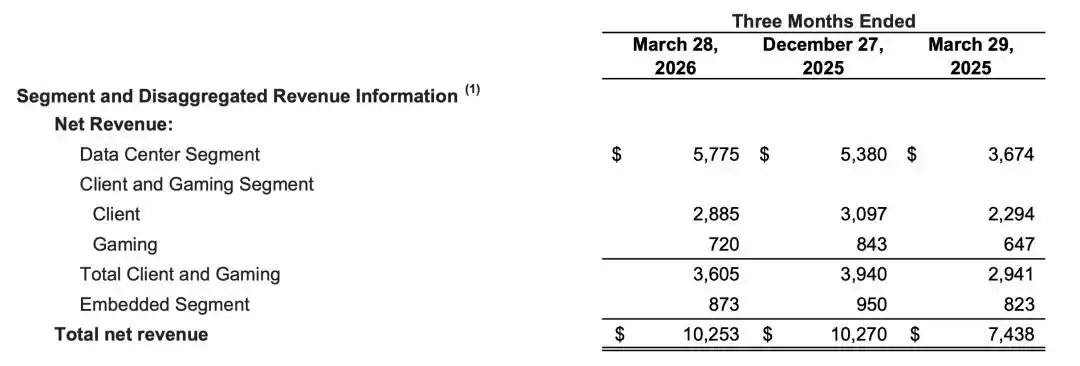
AMD's latest financial report shows that its "Data Center" business segment contributed $5.8 billion in revenue in the first fiscal quarter, accounting for over half of the total. Moreover, both Intel and AMD's production capacities cannot meet order volumes; AMD is already seeking assistance from other foundries like Samsung in addition to TSMC.
(Image Source: AMD)

Next are the device manufacturers. This includes both traditional PC brands like Lenovo, Asus, and HP, as well as emerging brands like Huawei, Xiaomi, and Honor. Currently, their approach to creating AI PCs is mainly based on the traditional architecture of Intel/AMD chips + Windows systems, enhancing PC AI capabilities by embedding software like PC managers and AI agents.

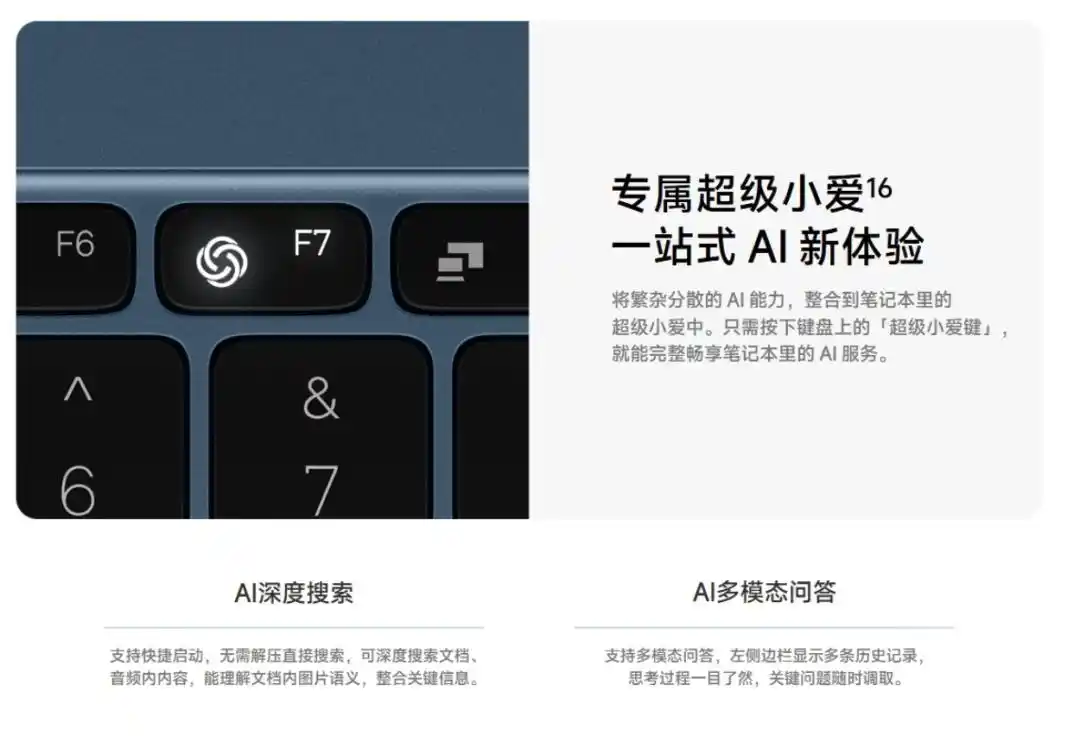
Simultaneously, smartphone brands have an advantage in the AI PC field: they can integrate PC products with other devices in their own hardware ecosystems, such as phones, car infotainment systems, wearables, and smart home devices, enabling seamless cross-device AI capability flow. Taking Xiaomi as an example, the "Super Xiaoai," a tool combining AI agent, AI assistant, voice assistant, and other capabilities, can appear on various devices within the Xiaomi ecosystem.
(Image Source: Xiaomi)

Additionally, Apple is a special case in the AI PC arena. Apple Intelligence was announced very early, but its rollout has been sluggish, leaving Mac's AI-ification in an awkward position. Apple's advantage in the PC field remains its unparalleled hardware-software integration capability, with absolute control over the M-series chips and the macOS system.

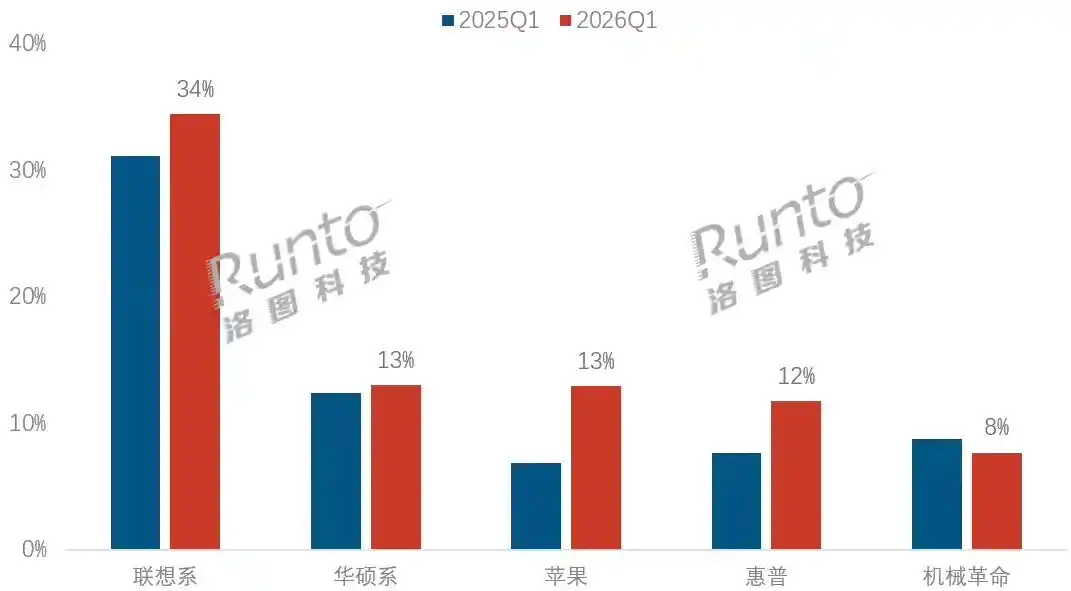
Recently, Apple increased the production of the MacBook Neo from 5 million to 10 million units and is willing to maintain high costs to keep producing the A18 Pro chip. Due to the success of this notebook, according to data from Luotu (Runto) for Q1 online notebook market share, Apple has become the PC brand with the second-largest market share in China, following Lenovo.
(Image Source: Runto)

Against the backdrop of soaring storage prices, the affordable MacBook has shown surprising appeal. Frankly, the MacBook Neo was not initially well-regarded and seemed more like a product to consume A18 Pro inventory. This reflects that Apple is capable of creating successful, affordable PCs. Once it establishes a solid user base, MacBooks empowered by Apple Intelligence could potentially catch up in the AI PC era.

Finally, Microsoft, as the dominant force in PC operating systems, cannot be ignored. Microsoft's actions regarding AI PCs mainly focus on three areas: defining AI PC hardware standards, system restructuring, and hardware architecture diversification.

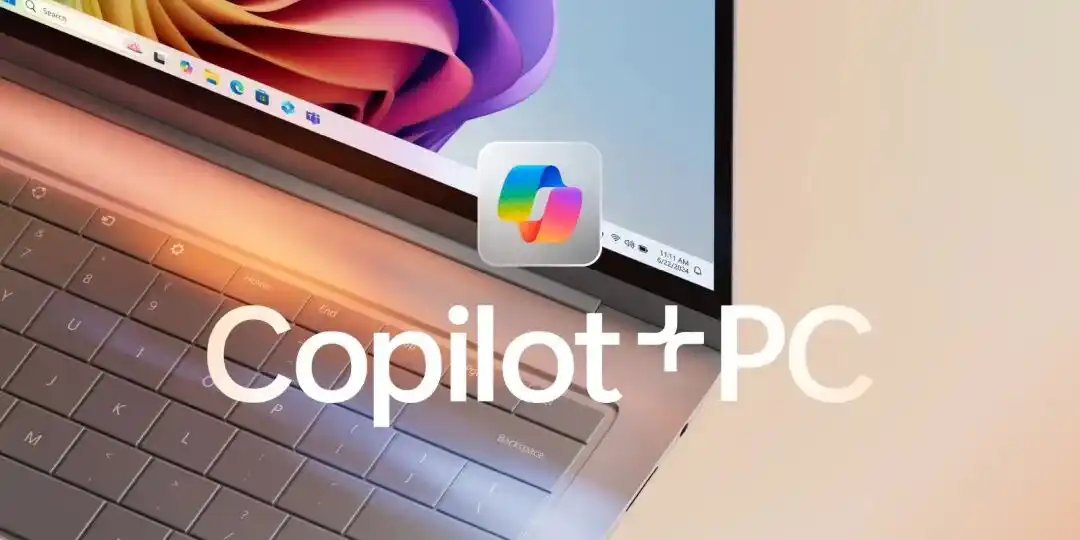
Microsoft requires AI PCs to have at least 40 TOPS of computing power and 16GB or more of RAM. It has introduced the Windows Copilot Runtime into the Windows底层 (底层 means underlying layer/base), integrating multiple small models. Simultaneously, Windows provides AI features like live captions and Recall.
(Image Source: Microsoft)

A key point among these is that Copilot utilizes GPT's large model technology and Bing's internet connectivity capabilities and is deeply integrated into the Windows system, Edge browser, and Office 365, fully leveraging its ecosystem advantages. And this primarily relies on cloud AI capabilities.

In Conclusion

The emergence of the Android Computer challenges the long-solidified traditional PC form. It represents another product philosophy for PC development in the AI era: lightweight locally, heavyweight in the cloud.

In today's world where storage costs remain high and local consumer-grade computing power faces bottlenecks, this approach of breaking down hardware barriers and directly handing over core productivity to cloud-based large models is undoubtedly more imaginative.

Of course, this PC form revolution triggered by AI has just begun. Microsoft and traditional PC manufacturers won't sit idly by. They still emphasize the importance of on-device computing power but are already comprehensively incorporating cloud AI. Apple will also continue to grab market share with its hardware-software integrated ecosystem advantages and its down-market strategy. The upcoming PC market competition will no longer be merely about hardware spec wars but a comprehensive contest involving cloud leverage, system-level AI restructuring, and cross-device ecosystems.

Whether the Android Computer becomes the ultimate answer still needs to withstand tests related to network stability, data privacy, user habit migration, etc. But one thing is certain: AI has fundamentally reshaped the definition of a PC.

The PC of the future may truly no longer need an expensive graphics card and large-capacity memory. It might only require a screen and a network connection to the cloud to unleash productivity. A brand-new era for AI cloud computers is approaching us.

This article is from the WeChat public account "雷科技AGI" (Lei Technology AGI), author: 重嘉 (Chong Jia).

Трендовые криптовалюты

Связанные с этим вопросы

QWhat is the new concept of AI PC introduced by Google with Android Computer, and how is it different from current AI PCs?

AGoogle introduced the Android Computer as an AI PC concept where cloud AI is the core, not an accessory. Unlike current AI PCs which are essentially traditional Windows PCs with AI features layered on top, the Android Computer is built around cloud-based AI. Its functionality heavily relies on the cloud (like Gemini), and it deeply integrates AI throughout the system, such as having AI appear and act directly wherever the mouse pointer moves. This represents a 'light local, heavy cloud' approach.

QWhy has cloud gaming struggled, and why might cloud AI computers face a different challenge?

ACloud gaming has struggled due to its high sensitivity to network latency and quality. Services like Google Stadia required extremely stable, high-speed wired connections for a smooth experience, which was often not practical for many users, especially on mobile networks like 5G. In contrast, cloud AI computers are more tolerant of network conditions because the perceived bottleneck for AI tasks is processing/thinking time (compute power on the server side), not immediate real-time responsiveness. Users are accustomed to AI models taking time to generate responses, whether locally or in the cloud.

QWhat example does the article give of Alibaba's cloud AI computer service?

AThe article cites Alibaba's 'Wuying AI Cloud Computer' as an example. Launched in 2024 and upgraded by 2026, it offers robust cloud hardware and strong large language model support. It specifically provides comprehensive support for 'raising shrimp' on OpenClaw, enabling one-click deployment, direct access to Alibaba's Qianwen model, and integration with communication tools like DingTalk, Feishu, and WeChat.

QHow are chip manufacturers like Intel and AMD involved in the AI PC trend, according to the article?

AChip manufacturers like Intel and AMD are involved in the AI PC trend in two main ways: Firstly, they are enhancing consumer PC processors with dedicated AI computing units (NPUs) to boost on-device AI capabilities for traditional AI PCs. Secondly, and increasingly importantly, they are aggressively competing in the server/data center market to supply the AI chips needed by AI companies (like Google, Microsoft, OpenAI) for their massive cloud infrastructure build-outs. Their server chip orders are surging, contributing significantly to their revenue.

QWhat are the three main areas of action Microsoft is taking regarding AI PCs, as mentioned in the article?

AMicrosoft's actions regarding AI PCs focus on three areas: 1. Defining AI PC hardware standards (e.g., requiring 40+ TOPS of compute power and 16GB+ RAM). 2. System-level AI integration by embedding the Windows Copilot Runtime into the OS and adding native AI features like live captions and Recall. 3. Leveraging its ecosystem by deeply integrating its AI assistant (Copilot), which uses GPT technology and Bing's web capabilities, into Windows, Edge, and Office 365, primarily utilizing cloud AI power.

Похожее

Свадебное дело Чхве Тхэвона закрыто: раскрывая скрытые линии наследования за триллионной империей SK Hynix

Дело о разводе главы SK Group Чхве Тхэвона завершилось, раскрывая сложные сценарии наследования в конгломерате, стоящем за SK Hynix, чья капитализация превысила 1000 трлн вон. В отличие от традиционных сценариев наследования в чеблях, где ключевую роль играют первенец, доли, брачные связи и отцовское признание, трое детей Чхве Тхэвона от бывшей жены Но Соён — дочь Чхве Юнджон (1989 г.р.), дочь Чхве Минджон (1991 г.р.) и сын Чхве Ингын (1995 г.р.) — следуют разными путями. Чхве Юнджон, названная СМИ «наиболее очевидным кандидатом», занимает руководящую должность в SK Inc. и работает над стратегией развития в области биотехнологий и точной медицины, сочетая научную подготовку с бизнес-опытом. Её брак с основателем ИИ-стартапа символизирует новый тип элитных союзов. Чхве Минджон, добровольно служившая в ВМС Республики Корея и работавшая в сфере международной политики в SK Hynix в США, сейчас является основателем ИИ-стартапа в сфере здравоохранения. Её брак с бывшим офицером морской пехоты США подчёркивает связь с геополитическим контекстом, в котором теперь существует полупроводниковый гигант. Чхве Ингын, единственный сын и, казалось бы, естественный наследник по старой логике, сохраняет молчание. Имея образование в области физики, он покинул SK E&S, чтобы присоединиться к McKinsey, что рассматривается как стандартная внешняя стажировка, но без явных сигналов о наследовании. Громкое судебное разбирательство по разводу родителей, связанное с разделом активов на триллионы вон, стало фоном для их путей. По мере того как SK Hynix становится глобальным геополитическим активом в эпоху ИИ, наследование в SK перестаёт быть семейным делом, превращаясь в публичный экзамен на легитимность в новой, сложной реальности. Наследникам предстоит найти свои собственные ответы на вызовы эпохи.

marsbit48 мин. назад

Свадебное дело Чхве Тхэвона закрыто: раскрывая скрытые линии наследования за триллионной империей SK Hynix

marsbit48 мин. назад

Банки выступают против компромисса по доходности стейблкоинов – Найдёт ли закон CLARITY 60 голосов?

Американский Банковский институт политики выступил против нового проекта закона CLARITY Act, указав на пробелы в регулировании доходности стейблкоинов и мерах по борьбе с незаконными финансами. Банковский сектор добивается полного запрета любых форм вознаграждений по стейблкоинам и лоббирует сенаторов, что снижает поддержку со стороны республиканцев. Из-за смерти сенатора Грэма и болезни Макконнелла у республиканцев стало 51 голос. Если сенаторы Кёртис и Корнин откажут в поддержке, эта цифра упадет до 49, а для принятия закона потребуется 60 голосов. Необходимость заручиться поддержкой 11 демократов осложняется тем, что некоторые про-крипто демократы также выступают против законопроекта. Сроки ограничены: до августовских каникул Сената осталось две недели. Лидер большинства Джон Тюн сомневается в успехе до перерыва. Советник Белого дома по криптовалютам Патрик Уитт призывает провести голосование, утверждая, что новые этические нормы устраняют возражения демократов. Вероятность принятия закона в 2026 году, по рыночным оценкам, упала до 32%.

ambcrypto53 мин. назад

Банки выступают против компромисса по доходности стейблкоинов – Найдёт ли закон CLARITY 60 голосов?

ambcrypto53 мин. назад

За 2 месяца оценка выросла с 8,8 до 68 млрд юаней! Крупнейший AI-хаб OpenRouter может быть куплен

Stripe ведет переговоры о приобретении стартапа OpenRouter, агрегатора API крупных языковых моделей, за сумму около 100 миллиардов долларов. Это представляет собой семикратный рост по сравнению с оценкой OpenRouter в 13 миллиардов долларов двумя месяцами ранее. OpenRouter выступает в качестве «маршрутизатора» или агрегатора для более чем 400 AI-моделей (таких как GPT, Claude и множество открытых), позволяя разработчикам через единый API выбирать наиболее подходящую модель для каждой задачи на основе стоимости, скорости и сложности. Это помогает приложениям снижать расходы, автоматически направляя простые запросы к более дешевым моделям. Компания, основанная соучредителем OpenSea Алексом Аталлой, демонстрирует быстрый рост: ее ежегодный доход достиг 50 миллионов долларов, увеличившись в пять раз за полгода. Для Stripe, крупнейшего процессора онлайн-платежей, это вторая крупная сделка в сфере AI-инфраструктуры после приобретения платформы биллинга Metronome в 2025 году. Стратегия Stripe заключается в создании комплексного предложения для AI-экономики: OpenRouter будет «выбирать модель», Metronome — «подсчитывать потребление», а существующие платежные сервисы Stripe — «обрабатывать оплату». Таким образом, Stripe стремится контролировать ключевой уровень инфраструктуры, который определяет распределение трафика между моделями и формирует счета для конечных предприятий. Сделка подчеркивает растущую важность промежуточного слоя, который управляет стоимостью и выбором моделей для миллионов пользователей AI-приложений.

链捕手56 мин. назад

За 2 месяца оценка выросла с 8,8 до 68 млрд юаней! Крупнейший AI-хаб OpenRouter может быть куплен

链捕手56 мин. назад

От OpenSea до OpenRouter: Алекс Аталлах повторяет сценарий «ухода на пике»?

Автор: Нэнси, PANews Алекс Аталла, соучредитель NFT-платформы OpenSea, покинул компанию на пике пузыря NFT четыре года назад. Сейчас он снова оказывается в центре внимания на волне бума ИИ, готовясь продать созданную им агрегирующую платформу AI-моделей OpenRouter по высокой цене. По данным The Wall Street Journal от 23 июля, платежный гигант Stripe ведет переговоры о приобретении OpenRouter, при этом потенциальная оценка сделки может приблизиться к 100 миллиардам долларов. Если сделка состоится, это станет еще одним успехом Аталлы в создании компании на уровне ста миллиардов долларов после OpenSea. Ранее в этом месяце появились сообщения о том, что OpenRouter получил предложения о покупке от нескольких крупных технологических компаний. Потенциальная сделка со Stripe рассматривается как важный шаг для инфраструктурного гиганта в сфере платежей по расширению своего присутствия в области инфраструктуры ИИ. По данным информированных источников, если сделка будет заключена, оценка OpenRouter может приблизиться к 100 миллиардам долларов, что значительно превышает его предыдущие оценки при финансировании. Всего за три года компания добилась быстрого роста благодаря буму больших моделей. Это не первая компания Аталлы стоимостью в сто миллиардов. Ранее он был соучредителем OpenSea, ведущей мировой платформы для торговли NFT, пиковая оценка которой превысила 130 миллиардов долларов. Его уход с OpenSea до серьезного спада на рынке NFT рассматривался как знаковый сигнал. OpenRouter стала крупнейшим хабом в эпоху ИИ, подключившись к более чем 400 AI-моделям, имея около 10 миллионов пользователей и обрабатывая более 200 триллионов токенов в месяц. Однако, несмотря на быстрый рост, это бизнес с большими объемами, но ограниченной рентабельностью. Его основная бизнес-модель заключается в взимании комиссии за платформу (около 5-5,5%) при вызове разработчиками AI-моделей. Конкуренция на рынке агрегации AI-моделей также обостряется. Высокая оценка OpenRouter, возможно, больше отражает его будущий потенциал, чем текущую прибыльность. Для потенциальных покупателей наиболее ценным активом могут быть не текущие доходы, а накопленные реальные данные об использовании ИИ, которые трудно быстро воспроизвести. От NFT к ИИ Алекс Аталла дважды поймал волну технологического бума. Если продажа OpenRouter состоится с оценкой в 100 миллиардов долларов, это может означать либо переоценку стоимости инфраструктуры ИИ, либо сигнал о новом пике цикла. Ответ на этот вопрос даст только время.

链捕手1 ч. назад

От OpenSea до OpenRouter: Алекс Аталлах повторяет сценарий «ухода на пике»?

链捕手1 ч. назад

Приближается ли Биткойн к очередной зоне накопления? ЭТОТ сигнал говорит «да»

Аналитики отмечают, что Bitcoin (BTC) переживает один из самых длительных медвежьих периодов, охватывающий три квартала и два календарных года, при этом его динамика отклонилась от рынка акций. Однако сохраняется корреляция с акциями Apple (AAPL). График соотношения BTC/AAPL с 2017 года движется в восходящем канале, где его нижняя граница традиционно сигнализирует о зоне недооценки (накопления) для Bitcoin, а верхняя — о перекупленности. В настоящее время соотношение приближается к линии поддержки, что, по историческим данным, может предшествовать новой фазе роста BTC. При этом в 2025 году нарушилась многолетняя корреляция годовой доходности Bitcoin с индексами S&P 500 и Nasdaq 100, что объясняется его более резкой реакцией на макроэкономические потрясения. В качестве подтверждающего сигнала для разворота рассматриваются поступления стейблкоинов на криптобиржи, которые указывают на готовность капитала к реинвестированию. За последние семь дней чистый приток составил $1,42 млрд, что значительно меньше оттока в $10 млрд за предыдущие 30 дней и пока недостаточно для уверенного старта ралли. Таким образом, соотношение BTC/AAPL указывает на возможное приближение к зоне накопления, но для подтверждения тренда необходимы более значительные притоки стейблкоинов.

ambcrypto1 ч. назад

Приближается ли Биткойн к очередной зоне накопления? ЭТОТ сигнал говорит «да»

ambcrypto1 ч. назад

Торговля

Спот

Популярные статьи

Неделя обучения по популярным токенам (2): 2026 может стать годом приложений реального времени, сектор AI продолжает оставаться в тренде

2025 год — год институциональных инвесторов, в будущем он будет доминировать в приложениях реального времени.

1.9k просмотров всегоОпубликовано 2025.12.16Обновлено 2025.12.16

Неделя обучения по популярным токенам (2): 2026 может стать годом приложений реального времени, сектор AI продолжает оставаться в тренде

Обсуждения

Добро пожаловать в Сообщество HTX. Здесь вы сможете быть в курсе последних новостей о развитии платформы и получить доступ к профессиональной аналитической информации о рынке. Мнения пользователей о цене на AI (AI) представлены ниже.

活动图片