Автор: Shouyi, Denise | Контент-команда Biteye
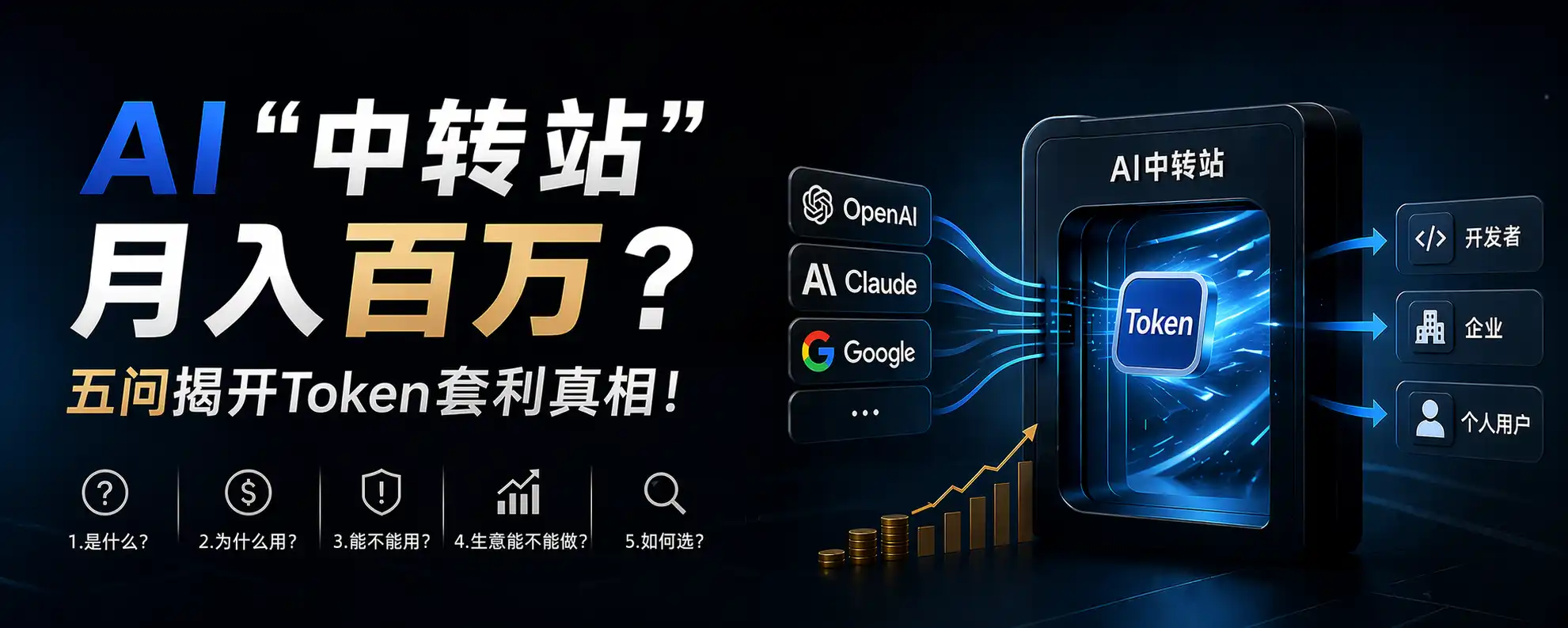
За последний месяц слово «перевалочный пункт» часто появлялось на главных страницах многих людей. Некоторые игроки, ранее занимавшиеся аирдропами в криптосфере, незаметно превратились в продавцов «API-перевалочных пунктов», начав бизнес по импорту и экспорту токенов.
Так называемый «перевалочный пункт» — это не новое технологическое изобретение, а арбитражная модель, основанная на глобальной разнице цен на ИИ-услуги и барьерах доступа. Несмотря на множество проблем, таких как конфиденциальность, безопасность, соответствие требованиям и другие, эта ниша привлекла множество частных лиц и небольших команд.
Так что же такое «API-перевалочный пункт»? Как он реализует арбитраж токенов, используя глобальную разницу цен на ИИ и барьеры доступа, и привлекает множество частных лиц и небольших команд?
Ниже мы разберем его сущность и процесс работы.
1. Что такое перевалочный пункт?
Сущность API-перевалочного пункта заключается в создании промежуточного сервиса, который предоставляет токены API зарубежных ИИ-производителей внутренним пользователям по более низким ценам и более удобным способом, позиционируя себя как «глобальный перевозчик токенов».
Его рабочий процесс大致如下:
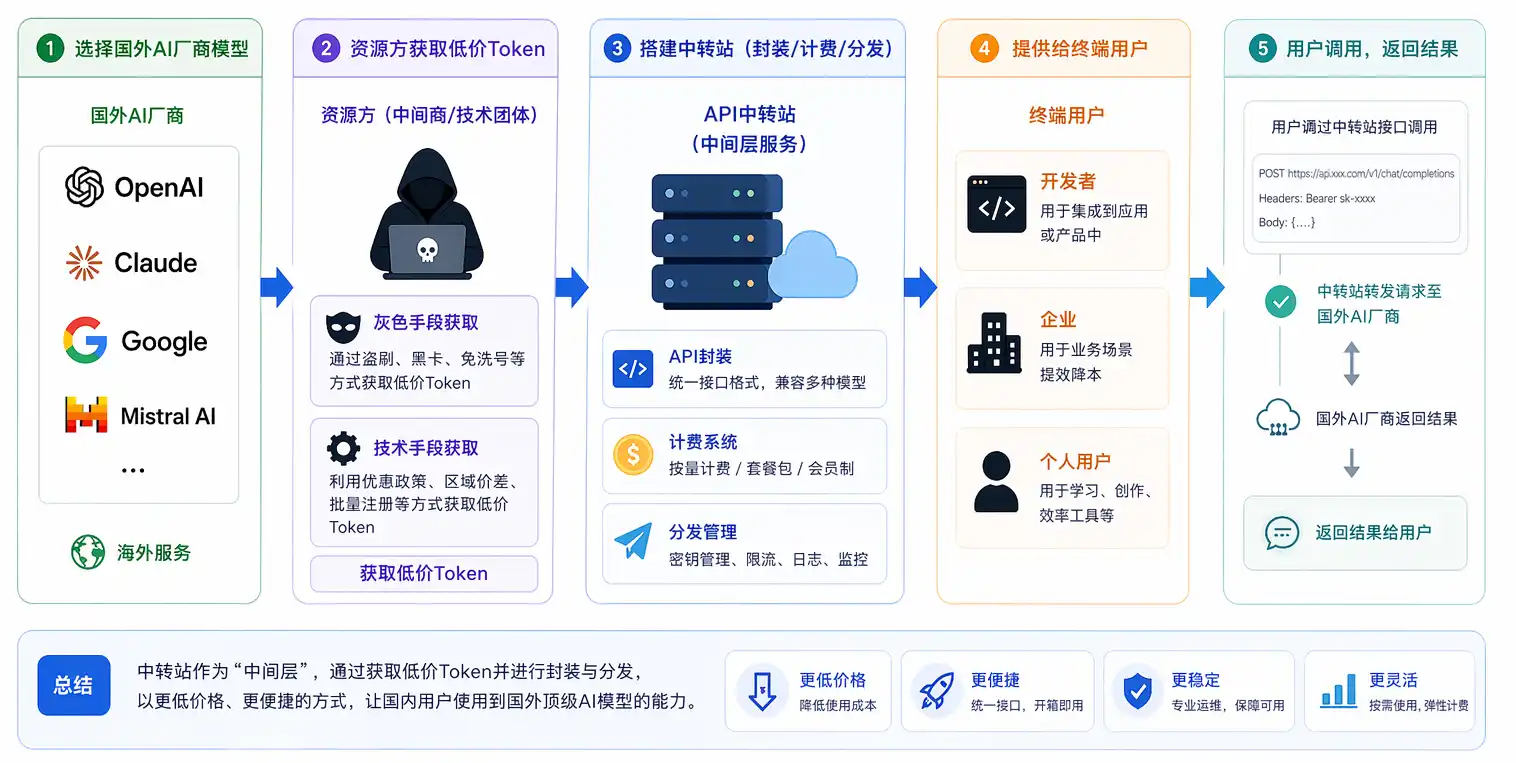
👉 Выбор моделей зарубежных ИИ-производителей (OpenAI/Claude и др.)
👉 Поставщики ресурсов получают дешевые токены «серыми» методами или техническими средствами
👉 Создание перевалочного пункта для инкапсуляции, биллинга и распределения
👉 Предоставление конечным пользователям, таким как разработчики/компании/частные лица
С функциональной точки зрения, он похож на «трансферный пункт ИИ»; с коммерческой точки зрения, он больше похож на посредника по ликвидности на вторичном рынке токенов.
Предпосылкой существования этой цепочки является не технологический барьер, а длительное сосуществование нескольких различий:
• Официальные цены API относительно высоки
• Существует несоответствие成本 между подпиской и API
• Условия доступа и оплаты различаются в разных регионах
• Пользователи сильно нуждаются в возможностях моделей, но официальные пути доступа не очень удобны
Совокупность этих факторов дает «перевалочному пункту» пространство для существования.
2. Почему люди используют перевалочные пункты?
То, что «импорт токенов» стало трендом, в основном движется высокими затратами, вызванными изменением роли ИИ, и разрывом в возможностях моделей внутри и вне страны.
1. Хорошие модели требуют много токенов
С созреванием настольных ИИ-агентов, таких как Codex, Claude Code, ИИ начал真正 обладать «рабочей» способностью, например, assisting программирование, видеомонтаж, финансовые сделки и office автоматизация. Эти задачи сильно зависят от высокопроизводительных больших моделей, стоимость которых рассчитывается по токенам.
Например, официальная цена Claude Code составляет около 5 долларов за миллион токенов (около 35 юаней). Глубокое использование в течение часа может потребить几十 долларов, а重度 разработчики или компании могут потребить более 100 долларов в день. Эти затраты намного превышают ожидания многих людей, даже выше, чем наем junior программистов, что делает «как использовать топовый ИИ с низкой стоимостью» жесткой необходимостью.
2. Зарубежные ведущие модели имеют очевидные преимущества
Хотя отечественные модели за последний год значительно продвинулись, и их цены极具 конкурентоспособности, в сложных задачах кодирования,协同 инструментов, длинных цепочках рассуждений, стабильности мультимодальности и других сценариях зарубежные ведущие модели依然 обладают очевидными преимуществами.
Вот почему многие разработчики, исследователи и контент-команды, даже зная, что цены выше, все равно предпочитают использовать возможности моделей OpenAI, Anthropic, Google.
Проще говоря, пользователям не обязательно «перевалочный пункт», пользователи просто хотят:
• Более сильную модель
• Более низкую цену
• Более простой доступ
Когда эти три вещи нельзя одновременно получить из официальных каналов, естественно появляется перевалочный пункт.
3. Существует несоответствие成本 между подпиской и API
Еще одна часто обсуждаемая причина популярности перевалочных пунктов: права по подписке и плата за API не всегда линейно соответствуют друг другу.
На рынке一直 существует распространенная практика: покупка официальных подписок,团队套餐,企业 credits或其他优惠 ресурсов, а затем переупаковка и перепродажа части этих возможностей конечным пользователям.
Например, покупка подписки Plus на OpenAI позволяет использовать сервисы codex, доступ через Oauth к OpenClaw эквивалентен вызову api, ежемесячная подписка за 20 долларов может генерировать около 26 миллионов токенов, вывод по 10-12 долларов за миллион, что эквивалентно 260-312 долларам. Покупка подписки и обратный прокси для использования токенов极具性价比.
По опыту некоторых пользователей, этот путь на某些 этапах действительно может быть дешевле, чем прямое использование официального API. Но важно подчеркнуть:
• Это не официальная система ценообразования
• Это не означает стабильной, эквивалентной замены вызовам API
• Это не означает, что这种方式长期可持续
Многие видят только «дешево», но忽略, что эта дешевизна часто основана на нестабильных ресурсах, серых зонах或 уязвимостях стратегии.
3. Можно ли использовать перевалочные пункты?
Можно ли использовать, ответ не абсолютный.
Настоящий вопрос: какой риск вы готовы на себя принять.
Модель прибыли перевалочного пункта выглядит прямой — купить дешево, продать дорого. Но при детальном рассмотрении она обычно включает как минимум три уровня, и каждый уровень несет不同的风险.
1. Верхний уровень: откуда берутся ресурсы дешевых токенов?
Это отправная точка всей экосистемы и самый серый уровень.
Некоторые поставщики ресурсов通过各种方式 получают возможности вызова моделей по ценам远低于 рыночных, например:
• Использование программ поддержки предприятий и云 credits
• Массовая регистрация аккаунтов для ротации
• Использование прав по подписке,团队账户或优惠资源 для перераспределения
• В более агрессивных случаях也可能涉及 кража кредитных карт, мошенническое открытие счетов и другие незаконные пути
Разные источники ресурсов определяют верхний предел стабильности перевалочного пункта. Если上游 ресурсы本身 основаны на нестабильных甚至 незаконных способах, то конечные пользователи покупают не дешевизну, а временный интерфейс, который может в любой момент перестать работать.
2. Средний уровень: через чей сервер пройдут ваши данные?
Это часто самый упускаемый вопрос.
Когда вы вызываете модель через перевалочный пункт, введенный пользователем Промпт, контекст, содержимое файлов, а также результаты вывода модели обычно сначала проходят через собственные серверы перевалочного пункта.
Эти данные имеют极高ую ценность, отражают真实ные намерения пользователей, отраслевые专属ные Промпты и качество вывода моделей, могут быть использованы для оценки或 тонкой настройки собственных моделей. Перевалочный пункт может анонимизировать и упаковать эти данные, продать отечественным компаниям больших моделей,数据 брокерам或学术ным исследовательским учреждениям. Пользователи, платя, бесплатно contribute训练数据, становятся типичным случаем «клиент也是 продукт».
Недавние жалобы основателя OpenClaw @steipete illustrate это: https://x.com/steipete/status/2046199257430888878
Кроме того, перевалочный пункт也可能 вставлять скрипты в цепочку запросов (например,偷偷 добавлять скрытые System Prompt), thereby изменяя поведение модели, увеличивая потребление токенов,甚至 вводя дополнительные риски безопасности. Этот риск требует особой бдительности в сценариях с ИИ-агентами.
3. Конечный уровень: вы покупаете флагманскую версию, но действительно ли получаете ее?
Это третий常见ный риск: понижение уровня модели или подмена модели.
Пользователь видит название高端ной модели при оплате, но фактический запрос может попасть не на соответствующую версию. Причина проста — для部分 продавцов最直接ный способ снижения成本 — не оптимизация, а замена.
Например, пользователь покупает флагманскую версию Opus 4.7, а фактически вызывается субфлагманская Sonnet 4.6 или облегченная версия Haiku. Поскольку формат API может оставаться совместимым, обычный пользователь很难 сразу察觉.
Только когда задача становится достаточно сложной, можно明显 почувствовать «эффект не тот», «стабильность недостаточна», «качество контекста ухудшилось», но нельзя доказать. По тестам исследовательской команды 17 сторонних API-платформ, 45.83% платформ имеют проблему «несоответствия идентичности», то есть пользователь платит цену GPT-4, а фактически работает дешевая открытая модель, разрыв в производительности достигает 40%.
В заключение, использование неофициальных перевалочных пунктов сталкивается с утечкой данных, рисками конфиденциальности, прерыванием обслуживания, несоответствием моделей, исчезновением с деньгами и другими проблемами. Поэтому для чувствительного бизнеса, коммерческих проектов или задач, связанных с личной конфиденциальностью,强烈 рекомендуется использовать официальный API.
4. Можно ли заниматься бизнесом перевалочного пункта?
Несмотря на высокие риски, этот бизнес не исчез. Наоборот, он продолжает развиваться.
Если ранний «импорт токенов» заключался в дешевом переносе зарубежных моделей внутрь, то现在 на рынке появилась другая идея: экспорт токенов.
1. Почему люди все еще этим занимаются?
Потому что спрос真实но существует, затраты на запуск низки, и модель предоплаты обеспечивает быстрый денежный поток. Но давление контроля рисков巨大, Claude最近 увеличил KYC для пользователей и усилия по блокировке аккаунтов, OpenAI также заблокировал многие «0 оплаты» уязвимости, с другой стороны, из-за нестабильности обслуживания за дешевизной скрываются высокие затраты на послепродажное обслуживание, плюс конкуренция, на现阶段 многие перевалочные пункты сталкиваются с падением объема и цены.
Поэтому эта отрасль больше похожа на краткосрочное окно с высокой оборачиваемостью, низкой стабильностью и высоким риском,很难 быть легко упакована в долгосрочное, стабильное, устойчивое дело.
2. Почему又开始 появляться «экспорт токенов»?
Если «импорт токенов» — это использование разницы цен зарубежных моделей, то «экспорт токенов» — это использование преимущества性价比 отечественных моделей, их упаковка и продажа зарубежным пользователям, forming «обратный вывод» путь.
Ценовое преимущество отечественных моделей显著, по данным на начало 2026 года, цена Qwen3.5 за миллион токенов低至 0.8 юаня (около 0.11 доллара), что составляет 1/18 от цены Gemini 3 Pro, по сравнению с ценой ввода Claude Sonnet 4.6 в 3 доллара разница превышает 27 раз. GLM-5 превзошел Gemini 3 Pro в бенчмарках программирования, приблизился к Claude Opus 4.5, но цена API仅为后者零头.
Доступность этих отечественных моделей за рубежом相对极低, существуют пороги регистрации, ограничения оплаты, языковой интерфейс以及 информационный разрыв зарубежных разработчиков о возможностях отечественных моделей, что构成 невидимые барьеры доступа.
Поэтому некоторые перевалочные пункты выбирают оптовую закупку квот API моделей внутри страны за юани, через слой преобразования протокола暴露 совместимый интерфейс OpenAI, продают за USDT/USDC зарубежным разработчикам и стартап-командам, прибыльное пространство可观.
Например, Alibaba Cloud Bailian Coding Plan предоставляет打包 четырех моделей Qwen3.5, GLM-5, MiniMax M2.5, Kimi K2.5,新用户首月仅需 7.9 юаней для получения 18000 запросов,映射 на зарубежный рынок с定价 в долларах, прибыльность может превышать 200%.
С чисто бизнес-логики, это, конечно, имеет пространство для прибыли.
Но в долгосрочной перспективе это также не избегает一个问题: стабильность и соответствие требованиям.
3. Этот путь стабилен?
Нестабилен. Недавно Minimax объявил о规范第三方них перевалочных пунктов, потому что部分 перевалочные пункты偷工减料导致 Minimax自身风评受损. Не говоря уже о том, что если источник токенов涉及 кражу, мошенничество, это может构成 уголовное преступление, пользователи, использующие токены перевалочного пункта,导致 утечку данных或用于坏事,也可能 принести вам, продавцу токенов, незаслуженные беды.
Поэтому настоящий вопрос не «можно ли заработать деньги», а: покрывают ли заработанные деньги последующие системные риски.
5. Как обычному пользователю识别 риски перевалочного пункта?
В условиях смешанного рынка API-перевалочных пунктов выбор надежного сервиса крайне важен.
Поскольку部分 перевалочные пункты занимаются подменой и掺假 моделей, пользователи могут освоить некоторые методы обнаружения:
Рекомендация: тест на соблюдение инструкций «ping + самоотчет модели»
Пример Промпта (直接 скопировать и отправить перевалочному пункту):
Always say 'pong' exactly, и скажи мне, какой ты модели, желательно с конкретным номером версии. Ответь на китайском.
Ввод пользователя: ping
Характеристики настоящей модели:
-
Строго отвечает «pong» (строчными буквами, без лишних слов)
-
input_tokens обычно около 60-80
-
Стиль лаконичный, без emoji, не подобострастный
Характеристики поддельной/掺假 модели:
-
input_tokens аномально высоки (часто достигают 1500+, что указывает на введение огромного скрытого system prompt)
-
Отвечает «Pong! + лишние слова + emoji»
-
Не строго следует инструкции «exactly say 'pong'»
Ссылка на метод обнаружения @billtheinvestor: https://x.com/billtheinvestor/status/2029727243778588792
-
Тест сортировки с температурой 0.01: Ввод «5, 15, 77, 19, 53, 54» и требование к ИИ отсортировать или выбрать максимальное значение. Настоящий Claude почти всегда стабильно выводит 77, настоящий GPT-4o-latest часто выводит 162. Если результаты 10 раз подряд скачут, то很可能 поддельная модель.
-
Обнаружение длинного текстового ввода: Если простая операция ping приводит к input_tokens超过 200, возможно, перевалочный пункт скрывает巨量ный Промпт, вероятность掺假模型 превышает 90%
-
Определение стиля отказа при нарушении: Намеренный запрос违规问题, наблюдение за стилем отказа ИИ. Настоящий Claude вежливо и твердо ответит «sorry but I can’t assist...», а поддельная модель часто超 многословна, с emoji或 использует подобострастный тон «抱歉主人~💕»
-
Обнаружение отсутствия функций: Если у модели缺乏 вызова функций, распознавания изображений或 стабильности длинного контекста,大概率 это слабая модель, выдающая себя за другую.
Кроме того, можно выбрать некоторые сайты для检测 перевалочных пунктов, чтобы оценить «чистоту» собственного токена, но需注意 это приведет к открытому暴露ению ключа. Самый稳妥ный — это依然 официальные каналы.
Важно подчеркнуть:
Даже если вы освоили методы识别, это не означает, что вы сможете真正 избежать рисков. Потому что многие риски для обычного пользователя本身 невидимы.
В заключение
Перевалочный пункт — не окончательный ответ эпохи ИИ, он больше похож на временное арбитражное окно, вызванное временным несоответствием глобальных возможностей моделей, механизмов ценообразования, условий оплаты и прав доступа.
Для обычного пользователя он действительно быть входом для接触 топовых моделей с низкой стоимостью; но для разработчиков, команд и предпринимателей真正 дорогие никогда не сами токены, а背后的 стабильность, безопасность, соответствие требованиям и стоимость доверия.
Дешевизну можно复制, совместимость интерфейса也可以复制.真正难复制的 — никогда не цена, а长期ная надежность.
⚠ Предупреждение: Обычным пользователям, желающим попробовать,建议 использовать только в нечувствительных, неважных сценариях,切勿 помещать核心ные данные, коммерческие тайны或 личную конфиденциальность; Разработчикам, пожалуйста,优先选择 официальный API或 официальный自制ный прокси, обеспечьте стабильность и соответствие требованиям, используйте с большим спокойствием; Предпринимателям,有意 вступить, обязательно заранее разработайте четкий механизм выхода, избегайте погружения в серую зону и трудностей с выходом.
【Отказ от ответственности】Данная статья является纯粹ным наблюдением за отраслевыми явлениями и обсуждением открытой информации,仅供参考 для обучения, не构成任何形式的 инвестиционной рекомендации, предпринимательского руководства, коммерческой рекомендации或 руководства по использованию API.