Goldman Sachs Applies for Bitcoin ETF, The Last Wall Street Fortress Falls

marsbitОпубликовано 2026-04-15Обновлено 2026-04-15

Введение

Goldman Sachs has applied for a Bitcoin ETF, marking a dramatic shift in Wall Street's stance toward cryptocurrency. The proposed "Goldman Sachs Bitcoin Premium Income ETF" is not a spot ETF but uses a covered call strategy, holding spot Bitcoin ETF shares (like BlackRock's IBIT) while selling call options to generate premium income. This product targets institutional investors seeking yield rather than speculative gains, effectively packaging Bitcoin's volatility into a tradable income asset. This move follows Morgan Stanley's launch of its own spot Bitcoin ETF (MSBT), which attracted $34 million on its first day. With 16,000 financial advisors managing $9.3 trillion in assets, Morgan Stanley's entry signals a broader institutional adoption phase. Meanwhile, Kevin Warsh, a Fed Chair nominee, disclosed investments in crypto infrastructure like Polymarket and Solana, highlighting deepening political and institutional acceptance. Wall Street's reversal—from JPMorgan CEO Jamie Dimon calling Bitcoin a "fraud" in 2017 to major banks now developing crypto products—underscores a pursuit of profit over ideology. The focus has shifted from debating Bitcoin's legitimacy to monetizing its volatility and integrating it into traditional finance, attracting conservative capital and reshaping the asset’s role in portfolios.

Author: Xiaobing, Deep Tide TechFlow

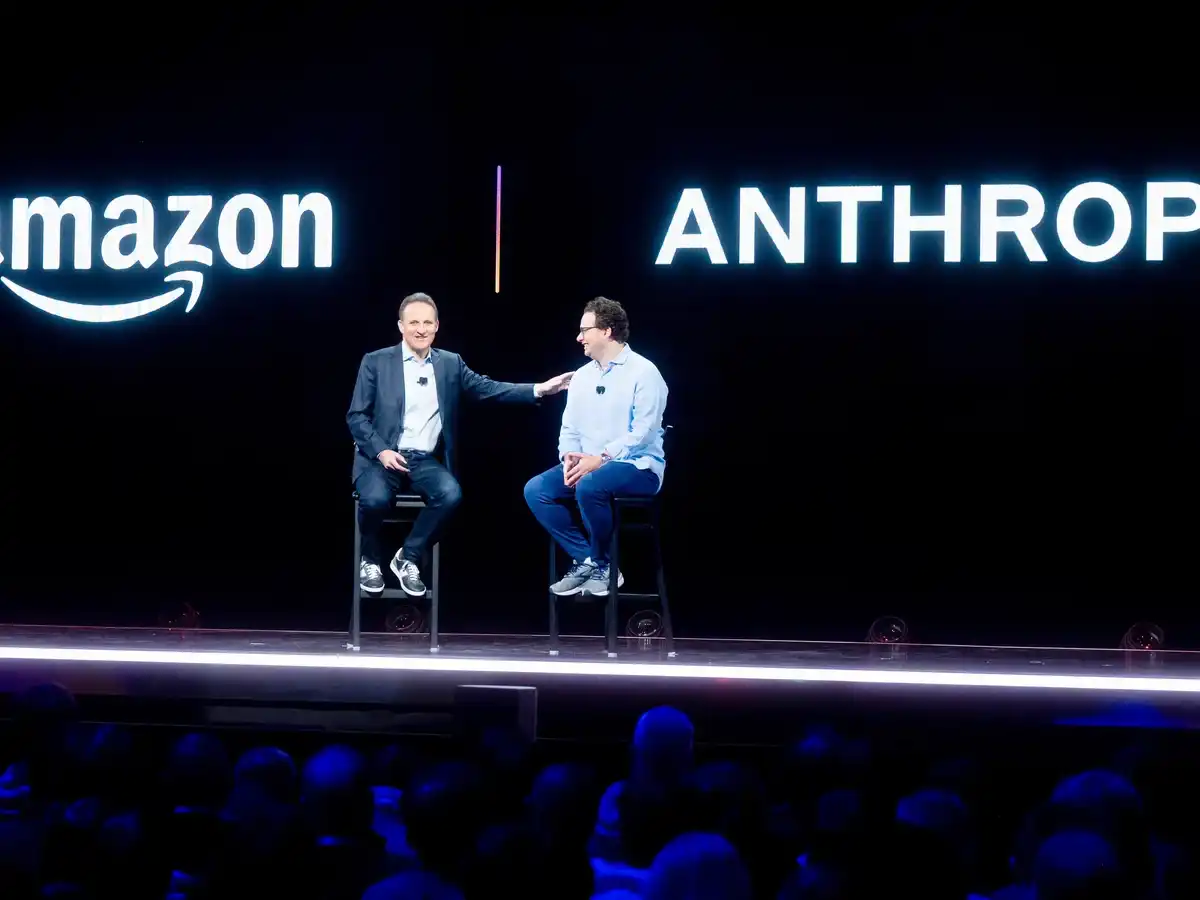
September 12, 2017, New York, CNBC Institutional Investor Conference.

JPMorgan Chase CEO Jamie Dimon stood on stage and threw out a sentence to the fund managers present: "Bitcoin is a fraud, worse than the tulip bubble. If anyone at JPMorgan trades Bitcoin, I will fire them immediately, for two reasons: it violates the rules, and it's stupid."

That day, Bitcoin fell 2%, to $4,106.

Nine years later, on April 14, 2026, Goldman Sachs filed an application with the SEC for the Goldman Sachs Bitcoin Premium Income ETF. Six days earlier, Morgan Stanley's spot Bitcoin ETF (MSBT) had just listed, attracting $34 million on its first day, with an expense ratio of 0.14%.

On the same day, Kevin Warsh, Donald Trump's nominee for Federal Reserve Chair, submitted a 69-page financial disclosure document, which notably listed investments in Polymarket, Solana, the Ethereum development platform Tenderly, and the Bitcoin Lightning Network startup Flashnet.

Three events happened simultaneously within a week.

Wall Street's attitude towards Bitcoin took a full nine years to change from "this is a fraud" to "we make and sell our own products."

Not a Spot ETF, What is Goldman Sachs Selling?

First, a detail the market overlooked: Goldman Sachs did not apply for a spot Bitcoin ETF this time.

It applied for a "Premium Income" ETF, with a core strategy of covered calls. Simply put, the fund holds shares of spot Bitcoin ETFs (primarily BlackRock's IBIT) while simultaneously selling call options, collecting option premiums, and periodically distributing dividends to investors. The option coverage ratio floats between 40% and 100%.

What does this mean? If Bitcoin surges, you only capture part of the gains; if Bitcoin trades sideways or rises modestly, you earn more than just holding Bitcoin outright, thanks to the extra income from option premiums.

Goldman Sachs' choice of this product structure precisely reveals its target client profile: not retail investors looking to 10x their money with Bitcoin, but institutional allocation funds managing hundreds of millions or billions of dollars. These funds need a reason to enter Bitcoin, and that reason cannot be "faith," it must be "yield."

Goldman's ETF essentially says: Bitcoin's volatility itself is an asset that can be monetized. You don't need to bet on the direction; you just need to acknowledge that this market is active enough for option sellers to profit.

This thinking aligns perfectly with BlackRock's upcoming BITA. BITA also employs a covered call strategy, turning Bitcoin's volatility into monthly dividends. The difference is that BlackRock has the massive $55 billion IBIT base for liquidity support, while Goldman Sachs chose not to hold Bitcoin directly, instead holding spot ETF shares indirectly through a Cayman Islands subsidiary to circumvent regulatory constraints.

Two Wall Street giants almost simultaneously locking onto the same product赛道 (sāi dào - track/field) seems to indicate one thing: The war for spot Bitcoin ETFs is over. The next war is "who can package Bitcoin into a product that traditional asset management clients understand."

From Buying Others' Products to Making Their Own: Goldman's Nine-Year Pivot

Looking at the extended timeline, Goldman Sachs' changing attitude towards cryptocurrency is one of the most dramatic turnarounds on Wall Street.

In 2021, Goldman Sachs restarted its cryptocurrency trading desk, beginning to offer clients Bitcoin futures and options trading. Back then, the entire industry was still using rhetoric like "we focus on blockchain technology, not Bitcoin" to express the ambiguity of "I want to touch it but dare not say so."

From late 2024 to early 2025, Goldman's 13F filings began to show its true colors. As of Q4 2024, Goldman Sachs held $1.57 billion worth of Bitcoin ETF shares, with $1.27 billion in BlackRock's IBIT and $288 million in Fidelity's FBTC, a 121% increase from the previous quarter.

By the Q4 2025 13F disclosure, Goldman Sachs indirectly held approximately 13,741 Bitcoin through various spot Bitcoin ETFs, worth about $1.71 billion at the time. More astonishingly, it simultaneously held about $1 billion in Ethereum ETF, $153 million in XRP ETF, and $108 million in Solana ETF. CEO David Solomon was also invited to speak at the World Liberty Financial forum.

It took Goldman less than two years to go from buying others' products to making and selling their own.

Morgan Stanley: 16,000 Financial Advisors Are the Biggest Weapon

Morgan Stanley's节奏 (jiézòu - rhythm/pace) is faster and more aggressive.

MSBT listed on NYSE Arca on April 8th, becoming the first spot Bitcoin ETF directly issued by a major commercial bank in U.S. history. With an expense ratio of 0.14%, it was 11 basis points cheaper than BlackRock's IBIT, starting a price war immediately upon listing.

Bloomberg ETF analyst Eric Balchunas rated MSBT's first-day performance as "top 1% of all ETF launches," predicting assets under management (AUM) could reach $5 billion within a year.

But MSBT's real weapon isn't the fee; it's the distribution network. Morgan Stanley has 16,000 wealth management advisors overseeing $9.3 trillion in client assets. Previously, these advisors could only recommend third-party Bitcoin ETFs; now they can push their own product.

More importantly, Morgan Stanley has already advised clients to allocate 2% to 4% of their investment portfolios to cryptocurrencies. When a platform managing $9.3 trillion gives such allocation advice, even if only a small fraction of clients follow it, the funds flowing into the crypto market would be astronomical.

Morgan Stanley also plans to open spot trading for Bitcoin, Ethereum, and Solana through E*Trade in the first half of 2026 and has already filed applications for Ethereum and Solana trusts. This isn't testing the waters; it's a full-scale rollout.

Coinbase Institutional Business Co-CEO Brett Tejpaul said it aptly: "This marks the second wave of digital asset adoption."

The first wave was the approval of spot ETFs in 2024, with funds flooding in through the ETF channel; the second wave is banks themselves launching products, embedding crypto assets into the complete chain of traditional wealth management.

The Secret in the 69-Page File: The Next Fed Chair Invested in Polymarket and Solana

But the most interesting news this week might not be Goldman Sachs or Morgan Stanley, but Kevin Warsh's 69-page financial disclosure.

Warsh is Trump's nominee for the next Federal Reserve Chair, slated to succeed Jerome Powell, who is stepping down in May. His 69-page OGE 278e form, submitted on April 14th, contained a staggering list of investments: investment in the Ethereum L2 network Blast, investment in the decentralized prediction market Polymarket, equity in Bitcoin Lightning Network startup Flashnet, investment in Tenderly (Ethereum development platform), and prior investment in Bitwise (an asset management company running a spot Bitcoin ETF). Through DCM Investments and AVF series fund structures, Warsh has broad exposure to DeFi lending, decentralized derivatives, L1 and L2 networks, prediction markets, and Bitcoin payment infrastructure.

Although most of these positions are very small (under OGE rules, items not specifying an amount are worth less than $1,000) and Warsh has pledged to divest all upon confirmation, the symbolic significance is immense: the person poised to helm U.S. monetary policy wasn't passively buying a bit of Bitcoin in a brokerage account but was actively seeking out and investing in the most cutting-edge protocols and infrastructure in the crypto ecosystem.

Warsh had previously stated publicly that Bitcoin is "an important asset," a "good police of policy," capable of signaling when the Fed falls behind the inflation curve. Michael Saylor predicted he would become the "first pro-Bitcoin Fed Chair."

If this sentence had been uttered on that afternoon in 2017 when Jamie Dimon called "Bitcoin a fraud," it would probably have been dismissed as the ramblings of a madman.

Wall Street Has No Faith, Only Ledgers

Looking at these three events together, the picture becomes clear.

Wall Street never does anything out of "faith." It does everything for one reason only: profit. When these institutions act collectively, what they see is not the philosophical significance of Bitcoin, but an asset class with annual trading volume in the trillions, volatility consistently above 60%, a maturing options market, and the management fees, trading commissions, and structured product premiums that can be charged around this asset class.

What does this mean for retail investors?

Short-term, more ETFs mean fiercer fee wars. MSBT's 0.14% has already lowered the industry floor. Goldman Sachs and BlackRock's income-focused ETFs will further compete for conservative capital that "wants yield but not full volatility." Bitcoin's entry points for capital are being widened.

Medium-term, when Wall Street starts building yield products around Bitcoin, it is effectively redefining Bitcoin from a "speculative asset" to an "alternative yield asset." This will attract a host of pension funds, insurance capital, and university endowments that were previously scared off by "excessive volatility." Once this money comes in, it's unlikely to leave quickly.

Long-term, when the Fed Chair nominee's portfolio includes Polymarket and Solana, when the two most arrogant investment banks on Wall Street are racing to launch Bitcoin ETF products, the question "Is Bitcoin a legitimate asset?" no longer needs answering.

The question becomes: Where do you stand in this new order?

In 2017, Jamie Dimon said, "I would fire employees trading Bitcoin." In 2026, his peers are falling over themselves to sell Bitcoin to every client walking through the bank's doors.

Wall Street has no faith, only ledgers. When the numbers on the ledger are large enough, any faith will change.


Связанные с этим вопросы

QWhat type of Bitcoin ETF did Goldman Sachs apply for, and what is its core strategy?

AGoldman Sachs applied for a 'Premium Income' Bitcoin ETF, not a spot Bitcoin ETF. Its core strategy is a covered call (option) strategy. The fund holds shares of spot Bitcoin ETFs (primarily BlackRock's IBIT) and simultaneously sells call options to collect premiums, which are then distributed as periodic dividends to investors.

QAccording to the article, what does the collective action of Wall Street firms like Goldman Sachs and Morgan Stanley signal about the Bitcoin market?

AIt signals that the battle for spot Bitcoin ETFs is over, and the next phase is about repackaging Bitcoin into products that traditional asset management clients can understand and accept. It marks a shift from viewing Bitcoin as a speculative asset to an 'alternative yield asset,' aiming to attract conservative institutional capital like pensions and endowments.

QWhat significant detail was revealed in the financial disclosure of Kevin Warsh, the nominee for the next Fed Chair?

AHis 69-page financial disclosure revealed investments in several crypto and DeFi projects, including the Ethereum L2 network Blast, the prediction market Polymarket, Bitcoin Lightning Network startup Flashnet, Ethereum development platform Tenderly, and asset manager Bitwise. This signals a deep, proactive engagement with the crypto ecosystem from a key monetary policy figure.

QWhat is Morgan Stanley's key advantage in launching its own Bitcoin ETF (MSBT)?

AMorgan Stanley's key advantage is its massive distribution network of 16,000 wealth management advisors who oversee $9.3 trillion in client assets. This allows them to directly recommend their own Bitcoin ETF product to a vast existing client base, far surpassing the reach of pure-play ETF issuers.

QWhat is the core reason, as stated in the article's conclusion, for Wall Street's dramatic shift in attitude towards Bitcoin?

AWall Street has no inherent信仰 (faith or belief); it only has ledgers. The core reason for the shift is profit. When the numbers on the ledger became large enough—representing a trillion-dollar asset class with high volatility and mature options markets—Wall Street changed its stance to capitalize on the management fees, trading commissions, and structured product premiums it could generate.

Похожее

Торговля

Спот
Фьючерсы

Популярные статьи

Тест по Bitcoin Биткоина

HTX Learn: Изучите Bitcoin halving и Заработаете Токены USDT

3.0k просмотров всегоОпубликовано 2024.04.16Обновлено 2024.04.16

Тест по Bitcoin  Биткоина

Что такое $BITCOIN

ЦИФРОВОЕ ЗОЛОТО ($BITCOIN): Комплексный анализ Введение в ЦИФРОВОЕ ЗОЛОТО ($BITCOIN) ЦИФРОВОЕ ЗОЛОТО ($BITCOIN) — это проект на основе блокчейна, работающий в сети Solana, который стремится объединить характеристики традиционных драгоценных металлов с инновациями децентрализованных технологий. Хотя он носит имя Биткойн, часто называемого “цифровым золотом” из-за его восприятия как средства хранения ценности, ЦИФРОВОЕ ЗОЛОТО является отдельным токеном, предназначенным для создания уникальной экосистемы в ландшафте Web3. Его цель — позиционировать себя как жизнеспособный альтернативный цифровой актив, хотя детали его применения и функциональности все еще развиваются. Что такое ЦИФРОВОЕ ЗОЛОТО ($BITCOIN)? ЦИФРОВОЕ ЗОЛОТО ($BITCOIN) — это токен криптовалюты, специально разработанный для использования в блокчейне Solana. В отличие от Биткойна, который выполняет широко признанную роль хранения ценности, этот токен, похоже, сосредоточен на более широких приложениях и характеристиках. Примечательные аспекты включают: Инфраструктура блокчейна: Токен построен на блокчейне Solana, известном своей способностью обрабатывать высокоскоростные и недорогие транзакции. Динамика предложения: ЦИФРОВОЕ ЗОЛОТО имеет максимальное предложение, ограниченное 100 квадриллионами токенов (100P $BITCOIN), хотя детали о его обращающемся предложении в настоящее время не раскрыты. Утилита: Хотя точные функциональные возможности не описаны, есть указания на то, что токен может быть использован для различных приложений, потенциально связанных с децентрализованными приложениями (dApps) или стратегиями токенизации активов. Кто создатель ЦИФРОВОГО ЗОЛОТА ($BITCOIN)? На данный момент личность создателей и команды разработчиков, стоящих за ЦИФРОВЫМ ЗОЛОТОМ ($BITCOIN), остается неизвестной. Эта ситуация типична для многих инновационных проектов в области блокчейна, особенно тех, которые связаны с децентрализованными финансами и феноменом мем-криптовалют. Хотя такая анонимность может способствовать культуре, ориентированной на сообщество, она усиливает опасения по поводу управления и ответственности. Кто инвесторы ЦИФРОВОГО ЗОЛОТА ($BITCOIN)? Доступная информация указывает на то, что у ЦИФРОВОГО ЗОЛОТА ($BITCOIN) нет известных институциональных спонсоров или значительных венчурных капиталовложений. Проект, похоже, функционирует по модели пирингового взаимодействия, сосредоточенной на поддержке и принятии сообществом, а не на традиционных путях финансирования. Его активность и ликвидность в основном сосредоточены на децентрализованных биржах (DEX), таких как PumpSwap, а не на устоявшихся централизованных торговых платформах, что еще больше подчеркивает его подход, ориентированный на grassroots. Как работает ЦИФРОВОЕ ЗОЛОТО ($BITCOIN) Операционные механизмы ЦИФРОВОГО ЗОЛОТА ($BITCOIN) можно подробно описать на основе его дизайна блокчейна и характеристик сети: Механизм консенсуса: Используя уникальный механизм доказательства истории (PoH) Solana в сочетании с моделью доказательства доли (PoS), проект обеспечивает эффективную валидацию транзакций, что способствует высокой производительности сети. Токеномика: Хотя конкретные дефляционные механизмы не были подробно описаны, большое максимальное предложение токенов подразумевает, что оно может быть предназначено для микротранзакций или нишевых случаев использования, которые еще предстоит определить. Интероперабельность: Существует потенциал для интеграции с более широкой экосистемой Solana, включая различные платформы децентрализованных финансов (DeFi). Однако детали относительно конкретных интеграций остаются неуточненными. Хронология ключевых событий Вот хронология, которая подчеркивает значимые вехи, касающиеся ЦИФРОВОГО ЗОЛОТА ($BITCOIN): 2023: Первоначальное развертывание токена происходит в блокчейне Solana, отмеченное его адресом контракта. 2024: ЦИФРОВОЕ ЗОЛОТО приобретает видимость, когда оно становится доступным для торговли на децентрализованных биржах, таких как PumpSwap, позволяя пользователям обменивать его на SOL. 2025: Проект наблюдает спорадическую торговую активность и потенциальный интерес к инициативам, возглавляемым сообществом, хотя на данный момент не зафиксировано никаких значительных партнерств или технических достижений. Критический анализ Сильные стороны Масштабируемость: Основная инфраструктура Solana поддерживает высокие объемы транзакций, что может повысить полезность $BITCOIN в различных сценариях транзакций. Доступность: Потенциально низкая цена торговли за токен может привлечь розничных инвесторов, способствуя более широкому участию благодаря возможностям дробного владения. Риски Отсутствие прозрачности: Отсутствие публично известных спонсоров, разработчиков или процесса аудита может вызвать скептицизм относительно устойчивости и надежности проекта. Волатильность рынка: Торговая активность сильно зависит от спекулятивного поведения, что может привести к значительной волатильности цен и неопределенности для инвесторов. Заключение ЦИФРОВОЕ ЗОЛОТО ($BITCOIN) является интригующим, но неоднозначным проектом в быстро развивающейся экосистеме Solana. Хотя он пытается использовать нарратив “цифрового золота”, его отход от установленной роли Биткойна как средства хранения ценности подчеркивает необходимость более четкого различения его предполагаемой утилиты и структуры управления. Будущее принятие и усвоение, вероятно, будут зависеть от решения текущей непрозрачности и более четкого определения его операционных и экономических стратегий. Примечание: Этот отчет охватывает синтезированную информацию, доступную на октябрь 2023 года, и с тех пор могут произойти события.

99 просмотров всегоОпубликовано 2025.05.13Обновлено 2025.05.13

Что такое $BITCOIN

Fractal Bitcoin: масштабирование Биткоина с помощью рекурсивной системы

Fractal Bitcoin — масштабное Layer-1-решнение, созданное на базе кода Биткоина, позволяющего достигать бесконечного масштабирования с помощью рекурсивного подхода.

2.2k просмотров всегоОпубликовано 2025.06.30Обновлено 2025.06.30

Fractal Bitcoin: масштабирование Биткоина с помощью рекурсивной системы

Обсуждения

Добро пожаловать в Сообщество HTX. Здесь вы сможете быть в курсе последних новостей о развитии платформы и получить доступ к профессиональной аналитической информации о рынке. Мнения пользователей о цене на BTC (BTC) представлены ниже.

活动图片