Автор: Луна
Эта статья является оригинальной авторской работой, представленной по инициативе автора. Точки зрения выражают личное понимание автора, ETHPanda отредактировала и структурировала содержание.
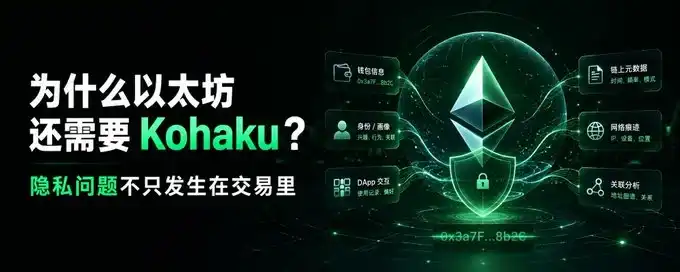
Команды, связанные с Ethereum Foundation, в последнее время начали более активно объяснять сообществу направление развития работы по приватности вокруг Kohaku. Сообщество уже проявляет значительный интерес к этому названию, но также существуют некоторые сомнения: это кошелек, протокол или набор более низкоуровневых инструментов для разработчиков? Эта статья попытается объяснить проблемы, которые Kohaku стремится решить, более доступным способом.
Kohaku указывает не на одну отдельную функцию, а на тему, которая становится все более неотъемлемой частью долгосрочного пользовательского опыта в Ethereum: приватность. Он связывает протоколы приватности, опыт работы с кошельками, инструменты разработчиков и повседневное использование пользователями, пытаясь сделать эти возможности доступными не только в исследовательских работах или инструментах для продвинутых пользователей.
Если резюмировать в одном предложении: то, что пытается сделать Kohaku — это позволить пользователям Ethereum сохранять базовые информационные границы при использовании открытой сети.
1. Сначала поймите проблему: почему в Ethereum существует тревога по поводу приватности?
Мощь Ethereum во многом исходит из его «открытости». Транзакции, контракты, потоки активов, взаимодействия адресов — все это может быть проверено и проаудировано кем угодно. Эта прозрачность сделала возможными открытые финансы (DeFi), ончейн-управление и композируемые приложения.
Но тот же самый механизм создает побочный эффект: действия обычных пользователей в блокчейне по умолчанию почти полностью раскрыты. По одному адресу можно определить, какие активы хранит пользователь, в каких протоколах участвовал, когда совершал платежи или получал средства, с какими адресами взаимодействовал, и даже можно сделать выводы о некоторых социальных связях или экономическом статусе.
В реальной жизни мы не вывешиваем на общедоступной доске объявлений выписки по банковской карте, историю покупок, социальные связи и размер зарплаты. Но в мире блокчейна, если пользователь долгое время использует один и тот же адрес, подобная утечка информации может легко произойти.
Таким образом, проблема приватности в Ethereum не сводится к простому «хочет ли кто-то скрыть что-то плохое». Это скорее вопрос базовых прав пользователя: когда ончейн-приложения все больше приближаются к реальной жизни, могут ли пользователи по-прежнему решать, какая информация должна быть публичной, а какая должна раскрываться только в необходимых случаях?
2. Что такое Kohaku Initiative?
Kohaku — это набор инструментов (tooling) в экосистеме Ethereum, ориентированных на приватность (privacy-first). Он фокусируется на кошельках, протоколах приватности, интеграции для разработчиков и пользовательском опыте. Это не отдельное потребительское приложение и не просто один протокол.
В документации Kohaku указаны направления работы над инструментами для протоколов пулов приватности, таких как Railgun, Privacy Pools, Tornado, причем некоторые из них все еще находятся на стадии WIP или альфа-версии; репозитории на GitHub также продолжали объединять соответствующие реализации и обновления версий в конце мая. Таким образом, Kohaku больше похож на набор инфраструктурных инструментов для приватности, которые все еще находятся в разработке, а не на полностью готовый продукт.
Он отвечает на очень конкретный вопрос: в Ethereum уже есть некоторые протоколы приватности и криптографические возможности; как кошельки и приложения могут проще, безопаснее и естественнее интегрировать их в реальные сценарии использования?
💡 Ключевое слово для Kohaku — не «тайна», а «пригодность для использования» (usable): превращение возможностей приватности в базовые компоненты, которые кошельки и приложения могут вызывать, пользователи могут понимать, а экосистема может улучшать.
3. Почему Kohaku — это «догоняющая работа» по инфраструктуре?
За последние несколько лет экосистема Ethereum потратила огромные усилия на решение проблем масштабируемости, L2, абстрактных аккаунтов, модульности, доступности данных. Эта работа сделала транзакции дешевле, пропускную способность выше, а развертывание приложений — более гибким. Но для обычного пользователя не менее важен другой вопрос: будут ли мои действия в блокчейне навсегда, полностью и без контекста раскрыты всем?
Технологии приватности появились не сегодня. Проблема в том, что многие решения в области приватности долгое время оставались на уровне протокола, исследований или продвинутых пользователей. Пользователям нужно было понимать сложные концепции, кошелькам требовалась дополнительная адаптация, а у разработчиков не было достаточно удобных способов интеграции. Таким образом, возможности приватности существовали, но не стали частью опыта по умолчанию.
Kohaku как раз заполняет этот промежуточный слой — «от протокола до опыта». Приватность не должна быть просто особенностью какого-то отдельного инструмента; она может постепенно проникать в более повседневные аспекты, такие как дизайн кошельков, управление аккаунтами, доступ к RPC, потоки средств и интерфейсы для разработчиков.
4. Какие конкретные проблемы может решать Kohaku?
1. Приватность на уровне кошелька: приватность должна быть во входной точке
Кошелек — это первая точка входа для подавляющего большинства пользователей в Ethereum. Если возможности приватности не интегрированы в кошелек, обычным пользователям будет сложно по-настоящему их использовать.
Сегодня, подключаясь к dApp, пользователи часто напрямую раскрывают адрес, который используют долгое время. Этот адрес может одновременно использоваться для DeFi, NFT, социальных взаимодействий, получения платежей и голосования. Как только эти действия будут связаны воедино, адрес перестанет быть просто техническим идентификатором и превратится в публичный профиль, доступный для анализа.
Концепция «many accounts, many you» (много аккаунтов, много тебя), упомянутая в документации Kohaku, предлагает интуитивно понятную идею: в реальной жизни человек использует разные личности в разных ситуациях. Применительно к опыту в блокчейне, кошелек также может позволить пользователям легче создавать и управлять разными аккаунтами для разных dApp и целей, а также пополнять и использовать их более приватным способом.
2. Приватность транзакций: от «полной открытости» к «контролируемой видимости»
Транзакции в Ethereum по умолчанию прозрачны: отправитель, получатель, сумма и данные транзакции могут быть видны. Но не все транзакции требуют полного и вечного раскрытия всего контекста всей сети.
Это не означает, что Ethereum должен превратиться в полностью «черный ящик». Более разумное направление — «контролируемая видимость»: пользователи при необходимости могут доказывать, раскрывать, проводить аудит, но не обязаны раскрывать всю информацию без разбора всем наблюдателям.
Протоколы пулов приватности, такие как Railgun, Privacy Pools, пытаются предоставить такие возможности. Роль Kohaku больше похожа на помощника для кошельков и приложений в интеграции этих возможностей протоколов в удобный опыт использования.
3. Приватность RPC и сети: сам запрос может раскрывать информацию
Многие, говоря о приватности в блокчейне, фокусируются только на том, публична ли транзакция, но упускают другую проблему: когда кошелек запрашивает данные из блокчейна, это также может раскрывать, на что смотрит пользователь, что проверяет, какие адреса его интересуют.
Кошелькам обычно необходимо получать информацию из блокчейна через RPC (Remote Procedure Call). Если все запросы проходят через централизованный RPC-сервис, поведение пользователя при запросах само по себе может сформировать профиль. Поэтому в документации Kohaku упоминаются такие направления, как private RPC, пользовательские RPC, легкие клиенты (light clients), а также проверка результатов, возвращаемых ненадежными RPC, с помощью таких решений, как Helios.
Такая работа может звучать не так впечатляюще, как «приватные транзакции», но она критически важна для реального пользовательского опыта. Потому что приватность важна не только в момент отправки транзакции, но и на каждом этапе, когда кошелек загружает баланс, просматривает историю, подключается к приложениям и запрашивает данные.
4. Удобство для разработчиков: приватность не должна оставаться только в научных статьях
Чтобы технологии приватности вошли в мейнстрим приложений, разработчики должны иметь возможность понимать и интегрировать их с низкими затратами. В противном случае даже самые мощные криптографические возможности будут служить лишь небольшому числу команд, знакомых с низкоуровневыми механизмами.
Kohaku через наборы инструментов (toolkits), документацию и реализации для кошельков разбивает эти проблемы на модули, более доступные для разработчиков: какие протоколы приватности можно интегрировать? Как кошельки обрабатывают аккаунты? Как пользователь выполняет shield / unshield (экранирование / снятие экранирования)? Как сохранить необходимые возможности доказательства, защищая приватность?
Эта работа требует не только кода, но и понимания в экосистеме. Командам кошельков, протоколов, разработчикам приложений и обычным пользователям необходимо более четко понимать: какие именно проблемы решает Kohaku и как эти возможности войдут в повседневное использование.
5. Несколько распространенных заблуждений: приватность — это не просто лозунг
Заблуждение 1: Приватность — это инструмент для анонимных преступлений
Это самое распространенное и самое легко сбивающее с толку обсуждение заблуждение. В реальности приватность — это базовая потребность обычных людей: вы не хотите, чтобы все ваши платежные записи, состояние активов и социальные связи могли быть в любое время проверены незнакомцами. Приватность в блокчейне работает по той же логике.
Конечно, инструменты приватности должны учитывать риски злоупотреблений и исследовать механизмы доказательства, раскрытия информации и управления рисками. Но нельзя отрицать законные потребности пользователей в приватности только из-за существования рисков.
Заблуждение 2: В Ethereum уже есть протоколы приватности, значит проблема решена
Между «наличием инструмента» и «возможностью его естественного использования пользователем» большая дистанция. Обычные пользователи не будут изучать сложные протоколы для каждого повседневного взаимодействия и не станут брать на себя риски безопасности, связанные с высокопороговыми операциями.
Поэтому ключевым моментом является интеграция возможностей приватности в кошельки, процессы по умолчанию и интерфейсы разработчиков. Только когда пользователям не нужно становиться экспертами по криптографии, чтобы делать более безопасный выбор, приватность достигнет уровня продукта.
Заблуждение 3: Kohaku — это отдельный продукт
Kohaku — это не единый продукт, а совокупность работ, сфокусированных на наборах инструментов для протоколов приватности, реализациях кошельков, лучших практиках, приватности RPC и интеграции для разработчиков.
Таким образом, оценивать Kohaku следует не только по тому, выпустила ли она отдельное приложение, но и по тому, смогут ли эти инструменты быть восприняты большим количеством кошельков и приложений и стать частью опыта по умолчанию.
Заблуждение 4: Приватность и соответствие требованиям (compliance) обязательно конфликтуют
Между приватностью и соответствием требованиям действительно существует напряжение, но это не обязательно выбор «или-или». Более важным направлением в будущем может стать минимализация раскрытия информации, избирательное раскрытие, верифицируемые утверждения (verifiable claims), изоляция рисков и авторизация пользователя.
Другими словами, хороший дизайн приватности заключается не в том, чтобы вся информация исчезла, а в том, чтобы информация раскрывалась только в подходящих сценариях, с подходящей степенью детализации и подходящим объектам.
6. Что почувствуют пользователи, когда эти возможности появятся в кошельках?
Если такие работы, как Kohaku, будут приняты большим количеством кошельков, обычные пользователи, возможно, в первую очередь почувствуют не сложные криптографические концепции, а несколько изменений, более близких к повседневному использованию.
- Кошельки могут активнее поощрять пользователей управлять аккаунтами по сценариям, а не привязывать все действия к одному долгосрочному адресу.
- Порог входа для использования протоколов приватности может снизиться, но это зависит от интеграции в кошельках, зрелости протоколов и прогресса аудитов безопасности.
- Кошельки могут уделять больше внимания проблемам утечек на уровне RPC, запросов и сети; пользователи будут защищать не только сами транзакции, но и свое поведение при запросах.
- У пользователей может появиться больше выбора: когда раскрывать информацию, кому и в каком объеме.
Эти изменения не произойдут в одночасье и не означают, что все кошельки мгновенно встроят сложные функции приватности. Но они указывают в одном направлении: зрелость пользовательского опыта в Ethereum должна проявляться не только в том, что он становится дешевле и быстрее, но и в том, что он становится безопаснее и с более четкими границами.
7. На что следует обратить внимание разработчикам?
Для разработчиков суть Kohaku не в том, чтобы требовать от всех приложений немедленно перейти на принцип «приватность прежде всего», а в том, чтобы сделать возможности приватности более понятными, тестируемыми и интегрируемыми.
В прошлом многие приложения по умолчанию требовали от пользователей подключения с одного и того же адреса и строили все взаимодействия на основе отслеживаемости адреса. По мере созревания инструментов приватности команды разработчиков продуктов могут пересмотреть: поддерживать ли более детализированную идентификацию? Уменьшать ли ненужное раскрытие данных? Делать ли защиту приватности более естественным процессом по умолчанию, а не скрывать ее в расширенных настройках?
Особенно это касается команд, разрабатывающих кошельки. Кошелек — это не просто инструмент для подписи, но и слой управления идентичностью пользователя, активами, разрешениями и информационными границами. Ценность Kohaku в конечном итоге будет определяться тем, смогут ли эти сложные технологии быть преобразованы в простые, надежные и низкотравматичные (low-friction) взаимодействия.
Заключение: Приватность — это часть мозаики, ведущей Ethereum к повседневности
Если бы Ethereum был просто открытым реестром, используемым небольшим числом разработчиков и трейдеров, то давление на приватность, вызванное прозрачностью, возможно, было бы не так заметно. Но если Ethereum должен поддерживать более широкий спектр платежей, идентичности, социальных взаимодействий, организационного сотрудничества и финансовой деятельности, приватность перестает быть периферийной темой.
Именно в этом заключается важность Kohaku Initiative: она не просто утверждает, что «Ethereum нуждается в приватности», а возвращает приватность на позиции, которые действительно влияют на пользовательский опыт — кошельки, протоколы и инструменты разработчиков.
Kohaku все еще строится и развивается, но он отвечает на очень реальный вопрос: в мире блокчейна, который по умолчанию открыт, как пользователи могут вновь обрести право выбора?
Возможно, это также вопрос, на который должен ответить пользовательский опыт Ethereum на следующем этапе. По-настоящему зрелая общественная инфраструктура — это не только возможность для каждого участвовать, но и возможность для каждого сохранять разумные границы при участии.