Пакет токенов уже в продаже: телеком-операторы занервничали?
"Взрывной прорыв! Пакеты токенов от операторов связи: спешка или новая стратегия?"
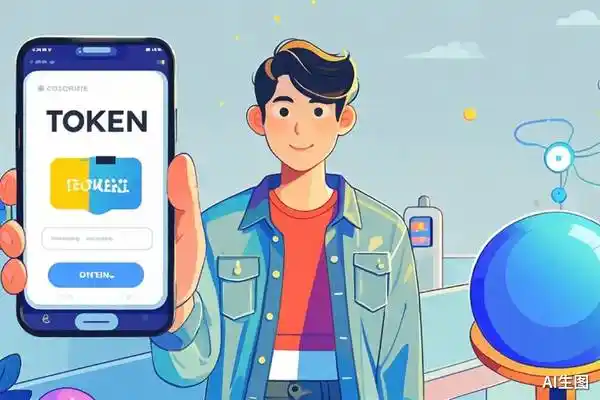
В середине мая 2026 года китайские телекоммуникационные гиганты — China Telecom, China Mobile и China Unicom — анонсировали пакетные услуги по продаже токенов (единиц вычислений для ИИ) для частных пользователей и бизнеса. Shanghai Telecom первой запустила тарифы: 1 юань за 250 тыс. токенов по мере использования или 9,9 юаня в месяц за 10 млн токенов.
Этот шаг вызвал бурную реакцию в соцсетях. Многие пользователи критикуют высокие цены, отмечая, что стоимость токенов у операторов в 40 раз выше, чем у ведущих моделей, таких как DeepSeek. Другие признаются, что не понимают, что такое токен и зачем его покупать. Опросы показывают, что даже сотрудники служб поддержки операторов плохо знакомы с новым продуктом.
За этим нововведением стоят глубокие проблемы операторов связи. Отчеты за 2025 год показывают, что рост их традиционного бизнеса (звонки, мобильный интернет) практически остановился, а средний доход на пользователя (ARPU) снижается. Продажа токенов — это попытка найти новую кривую роста в эпоху ИИ.
Однако текущие предложения операторов для массового потребителя (например, вырезка фона на фото или создание виртуальных питомцев) не выглядят убедительными и не являются насущной потребностью. Пользователи предпочтут специализированные сервисы вроде Meitu. По сути, операторы выступают в роли "канала" или "супермаркета моделей", агрегируя API десятков крупных языковых моделей, включая DeepSeek и GLM. Их ключевое преимущество — возможность оплаты токенов напрямую со счета за мобильную связь и их использование в разных моделях.
Эксперты видят более масштабную картину. Стремительный рост ежедневного потребления токенов в Китае (со 100 млрд в начале 2024 до 140 трлн к марту 2026 года) требует создания национальной единой вычислительной сети ("сети грид"). Здесь операторы связи с их разветвленной инфраструктурой базовых станций и сетей имеют решающее преимущество перед облачными провайдерами (AliCloud, Tencent Cloud и др.).
Если облачные компании — это "электростанции", производящие мощные ИИ-модели, то операторы связи строят "электросеть" для доставки вычислительных ресурсов (токенов) конечным пользователям и устройствам, особенно там, где критически важны низкая задержка и стабильность (например, для беспилотных автомобилей). Их цель в эпоху ИИ — не создать самую лучшую модель, а стать ближайшим к пользователю поставщиком вычислительных мощностей, когда они станут такой же коммунальной услугой, как электричество или вода.
marsbit05/22 10:17