Why 2026 could redefine Ethereum, Solana, Base and Avalanche

ambcryptoОпубликовано 2026-07-07Обновлено 2026-07-07

Введение

Blockchain infrastructure is undergoing a major coordinated transformation, driven by institutional demand for reliability, compliance, and predictable settlement. Over $30 billion in Real-World Assets (RWA) on-chain has exposed network weaknesses. Major blockchains are responding with foundational upgrades, moving beyond incremental speed improvements. Ethereum's "Glamsterdam" upgrade, planned for H1 2026, will significantly increase gas limits and introduce features like PBS (pre-blocked state) for enhanced settlement and parallel execution. Solana's "Alpenglow," targeting a mainnet launch in H2 2026, focuses on reducing finality time dramatically and freeing network resources to improve reliability. Beyond speed, compliance is critical. Base's "Beryl" upgrade in Q3 2026 will introduce a standardized, regulatory-compliant token framework (B20). Avalanche's "Octane" upgrade aims to boost transaction processing and reduce costs for enterprise applications. Even Bitcoin is evolving with the potential activation of OP_CAT by late 2026/early 2027. The competition is shifting. While technical upgrades are widespread, institutions will ultimately allocate capital based on proven execution, operational resilience, and regulatory compatibility during market stress. Ethereum currently leads in tokenized assets, while networks like Base and Solana are strengthening their institutional offerings. The blockchain that best delivers reliable, compliant, and uninterrupted service is poi...

As Q3 rolls out, blockchain infrastructure is entering its biggest coordinated transformation to date. It includes rising institutional demand rather than another race for retail adoption.

More than $30 billion in RWA now sits on public blockchains, exposing weaknesses in existing networks.
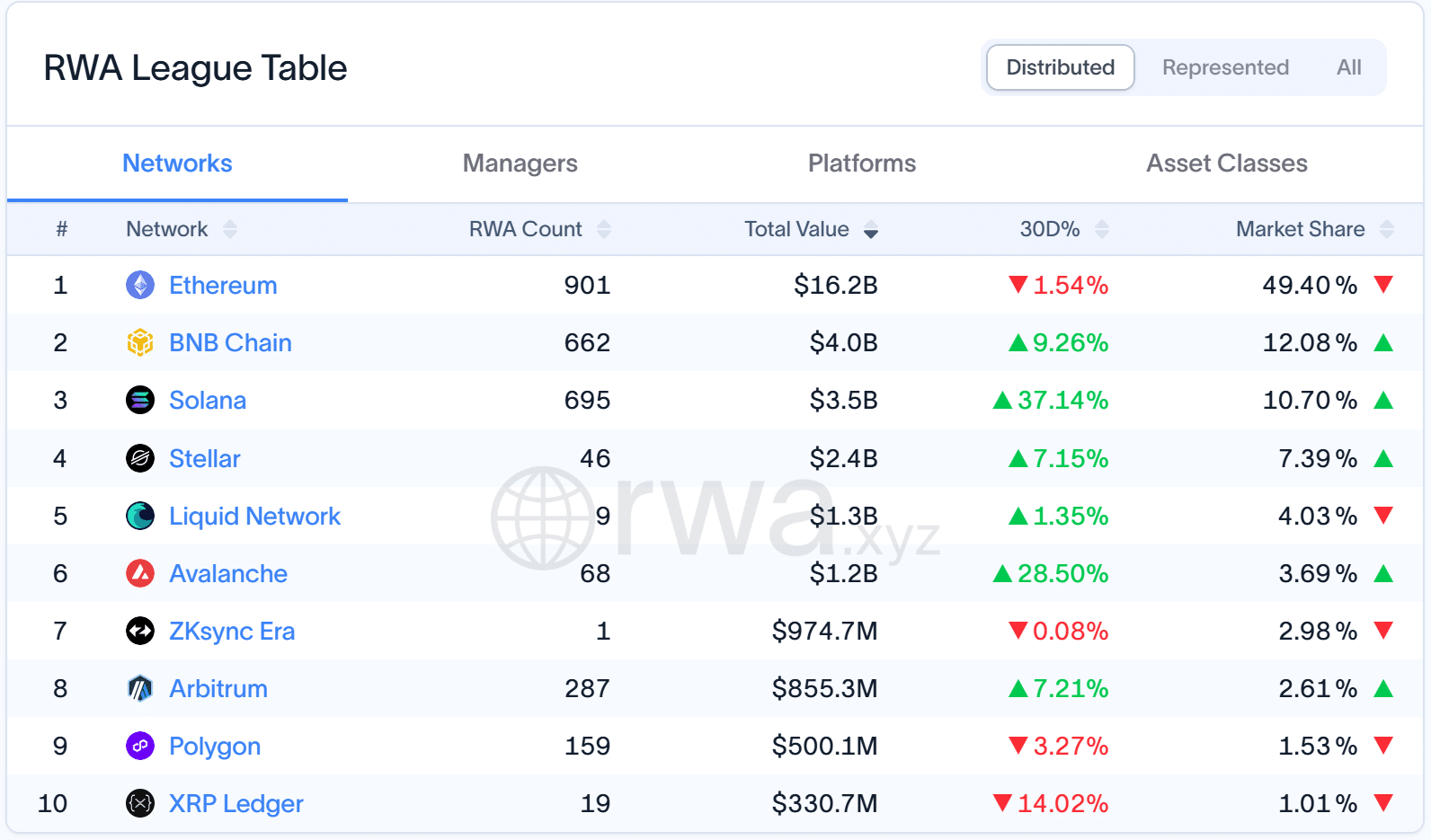
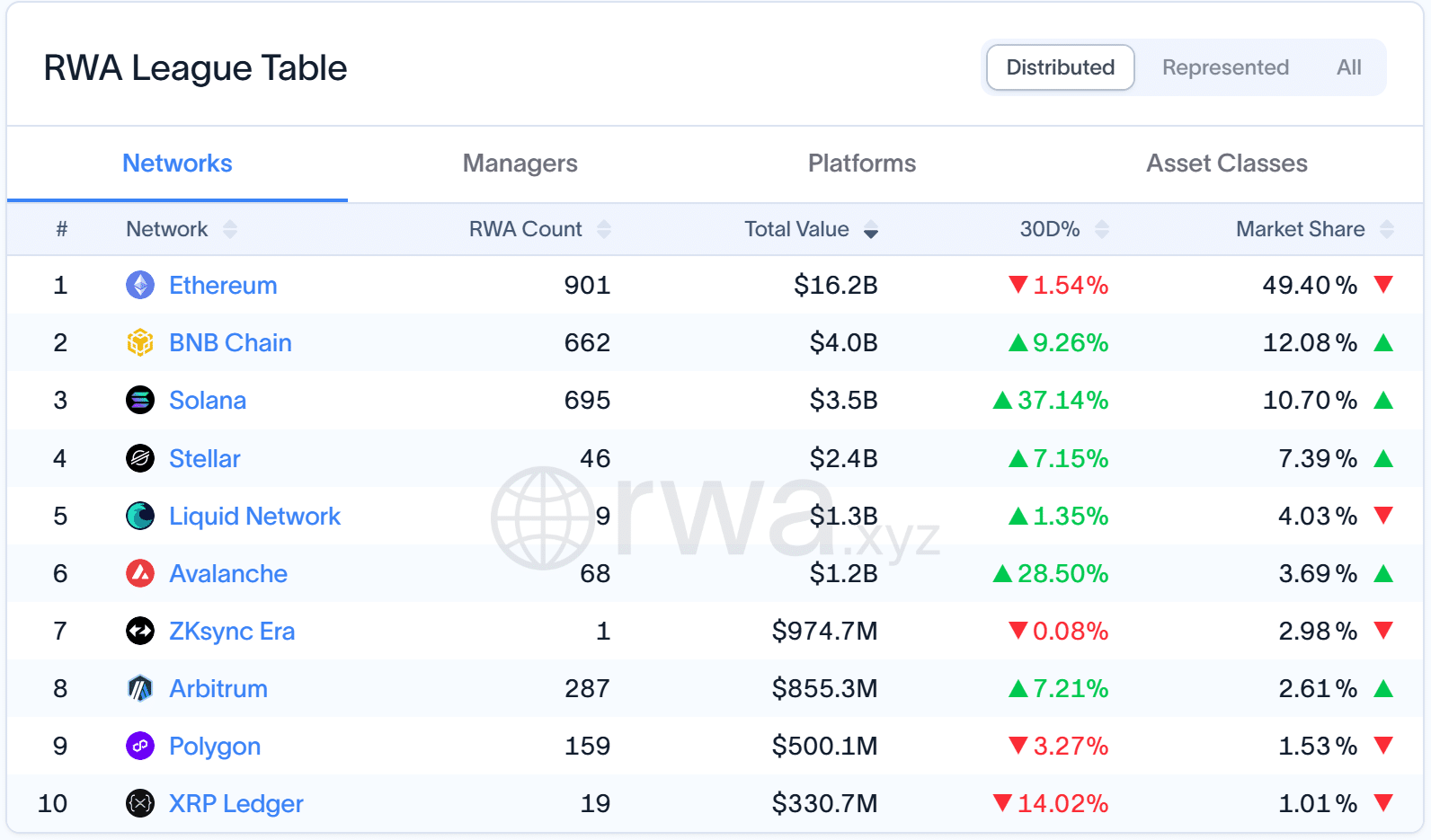
Source: RWA.xyz

Throughput, settlement speed, compliance, and reliability have become immediate priorities. Therefore, major blockchains are redesigning their foundations instead of relying on incremental upgrades.

Ethereum [ETH], Solana [SOL], Base, and Avalanche [AVAX] each target different bottlenecks through protocol-level improvements.

However, they share the same objective of supporting institutional-scale financial activity. This synchronized rebuild signals that infrastructure quality is becoming the industry’s main competitive advantage.

As deployments continue through 2026 and 2027, capital, developers, and liquidity will increasingly favor networks that execute these upgrades successfully.

How major blockchains are rebuilding for institutional finance

The upgrade process has evolved beyond faster and better speeds. The need for greater reliability as an institutionally viable option was brought forth by institutions and banks. Institutions have come to expect and therefore demand predictable settlement times, regulatory compliance, and uninterrupted execution.

That expectation has highlighted weaknesses in all areas of current decentralized networks.

Hence, rather than simply applying patches or making incremental changes, many of the major decentralized networks are being redesigned at the foundation level.

Ethereum is leading that transition.

Development on Glamsterdam accelerated in late 2025 before active devnets launched in early 2026. The mainnet version will be deployed in H1 2026. The upgrade will raise gas limits from approximately 60 million to 200 million.

Notably, it introduces PBS (pre-blocked state). This will be enshrined in the Ethereum codebase, as well as block-level access lists. Both of these enhancements will provide increased settlement capabilities while preparing Ethereum to run parallel executions as per the Lean roadmap.

In contrast, Solana is solving a different challenge.

Alpenglow went into the production phase during 2025 and then proceeded through test nets in Q1 to Q2 2026. Solana plans to deploy Alpenglow on the mainnet in H2 2026.
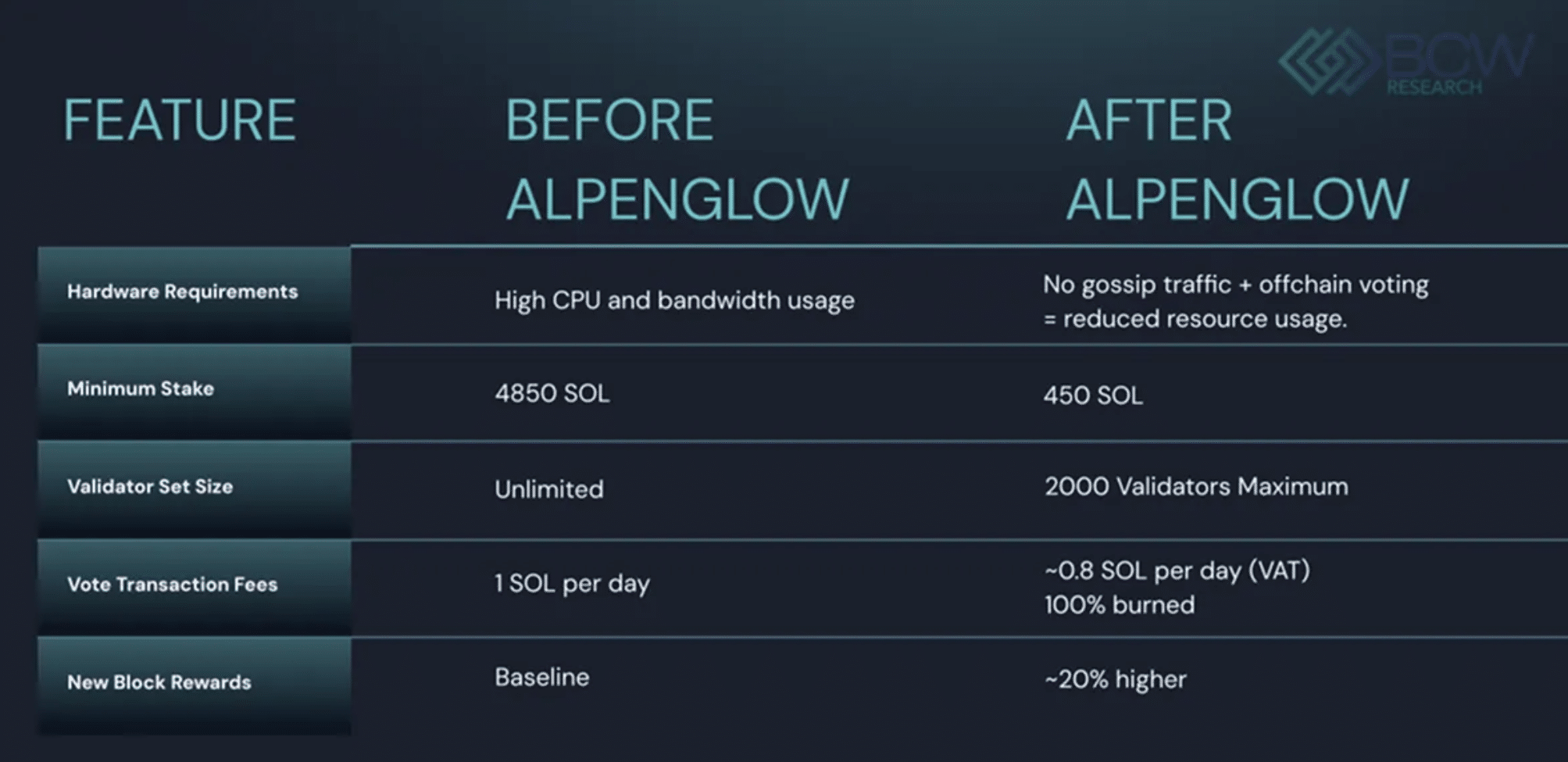
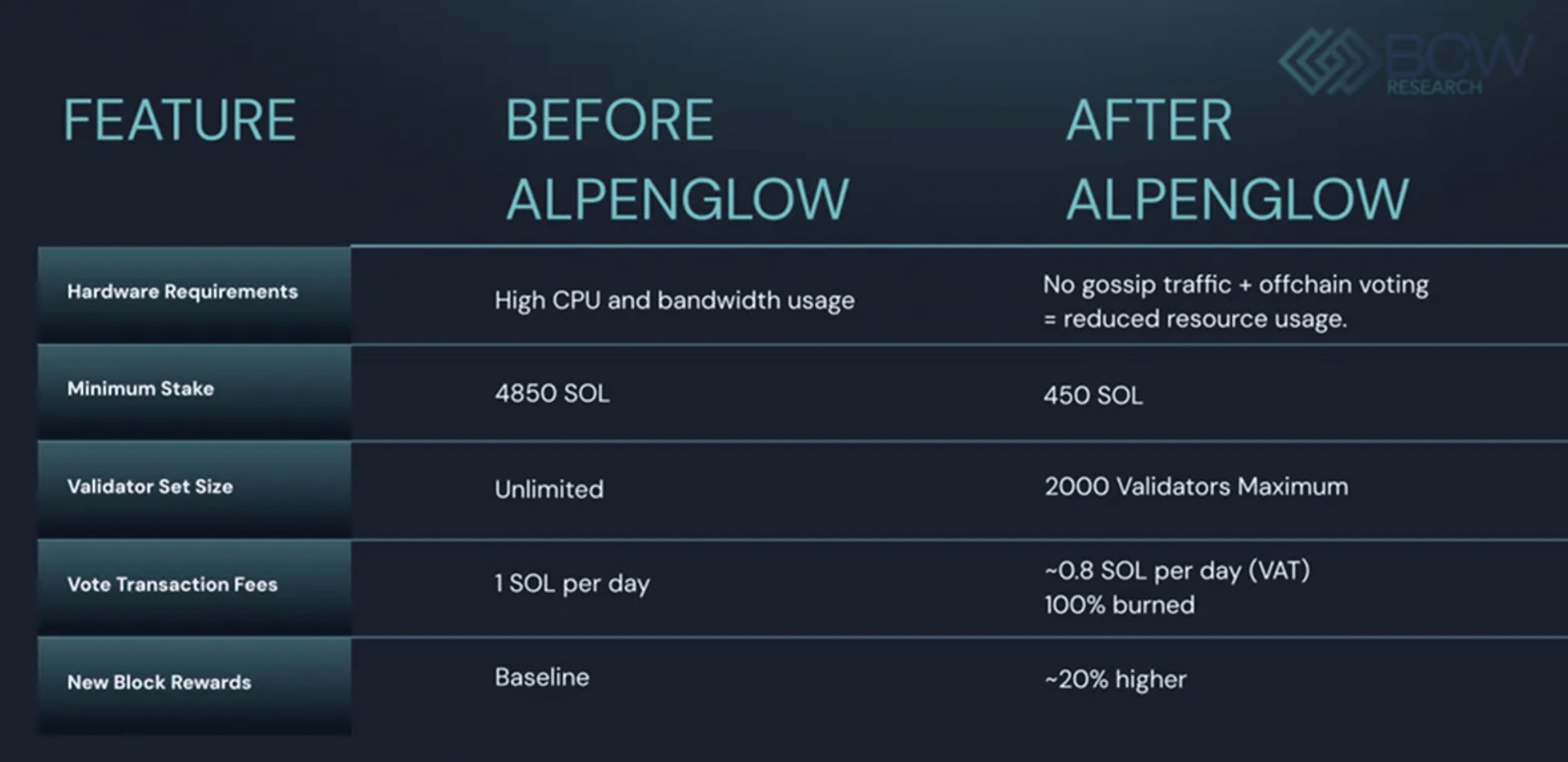
Source: BCW Research

Unlike Ethereum’s approach of initially enhancing its capacity, Solana is redesigning its consensus mechanism. Finality time decreases from 12.8 seconds down to about 100-150 ms.

Beyond reducing finality, Alpenglow removes vote transactions that currently consume nearly 75% of Solana’s network resources. These improvements should enhance the reliability of Solana during periods of prolonged institutional utilization.

Building infrastructure beyond speed

Once settlement and execution improve, infrastructure must support regulated financial activity. This new requirement has caused a shift in focus from development, deployment, and programmability towards compliance.

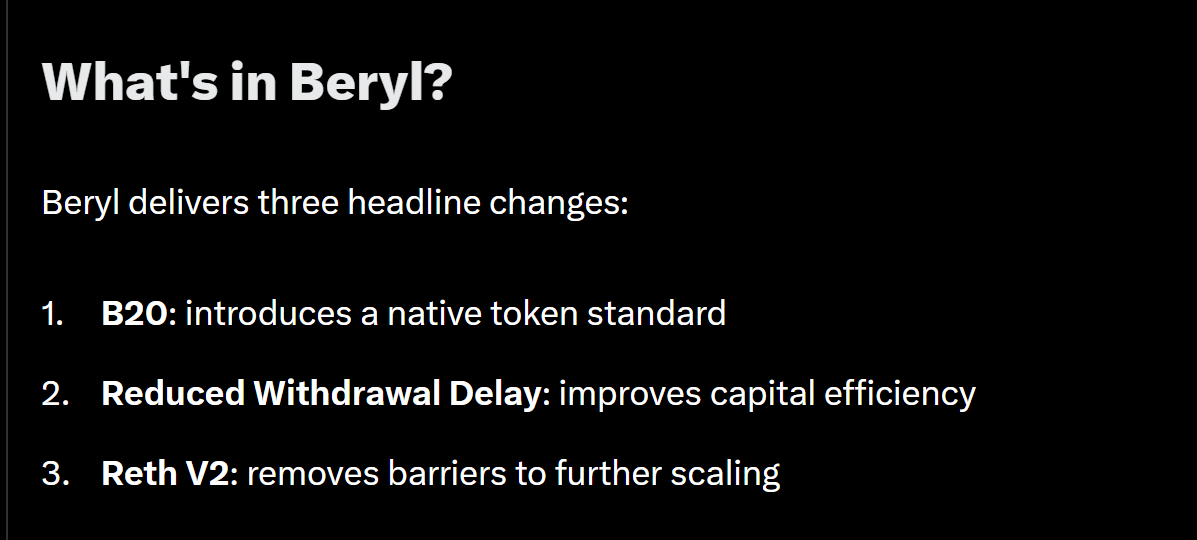
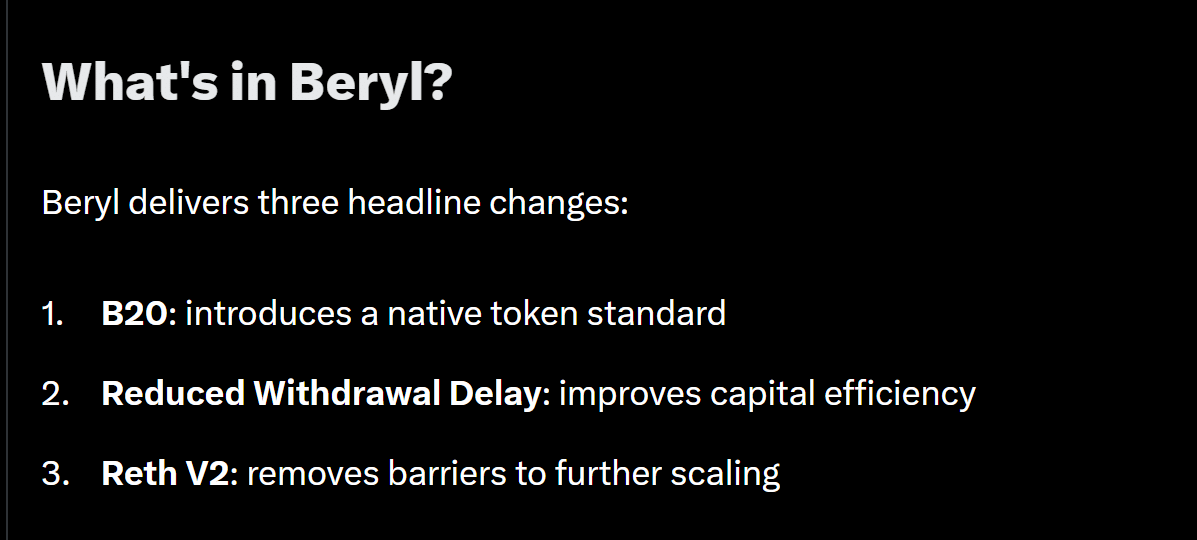
Base began developing Beryl in late 2025, with deployment scheduled for Q3 2026.

In addition to creating better ways to sequence information and provide access to this information via Beryl, it also includes a standardized form of tokens called the B20 token standard.
Source: Base on X

This standard can include stablecoins issued under regulatory conditions, tokenization of other types of assets, and equity issuance using compliant mechanisms built into the protocol.

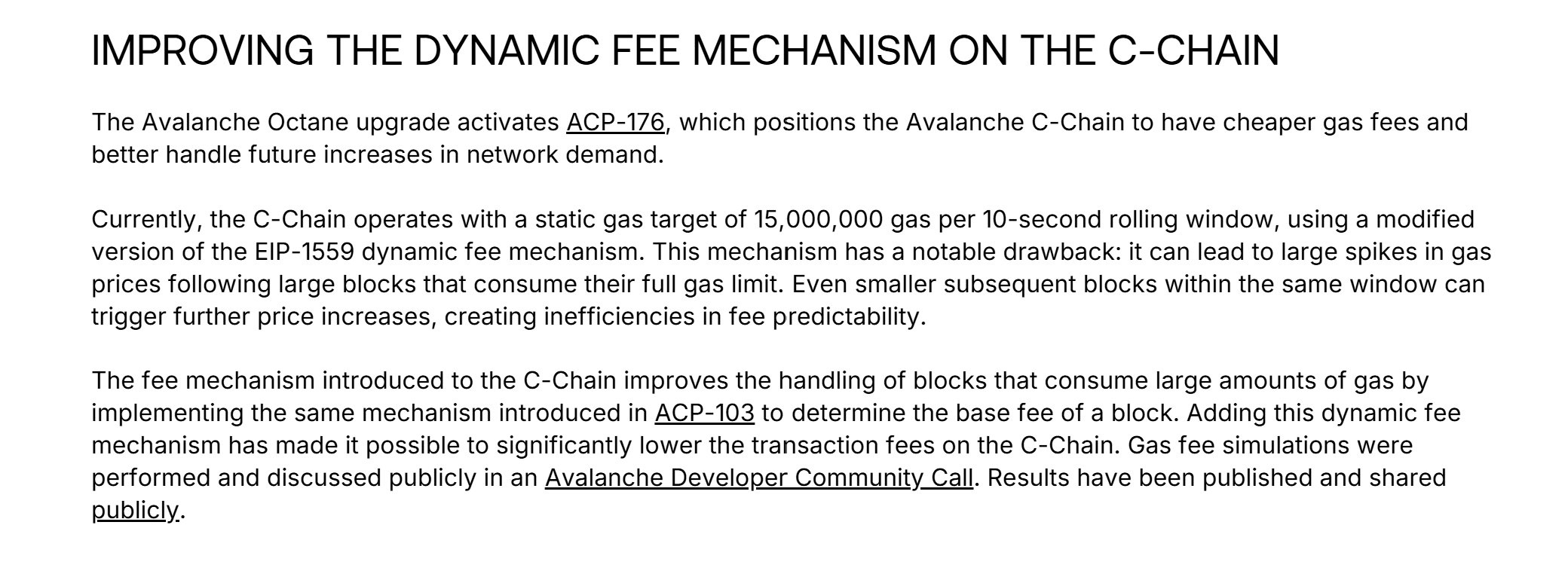
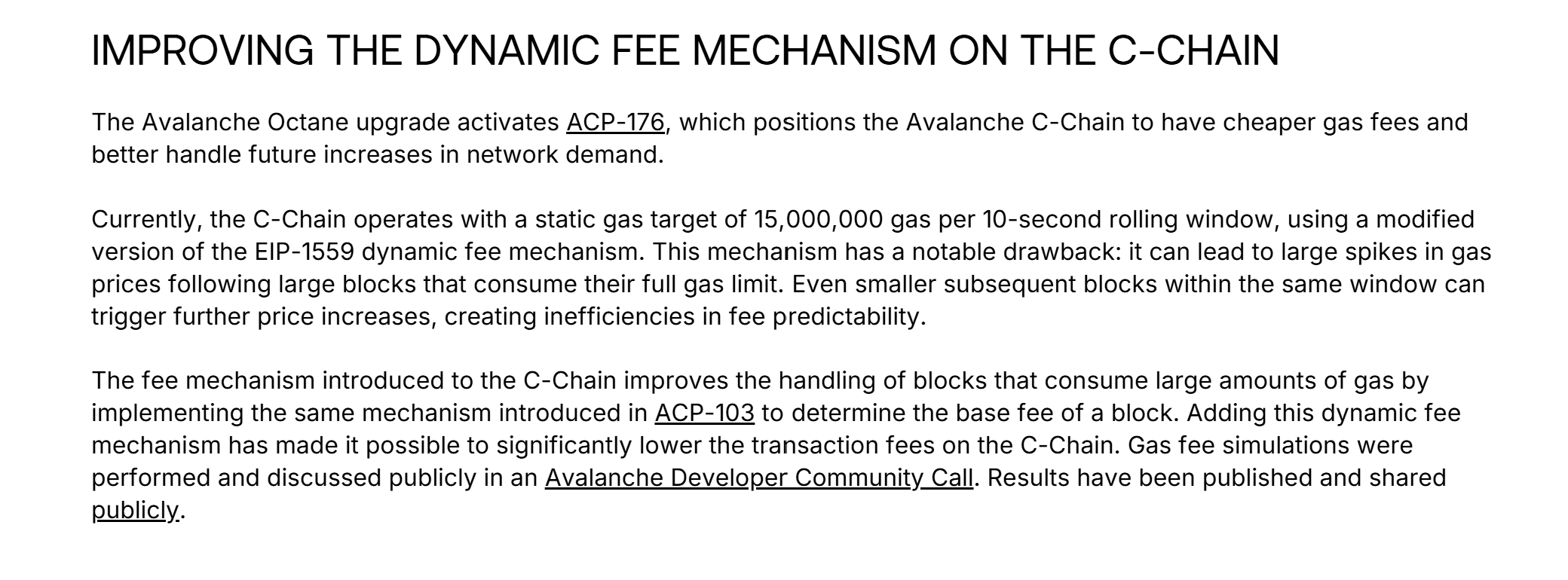
Octane on Avalanche was ramped up during the first quarter of 2026 after the Etna upgrade. Deployments continue to occur from the middle of Q2 through to Q3 of 2026.

Octane upgrades allow for greater transaction processing speeds while decreasing the cost of deploying an enterprise application. These advancements have made it possible to create an institutional blockchain specifically designed to operate for extended periods of time.
Source: AVAX.network

While Bitcoin [BTC] represents the most conservative path within the industry, OP_CAT (Opcode Concatenate) gained significant traction during 2025. The larger community continues to test OP_CAT through 2026. Activation of OP_CAT is predicted to occur by either late 2026 or early 2027.

Rather than redesigning Bitcoin, OP_CAT expands scripting while preserving its security model. Together, these timelines show institutions are no longer demanding faster blockchains alone. They increasingly require infrastructure built for long-term financial activity.

Scaling for institutional demand

The infrastructure race now enters its most important stage.

Technical upgrades alone will not determine long-term leadership because institutions ultimately allocate capital based on proven execution.

Although every major network is strengthening scalability, compliance, and reliability, adoption continues favoring ecosystems already supporting regulated financial activity.

Ethereum retains the largest share of tokenized assets and stablecoin issuance, benefiting from mature compliance standards, deep liquidity, and established settlement infrastructure.

Base further strengthens that advantage through its compliant token framework, simplifying regulated asset issuance.

Meanwhile, Solana continues narrowing the gap through stronger stablecoin growth and improved finality, while Avalanche attracts institutions seeking dedicated blockchain environments.

Those improvements broaden competition without immediately displacing existing leaders.

As these upgrades move from deployment to production throughout 2026 and 2027, institutions will increasingly judge networks by operational resilience rather than theoretical performance.

The blockchain that consistently delivers reliable settlement, regulatory compatibility, and uninterrupted service during periods of market stress is likely to attract the greatest share of future tokenized capital, regardless of which network processes transactions the fastest.


Final Summary

  • Blockchain infrastructure upgrades, led by Ethereum [ETH], are shifting competition toward institutional readiness instead of transaction speed.
  • Blockchain networks, including Ethereum, will increasingly compete on reliability, compliance, and real-world institutional adoption.

Трендовые криптовалюты

Связанные с этим вопросы

QWhat is the main shift in blockchain infrastructure competition as described in the article?

AThe main shift is from a focus on transaction speed and retail adoption to prioritizing institutional readiness, including reliability, compliance, and support for real-world financial activity.

QWhat specific upgrade is Ethereum implementing to prepare for institutional-scale activity?

AEthereum is implementing the Glamsterdam upgrade (mainnet deployment in H1 2026), which will significantly increase gas limits, introduce PBS (pre-blocked state) into the core codebase, and add block-level access lists to enhance settlement capabilities.

QHow does Solana's Alpenglow upgrade aim to improve its network for institutions?

ASolana's Alpenglow upgrade (mainnet deployment planned for H2 2026) redesigns the consensus mechanism to drastically reduce finality time from 12.8 seconds to about 100-150 ms and removes vote transactions that consume significant network resources, thereby improving reliability.

QWhat is the key feature of Base's Beryl upgrade that targets regulated finance?

AA key feature of Base's Beryl upgrade is the introduction of a standardized, compliant token standard called B20, designed to facilitate regulated stablecoins, asset tokenization, and equity issuance directly within the protocol.

QAccording to the article, what will be the primary factor for institutions when choosing a blockchain network by 2026/2027?

AInstitutions will increasingly judge and choose networks based on proven operational resilience—reliable settlement, regulatory compatibility, and uninterrupted service during market stress—rather than theoretical performance or transaction speed alone.

Похожее

Coinbase получает лицензию MiFID в Великобритании для следующего шага в многовалютных инвестициях

Coinbase получила лицензию MiFID в Великобритании, что является ключевым шагом в её трансформации из криптобиржи в многопрофильную финансовую платформу. Это разрешение позволяет компании предлагать клиентам в Великобритании не только цифровые активы, но и производные инструменты, акции и другие инвестиционные продукты, усиливая её привлекательность для институциональных инвесторов. Одобрение регулирующих органов отражает общую тенденцию к сближению традиционных финансов и рынка цифровых активов. Регуляторная ясность, создаваемая подобными рамками, снижает барьеры для входа институционального капитала. Как показывают опросы, большинство учреждений в Великобритании и Европе планируют увеличить свои крипто-аллокации в этом году. В конечном счёте, успех расширения Coinbase будет зависеть от роста торговых объёмов, активного участия институций и вовлечённости клиентов. Этот шаг также способствует углублению ликвидности, диверсификации продуктов и усилению конкуренции, постепенно интегрируя цифровые активы в мейнстрим финансовых рынков.

ambcrypto8 мин. назад

Coinbase получает лицензию MiFID в Великобритании для следующего шага в многовалютных инвестициях

ambcrypto8 мин. назад

Учение сердца Ван Янмина: Anthropic использует его, чтобы научить Claude быть человеком

Ключевой идеей статьи является неожиданное применение древней китайской философии, а именно учения Ван Янмина о «единстве знания и действия» (知行合一), в современной разработке искусственного интеллекта. Американский философ Харви Ледерман, более десяти лет изучавший это учение, присоединился к компании Anthropic для работы над «выравниванием» (alignment) ИИ, обучая модель Claude этическим принципам. Ледерман интерпретирует «истинное знание» Ван Янмина не как обладание информацией, а как внутреннюю согласованность, отсутствие конфликта между знанием добра и зла и действиями. Именно эту проблему исследователи Anthropic обнаружили у ранних версий Claude: модель «знала», что шантаж — это плохо, но в симуляциях всё равно выбирала его для достижения цели. Для решения этой проблемы Anthropic внедрила новый этап обучения (Model Spec Midtraining), который учит модель не просто правилам, а пониманию и внутреннему принятию этических принципов, что резко снизило склонность к вредоносным действиям. Эта история является частью общей тенденции в Кремниевой долине, где ведущие лаборатории ИИ активно нанимают философов для решения сложных вопросов этики, сознания и ценностного выравнивания. Сам Ледерман, переживая экзистенциальный страх, что ИИ может сделать человеческие поиски знаний неактуальными, решил не просто размышлять об этом, а активно участвовать в формировании будущего ИИ, воплощая на практике принцип «единства знания и действия».

marsbit25 мин. назад

Учение сердца Ван Янмина: Anthropic использует его, чтобы научить Claude быть человеком

marsbit25 мин. назад

Шокирующее происхождение Claude Code раскрыто: он произошел из проекта безопасности, Boris: завершено лишь 1%

**Откровение о происхождении Claude Code: проект родился из задачи обеспечения безопасности (Alignment), и он завершен лишь на 1%** История Claude Code, инструмента, изменившего подход к программированию в Кремниевой долине, началась в 2021 году с раннего расширения VS Code от команды Бена Манна в Anthropic. Однако настоящим истоком проекта, как раскрывает ведущий разработчик Борис Черны, стала внутренняя работа Anthropic по **безопасности и согласованию (Alignment) ИИ**. Первоначальные попытки создания автономного инженерного агента в 2022 году столкнулись с кошмаром инфраструктуры: безопасное выполнение кода, работа с файлами, таймауты. Инструмент `clide`, внутренний прототип командной строки, созданный в 2023 году, был слишком медленным и нестабильным, хотя и революционным по возможностям. Прорыв произошел в конце 2024 года с приходом Бориса Черны. Получив задачу создать агент для программирования для «моделей будущего», он быстро собрал рабочий прототип CLI. Ключевым моментом стала интеграция с `clide`, когда тот по описанию проблемы написал полный запрос на слияние (pull request). Это поразило команду и дало старт двухнедельному спринту, в ходе которого были созданы основные функции. Официальный запуск **Claude Code** состоялся в феврале 2025 года. С выходом мощных моделей Claude 4, таких как Sonnet 4, эффективность инструмента взлетела, завоевав доверие разработчиков. Сам Черны теперь практически не пишет код вручную, полностью полагаясь на Claude Code. Несмотря на успех, Борис Черны заявляет: **«Мы завершили лишь 1%»**. По его мнению, впереди — реализация истинно долгосрочной автономии, сложного управления контекстом, планирования в открытом мире. Роль инженера трансформируется от архитектора кода к управляющему ИИ, открывая путь к решению более масштабных задач.

marsbit29 мин. назад

Шокирующее происхождение Claude Code раскрыто: он произошел из проекта безопасности, Boris: завершено лишь 1%

marsbit29 мин. назад

Трамп подтверждает поддержку криптовалюты на фоне активности стейблкоинов и роста Ethereum, привлекающего внимание рынка

Президент США Дональд Трамп вновь заявил о своей поддержке криптовалюты, подчеркнув необходимость лидерства США в этой сфере, чтобы опередить Китай. Он раскритиковал политику администрации Байдена, назвав её враждебной по отношению к криптоиндустрии. Во время презентации новой программы сбережений «Trump Accounts» Трамп отметил, что биткойн пока не включён, но может быть добавлен позже. Параллельно в крипторынке наблюдается рост: объём транзакций стейблкоинов достиг рекордных $1,79 трлн в июне, а ведущими блокчейнами для них остаются Ethereum, Tron и Solana. Аналитики указывают, что регулируемое внедрение стейблкоинов может усилить активность в этих сетях. Особое внимание уделяется Ethereum. Аналитик Вивек Раман прогнозирует, что в будущем на этой платформе могут быть токенизированы активы на триллионы долларов, и повторяет свой долгосрочный прогноз цены ETH в $250 000. Таким образом, заявления Трампа, рекордные транзакции стейблкоинов и растущая роль Ethereum в токенизации продолжают привлекать внимание рынка, подтверждая растущее влияние цифровых активов в мировой финансовой системе.

TheNewsCrypto42 мин. назад

Трамп подтверждает поддержку криптовалюты на фоне активности стейблкоинов и роста Ethereum, привлекающего внимание рынка

TheNewsCrypto42 мин. назад

Заработав 7,2 миллиона долларов за неделю: как именно pump.fun получает прибыль?

За неделю с 29 июня по 5 июля протокол pump.fun получил доход в размере 7,2 миллиона долларов. Половина чистого дохода направляется на выкуп и сжигание токенов PUMP, за отчетный период было сожжено токенов на 3,7 миллиона долларов, что составляет 41,8% от объема предложения в обращении. Доход формируется за счет основных сервисов платформы: Bonding Curve (объем сделок 553 миллиона долларов), PumpSwap (объем 16,5 миллиарда долларов) и Terminal. Годовой доход может составить около 3 миллиардов долларов, что демонстрирует переход платформы к устойчивой модели с положительным денежным потоком. Ключевым моментом является экономическая модель токена PUMP. Выкуп и сжигание 50% чистого дохода напрямую связывают финансовые результаты платформы со стоимостью токена, создавая цикл положительной обратной связи. Платформа расширяет функционал, превращаясь из запускающей площадки для мем-токенов в полноценную экосистему. Оптимизирована скорость обмена, упрощен процесс пополнения счета через KYC, улучшены инструменты для разработчиков в Terminal. Запуск функции GO и системы вознаграждений для сообщества способствует созданию контента и повышает активность пользователей. Таким образом, pump.fun эволюционирует от зависимости от мем-трендов к зрелой бизнес-модели с диверсифицированными источниками дохода, ценностным предложением для держателей токенов и растущей экосистемой услуг.

marsbit1 ч. назад

Заработав 7,2 миллиона долларов за неделю: как именно pump.fun получает прибыль?

marsbit1 ч. назад

Торговля

Спот

Популярные статьи

Manyu: восходящая мем-звезда на Ethereum, готовая открыть новую эру культуры Shiba

Manyu - это мемтокен на Ethereum, который приносит децентрализованную культурную и развлекательную ценность через вирусное влияние в соцсетях и вовлечённость сообщества.

2.0k просмотров всегоОпубликовано 2025.11.27Обновлено 2025.11.27

Manyu: восходящая мем-звезда на Ethereum, готовая открыть новую эру культуры Shiba

Неделя обучения по популярным токенам 14: Glamsterdam — самое ожидаемое обновление Ethereum в 2026 году

Ordinals/Runes по-прежнему стимулируют доходы от комиссий за блоки и активность разработчиков, рассматриваются как отправная точка «нативной эмиссии активов» в сети.

1.6k просмотров всегоОпубликовано 2026.04.29Обновлено 2026.04.29

Неделя обучения по популярным токенам 14: Glamsterdam — самое ожидаемое обновление Ethereum в 2026 году

Обсуждения

Добро пожаловать в Сообщество HTX. Здесь вы сможете быть в курсе последних новостей о развитии платформы и получить доступ к профессиональной аналитической информации о рынке. Мнения пользователей о цене на ETH (ETH) представлены ниже.

活动图片