$100M Annual Revenue, Two Berkeley Roommates in Their 20s Build the Most Profitable AI Business

marsbitОпубликовано 2026-07-06Обновлено 2026-07-06

Введение

Arena, the AI model ranking platform, has become a $100 million annual revenue business just eight months after launching its commercial service. Originally a UC Berkeley open-source research project called Chatbot Arena, it created a "battle arena" where users blind-test and vote on anonymous AI model responses. This has generated a highly trusted, community-driven leaderboard based on over 10 million user evaluations and 82 million votes. Major AI companies like OpenAI, Google, and Anthropic submit their flagship models to be ranked. The core monetization strategy is its AI Evaluations service, where model developers and large enterprises pay for in-depth performance analysis from Arena's massive user community. This provides real-world feedback on model strengths, weaknesses, and hallucinations—a critical service as models become more complex. The company, spun out from Berkeley in early 2025, quickly raised $100 million in seed funding at a $600 million valuation and later secured a $150 million Series A at a $1.7 billion valuation. The founding team includes CEO Anastasios Angelopoulos, a mathematician focused on rigorous model evaluation; CTO Wei-Lin Chiang, creator of the popular Vicuna chatbot; and co-founder Ion Stoica, a renowned Berkeley professor. Arena is now expanding beyond chat benchmarks into "Agent Mode," evaluating AI agents on complex, multi-step tasks like coding and research. The company's success illustrates the growing value and cost of independent, ...

A company that doesn't build AI is earning $100 million a year!

The creator of this business miracle is 'Arena', the 'large model battleground' that major Silicon Valley AI giants are vying for.

Its predecessor was called Chatbot Arena, initially just an open-source research project launched by a UC Berkeley team in 2023.
Who would have thought that in such a short time, it would become the core arena holding the fate of large models.

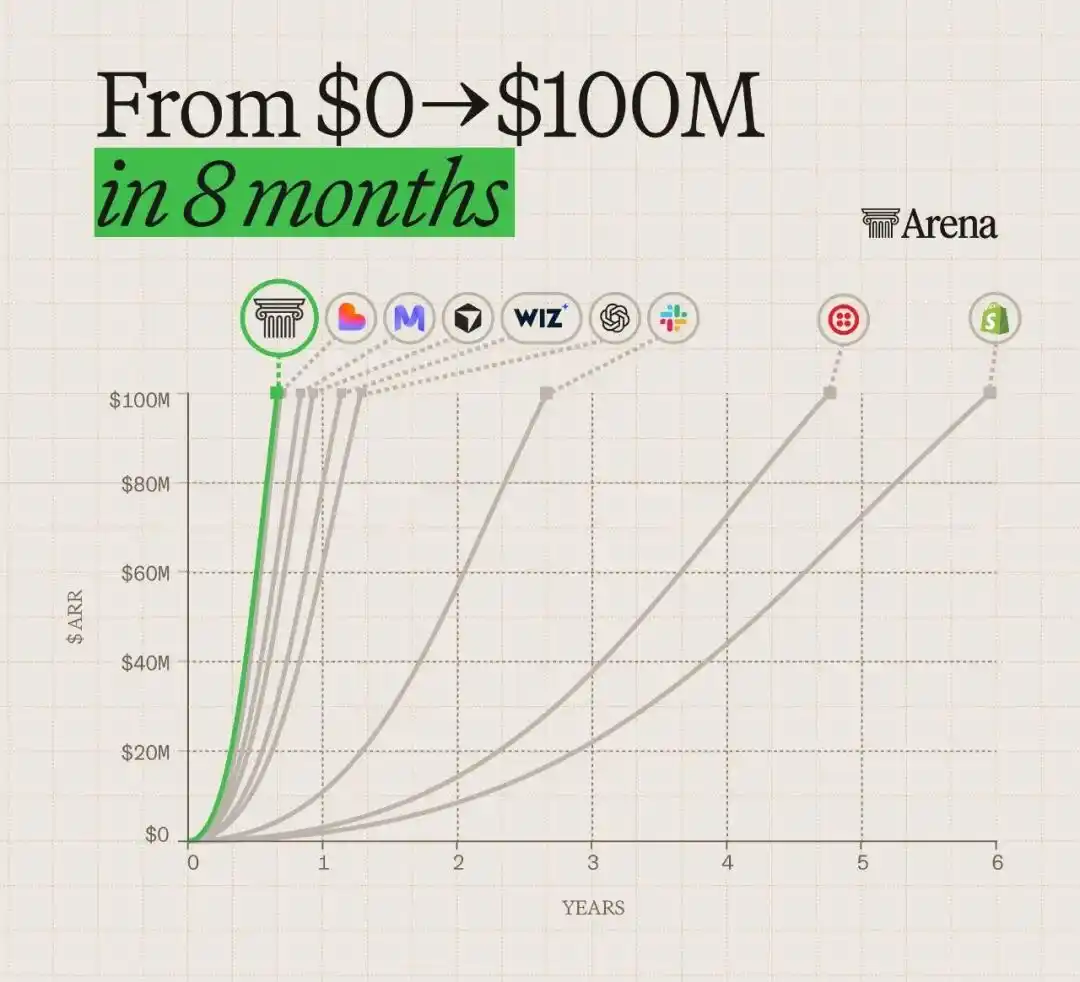
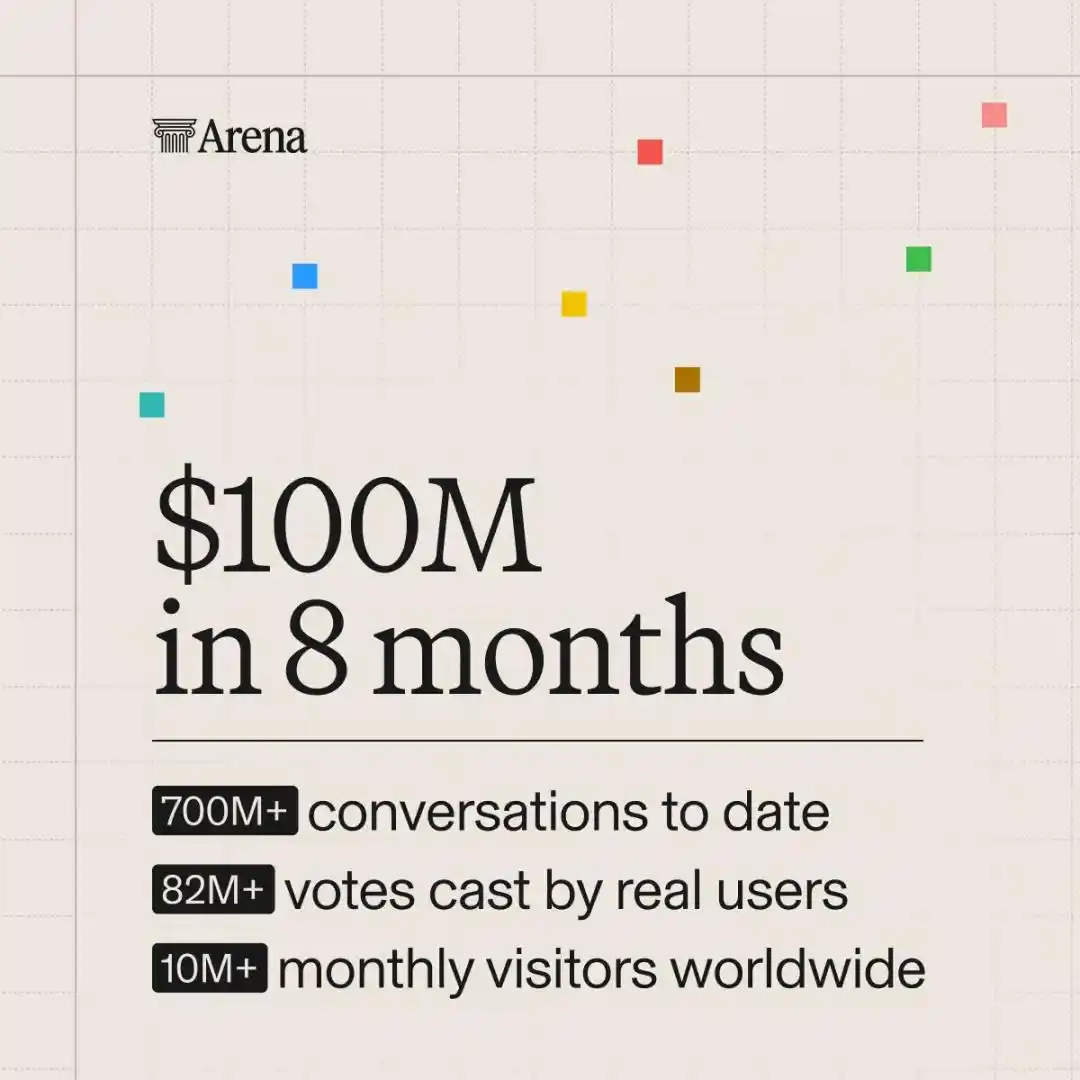
Just today, a mere 8 months after Arena's commercial service launched, its annualized revenue reached $100 million, hitting a new milestone.
ChatGPT, Claude Battle for the Top, The Large Model Arena

For many, Arena is no stranger.

What it's most famous for is that large model leaderboard entirely built on real user blind testing.

The gameplay is extremely simple, yet full of competitive spirit—

Enter a prompt, the system blindly dispatches two anonymous models to answer simultaneously; then choose which one is better.
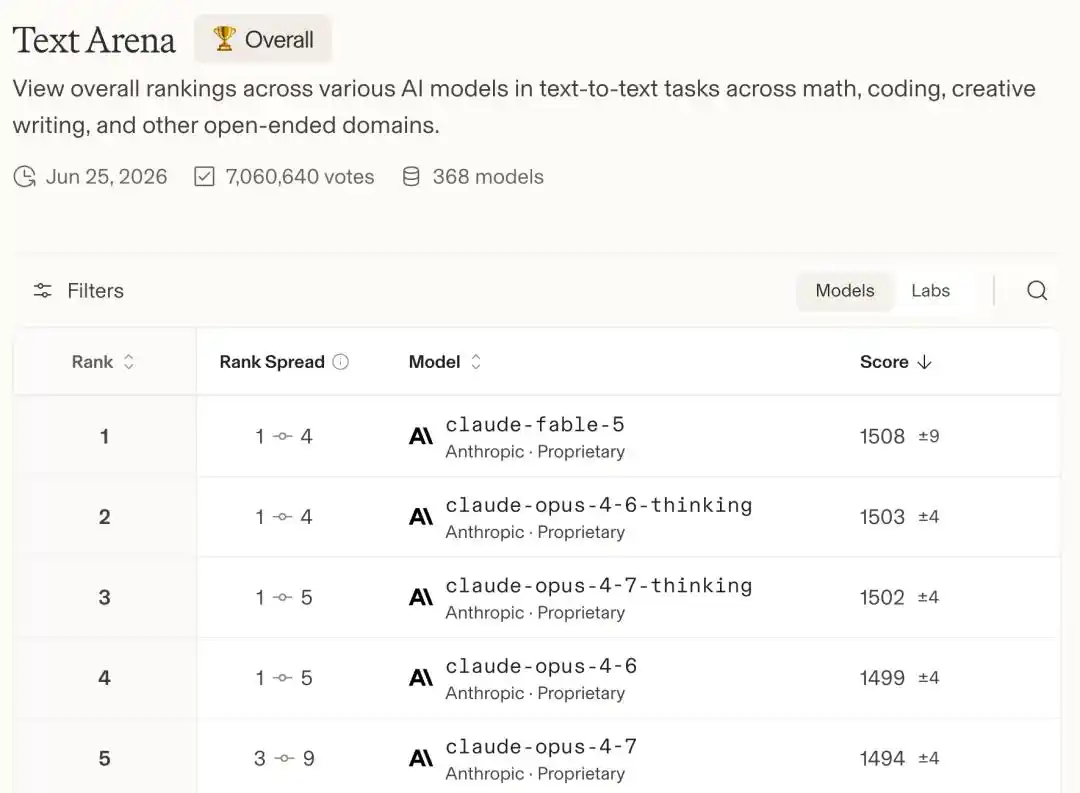
The system aggregates tens of millions of such votes into an Elo-style leaderboard.

This 'battle arena' mechanism has made it a holy land for global AI enthusiasts and developers.

To date, the platform has accumulated over 10 million user evaluations, 700 million conversations, 82 million votes, more than 10 million monthly visitors from over 150 countries worldwide.

More crucially, about 80% of daily user prompts are completely new, no model can 'memorize' them in advance.
How valuable is this?

OpenAI, Google, Anthropic, Meta—these top-tier giants usually at each other's throats—all submit their flagship models to Arena to be grilled by the community.

OpenAI even secretly tested on the board under the codename 'summit' before GPT-5's official release.
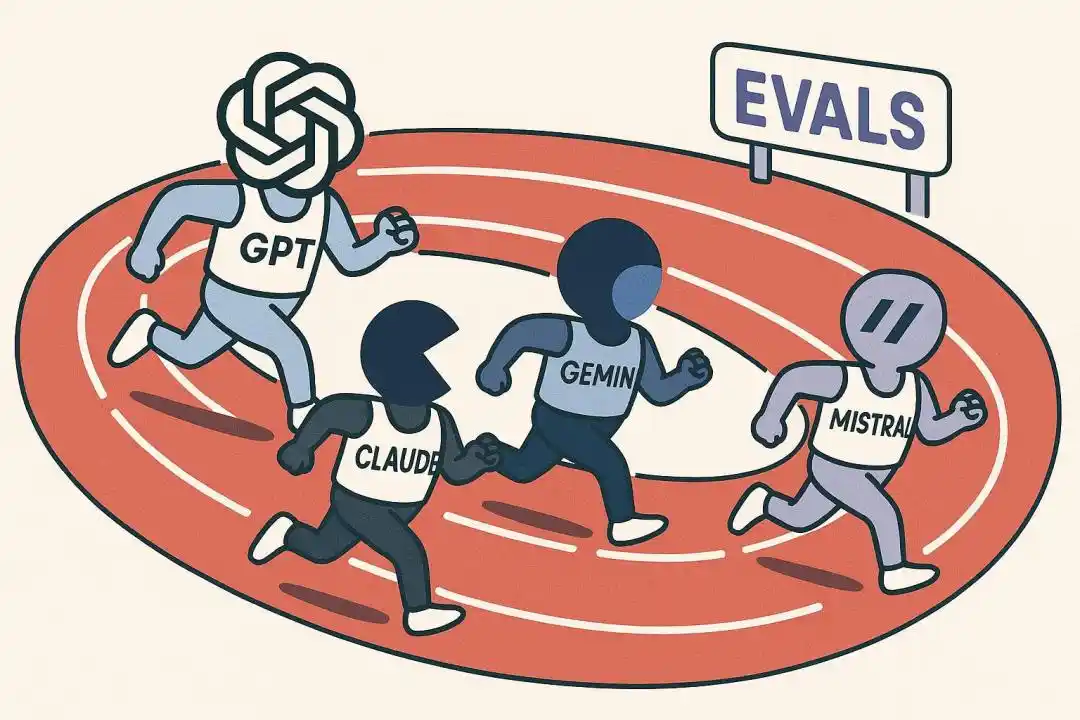
In other words, the strongest batch of models in all of Silicon Valley are waiting for a Berkeley student project to give them its stamp of approval.

How Did $100 Million in Revenue Materialize?

So the question arises—how did a free leaderboard become a $100 million cash cow?

Last September, Arena launched a commercial service called AI Evaluations:

Model vendors and large enterprises can pay to have Arena mobilize its community of tens of millions to conduct in-depth evaluations of their own models, obtaining 'real-world' performance analyses that mere benchmarking simply can't provide.

This is a set of 'CI/CD system for the real world'.

Once a model is ready for public release, Arena will evaluate it for the community for free;

But if a company wants to know where their model truly excels, where it's weak, and where it's hallucinating in the hands of real users, they have to pay.

This is a classic 'pickaxe seller' business—during a gold rush, those digging for gold might not make money, but those selling water and shovels profit steadily.

The more frantically large model vendors compete, the more desperately they try to squeeze out the last bit of performance, the bigger their appetite becomes for this kind of 'post-launch optimization' service.

And Arena happens to be positioned exactly where everyone must pass through.

Three Berkeley Grads

Building the Most Profitable Business

Arena's predecessor was called Chatbot Arena.

Before that, it belonged to the renowned LMSYS research group at Berkeley.

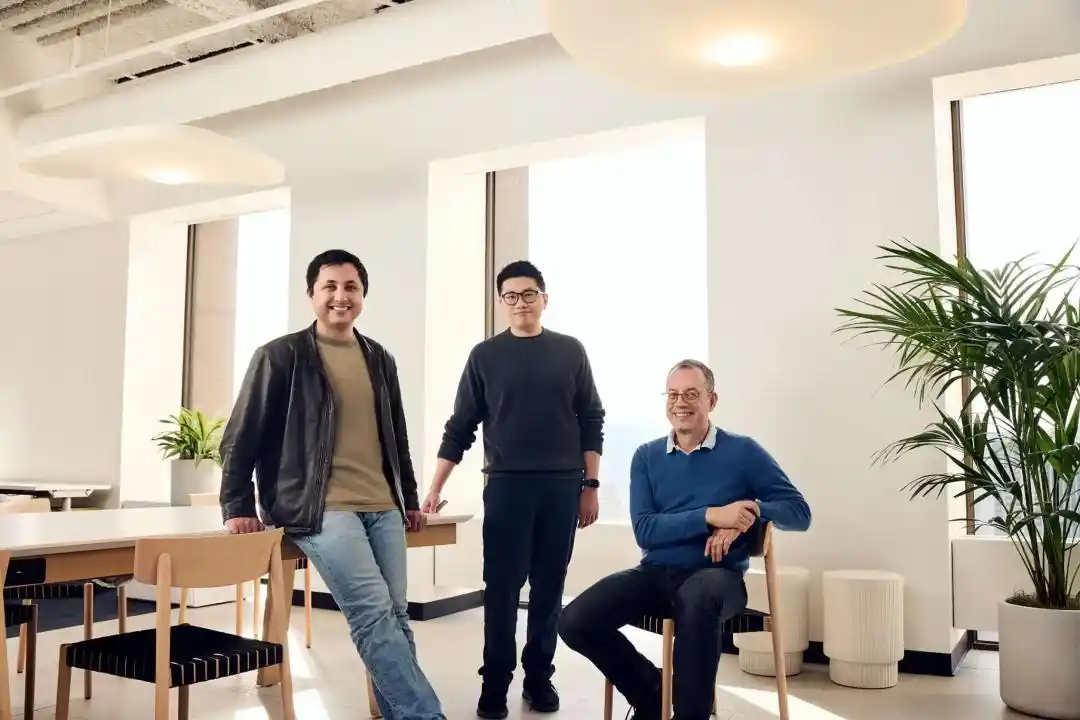
Two Berkeley roommates simply wanted to do something straightforward—build a neutral arena for large language models, letting everyone compete fairly.

No one expected this student project would sprint its way to becoming a unicorn.

The timeline is breathtakingly fast: In the spring of 2025, the project spun off from the university, formally incorporated, and within weeks secured a $100 million seed round at a $600 million valuation;

A few months after the commercial product launched, within just four months, annualized revenue surged to $30 million.

Immediately following, this January, a $150 million Series A round led by Felicis and UC Investments landed, with a post-money valuation fixed at $1.7 billion.
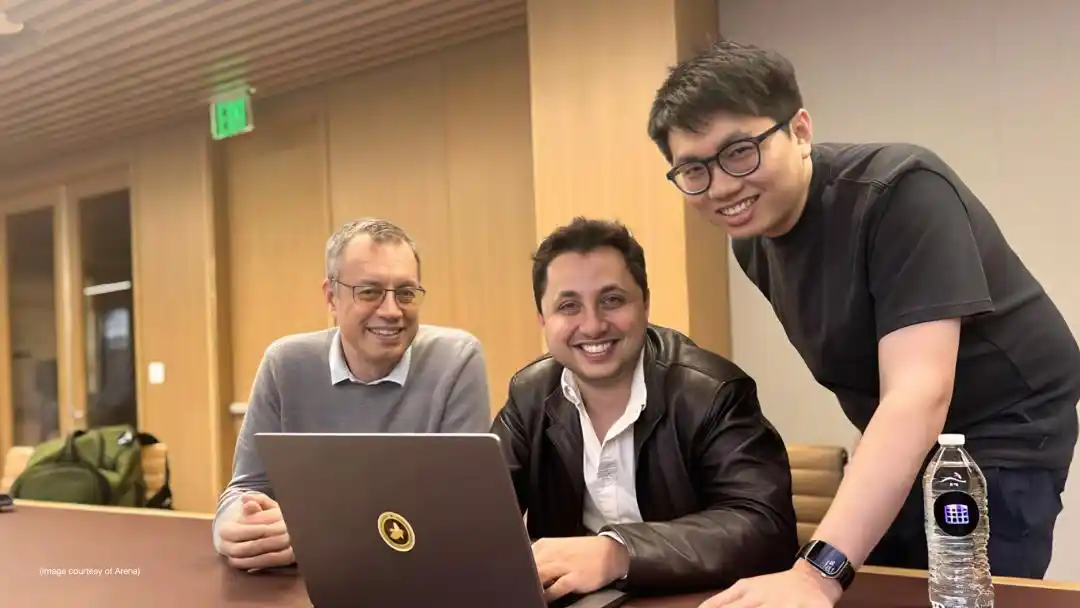
The three at the helm are no ordinary figures either.

CEO Anastasios Angelopoulos is a mathematician at heart.

While studying electrical engineering as an undergraduate at Stanford, he studied under the legendary figure in convex optimization, Stephen Boyd.

For his Ph.D. at Berkeley, his advisors were directly two godfather-level giants—machine learning master Michael I. Jordan and computer vision master Jitendra Malik.

His research focus in recent years has mainly been on how to make mathematically rigorous judgments about a black-box model.
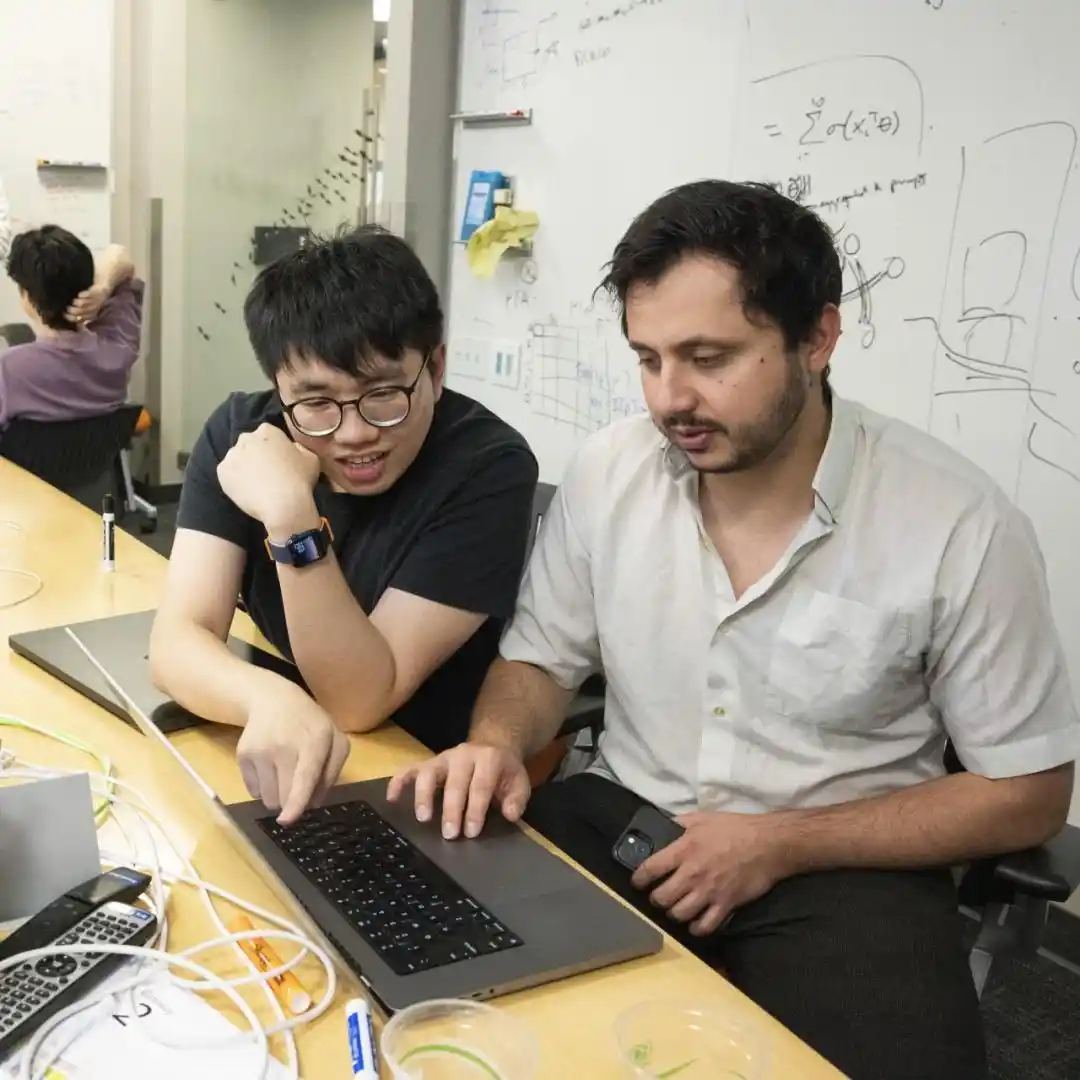
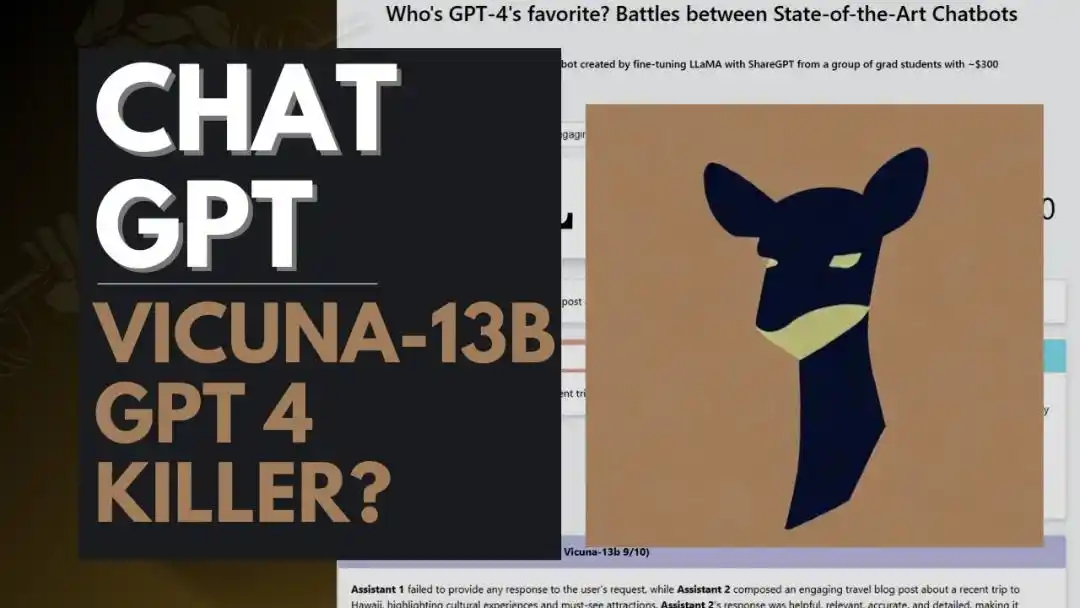
CTO Wei-Lin Chiang is a familiar face in the open-source community—the wildly popular open-source chatbot Vicuna was his creation.

He pursued his Ph.D. at Berkeley under Ion Stoica, specializing in distributed systems, and previously worked at Google, Amazon, and Microsoft.

The moment ChatGPT entered public beta in late 2022, he dropped all his previous research and plunged headfirst into Arena.
His obsession with this project was described by his partner Angelopoulos as 'a labor of love'.

For this project, their work hours were so long they simply moved in together. Two roommates built a $1.7 billion company.

The third co-founder is the famous Berkeley professor and Databricks co-founder Ion Stoica. He served as an advisor until the project incorporated in April 2025.

Being the Referee is More Important Than Being the Player

Arena's latest move is launching Agent Mode.

What it evaluates is no longer just 'who chats better', but the real work millions of users are doing with agents: writing code, debugging, conducting research, analyzing documents—those long tasks involving hundreds of tool calls and multi-turn interactions.

It has begun scoring with objective metrics like task completion rate and hallucination rate, far exceeding the initial scope of 'human preference voting'.

AI is evolving from 'chatbots' to 'agents' capable of independently handling work, with tasks growing longer and stakes higher.

Evaluation is the last probe humans have into the inner workings of AI.

The reason Arena's business can be worth $100 million, worth $1.7 billion, essentially bets on this fact becoming increasingly important and increasingly expensive.

But everyone ultimately has to answer the same question—when machines start setting their own exams, who remains qualified to grade them?

References:

https://techcrunch.com/2026/06/29/arena-the-ai-leaderboard-everyone-uses-is-now-a-100m-business/

https://x.com/ml_angelopoulos/status/2071629882057228680?s=20

This article is from the WeChat public account "新智元", author: ASI启示录, editor: 桃子

Трендовые криптовалюты

Связанные с этим вопросы

QWhat is Arena and what is its business model?

AArena is a large-scale AI model benchmarking platform, originally an open-source research project from UC Berkeley called Chatbot Arena. Its business model is providing commercial AI evaluation services. Model vendors and enterprises pay Arena to leverage its community of users to conduct in-depth performance testing on their models, generating real-world usage analysis. This "AI Evaluations" service is its primary revenue source, with an annualized revenue reaching $100 million.

QHow did Arena achieve a $100 million annualized revenue?

AArena achieved this milestone by launching its commercial AI Evaluations service just 8 months prior. Its revenue comes from paid, in-depth performance evaluations for AI model companies and large enterprises. These clients pay to access Arena's massive user community (generating over 10 million visits monthly) to test their models in real-world scenarios, identifying strengths, weaknesses, and potential errors before public release.

QWho are the key founders of Arena and what are their backgrounds?

AThe key founders are CEO Anastasios Angelopoulos and CTO Wei-Lin Chiang. Angelopoulos, with a strong mathematical background, studied under prominent figures like Stephen Boyd at Stanford and later Michael I. Jordan and Jitendra Malik at UC Berkeley. Chiang, a PhD student at Berkeley under Ion Stoica, is known for creating the popular open-source chatbot Vicuna and has worked at Google, Amazon, and Microsoft. Professor Ion Stoica, co-founder of Databricks, was also a founding advisor.

QWhat makes Arena's AI model leaderboard so influential in the industry?

AIts influence stems from its unique, community-driven, blind-testing methodology. Users input a prompt, and the system anonymously deploys two models to respond. The user then votes for the better answer. This process generates millions of unbiased, real-world evaluations. The resulting Elo-style ranking is highly trusted, attracting leading AI companies like OpenAI, Google, Anthropic, and Meta to submit their flagship models for testing, including OpenAI testing GPT-5 under a codename before release.

QWhat recent evolution has Arena made beyond its original chatbot evaluation?

AArena has launched an "Agent Mode." This evolution moves beyond evaluating simple conversational ability (chatbots) to assessing AI agents on complex, long-horizon tasks. It now evaluates how well AI performs in real work like coding, debugging, research, and document analysis—tasks involving hundreds of tool calls and multi-step interactions. It uses objective metrics like task completion rates and hallucination rates, expanding its scope far beyond initial human preference voting.

Похожее

Трамп – самый искусный инвестор среди президентов США

Согласно отчету Управления по этике правительства США, бывший президент Дональд Трамп в 2025 году заработал рекордные 2,2 миллиарда долларов, что сделало его самым высокооплачиваемым президентом в истории США. Основными источниками дохода стали криптовалюта (примерно 1,4 млрд долларов, включая его мем-монету $TRUMP) и операции с недвижимостью (около 575 млн долларов), особенно в его курортных клубах, таких как Мар-а-Лаго. Также сообщается о более чем 22 000 операций с акциями за год, что вызвало споры о возможных конфликтах интересов, поскольку многие сделки совпадали по времени с важными политическими заявлениями. Трамп и его семья активно монетизировали президентское влияние через брендированные криптовалютные проекты и премиальный доступ к своим объектам. Критики утверждают, что такая деятельность размывает границы между государственной должностью и частным бизнесом, в то время как сторонники видят в этом успешную коммерческую деятельность. Отчет поднял новые вопросы о необходимости этических реформ для высших должностных лиц.

marsbit10 мин. назад

Трамп – самый искусный инвестор среди президентов США

marsbit10 мин. назад

Обратный отсчёт Q-Day: Покончит ли квантовый вычисление с криптовалютой?

**Квантовые вычисления и криптовалюты: обратный отсчет до Q-Day** Квантовые компьютеры, основанные на принципах квантовой механики (суперпозиция, запутанность), представляют собой экзистенциальную угрозу для блокчейн-индустрии, поскольку способны взломать используемую в ней криптографию с открытым ключом (ECC, RSA) за счет алгоритма Шора. Момент, когда это станет возможным (Q-Day), по оценкам, может наступить в 2035-2045 гг. Основной удар придется на публичные ключи, уже находящиеся в блокчейне (например, старые UTXO в Bitcoin), из которых можно будет восстановить приватные ключи и подделать транзакции. Это ставит под угрозу сам принцип "необратимости" активов. **Антиквантовая защита:** * **PQC (Постквантовая криптография):** Использование алгоритмов, устойчивых к квантовым атакам (на основе решеток, хэшей), например, стандарты NIST FIPS 203-205. * **Гибридные схемы:** Совместное использование классической и постквантовой криптографии для плавного перехода. **Практические вызовы для блокчейнов:** 1. **Bitcoin:** Главная проблема — социальный консенсус и управление. Необходимо решить судьбу уязвимых устаревших UTXO, не нарушая принцип "неизменности". Технически переход возможен через софт-форк, но новые подписи PQC значительно больше по размеру, что увеличивает нагрузку на сеть. 2. **Ethereum:** Проблема — сложность полного обновления стека (аккаунты, консенсус, доказательства с нулевым разглашением). Стратегия основана на повышении "криптографической гибкости" сети и использовании решений второго уровня (L2) для тестирования. **Вывод:** Угроза реальна, но это не "конец света". Индустрия имеет 5-8-летнее окно для скоординированного перехода всей экосистемы (протоколы, кошельки, биржи). Ключевым барьером для Bitcoin станут вопросы управления и права собственности, а для Ethereum — инженерная сложность полномасштабного обновления. Отсчет до Q-Day уже начался.

链捕手12 мин. назад

Обратный отсчёт Q-Day: Покончит ли квантовый вычисление с криптовалютой?

链捕手12 мин. назад

Strategy провела первую продажу биткоинов в рамках новой казначейской политики для выплаты дивидендов

Компания Strategy продала 3 588 биткойнов на сумму около 216 миллионов долларов США для выплаты дивидендов по своим ценным бумагам Digital Credit. Это первая заявленная сделка в рамках новой казначейской политики — Digital Credit Capital Framework, которая разрешает ограниченные продажи биткойнов для пополнения долларовых резервов, выплаты дивидендов и выкупа акций, при сохранении долгосрочной экспозиции компании к криптовалюте. После продажи резервы Strategy сократились до 843 775 BTC, при этом компания также располагает 2,55 миллиардами долларов наличных средств. Ранее, неделей до этого, компания приостановила закупки биткойнов и представила новый фреймворк. Эта сделка не означает резкого изменения стратегии, а демонстрирует эволюцию управления казначейством: биткойн теперь является не только активом для накопления, но и источником ликвидности для конкретных корпоративных целей в установленных рамках.

ambcrypto19 мин. назад

Strategy провела первую продажу биткоинов в рамках новой казначейской политики для выплаты дивидендов

ambcrypto19 мин. назад

Стратгия вынуждена продавать биткоины с убытком в $55 млн: вера должна платить проценты

7 июля Майкл Сейлор сообщил, что компания MicroStrategy продала 3588 BTC примерно за 216 миллионов долларов для выплаты дивидендов по своим привилегированным акциям. Продажа, осуществлённая по средней цене 60 197 долларов за BTC, привела к убытку около 55 миллионов долларов, так как средняя цена покупки компании составляла 75 651 долларов. Это первая существенная продажа с 2022 года и отход от предыдущей стратегии «никогда не продавать». Продажа стала результатом закрытия каналов финансирования компании. Рыночная цена её привилегированных акций (STRC) упала ниже номинала, что заблокировало возможность выпуска новых акций по выгодной цене. В условиях низкой премии к чистой стоимости активов (mNAV) и при наличии жёстких ежегодных обязательств по выплате дивидендов (около 1,76 млрд долларов) продажа части биткоинов стала, согласно собственной модели компании, оптимальным решением для защиты интересов акционеров. Это событие меняет восприятие MicroStrategy как «якоря веры» на рынке: из крупнейшего бессрочного покупателя она превращается в потенциального регулярного продавца. Чтобы покрыть годовые обязательства за счёт продажи BTC, компании может потребоваться продавать около 2400 BTC в месяц. У MicroStrategy есть резерв в 2,55 млрд долларов для покрытия расходов на 17 месяцев, поэтому непосредственного кризиса ликвидности нет. Однако её будущее теперь жёстко привязано к цене биткоина: восстановление и рост рынка необходимы для возобновления её прежней бизнес-модели.

链捕手43 мин. назад

Стратгия вынуждена продавать биткоины с убытком в $55 млн: вера должна платить проценты

链捕手43 мин. назад

Скандал с фальшивым партнерством OUSD? Кредитная игра со стабильными монетами и поддержкой гигантов

Недавний запуск стейблкоина OpenUSD (OUSD) от Open Standard сопровождался громким заявлением о поддержке более 140 крупных компаний, включая Visa, Mastercard, BlackRock и Google. Однако вскоре несколько корейских фирм из списка, таких как Samsung, Shinhan Financial и Dunamu, заявили, что не давали официального согласия на участие, а лишь рассматривали такую возможность. Это вызвало вопросы о достоверности списка партнёров. OUSD предлагает нулевые комиссии за выпуск и погашение, а также модель распределения доходов от резервных активов среди партнёров. Однако эта модель, предполагающая экономическую выгоду, делает вопрос участия критически важным для репутации компаний. Эта ситуация напоминает историю Libra (Diem) от Facebook, чей впечатляющий список партнёров распался под давлением регуляторов. Нынешние ключевые сторонники OUSD, включая Visa и Stripe, ранее выходили из проекта Libra. Генеральный директор Circle Джереми Аллер приветствует конкуренцию, но отмечает, что успех стейблкоина зависит от сетевых эффектов и реальных вариантов использования, а не только от альянса брендов. Он указывает, что кооперативные модели часто страдают от медленного принятия решений и конфликта интересов. В настоящее время рынок стейблкоинов доминируют USDT и USDC, на которые приходится почти 90% от общего объёма в $3 трлн. Таким образом, будущее OUSD будет зависеть не от маркетингового списка партнёров, а от его реального внедрения в такие сценарии, как B2B-платежи, расчёты и трансграничные переводы. Рынку ещё предстоит определить, является ли проект значимым новшеством или лишь рекламной акцией.

链捕手45 мин. назад

Скандал с фальшивым партнерством OUSD? Кредитная игра со стабильными монетами и поддержкой гигантов

链捕手45 мин. назад

Торговля

Спот

Популярные статьи

Неделя обучения по популярным токенам (2): 2026 может стать годом приложений реального времени, сектор AI продолжает оставаться в тренде

2025 год — год институциональных инвесторов, в будущем он будет доминировать в приложениях реального времени.

1.9k просмотров всегоОпубликовано 2025.12.16Обновлено 2025.12.16

Неделя обучения по популярным токенам (2): 2026 может стать годом приложений реального времени, сектор AI продолжает оставаться в тренде

Обсуждения

Добро пожаловать в Сообщество HTX. Здесь вы сможете быть в курсе последних новостей о развитии платформы и получить доступ к профессиональной аналитической информации о рынке. Мнения пользователей о цене на AI (AI) представлены ниже.

活动图片