OpenClaw and Cursor Just Invaded Phones! Agents Are Now in Your Pocket

marsbitОпубликовано 2026-06-30Обновлено 2026-06-30

Введение

AI Agents have officially arrived on mobile. In a landmark move, both OpenClaw and Cursor launched native mobile apps on the same day, fundamentally shifting how AI assistants are accessed and controlled. OpenClaw has released full-featured native apps for iOS and Android. Its "local-first" architecture, developed by the OpenClaw Foundation, keeps user data private by running the agent on a user's private Gateway. The mobile app now allows seamless remote control and approval of the agent's actions directly from a smartphone, with access to device capabilities like the camera, GPS, and contacts. Simultaneously, Cursor, the AI-powered coding tool, launched a public beta of its native iOS app. It enables developers to start and manage cloud-based AI coding agents from their phones. These agents can work asynchronously for extended periods—debugging, writing code, and creating pull requests—while developers are away from their computers. The app sends notifications for key decisions, allowing users to review and merge PRs from anywhere. Together, these releases signal a major shift: AI agents are no longer confined to desktop browsers or terminals. They are becoming persistent, autonomous assistants that work independently in the cloud, with humans transitioning from constant operators to mobile supervisors who approve key steps. The era of pocket-sized, on-demand AI is now here.

【New Zhiyuan Insights】AI has completely broken free from the cubicle! Just now, OpenClaw and Cursor released native apps on the same day, packing full-fledged Agents right into the iPhone. The "palm-sized era" of dispatching AI armies anytime, anywhere, is truly here.

AI Agents are officially loaded into phones!

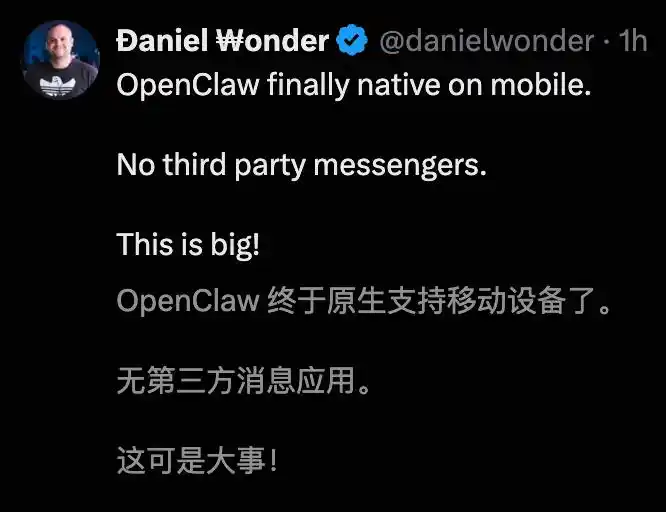
Just now, OpenClaw made a major announcement: the native mobile app has landed on both iOS and Android platforms.

From now on, you can download it directly from the App Store and Google Play.
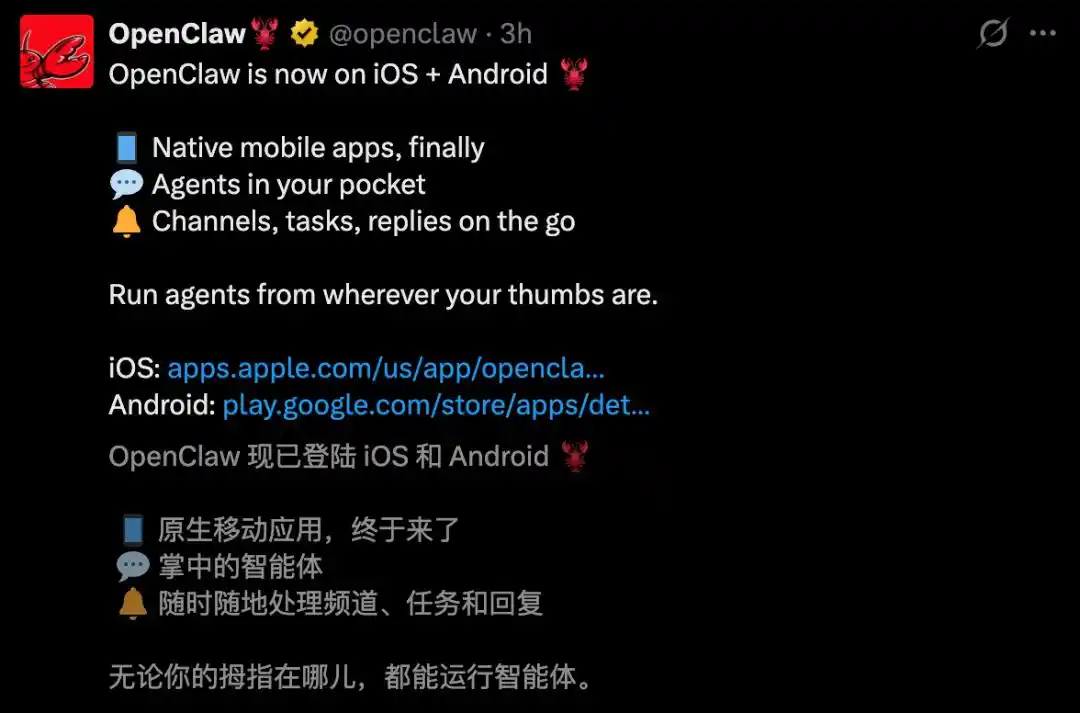
The all-powerful "Lobster" is now in everyone's palm, ready to serve anytime, anywhere.

Almost simultaneously, the well-known AI coding tool Cursor, acquired by Musk, released a public beta of its native iOS app.

One lets you command AI armies on your phone, the other lets you write code and merge PRs on your phone.

The AI Agent, once confined to racing within web browsers and terminal command lines, has now been genuinely stuffed into everyone's pocket.

OpenClaw Native APP Debuts

Loaded Into Every Phone

Let's start with this phenomenal "Lobster"—OpenClaw.

It rose to fame in early 2026, personally endorsed by Jensen Huang at GTC as "the operating system for personal AI."

Its positioning is extremely hardcore: a fully local-running AI Agent. Managing files/browsers, cleaning tens of thousands of emails, automatically submitting PRs—all handled with ease.

But previously, using it on the go was awkward—you had to rely on tools like Telegram or WhatsApp to remotely "issue commands."

But starting today, the experience is completely revolutionized!

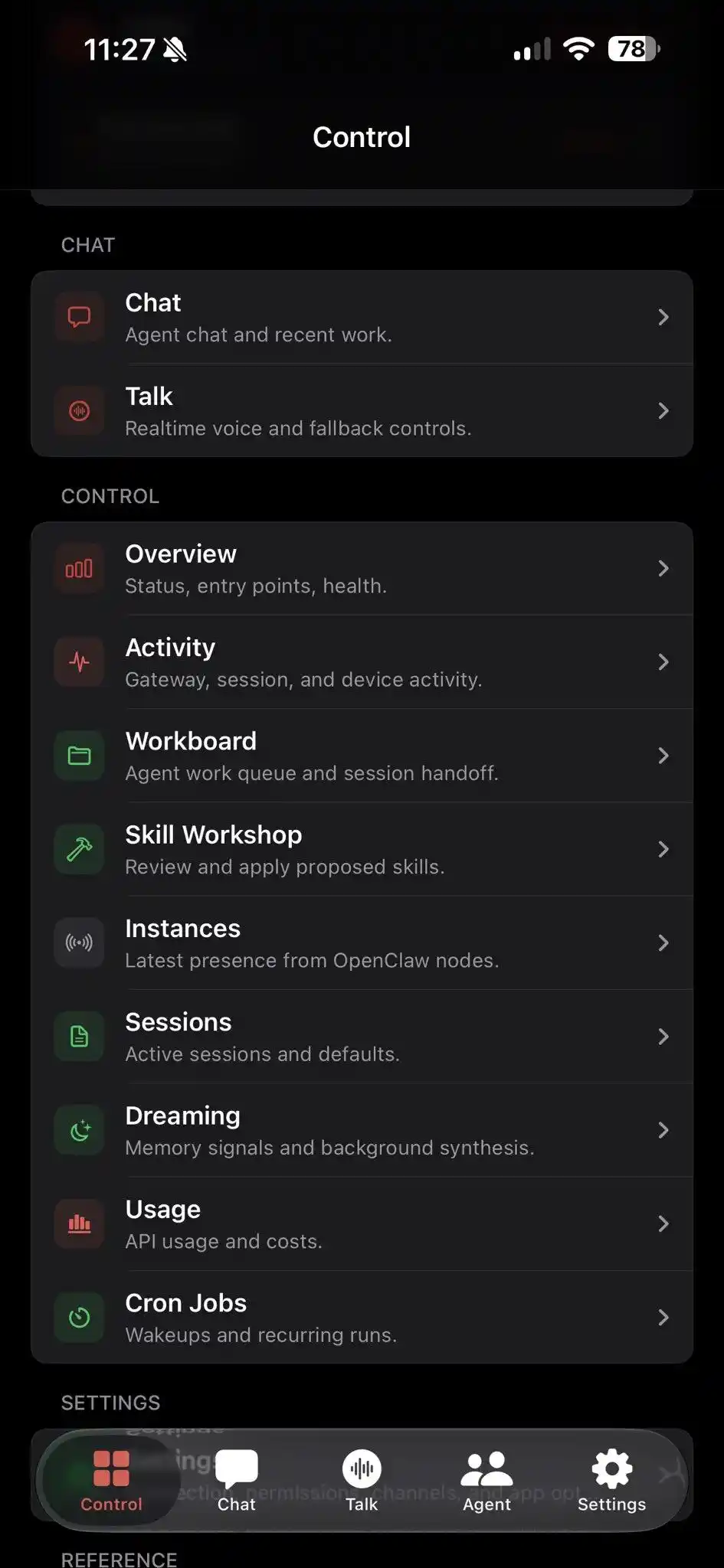
OpenClaw has launched a full-blooded native app, delivering a silky-smooth experience directly.
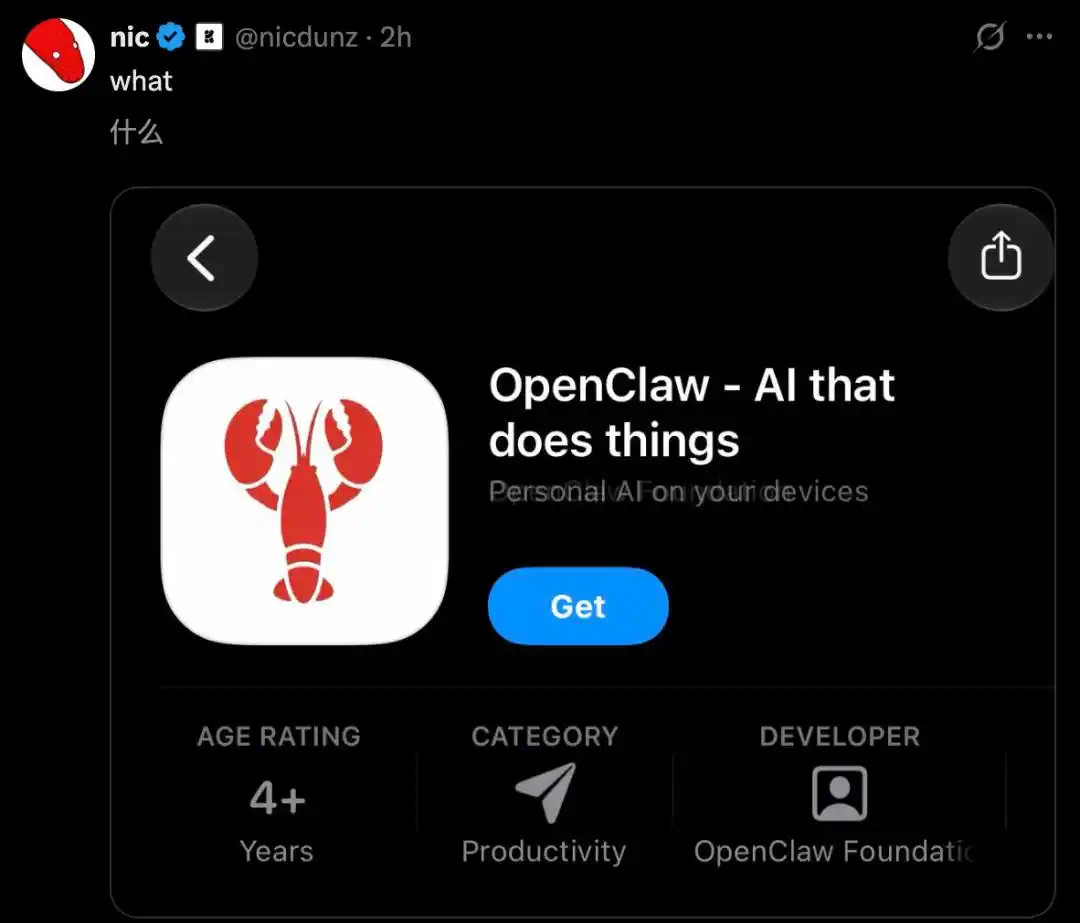
Simply take out your phone, scan a QR code or enter a pairing code to directly connect to your private Gateway, and you can instantly start seamless interaction:

Not only can you chat directly and run real-time or background Talk modes, but you can also remotely control and approve every step of the Agent's operational decisions.

Even more hardcore, its underlying device capabilities have been fully unlocked.

Camera, screen, GPS location, system photo library, down to contacts, calendar, and reminders—the switch for hardware permissions is completely under your control as needed.

See a message to reply to, an automation task to approve? A gentle tap of your thumb while on the subway or in a coffee shop queue gets it done.

As their ambitious slogan states, "Let the Agent run wild wherever your thumb can reach."
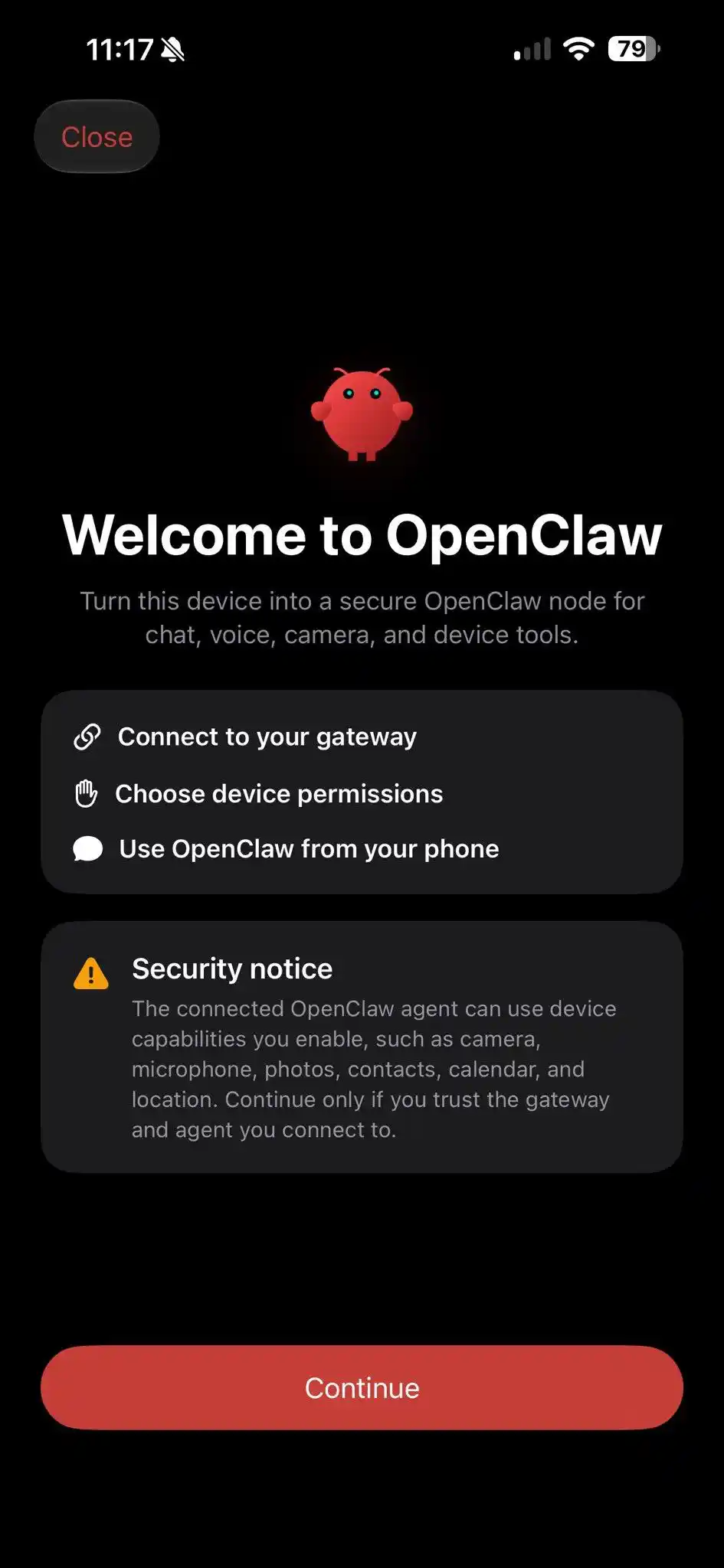
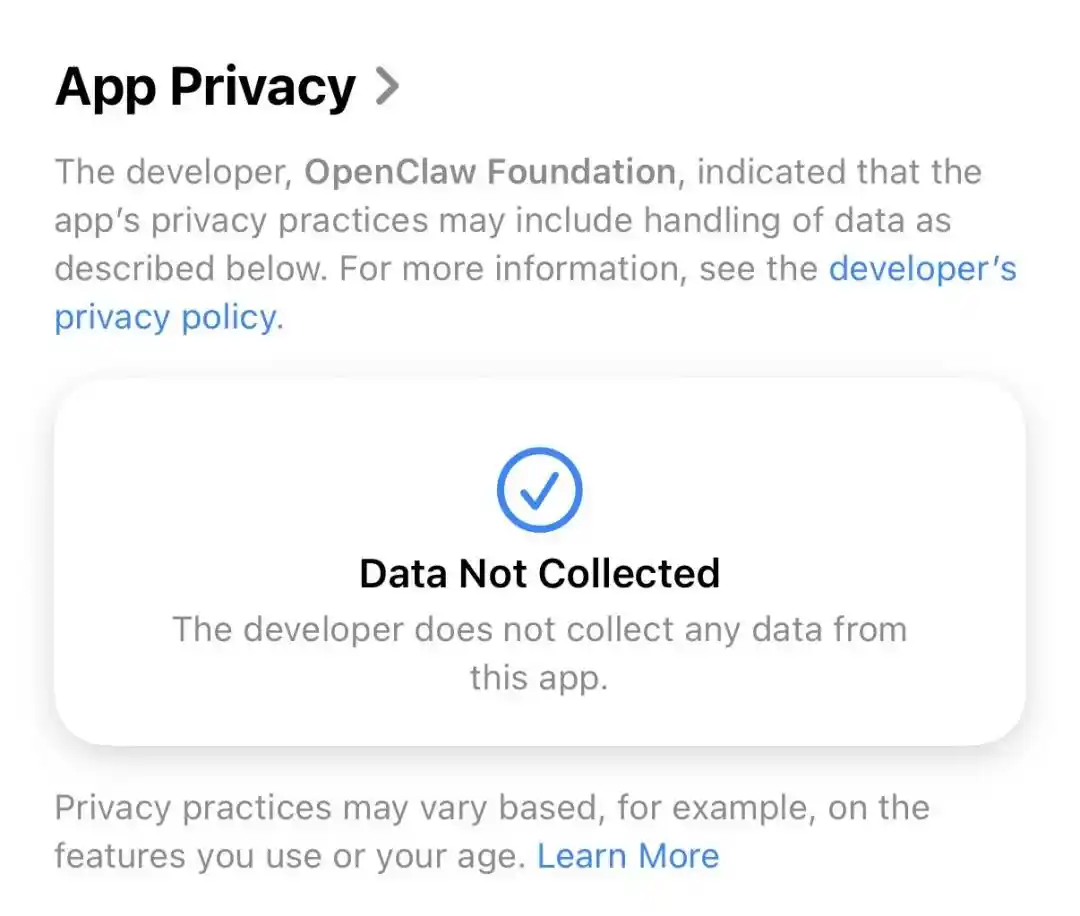
It's worth mentioning that OpenClaw emphasizes a local-first architecture this time.

Developed by the OpenClaw Foundation, keys, configurations, and permissions are all in your own hands, emphasizing no data collection.
The free version offers 20 Gemini-powered messages per day, while $20 per month provides unlimited messages.

Of course, risks must be clarified: it is susceptible to prompt injection attacks and requires extensive system permissions on the Gateway device.

Cursor's iOS Version Arrives, Coding on the Go

While OpenClaw puts a "private assistant army" in your pocket, Cursor packs an entire cloud computer into the iPhone.

Today, Cursor officially released a public beta of its native iOS app, open to all paid users, requiring iOS 26.0 or higher.
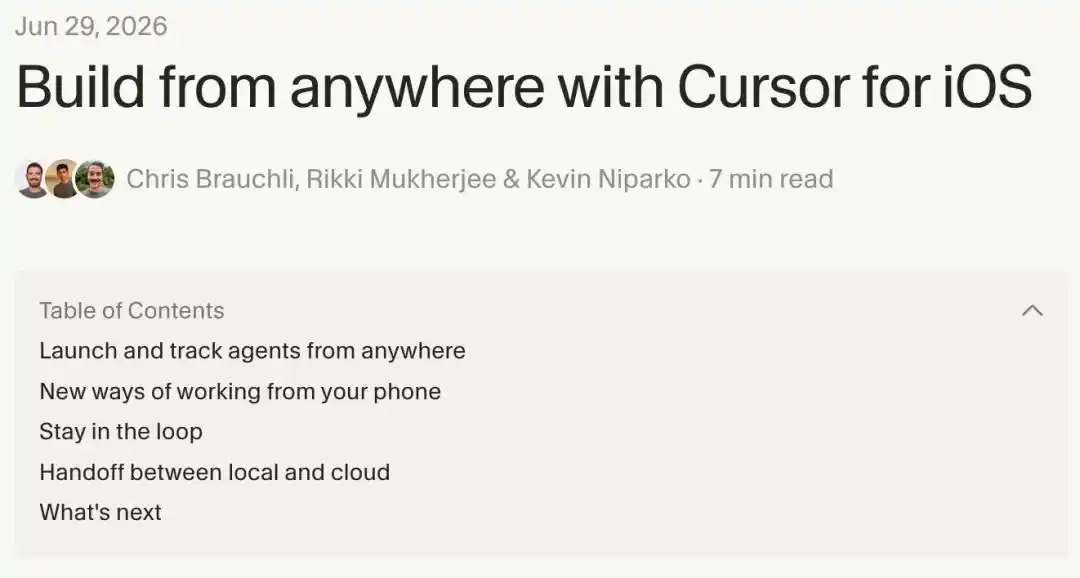
Its killer feature can be summed up in one sentence:

Your local machine can be off, the cloud Agent keeps racing ahead.

Open the app, select a code repository, choose a cutting-edge large model, and launch an Agent just like on the desktop.

You can even dictate requirements verbally, guiding it to work with / commands. There are mainly two ways to play—

  • Cloud Agent: Runs in an isolated virtual machine with a full development environment, can run asynchronously for longer, self-iterates until it produces a mergeable PR.
  • Remote Control: Continue directing an Agent that's already running on your computer from your phone. To keep the computer always online, there's even a "Keep Computer Awake" setting in the app.

All the developer needs to do is wait for notifications on the phone.

Cursor perfectly adapts to iOS's "Live Activities" and lock-screen notifications:

When the Agent finishes, needs your approval, or results are ready for review, your phone alerts you immediately.

Then you can be on the subway, in the kitchen, directly review the diff, leave follow-up instructions, even merge the PR with one tap.
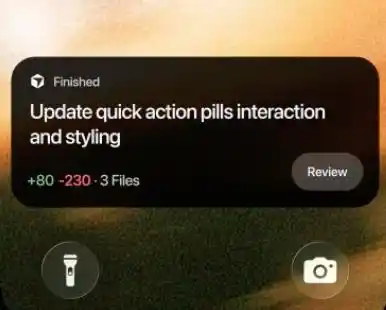
The real-world usage examples given by the Cursor team in their official blog hit the pain points of workers one by one.

Get an on-call alert during lunch? Just throw an Agent at it to investigate and propose a fix; when you return to your desk, the PR is already waiting for review;
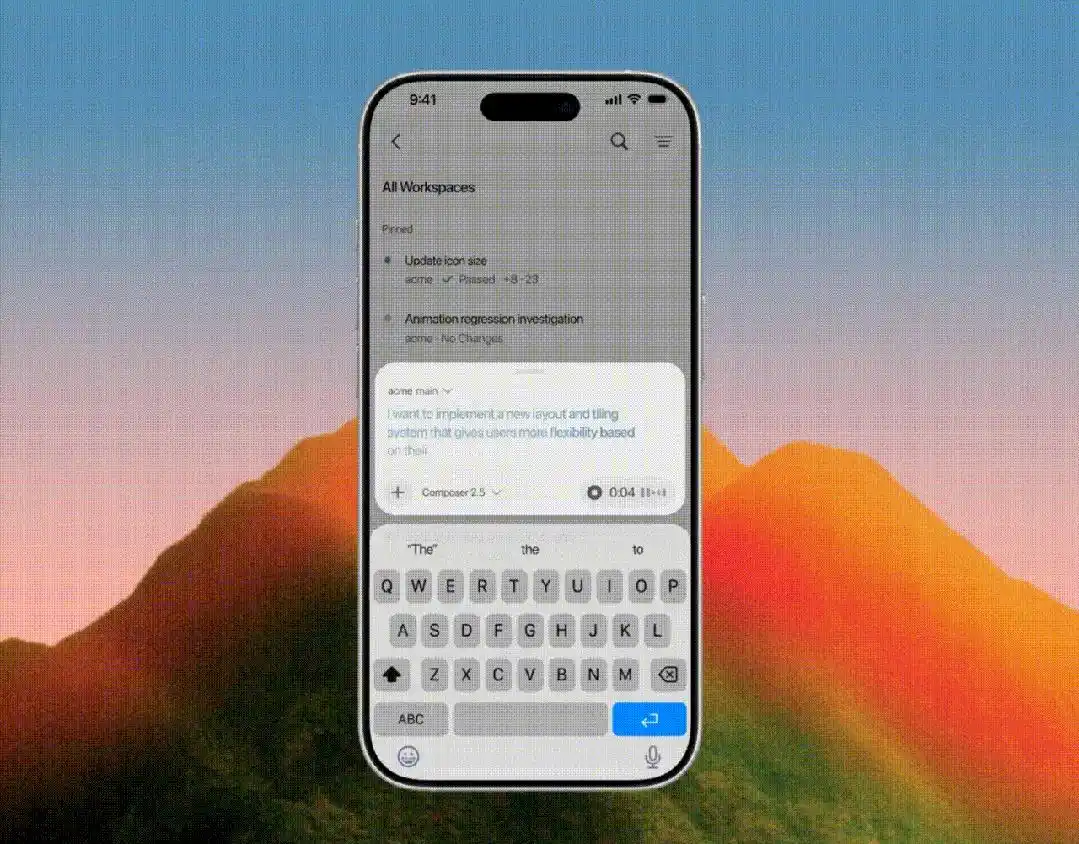
A client reports an urgent bug, and you're not at your computer? Still, launch an Agent from your phone to reproduce, locate, and fix it;

See a user complaint on X? Take a screenshot, annotate it, toss it to the Agent as visual context—often the quickest starting point for UI changes.

This is what the Cursor team coined a new term for: FOMAT (Fear of Missing Agent Time).

Developers used to be tied to their laptops, running around with lids half-open and coffee in hand. Now, work can start whenever inspiration strikes.

AI On-Demand, Human Workstyle Reshaped

What happened today is far more than just "two more apps."

The simultaneous arrival of OpenClaw and Cursor apps sends a clear enough signal:

The operational domain of Agents is becoming completely decoupled from "human physical coordinates."

In the past, no matter how fast AI Agents ran, they were confined to racing within web pages or terminal command lines, essentially "nailed" to the office desk.

But now—

OpenClaw makes your phone a mobile node for your private AI army;

Cursor makes your phone a remote control for commanding cloud-based development on the go.
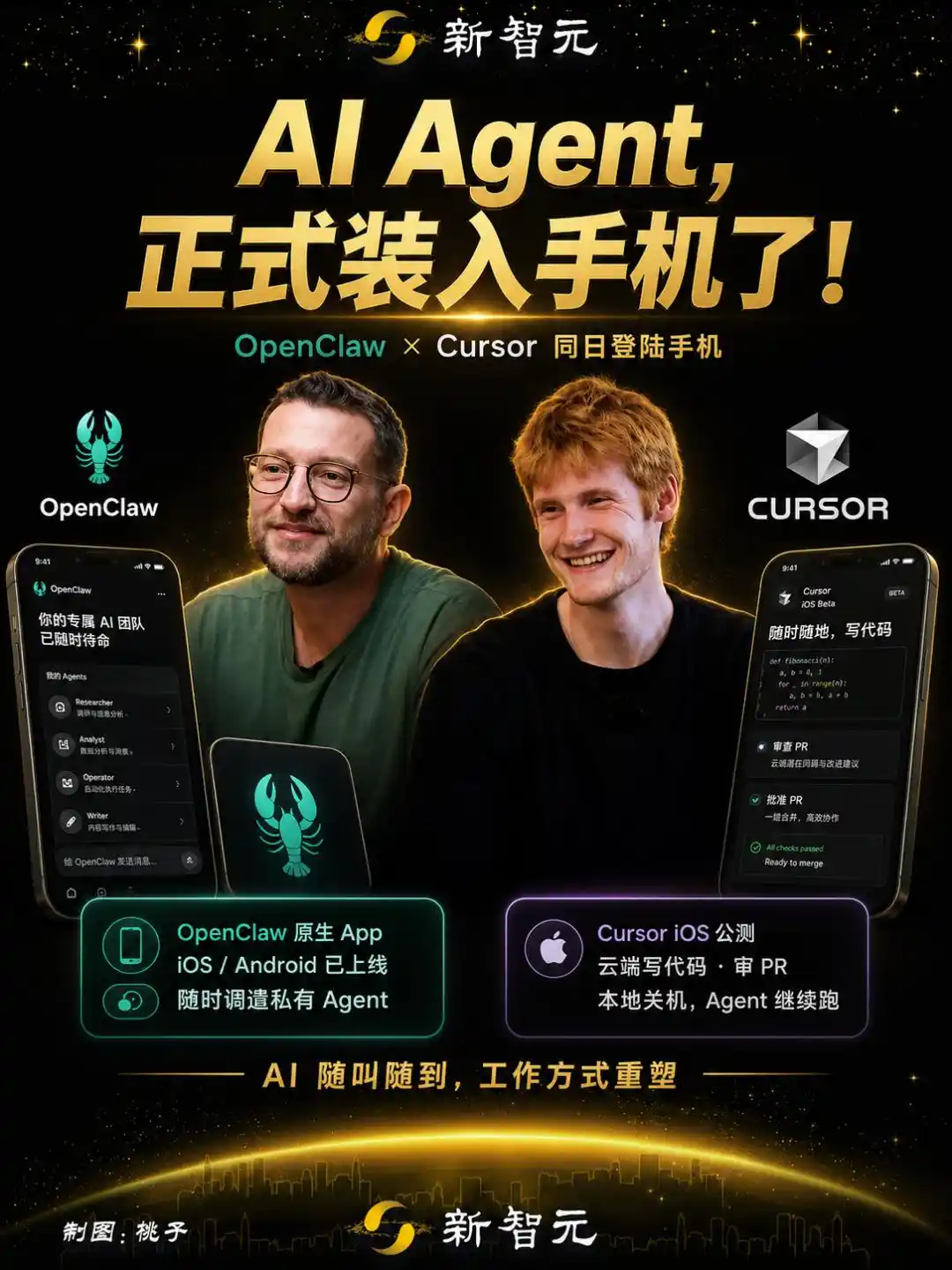
They address the same pain point: people leave their workstations, but tasks shouldn't stop.

From "humans sitting in front of computers operating AI" to "humans walk away, AI runs by itself, calls you back to approve when done"—what lies between is a tangible evolution in Agent autonomy.

Cloud Agents can run independently for 24 hours, testing themselves, producing demos, iterating until a PR is merge-ready.

The human role is subtly but meaningfully shifting from "operator" to "approver."

As Cursor states: In the future, the experience of running Agents in the cloud will become "indistinguishable" from running them on a local computer.

When the runtime environment is fully virtualized, when the command interface is fully mobilized, AI doing work has, for the first time, truly achieved "anytime, anywhere."

The era of dispatching AI armies anytime, anywhere has hit the accelerator.

The pocket-sized AI era has truly arrived.

References:

https://x.com/openclaw/status/2071688039114342592?s=20

https://cursor.com/blog/ios-mobile-app

https://www.macrumors.com/2026/06/29/openclaw-ios-app/

This article is from the WeChat public account "New Zhiyuan," edited by: Peach

Трендовые криптовалюты

Связанные с этим вопросы

QWhat major announcement did OpenClaw and Cursor make on the same day?

AOpenClaw announced its full-fledged native mobile applications for both iOS and Android, and Cursor released the public beta of its native iOS application. These releases bring full-featured AI Agents directly to smartphones.

QHow does the OpenClaw mobile app fundamentally change the user experience?

APreviously, users had to use tools like Telegram or WhatsApp to remotely command their OpenClaw agent. Now, the native app offers a seamless, direct interface, allowing users to chat, manage real-time tasks, and control or approve the agent's decisions from anywhere, directly from their phone.

QWhat is the core new capability enabled by Cursor's mobile iOS app for developers?

ACursor's iOS app allows developers to launch, monitor, and direct cloud-based AI Agents directly from their phone. These agents can run asynchronously for extended periods in virtual machines, work independently to produce PRs, and the user can review diffs and merge PRs from their mobile device, effectively 'coding on the go'.

QWhat key challenge does the article suggest these mobile Agent apps help solve?

AThey solve the problem where AI tasks were previously tied to a computer. Now, even when a person is away from their workstation, the AI Agent can continue working autonomously, and the user can review and approve results remotely, preventing interruptions to workflows.

QWhat major shift in the human-AI relationship is highlighted by the simultaneous release of these apps?

AThe role of the human is subtly shifting from being an 'operator' of the AI to an 'approver' or supervisor. The AI gains increased autonomy to run tasks independently for long periods, and the human interacts at key decision points, often from a mobile device, making AI assistance ubiquitous.

Похожее

Грант Кардон увеличил свои холдинги биткоина до 2700 BTC – Почему сейчас?

Кардона Кэпитал, компания Гранта Кардона, увеличила свои биткоин-холдинги до примерно 2700 BTC (стоимостью около $159 млн), купив актив по средней цене $59 000 на фоне падения рынка. Эта покупка контрастирует с действиями крупнейшего корпоративного держателя, MicroStrategy, который впервые утвердил план продажи до $1,25 млрд биткоинов и уже начал распродажу. Направление задают и спотовые биткоин-ETF США, зафиксировавшие в июне рекордный отток средств примерно в $4,06 млрд. Несмотря на массовую продажу и слабые настроения, технический анализ указывает на возможное дно цены биткоина. На недельном графике цена достигла нижней полосы Боллинджера (зеленая линия), которая неоднократно выступала в качестве поддержки и предшествовала восстановлению.

ambcrypto15 мин. назад

Грант Кардон увеличил свои холдинги биткоина до 2700 BTC – Почему сейчас?

ambcrypto15 мин. назад

Чем останется биткойн в эпоху ИИ?

Недавнее падение биткойна ниже 60 000 долларов вновь поднимает вопрос о его ценности в эпоху ИИ. Автор рассматривает ИИ и биткойн как две стороны одной медали. ИИ радикально снизил стоимость создания контента (текстов, изображений, видео) почти до нуля, что привело к потоку информации, где подлинное и сфабрикованное становится все труднее отличить. В результате истинную ценность приобретает не сам контент, а возможность его **верификации** — подтверждения подлинности фактов, активов, записей. Здесь и проявляется суть биткойна. Его часто критикуют за огромное энергопотребление, которое, в отличие от ИИ, кажется непродуктивным. Однако автор предлагает другую точку зрения: если ИИ сжигает энергию для **создания** (генерирования контента и возможностей), то биткойн сжигает её для **верификации**. Его децентрализованная сеть, основанная на криптографии и консенсусе, создает неизменяемый и самостоятельно проверяемый реестр транзакций. Энергия тратится на то, чтобы сделать подделку истории или мошенническую транзакцию астрономически дорогой и практически невозможной без захвата всей сети. Проводя историческую параллель, автор сравнивает ИИ с печатным станком Гутенберга, который резко удешевил распространение знаний, а биткойн/блокчейн — с двойной бухгалтерией, которая снизила затраты на доверие в коммерции. Таким образом, ИИ и блокчейн не конкурируют, а дополняют друг друга в новой цифровой реальности: один отвечает за безграничное **создание**, другой — за надежное **доказательство** и проверку. Биткойн, в этой логике, — это не просто машина для создания монет, а «машина для создания верифицируемости». В мире, где ИИ может сгенерировать что угодно, конечной ценностью может стать не количество контента, а наличие независимо проверяемых фактов и активов. Будущее биткойна остается неопределенным, но его основная функция — обеспечение доверия без доверия — приобретает новую актуальность в эпоху повсеместных глубоких подделок.

marsbit20 мин. назад

Чем останется биткойн в эпоху ИИ?

marsbit20 мин. назад

В эпоху ИИ, что остаётся у биткоина?

Автор: Sevclub, Seven Research В эпоху искусственного интеллекта, когда генерация текстов, изображений и видео стала дешёвой и быстрой, подлинность информации становится всё более сомнительной. ИИ снижает стоимость производства контента почти до нуля, что приводит к переизбытку и смешению правды и лжи. В этих условиях ключевой ценностью становится возможность верификации — подтверждения истинности. В этом контексте можно по-новому взглянуть на Биткоин, который часто критикуют за высокое энергопотребление. Его суть не в вере, а в криптографической проверке. Биткоин тратит энергию не на вычисления, как ИИ, а на обеспечение "неизменяемости", повышая стоимость фальсификации истории транзакций. Это делает его своего рода машиной по производству "верифицируемости". Проводя параллель с эпохой Возрождения, можно сказать, что ИИ — это новая "печатная пресса", радикально снижающая стоимость создания. Тогда как блокчейн (и Биткоин как его первое воплощение) может стать аналогом "двойной бухгалтерии", снижающим стоимость проверки и установления доверия в цифровом мире. Они не конкурируют, а дополняют друг друга: ИИ генерирует, блокчейн доказывает и верифицирует. Таким образом, в эпоху, когда ИИ может создать что угодно, истинным дефицитом становится не сам контент, а возможность независимой проверки фактов. Биткоин представляет собой попытку создать основу для такой верифицируемости цифровых активов и записей.

链捕手28 мин. назад

В эпоху ИИ, что остаётся у биткоина?

链捕手28 мин. назад

Маркировка Cardano как "призрачной цепи" опровергнута? Почему 34 dApps ADA не раскрывают полной картины

Термин «ghost chain» («цепь-призрак») относится к блокчейну с минимальной активностью и развитием. Хотя Cardano (ADA) обвиняют в этом из-за малого количества dApps (34 против 442 у Solana и 1564 у Ethereum) и значительно более низких показателей транзакций и пользователей, статья объясняет это архитектурными особенностями. Cardano использует модель EUTXO и механизмы батчинга (объединения транзакций), которые повышают детерминизм и безопасность, но при этом статистика «недооценивает» реальную активность в сети. При этом разработка на Cardano остается интенсивной. Автор приходит к выводу, что, несмотря на разрыв в метриках с другими ведущими блокчейнами (Ethereum, Solana, Tron), лишь одно это не является достаточным основанием для ярлыка «ghost chain», так как Cardano занимает свою нишу, делая акцент на научно обоснованный подход, безопасность и соответствие требованиям институциональных клиентов.

ambcrypto1 ч. назад

Маркировка Cardano как "призрачной цепи" опровергнута? Почему 34 dApps ADA не раскрывают полной картины

ambcrypto1 ч. назад

Запас Ethereum у Bitmine достиг $9,8 млрд: «Лучшие годы для криптовалют еще впереди»

Криптокомпания Bitmine Immersion Technologies увеличила свои запасы Ethereum (ETH) на 27 084 монеты за последнюю неделю. Теперь в её казне находится 5 700 040 ETH, что составляет 4,7% от общего предложения Ethereum и оценивается примерно в 9,01 млрд долларов по цене 1569 долларов за монету. Это произошло на фоне падения цены ETH и оттока средств из ETF-фондов Ethereum в июне. Несмотря на слабые рыночные условия и критику в адрес аналогичной стратегии накопления биткоинов компанией MicroStrategy, Bitmine продолжает агрессивно покупать ETH. Председатель Bitmine Том Ли считает, что текущая волатильность отчасти связана с «оконной отделкой» перед концом квартала, и выражает уверенность в будущем крипторынка. Компания подчеркивает свою устойчивость, отмечая ежегодный доход от стейкинга в размере около 211 млн долларов, наличие 555 млн долларов денежных средств и ликвидных ценных бумаг, а также включение в индекс Russell 1000. Ли заявил, что лучшие годы для криптовалют ещё впереди, и ожидает, что токенизация и прогресс в области искусственного интеллекта подстегнут спрос на блокчейн и децентрализованные криптоактивы.

ambcrypto2 ч. назад

Запас Ethereum у Bitmine достиг $9,8 млрд: «Лучшие годы для криптовалют еще впереди»

ambcrypto2 ч. назад

Торговля

Спот

Популярные статьи

Неделя обучения по популярным токенам (2): 2026 может стать годом приложений реального времени, сектор AI продолжает оставаться в тренде

2025 год — год институциональных инвесторов, в будущем он будет доминировать в приложениях реального времени.

1.9k просмотров всегоОпубликовано 2025.12.16Обновлено 2025.12.16

Неделя обучения по популярным токенам (2): 2026 может стать годом приложений реального времени, сектор AI продолжает оставаться в тренде

Обсуждения

Добро пожаловать в Сообщество HTX. Здесь вы сможете быть в курсе последних новостей о развитии платформы и получить доступ к профессиональной аналитической информации о рынке. Мнения пользователей о цене на AI (AI) представлены ниже.

活动图片