Tiger Research: If I Were the Founder of Kaito, How Would I Make Decisions in the Face of InfoFi's Upheaval?

marsbitОпубликовано 2026-01-20Обновлено 2026-01-20

Введение

Tiger Research analyzes the collapse of the InfoFi ecosystem following X platform's abrupt API policy change, which banned apps incentivizing posts with rewards. Within three days, major projects like Kaito faced existential threats, revealing the structural vulnerability of Web3 projects over-reliant on centralized platforms. The report outlines five potential survival strategies for InfoFi projects: 1) Shutting down entirely; 2) Pivoting to a bounty-based funding platform with manual review (e.g., Scribble); 3) Adopting a Korean-style sponsored blog model with pre-selected creators; 4) Expanding to multiple platforms (e.g., YouTube, TikTok) to diversify risk; or 5) Evolving into a data-driven MCN-style management agency for KOLs. The future of the sector, termed InfoFi 2.0, is predicted to be smaller, more controlled, and quality-focused, shifting from permissionless scaling to curated, professional networks. However, fundamental challenges remain: designing fair incentive structures to prevent low-quality content and proving the intrinsic value of InfoFi tokens beyond speculative narratives. The path forward requires aligning project sustainability with tokenholder利益.

This report is written by Tiger Research. The drastic changes in X platform's API policy have led to the instantaneous collapse of the InfoFi ecosystem. As a leading project in the industry, if I were the founder of Kaito, what viable transformation paths are available at this juncture?

Core Insights

  • Ecosystem Collapse in Three Days: X platform's policy adjustments destroyed the InfoFi ecosystem in just three days, fully exposing the structural fragility of Web3 projects' over-reliance on centralized platforms.
  • Five Survival Paths: InfoFi projects currently face five choices: complete shutdown, transformation into a bounty funding platform, adoption of a Korean-style sponsorship model, multi-platform expansion, or evolution into a KOL management model akin to an MCN.
  • Evolution of InfoFi 2.0: The future model will be more refined and controllable, shifting from "permissionless scaling" to "curated high-quality collaboration."
  • Fundamental Challenge: Establishing a fair incentive compensation system and re-proving the intrinsic value of tokens remain chasms the industry must cross.

1. The "Collapse" of InfoFi in Three Days
Source: X(@nikitabier)

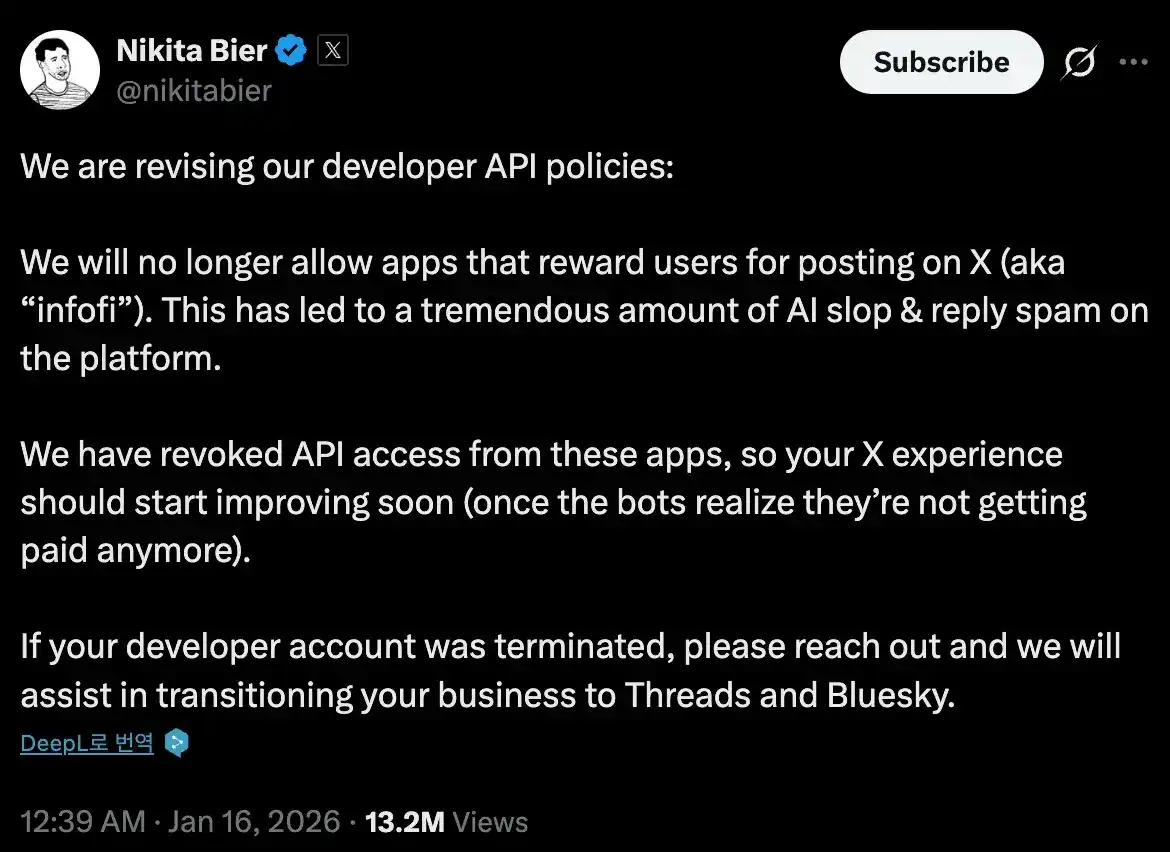
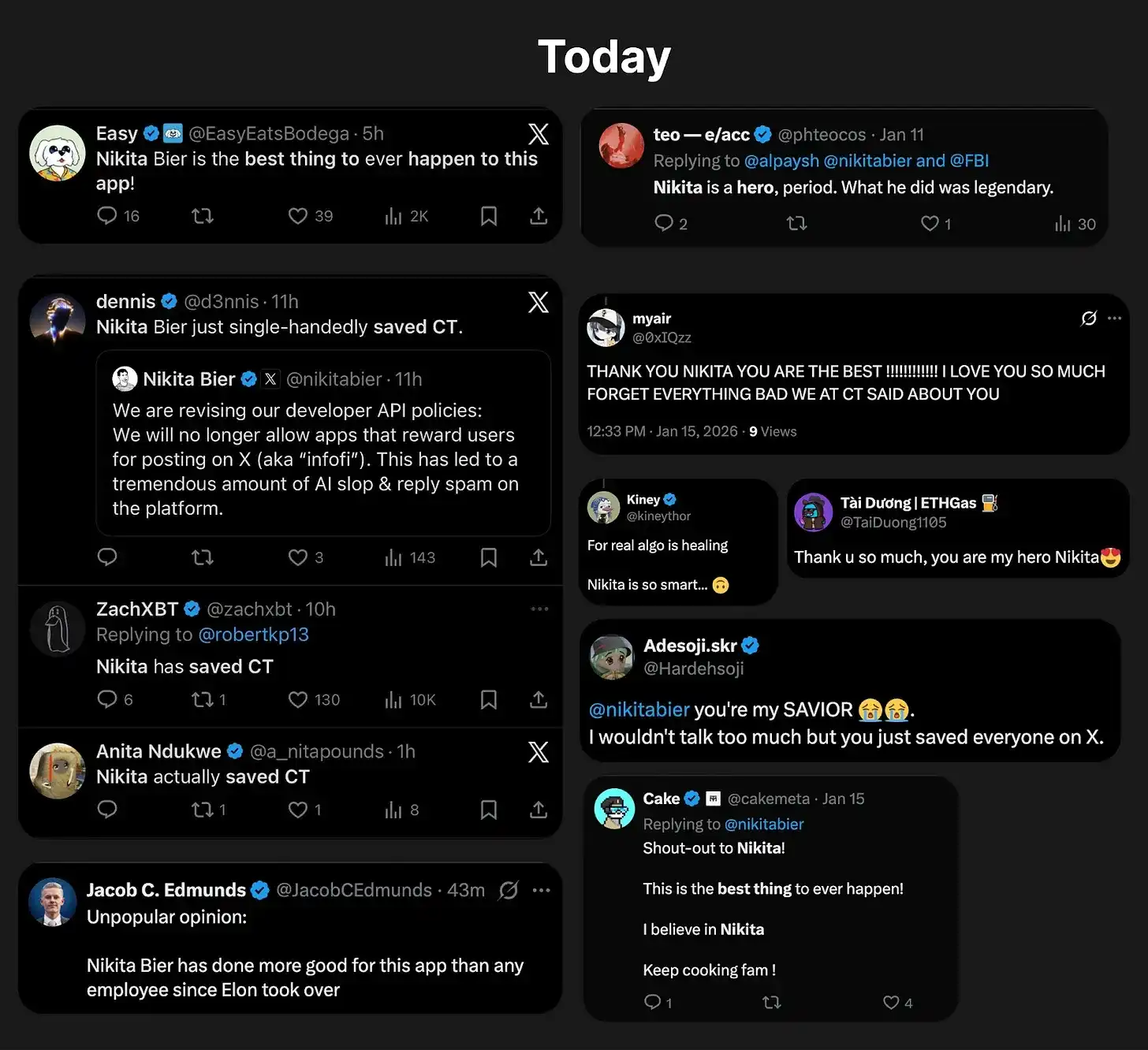
On January 15th, X platform's Product Lead, Nikita Bier, published a brief announcement stating that applications incentivizing user posts with rewards would no longer be permitted to operate on the platform. For the InfoFi sector, this was tantamount to a "death sentence."

According to the timeline disclosed by Kaito founder Yu Hu, the events unfolded as follows:

  • January 13th: Kaito received an email from X platform hinting at a potential review and requesting clarification.
  • January 14th: X platform sent a formal legal notice, to which Kaito submitted a legal response the same day.
  • January 15th: The official statement was publicly released, and Kaito, along with the entire industry, learned of the final decision simultaneously.

The market reaction was extremely severe, with the $KAITO price plummeting. The community accused the team of failing to provide an early warning, despite claiming to have contingency plans. Kaito subsequently issued an emergency statement explaining that they had previously resolved similar disputes through legal channels multiple times, leading to a misjudgment of the negotiation room in this incident.

Lesson: A single decision by a centralized company ended an emerging Web3 category in just three days. This reality, where the "power of life and death" lies in the hands of others, is suffocating the entire ecosystem.

2. If I Were an InfoFi Founder Now

Does this mean InfoFi has reached a dead end? Projects like Kaito are already preparing their next development plans. However, what is needed now is not a continuation of the old path but a completely different "InfoFi 2.0" version.

If I were the founder of an InfoFi project like Kaito, what practical choices are actually available now? By examining these potential forward paths, we can begin to outline the contours of InfoFi's next phase.

2.1 Complete Shutdown

This is the simplest and most direct option: cease operations before funds are completely exhausted. In reality, many small and medium-sized projects may enter a "zombie phase"—largely inactive, occasionally posting some social media updates, and gradually fading from public view.

Since the previously established "Product-Market Fit" (PMF) around the X platform has now vanished, choosing to shut down might be more realistic than continuously burning cash in search of an elusive new direction. If the project still holds usable data assets, these could be sold to other companies to recover some residual value. Therefore, most smaller InfoFi projects will likely choose this path.

2.2 Bounty-Based Funding Platform

If access to X's API is no longer possible, another option is to revert to an earlier business model: KOLs directly apply for relevant activities, submit content for manual review, and receive rewards upon approval.
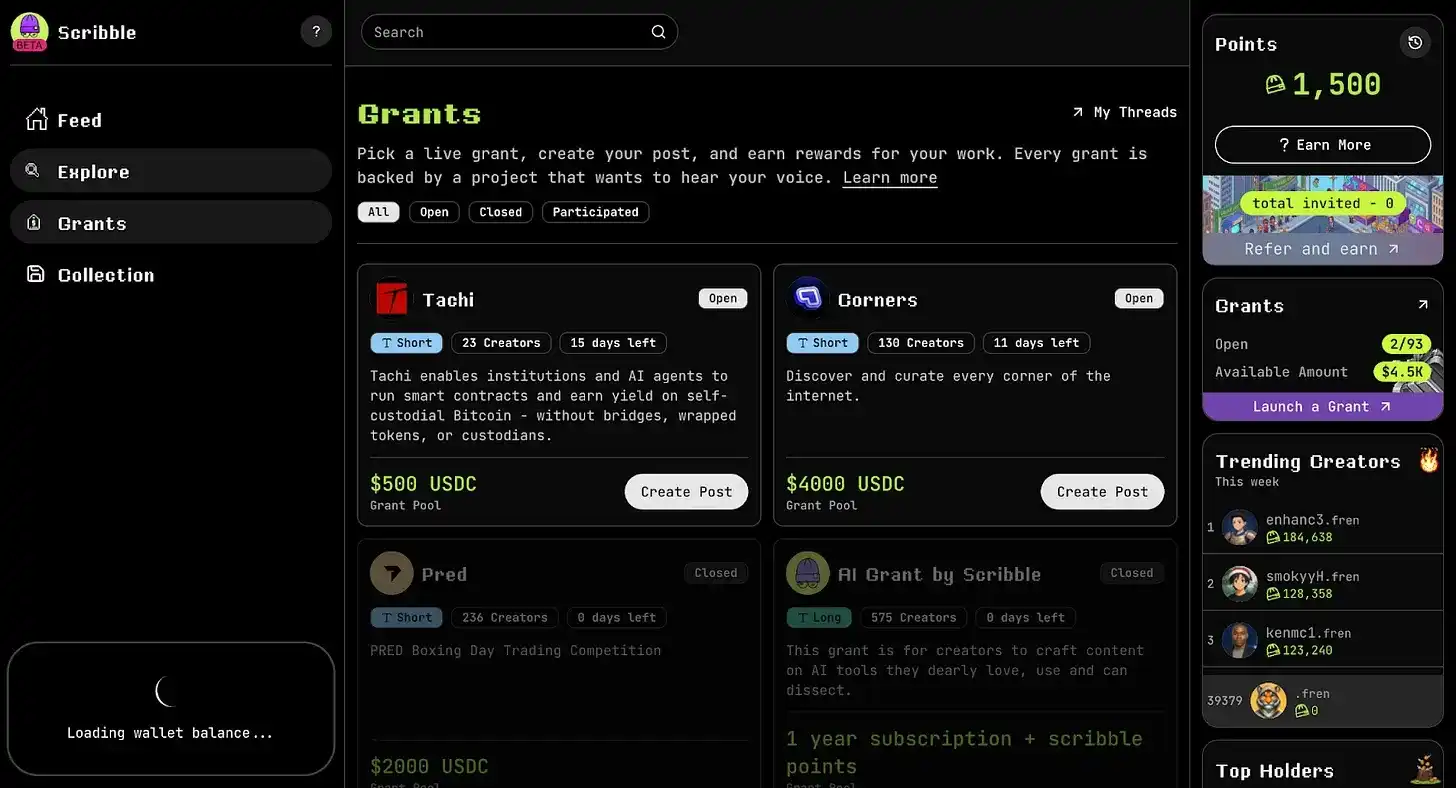
Source: Scribble

The model represented by Scribble is a typical example. Project parties post funding tasks in the form of bounties, KOLs create and submit content for platform review, and receive payment upon approval. This is a "submit first, review later" model, rather than relying on real-time API tracking.

This structure can be scaled as an open platform: the platform merely provides matching intermediation and infrastructure, while individual project parties manage their own campaigns. As more projects participate, the KOL pool expands accordingly; the growth of the KOL base, in turn, offers more choices for project parties. The drawback is the significant uncertainty for KOLs—if submitted content is rejected, the time and effort invested are wasted. After multiple failures, high-quality KOLs are likely to leave the platform.

2.3 Korean-Style Sponsored Blog Model
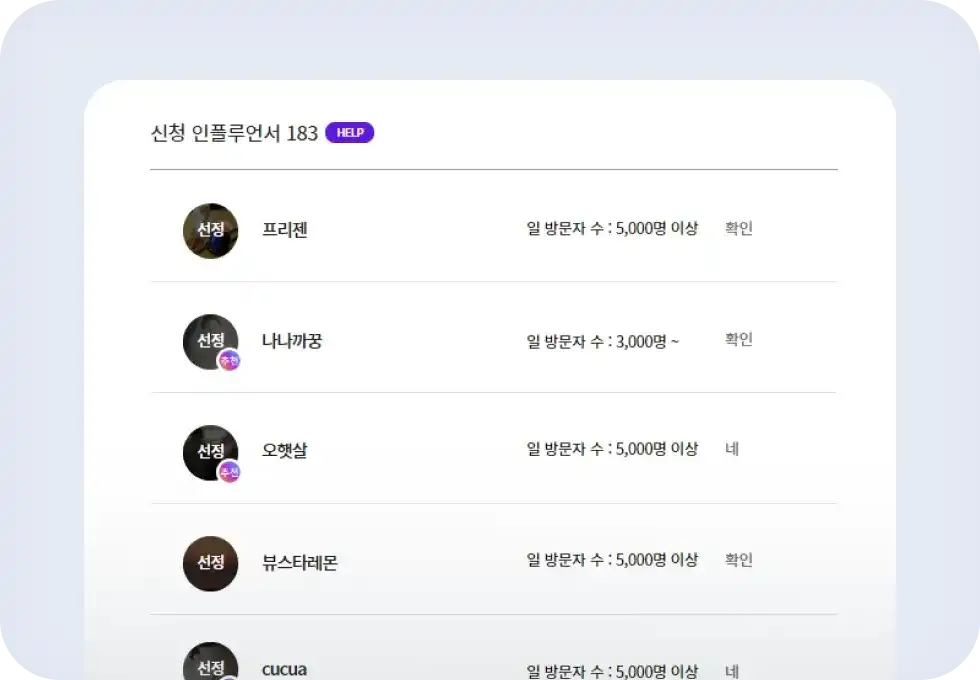
The Korean sponsored blog model follows a "select first, manage later" approach, rather than post-hoc review. Agencies like Revu have used this model for over a decade.

The process is very clear: the project party sets the target number of participants and launches a campaign, applicants submit their applications, and the project party selects suitable KOLs based on data like follower count and past performance. Selected KOLs receive clear creation guidelines, and after content is published, it is reviewed by operational staff. If it doesn't meet standards, revisions are requested; if deadlines are missed, corresponding penalties are applied.

In this model, KOLs can effectively avoid futile efforts. Once selected,报酬 is basically guaranteed as long as guidelines are followed. Unlike bounty-based systems, there is no risk of completing work only to be unreasonably rejected. From the project party's perspective, quality control becomes easier since only pre-vetted participants are chosen.

2.4 Multi-Platform Expansion

If X platform is no longer fertile ground, the next choice is inevitably to pivot to YouTube, TikTok, and Instagram. In the Web3 space, there is already a strong push to move beyond the X platform. The prevailing view is that real growth requires shifting from platforms dominated by crypto-native users to mainstream channels with a broader audience.

The main advantage of this path is a much larger potential user base than X platform, especially in emerging markets like Southeast Asia and Latin America, where TikTok and Instagram hold significant influence. Additionally, each platform runs on different algorithms, so even if one channel is restricted, overall operations can continue.

However, the trade-off is a dramatic increase in operational complexity. On X platform, reviewing text-based posts was usually sufficient; on YouTube, content length and production quality are paramount; on TikTok, the first three seconds of a video determine its performance; and on Instagram, the execution of Stories and format quality must be evaluated. This requires platform-specific expertise and may necessitate developing entirely new internal tools. Given the vastly different API policies and data collection methods across platforms, this is practically equivalent to rebuilding the entire project from scratch. Furthermore, policy risks still loom—any platform could change its rules abruptly, just like X did. However, dispersing activities across multiple platforms does significantly reduce reliance on any single one and is the only option that offers substantive scalability for larger projects.

2.5 MCN-Style KOL Management

In the Web2 MCN (Multi-Channel Network) model, the brand value of KOLs is crucial. In Web3, this influence is even more decisive: narratives drive capital, and a single comment from an opinion leader can directly impact token prices.

Successful InfoFi projects have typically cultivated an active and highly loyal group of KOLs, creators who have grown through months of deep engagement on the platform. The project party could retain this group and pivot them towards a data-driven management model, rather than starting from scratch to find creators. This differs from traditional Web2 MCNs that rely on continuously discovering new talent.

An MCN-style structure implies establishing formal contractual relationships, rather than loose, selective participation. With accumulated historical data and established relationships, the platform can wield stronger influence within the Web3 ecosystem and negotiate better business deals. For InfoFi projects, this requires a robust management system, with data becoming the core asset. If KOLs can be precisely guided through data, and project parties are provided with professional, data-driven GTM (Go-To-Market) strategies, this model will offer a lasting competitive advantage.

3. InfoFi 2.0

This collapse of the InfoFi ecosystem has left two profound lessons for the Web3 world:

  1. The Irony of Decentralization: Many Web3 projects were deeply dependent on the centralized X platform, and a single decision by X was enough to destroy the entire system.
  2. The Limitations of Incentive Design: Reward mechanisms successfully attracted a large number of participants but lacked effective methods to control content quality. The flood of spam content gave X platform a clear reason to intervene.
Source: X(@nikitabier)

Does this mean the road for InfoFi has come to an end?

Not entirely. A minority of projects that found "Product-Market Fit" might survive by altering their business form. They could pivot to multi-platform expansion, curate premium campaigns, or transform into MCN-style management.

InfoFi 2.0 will likely become smaller in scale, more controllable, and more focused on content quality. It will shift from an open, permissionless platform to a rigorously vetted professional network, its form more closely resembling an integrated marketing platform that combines native GTM efforts and components like offline advertising.

However, fundamental questions remain on the table. Joel Mun from Tiger Research House points out: once incentive mechanisms are introduced, participants inevitably find ways to exploit system loopholes, making fair incentive structures extremely difficult to design. This speculative behavior leads to low-quality content and creates a negative feedback loop that can破坏 the platform.

Furthermore, researcher David raises a more essential question: he believes that the value maintenance of InfoFi tokens in the past relied more on staking airdrop expectations and belief in a certain narrative, rather than the platform's actual performance. Now, both have lost relevance. This leads to a direct question: why should investors buy InfoFi tokens in the future?

For InfoFi 2.0 to truly survive, these questions must be answered clearly and convincingly. If a project cannot align its interests with those of its token holders, it cannot achieve genuine sustainable development.

Original article link

Трендовые криптовалюты

Связанные с этим вопросы

QWhat was the immediate impact of X platform's API policy change on the InfoFi ecosystem, according to the article?

AThe policy change led to the instantaneous collapse of the InfoFi ecosystem within three days, completely exposing the structural vulnerability of Web3 projects that are overly reliant on a centralized platform.

QWhat are the five potential survival paths outlined for an InfoFi project like Kaito after the policy change?

AThe five paths are: 1. Complete shutdown, 2. Transitioning to a bounty-based funding platform, 3. Adopting a Korean-style sponsored blog model, 4. Expanding to other platforms (multi-platform expansion), and 5. Evolving into an MCN-style KOL management system.

QHow does the article describe the fundamental shift in the future model of InfoFi, referred to as 'InfoFi 2.0'?

AInfoFi 2.0 is described as becoming more refined and controllable, shifting from 'permissionless scaling' to 'curated, high-quality collaborations'. It will be smaller, more manageable, and more focused on content quality.

QWhat core challenge does the article identify regarding incentive systems in the InfoFi model?

AThe core challenge is the extreme difficulty in designing a fair incentive and compensation system. Once rewards are introduced, participants inevitably find ways to exploit the system, leading to low-quality content and negative feedback loops that can destroy the platform.

QWhat fundamental question about the value of InfoFi tokens is raised by researcher David in the article?

ADavid questions why investors would buy InfoFi tokens in the future, arguing that their value was previously maintained more by staking for airdrop expectations and belief in a narrative rather than the platform's actual performance, both of which have now lost relevance.

Похожее

37,7°C — ураган жары, суперкомпьютер ИИ в Кембриджском университете вышел из строя, 350 научных проектов замерли

В конце июня 2024 года британский суперкомпьютер Dawn, один из самых мощных ИИ-кластеров страны, расположенный в Кембриджском университете, вышел из строя на целую неделю из-за сильной жары. Причиной стала рекордная для июня температура в 37,7°C, которая привела к отказу системы охлаждения центра обработки данных. Этот инцидент приостановил более 350 научных проектов, включая исследования в области изменения климата, разработки лекарств от болезни Паркинсона и создания персонализированных противораковых вакцин. Суперкомпьютер Dawn, являющийся частью национальной программы Великобритании по развитию ИИ-вычислений стоимостью 300 млн фунтов, недавно получил финансирование на модернизацию. Однако его система охлаждения, как и многие инфраструктурные объекты в стране, была спроектирована для исторически более низких летних температур. Аналогичные сбои из-за жары происходили ранее в британских больницах и дата-центрах компаний Google и Oracle. Инцидент высветил серьезную проблему: растущие вычислительные мощности ИИ, особенно мощные GPU с высоким тепловыделением, требуют все более эффективного охлаждения. Это происходит на фоне глобального потепления, создавая конфликт двух тенденций — роста тепловыделения оборудования и повышения температуры окружающей среды. Выход из строя суперкомпьютера, используемого в том числе для моделирования климата, символично демонстрирует уязвимость критической инфраструктуры перед явлением, которое она призвана изучать.

marsbit28 мин. назад

37,7°C — ураган жары, суперкомпьютер ИИ в Кембриджском университете вышел из строя, 350 научных проектов замерли

marsbit28 мин. назад

Биткоин еще не достиг дна, а биржа AscendEX уже "сделала ноги"

Криптобиржа AscendEX (бывшая BitMax) 6 июля 2026 года объявила о полном прекращении деятельности с 1 июля 2026 года, ссылаясь на ужесточение регулирования (MiCA ЕС), рыночные и операционные факторы. Платформа остановила все операции, кроме ограниченного вывода средств. Инвестор ZachXBT заранее предупреждал о задержках вывода и недостаточной ликвидности горячих кошельков биржи. После объявления он подтвердил, что проверенные запросы на вывод на миллионы долларов не могут быть выполнены из-за нехватки ликвидных активов (ETH, USDT, SOL) в известных кошельках. Платформа ввела ручную проверку всех запросов на вывод, не гарантируя сроки. Анализ Arkham Intelligence показал, что в отмеченных кошельках остались в основном альткойны на сумму около 13,5 млн долларов, а значительные выводы прекратились за неделю до заявления. В 2021 году AscendEX пострадала от взлома горячих кошельков на сумму около 77,7 млн долларов, что ослабило её позиции. К 2026 году накопленные проблемы с ликвидностью, давлением медвежьего рынка и конкуренцией привели к кризису. Попытки стратегического спасения провалились. Этот случай подчеркивает риски централизованных бирж, особенно малых и средних, и важность прозрачности резервов. Пользователям рекомендуется использовать некастодиальные кошельки или биржи с доказанными резервами.

Foresight News37 мин. назад

Биткоин еще не достиг дна, а биржа AscendEX уже "сделала ноги"

Foresight News37 мин. назад

Семикратное превышение подписки: сможет ли SK Hynix спасти полупроводниковую отрасль?

Корейский полупроводниковый гигант SK Hynix успешно разместил американские депозитарные расписки (ADR) на Nasdaq, с уровнем подписки, превышающим 7 раз. Это стало крупнейшей в истории США публикацией иностранной компании. Несмотря на масштабный сбор средств в размере около 245 млрд долларов, весь сектор полупроводников в настоящее время переживает значительную коррекцию. За последние два года инвестиции в инфраструктуру ИИ были ключевым драйвером роста. Однако недавние события, такие как планы Meta по продаже избыточных вычислительных мощностей и отмена проекта крупного центра обработки данных Blackstone, вызвали опасения по поводу замедления темпов роста капитальных затрат технологических гигантов. В результате акции SK Hynix упали почти на 30% с пика в конце июня. Интересно, что, несмотря на давление на вторичном рынке, размещение ADR SK Hynix было встречено с огромным энтузиазмом со стороны институциональных инвесторов, включая крупные фонды, такие как Baillie Gifford и Coatue Management. Этот ажиотаж предполагает, что долгосрочные инвесторы по-прежнему верят в цикл инвестиций в ИИ. Существует также мнение, что коррекция перед IPO могла быть стратегической для обеспечения более привлекательного старта торгов. Тем не менее, ключевым фактором, определяющим будущее полупроводникового сектора, станут не успехи размещения, а предстоящие финансовые отчеты и прогнозы по капитальным затратам таких технологических гигантов, как Microsoft, Google, Meta и Amazon. Их решения относительно будущих инвестиций в инфраструктуру ИИ дадут окончательный ответ на вопрос, является ли нынешняя коррекция временной передышкой или началом более глубокой переоценки.

Odaily星球日报1 ч. назад

Семикратное превышение подписки: сможет ли SK Hynix спасти полупроводниковую отрасль?

Odaily星球日报1 ч. назад

Срочно: Маск представляет самый мощный Grok 4.5, с ценой уровня Opus по огромной скидке

SpaceXAI представила флагманскую модель Grok 4.5, разработанную совместно с Cursor. Модель демонстрирует высокую производительность в тестах SWE Bench Pro (64,7%), Terminal Bench 2.1 (83,3%) и DeepSWE 1.0 (62,0%), сравнимую с такими моделями, как OpenAI GPT-5.5 и Opus 4.7/4.8. Её ключевыми преимуществами объявлены высокая скорость (80 TPS) и эффективность: при решении задач Grok 4.5 использует в 4,2 раза меньше токенов, чем Opus 4.8. Цена составляет $2 за 1 млн входных токенов и $6 за 1 млн выходных. Модель натренирована на огромном количестве высококачественных данных от Cursor, включающих реальные сценарии взаимодействия разработчиков. Маск пообещал, что следующая версия получит контекст до 1 млн токенов и выйдет уже в следующем месяце, ознаменовав новый качественный скачок.

marsbit1 ч. назад

Срочно: Маск представляет самый мощный Grok 4.5, с ценой уровня Opus по огромной скидке

marsbit1 ч. назад

Сегодня Гонконгская биржа снова оказалась переполнена

9 июля Гонконгская биржа пережила необычайно активный день: одновременно состоялись листинги семи компаний, включая Luxshare Precision, Dingtai Hi-Tech, Rigol Technologies, Sanhuan Group, Qiyunshan Food, Luoshi Robotics и Oriental Science & Technology. Это рекордное количество IPO за один день в этом году. Однако рынок отреагировал неоднозначно: Luxshare Precision упала на 5%, Dingtai Hi-Tech — более чем на 9%, а Rigol Technologies приблизилась к падению на 20%. В то же время акции Qiyunshan Food выросли более чем на 110%. Эта ситуация отражает растущую поляризацию на рынке IPO Гонконга. В этом году наблюдается бум IPO в Гонконге: за первую половину года котировки получили 82 компании, что на 110,3% больше, чем годом ранее. Особенно заметна роль компаний с двойным листингом «A+H», которые привлекли почти 60% общего объема финансирования. Несмотря на первоначальный ажиотаж, во втором полугодии настроения изменились. Многие новые акции, такие как Tongrentang Medical Care и Anker Innovations, столкнулись с падением в первый же день торгов. В то же время компании, связанные с искусственным интеллектом и высокими технологиями, такие как Zhipu AI и MiniMax, продолжают привлекать огромный интерес инвесторов и демонстрировать значительный рост. Сценарий на рынке IPO Гонконга становится все более контрастным: капитал концентрируется в секторе высоких технологий, в то время как компании из традиционных отраслей сталкиваются с трудностями. Более 500 компаний ожидают своей очереди на листинг, что подчеркивает важность не только успешного выхода на биржу, но и способности сохранять стоимость после IPO.

marsbit1 ч. назад

Сегодня Гонконгская биржа снова оказалась переполнена

marsbit1 ч. назад

Торговля

Спот

Популярные статьи

Как купить S

Добро пожаловать на HTX.com! Мы сделали приобретение Sonic (S) простым и удобным. Следуйте нашему пошаговому руководству и отправляйтесь в свое крипто-путешествие.Шаг 1: Создайте аккаунт на HTXИспользуйте свой адрес электронной почты или номер телефона, чтобы зарегистрироваться и бесплатно создать аккаунт на HTX. Пройдите удобную регистрацию и откройте для себя весь функционал.Создать аккаунтШаг 2: Перейдите в Купить криптовалюту и выберите свой способ оплатыКредитная/Дебетовая Карта: Используйте свою карту Visa или Mastercard для мгновенной покупки Sonic (S).Баланс: Используйте средства с баланса вашего аккаунта HTX для простой торговли.Третьи Лица: Мы добавили популярные способы оплаты, такие как Google Pay и Apple Pay, для повышения удобства.P2P: Торгуйте напрямую с другими пользователями на HTX.Внебиржевая Торговля (OTC): Мы предлагаем индивидуальные услуги и конкурентоспособные обменные курсы для трейдеров.Шаг 3: Хранение Sonic (S)После приобретения вами Sonic (S) храните их в своем аккаунте на HTX. В качестве альтернативы вы можете отправить их куда-либо с помощью перевода в блокчейне или использовать для торговли с другими криптовалютами.Шаг 4: Торговля Sonic (S)С легкостью торгуйте Sonic (S) на спотовом рынке HTX. Просто зайдите в свой аккаунт, выберите торговую пару, совершайте сделки и следите за ними в режиме реального времени. Мы предлагаем удобный интерфейс как для начинающих, так и для опытных трейдеров.

1.6k просмотров всегоОпубликовано 2025.01.15Обновлено 2026.06.02

Как купить S

Sonic: Обновления под руководством Андре Кронье – новая звезда Layer-1 на фоне спада рынка

Он решает проблемы масштабируемости, совместимости между блокчейнами и стимулов для разработчиков с помощью технологических инноваций.

2.3k просмотров всегоОпубликовано 2025.04.09Обновлено 2025.04.09

Sonic: Обновления под руководством Андре Кронье – новая звезда Layer-1 на фоне спада рынка

HTX Learn: Пройдите обучение по "Sonic" и разделите 1000 USDT

HTX Learn — ваш проводник в мир перспективных проектов, и мы запускаем специальное мероприятие "Учитесь и Зарабатывайте", посвящённое этим проектам. Наше новое направление .

1.9k просмотров всегоОпубликовано 2025.04.10Обновлено 2025.04.10

HTX Learn: Пройдите обучение по "Sonic" и разделите 1000 USDT

Обсуждения

Добро пожаловать в Сообщество HTX. Здесь вы сможете быть в курсе последних новостей о развитии платформы и получить доступ к профессиональной аналитической информации о рынке. Мнения пользователей о цене на S (S) представлены ниже.

活动图片