2 Days, 20x: A Quick Look at the Automated Market Making Mechanism of the New Gem Snowball

marsbitОпубликовано 2025-12-22Обновлено 2025-12-22

Введение

The meme token Snowball" launched on pump.fun on December 18 and gained significant traction in the English-speaking crypto community, reaching a $10 million market cap within four days while largely flying under the radar in Chinese crypto circles. Its core innovation is an automated market-making mechanism: instead of the typical "creator fee" (usually 0.5%–1% per transaction) going to the developer’s wallet—a common setup that often leads to rug pulls—Snowball directs 100% of this fee to an on-chain bot. This bot periodically: 1. Buys back tokens to create buy pressure, 2. Adds the purchased tokens and corresponding SOL to the liquidity pool to improve depth, 3. Burns 0.1% of tokens to induce deflation. The fee rate also adjusts dynamically based on market cap (0.05%–0.95%) to balance accumulation and transaction friction. The idea is a "snowball effect": trading generates fees → fees fuel buybacks → buybacks may push price up → higher prices attract more trading. On-chain data shows 7,270 holders, with the top 10 holding ~20% of supply. Trading volume has been relatively balanced between buys and sells. However, the token remains highly speculative. While the structure reduces dev exit risk, it doesn’t eliminate other meme coin risks like low liquidity, narrative fatigue, or large holder dumps. Similar projects like FIREBALL are emerging, suggesting a trend toward "mechanism-driven memes." But as past examples like OlympusDAO and Safemoon show, complex t...

The crypto market in December is as cold as the weather.

On-chain transactions have been dormant for a long time, and new narratives are hard to come by. Just look at the drama and gossip circulating in the Chinese CT (Crypto Twitter) these past few days, and you'll know hardly anyone is playing in this market anymore.

But the English-speaking community has been discussing something new.

A meme coin called Snowball launched on pump.fun on December 18th. In four days, its market cap surged to $10 million and is still hitting new highs; yet it's barely mentioned in Chinese circles.
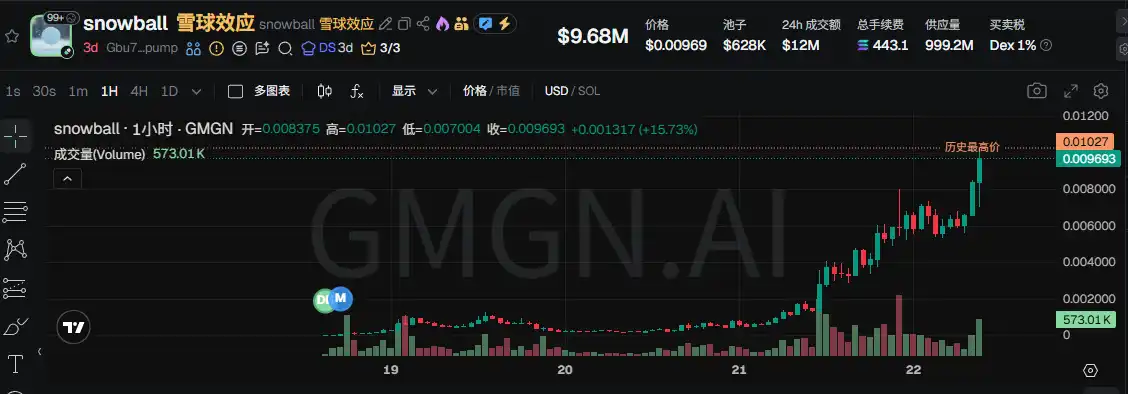
In the current environment, lacking new narratives and where even memes are considered unplayable, this is one of the few things that catches the eye and shows some localized wealth effect.

And the name Snowball itself tells the story it wants to convey:

A mechanism that allows the token to "roll and grow bigger by itself."

Turning Transaction Fees into Buying Pressure, Rolling the Snowball for Market Making

To understand what Snowball is doing, you first need to know how pump.fun tokens typically make money.

On pump.fun, anyone can create a token in minutes. The token creator can set a "creator fee," essentially taking a cut of every transaction into their own wallet, usually between 0.5% and 1%.

This money could theoretically be used for community building and marketing, but in practice, most Devs choose to: accumulate enough and then rug.

This is part of the typical life cycle of a shitcoin. Launch, pump, harvest fees, rug. Investors aren't betting on the token itself, but on the developer's conscience.

Snowball's approach is to not take this creator fee money.

To be precise, 100% of the creator fees do not go to anyone's wallet but are automatically transferred to an on-chain market-making bot.

This bot performs three actions at regular intervals:

First, it uses the accumulated funds to buy tokens on the market, creating buying support;

Second, it adds the bought tokens and the corresponding SOL to the liquidity pool, improving trading depth;

Third, it burns 0.1% of the tokens with each operation, creating deflation.
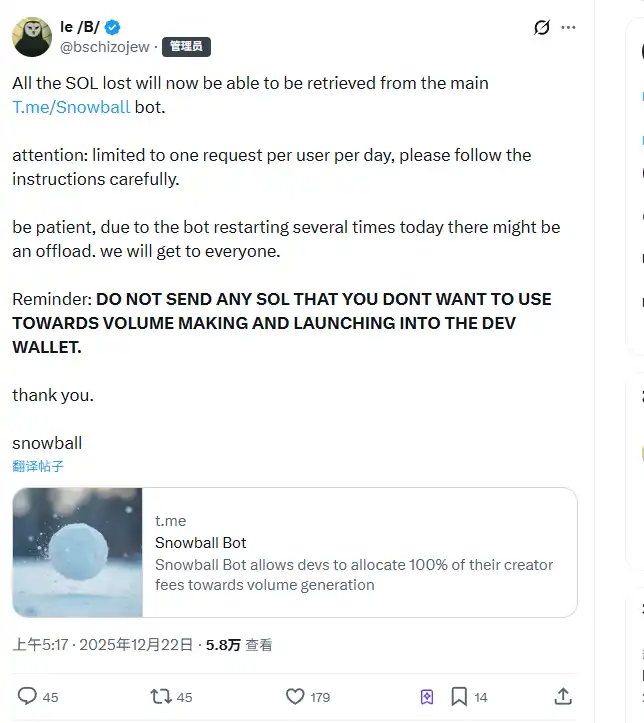
Additionally, the percentage of creator fees this coin charges is not fixed; it fluctuates between 0.05% and 0.95% based on market cap.

It takes a higher percentage when the market cap is low, allowing the bot to accumulate ammunition faster; it reduces the fee when the market cap is high, decreasing transaction friction.

In one sentence, the logic of this mechanism is: every time you trade, a portion of the money automatically becomes buying pressure and liquidity, instead of going into the developer's pocket.

Therefore, you can easily understand this snowball effect:

Transactions generate fees → Fees become buying pressure → Buying pressure pushes up the price → Higher price attracts more transactions → More fees... theoretically, it can roll on by itself.

On-Chain Data Situation

Now that we've covered the mechanism, let's look at the on-chain data.

Snowball launched on December 18th, four days ago. Its market cap grew from zero to $10 million, with a 24-hour trading volume exceeding $11 million.

For a shitcoin on pump.fun, this performance is considered relatively long-lasting in the current environment.

In terms of token distribution, there are currently 7,270 holder addresses. The top ten holders combined account for about 20% of the total supply, with the single largest holder holding 4.65%.
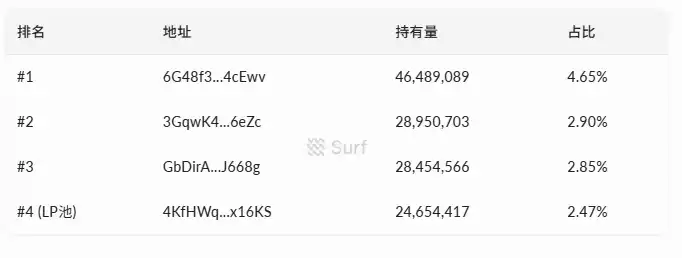
(Data source: surf.ai)

There's no address holding 20-30% of the supply; the distribution is relatively decentralized.

Regarding transaction data, there have been over 58,000 transactions since launch, with 33,000 buys and 24,000 sells. The total buy volume is $4.4 million, and the sell volume is $4.3 million, resulting in a net inflow of about $100,000. Buying and selling are basically balanced, with no one-sided selling pressure.

The liquidity pool holds about $380,000, half in tokens and half in SOL. For a market cap of this size, the depth isn't very thick, and large orders would still experience significant slippage.

Another noteworthy point is that Bybit Alpha announced listing the token less than 96 hours after launch, which to some extent confirms the short-term hype.

Perpetual Motion Meets a Cold Market

After looking around, you can see that the English community's discussion about Snowball mainly focuses on the mechanism itself. Supporters' logic is straightforward:

This is the first meme coin that locks 100% of the creator fees into the protocol, preventing developers from rugging, making it structurally safer than other shitcoins, at least.

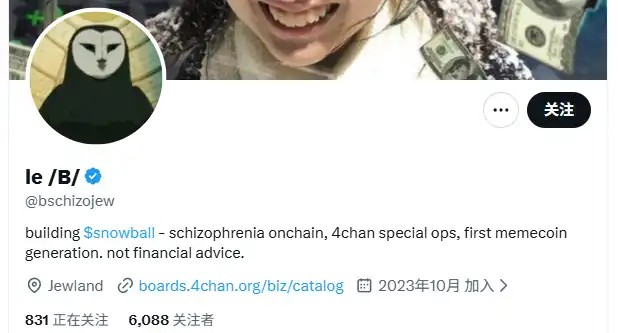
The Dev is also playing into this narrative. The developer wallet, market-making bot wallet, and transaction logs are all public, emphasizing "verifiable on-chain."

@bschizojew labels himself as "on-chain schizophrenic, 4chan special forces, first-generation meme coin veteran," radiating a self-deprecating degen vibe that strongly appeals to the crypto-native community.
But a safe mechanism and making money are two different things.

The snowball effect relies on the premise that there is sufficient trading volume to continuously generate fees to feed the bot for buybacks. More trades mean more ammunition for the bot, stronger buying pressure, higher prices, attracting more people to trade...

This is the ideal state where any meme coin's so-called buyback flywheel spins up in a bull market.

The problem is, the flywheel needs external force to start.

What is the current crypto market environment? On-chain activity is sluggish, overall meme coin hype is down, and there's already little capital willing to chase shitcoins. In this context, if new buying pressure doesn't keep up and trading volume shrinks, the fees the bot receives will become less and fewer, buybacks will weaken, price support will diminish, and trading willingness will decline further.

The flywheel can spin forward, but it can also spin in reverse.

A more realistic problem is that the mechanism solves only one risk point—"developers taking the money and running"—but meme coins face far more risks than that.

Whales dumping, insufficient liquidity, narratives going out of style—any one of these happening would render the 100% fee buyback largely ineffective.

Everyone is tired of being rugged. A Chinese crypto brother summarized it quite well:

Play if you want, but don't get in over your head.

More Than One Snowball is Rolling

Snowball isn't the only project telling this automated market-making story.

Within the pump.fun ecosystem, a token called FIREBALL is doing something similar: automatic buybacks and burns, packaged as a protocol other tokens can plug into. But its market cap is much smaller than Snowball's.
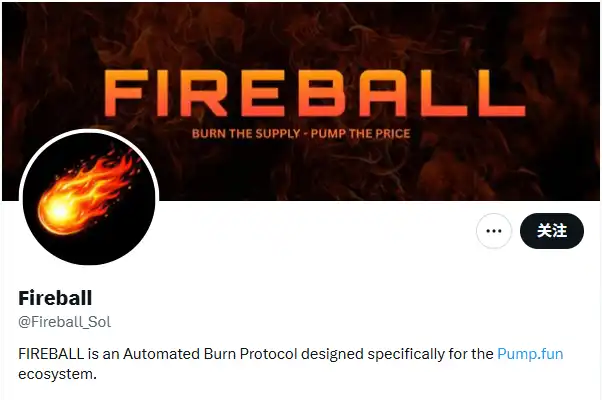
This indicates the market is currently responsive to the direction of "mechanism-based meme coins."

The traditional玩法 of shilling, pumping, and community hype is finding it harder to attract capital. Using mechanism design to tell a "structurally safe" story might be one of the recent trends for meme coins.

That said, artificially creating a specific mechanism isn't a new玩法.

The most typical case in 2021 was OlympusDAO's (3,3), which used game theory to package a staking mechanism, telling the story "if everyone holds, everyone profits," reaching a peak market cap of billions of dollars. The ending, as everyone knows, was a death spiral, dropping over 90%.

Even earlier, there was Safemoon's玩法 of "taxing every transaction and distributing it to holders," also a narrative of mechanism innovation, which ended with the SEC suing and charging the founders with fraud.

Mechanisms can be great narrative hooks, capable of gathering capital and attention in the short term, but the mechanism itself does not create value.

When external capital stops flowing in, even the most精巧designed flywheel will stop turning.

Finally, let's recap what this little gem is actually doing:

Turning the meme coin's creator fees into an "automated market-making bot." The mechanism itself isn't complicated, and the problem it solves is very clear: preventing developers from directly taking the money and running.

The developer not being able to rug doesn't mean you will make money.

If after reading this you find the mechanism interesting and want to participate, remember one thing: it is first and foremost a meme coin, and only secondly an experiment with a new mechanism.


Трендовые криптовалюты

Связанные с этим вопросы

QWhat is the core mechanism that Snowball uses to create a 'self-rolling' effect?

ASnowball uses a mechanism where 100% of the creator fees from each transaction are automatically sent to an on-chain market-making bot. This bot periodically uses the accumulated funds to buy tokens (creating buy pressure), adds the purchased tokens and corresponding SOL to the liquidity pool, and burns 0.1% of the tokens to create deflation.

QHow does the creator fee in Snowball differ from a typical pump.fun token?

AIn a typical pump.fun token, the creator fee (usually 0.5% to 1%) goes directly into the developer's wallet, which they can withdraw and potentially abandon the project with. In Snowball, 100% of this fee is automatically sent to an on-chain market-making bot instead of going to any individual, making it structurally harder for the developer to 'rug pull'.

QWhat are the potential risks of investing in a meme coin like Snowball, according to the article?

AThe risks include a general decline in market activity and meme coin hype, which could lead to reduced trading volume. If new buying pressure doesn't materialize, the bot's funding from fees decreases, weakening buy support and price stability. Other risks not solved by the mechanism include large holders (whales) dumping, insufficient liquidity, and the narrative simply falling out of fashion.

QWhat precedent does the article mention for meme coins with innovative mechanisms, and what was their outcome?

AThe article mentions OlympusDAO's (3,3) staking mechanism, which promised mutual gains if holders sold, but its市值 eventually fell over 90%. It also references Safemoon, which used a transaction tax redistribution mechanism and whose founders were later charged with fraud by the SEC. These examples show that mechanisms can be a good narrative but don't inherently create value if external capital stops flowing in.

QWhat key piece of advice does the article give to potential participants interested in Snowball's mechanism?

AThe key advice is to remember that Snowball is first and foremost a meme coin, and only secondly an experiment with a new mechanism. While the mechanism addresses developer rug pulls, it does not guarantee profits. Participants are advised to 'play but don't get too carried away' or 'don't go overboard'.

Похожее

Может ли модель генерации обучаться end-to-end? В основе — простой цикл for

В статье представлен новый подход к обучению генеративных моделей под названием Explorative Modeling (XM), который позволяет осуществлять сквозное (end-to-end) обучение. Традиционные генеративные модели, такие как диффузионные или авторегрессионные, страдают от «смешения мод» (mode blurring), когда модель усредняет множество возможных правильных ответов, что приводит к размытым или нереалистичным результатам. Это также вызывает «смещение экспозиции» (exposure bias), когда ошибки накапливаются во время вывода. Ключевая идея XM проста: на каждом шаге обучения модель генерирует K кандидатов, а для обратного распространения градиента выбирает только того кандидата, который наиболее близок к реальным данным. Этот цикл, реализованный в несколько строк кода, повышает «генеративную выразительность» модели, позволяя ей охватывать несколько мод распределения данных, а не усреднять их. Авторы показывают, что «исследование» (exploration) становится третьей осью масштабирования наряду с увеличением параметров и данных. Эксперименты с изображениями, видео и текстом демонстрируют монотонное улучшение качества: при увеличении масштаба данных выгода от исследования возрастает с 7% до 36%, а эффективность использования вычислений (FLOP) повышается в 4.1 раза. В задачах управления роботами сквозная модель XM с одним проходом вперед достигает результатов, сравнимых с диффузионными моделями, требующими сотни проходов. Таким образом, Explorative Modeling предлагает путь к truly end-to-end генеративным моделям, перенося сложность с этапа вывода на этап обучения, что открывает потенциал для более эффективных и мощных систем.

marsbit5 мин. назад

Может ли модель генерации обучаться end-to-end? В основе — простой цикл for

marsbit5 мин. назад

Upbit проводит ребалансировку 864 млрд SHIB при перемещении между внутренними кошельками

Корейская биржа Upbit провела внутреннюю ребалансировку 864 миллиардов токенов SHIB между своими кошельками. Движение активов на сумму около 4 миллионов долларов произошло после роста стоимости SHIB на 36%, что привлекло внимание трейдеров. Однако анализ помеченных адресов показывает, что это была стандартная операция по перераспределению средств между "горячими" и другими внутренними кошельками биржи, а не вывод средств или подготовка к продаже. Общий объем перемещений включал 384 миллиарда SHIB, отправленных с основного горячего кошелька, и 480 миллиардов SHIB, возвращенных обратно. Этот случай подчеркивает важность проверки контекста и меток кошельков при интерпретации крупных ончейн-транзакций, чтобы избежать ошибочных выводов о продаже или давлении на рынок.

bitcoinist5 мин. назад

Upbit проводит ребалансировку 864 млрд SHIB при перемещении между внутренними кошельками

bitcoinist5 мин. назад

Максимум 20 статей на человека? Исследователи DeepMind «просят» снять ограничения ICLR

Новая политика конференции ICLR 2027 ограничивает количество подаваемых одним автором работ до 20. По мнению организаторов, это необходимо для снижения нагрузки на рецензентов, учитывая рекордный рост числа заявок — на 68% за год. В ответ на это исследователь Google DeepMind Дэн Рой иронично запустил «петицию» против лимита, заявив, что он замедлит прогресс в ИИ, особенно в эпоху, когда агенты ИИ могут генерировать множество статей, а рецензии часто пишутся с помощью больших языковых моделей (по некоторым данным, до 21% рецензий на ICLR 2026 могли быть полностью сгенерированы ИИ). Его сатирический пост поднимает серьёзный вопрос о целесообразности простого ограничения количества работ вместо решения системных проблем, связанных с массовым производством статей и автоматизацией рецензирования в современной академической среде.

marsbit10 мин. назад

Максимум 20 статей на человека? Исследователи DeepMind «просят» снять ограничения ICLR

marsbit10 мин. назад

Уязвимость Coldcard привела к краже $89 млн и вызвала самую масштабную миграцию средств в блокчейне после краха FTX

Уязвимость в аппаратном кошельке Coldcard привела к краже 1367,05 BTC (около 89 млн долларов) с 4585 адресов. Инцидент, связанный с ошибкой в генерации сид-фраз в определенной прошивке, вызвал массовую миграцию средств пользователей на новые безопасные адреса. Это привело к аномальному всплеску активности в сети Биткоин, исказив ключевые ончейн-индикаторы, такие как активность долгосрочных держателей и объем мелких транзакций. Активность и рыночные настроения достигли уровня, сравнимого с периодом после краха FTX. Расследование столкнулось с трудностями из-за ограничений коммерческих ИИ-моделей (например, в США), которые блокируют анализ вредоносных данных даже для целей защиты. Следователи были вынуждены использовать открытые модели, такие как китайский GLM 5.2, для отслеживания украденных средств. Этот случай высветил проблему асимметрии: злоумышленники используют неограниченные ИИ-инструменты, в то время как защитники сталкиваются с барьерами коммерческих систем безопасности, что критично в сфере криптовалют, где скорость отслеживания средств крайне важна.

marsbit55 мин. назад

Уязвимость Coldcard привела к краже $89 млн и вызвала самую масштабную миграцию средств в блокчейне после краха FTX

marsbit55 мин. назад

Заработок в миллион на электриках: Meta спешно открывает собственное ПТУ

Новый этап конкуренции в сфере искусственного интеллекта столкнулся с неожиданным препятствием — острой нехваткой квалифицированных технических специалистов, особенно электриков и строителей, для возведения сверхмощных центров обработки данных. В США, согласно прогнозам, к 2030 году для инфраструктуры ИИ потребуется дополнительно 130 000 электриков и 240 000 строителей, однако ежегодно остается незаполненными около 80 000 вакансий электриков. Компании, такие как OpenAI (проект "Stargate" стоимостью $160 млрд), Meta и Microsoft, сталкиваются с огромными убытками из-за задержек строительства. Например, задержка ввода центра мощностью 60 МВт может обернуться потерей $14,2 млн в месяц. Причина спроса — беспрецедентная сложность строительства ИИ-центров. Они потребляют колоссальную энергию (сотни мегаватт), требуют уникальных систем электроснабжения и охлаждения (жидкостное или иммерсионное), что делает работу высококвалифицированных монтажников, сантехников и инженеров незаменимой. Для решения проблемы кадрового голода ИИ-гиганты начали масштабные программы обучения. Meta инвестировала $115 млн в создание собственной школы строителей с бесплатным обучением и стипендией, а OpenAI сотрудничает с профсоюзами. Активная вербовка ведется даже среди старшеклассников. Потребление энергии ИИ-центрами растет экспоненциально, опережая общий рост энергопотребления в 16 раз и увеличивая счета за электричество для потребителей. Однако строительство таких объектов носит проектный характер: для возведения центра "Stargate" требуется 6400 рабочих, а для его обслуживания — всего 100-1000. Это создает риск перенасыщения рынка труда после завершения строительного бума, что может привести к падению зарплат в отрасли.

marsbit1 ч. назад

Заработок в миллион на электриках: Meta спешно открывает собственное ПТУ

marsbit1 ч. назад

Торговля

Спот

Популярные статьи

Как купить QUICK

Добро пожаловать на HTX.com! Мы сделали приобретение Quickswap (QUICK) простым и удобным. Следуйте нашему пошаговому руководству и отправляйтесь в свое крипто-путешествие.Шаг 1: Создайте аккаунт на HTXИспользуйте свой адрес электронной почты или номер телефона, чтобы зарегистрироваться и бесплатно создать аккаунт на HTX. Пройдите удобную регистрацию и откройте для себя весь функционал.Создать аккаунтШаг 2: Перейдите в Купить криптовалюту и выберите свой способ оплатыКредитная/Дебетовая Карта: Используйте свою карту Visa или Mastercard для мгновенной покупки Quickswap (QUICK).Баланс: Используйте средства с баланса вашего аккаунта HTX для простой торговли.Третьи Лица: Мы добавили популярные способы оплаты, такие как Google Pay и Apple Pay, для повышения удобства.P2P: Торгуйте напрямую с другими пользователями на HTX.Внебиржевая Торговля (OTC): Мы предлагаем индивидуальные услуги и конкурентоспособные обменные курсы для трейдеров.Шаг 3: Хранение Quickswap (QUICK)После приобретения вами Quickswap (QUICK) храните их в своем аккаунте на HTX. В качестве альтернативы вы можете отправить их куда-либо с помощью перевода в блокчейне или использовать для торговли с другими криптовалютами.Шаг 4: Торговля Quickswap (QUICK)С легкостью торгуйте Quickswap (QUICK) на спотовом рынке HTX. Просто зайдите в свой аккаунт, выберите торговую пару, совершайте сделки и следите за ними в режиме реального времени. Мы предлагаем удобный интерфейс как для начинающих, так и для опытных трейдеров.

512 просмотров всегоОпубликовано 2024.03.29Обновлено 2026.06.02

Как купить QUICK

Обсуждения

Добро пожаловать в Сообщество HTX. Здесь вы сможете быть в курсе последних новостей о развитии платформы и получить доступ к профессиональной аналитической информации о рынке. Мнения пользователей о цене на QUICK (QUICK) представлены ниже.

活动图片