电力成本与算力效率:比特币新高背景下排名前50的矿机有哪些?

marsbitОпубликовано 2025-08-10Обновлено 2025-08-11

一、行业背景:效率与能源成本的终极博弈

嘉楠科技

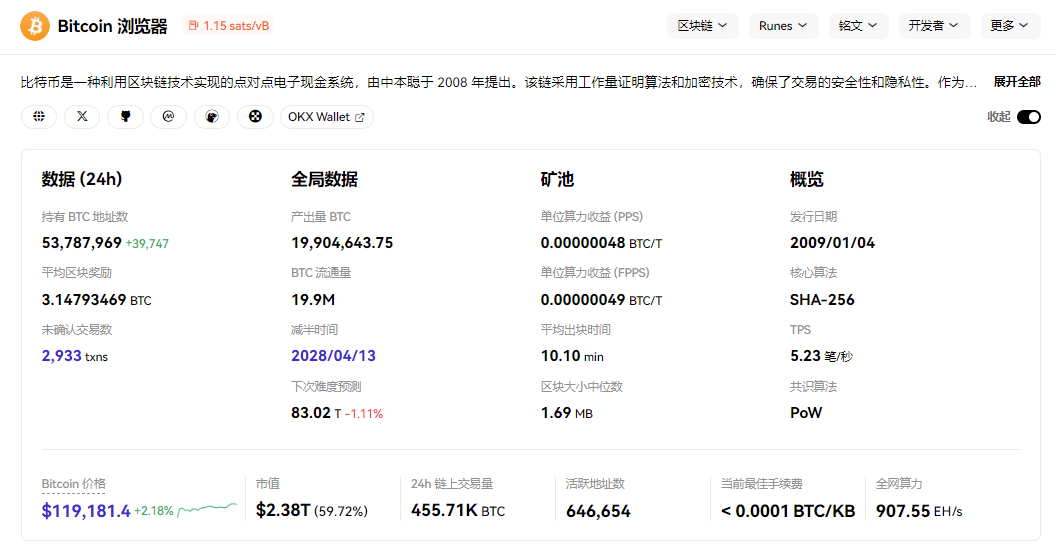
2024年比特币第四次减半后,区块奖励降至3.125 BTC,全网算力却逆势攀升至907 EH/s以上,挖矿难度突破123T历史峰值。这一矛盾现象背后,是矿工群体对能源成本与硬件效率的极致优化。当工业电价超过0.1美元/千瓦时,超90%的矿机面临亏损;而电价低于0.03美元时,即使中端设备也能保持可观利润。

在阿联酋、埃塞俄比亚等政府补贴地区,电价低至0.035–0.045美元/千瓦时,形成天然的能源套利洼地。

随着台积电3nm芯片量产和2nm技术突破,新一代矿机能效比已进入15–19 J/TH区间,彻底重塑盈利阈值。头部矿企如嘉楠科技正加速退出高电费区域(如哈萨克斯坦),将算力迁移至北美可持续能源矿场,推动清洁能源占比升至60%。这种全球算力再平衡,使得矿机选择成为一场精密的经济学计算——​​每瓦特功耗的产出效率,直接决定生存权​​。

二、盈利矿机梯队分析:0.02美元电费下的收益王者

嘉楠科技

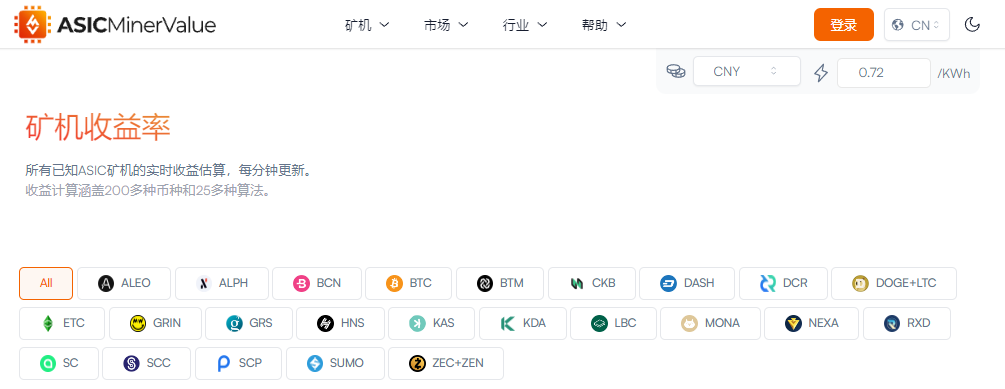
基于全网实时挖矿数据及ASICminerValue模型,基于asicminervalue.com提供的指标、BTC的价格、当前网络难度及每千瓦时 $0.02 的能耗率为参数,当前盈利前50的矿机呈现明显梯队分化。


第1梯队 – 精英级 ($40–$30/天)

屹立于所有之上的是 比特大陆的 Antminer S21e XP Hydro 3U,这是一款直接液冷芯片巨兽,提供860太赫每秒 (TH/s) 的算力,在这些条件下每天收入 $43.56。其旺盛的11,180瓦功耗相当惊人,但其效率保证其无可匹敌地居于顶端。
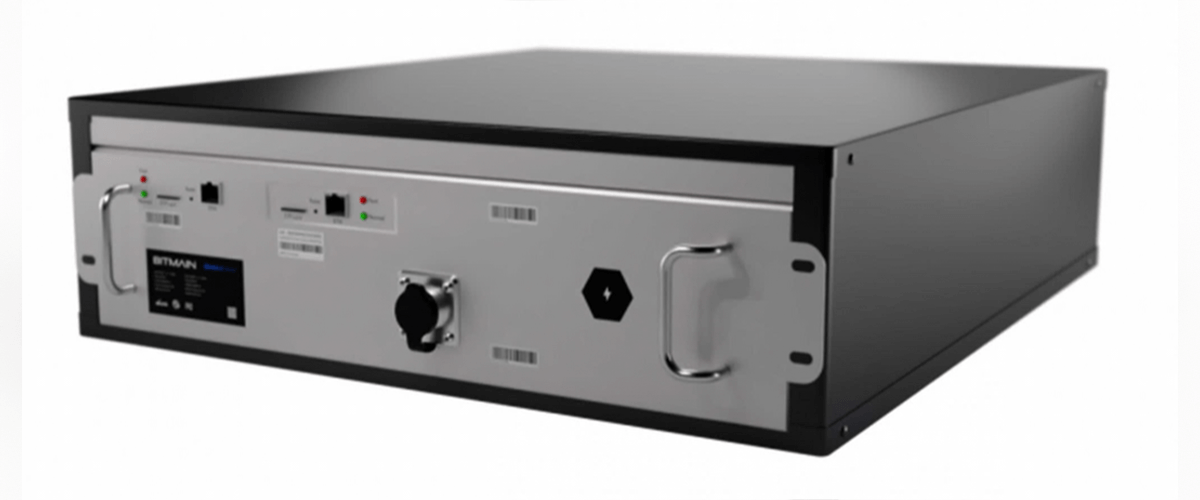
嘉楠科技比特大陆的 Antminer S21e XP Hydro 3U

只有另一台矿机达到了上 $20 区间:Auradine 的 Teraflux AH3880,提供600 TH/s,在8700瓦时每天收入 $28.98。尽管 AH3880 在纯产出上无法挑战比特大陆的旗舰产品,但其巩固了 Auradine 在液冷高性能类别中的实力地位。
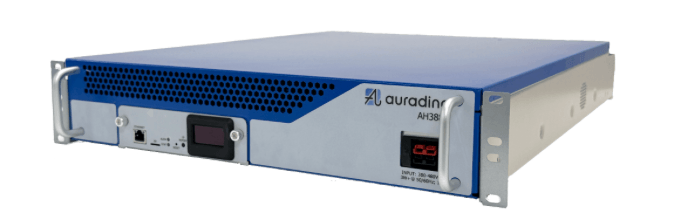
  • 嘉楠科技Auradine 的 Teraflux AH3880


该层级矿机需配套工业级散热基础设施,仅适合拥有专业矿场的机构投资者。


第2梯队 – 重量级玩家 ($29–$20/天)

以下精英两者的是一个密集的盈利机器集群,由比特大陆、比特小鹿、嘉楠和 Microbt 主导。 比特大陆的 Antminer S21 XP+ Hydro 引领此梯队,匹配500 TH/s 每天$25.81,紧随其后的是 比特小鹿的 Sealminer A2 Pro Hydro,达到相同算力每日收入$24.87。比特大陆还推出了 S21 XP Hydro,提供473 TH/s 每天$24.19,而 S19 XP Hydro 3U则带来了稍高的512 TH/s 每天收入 $24.04。
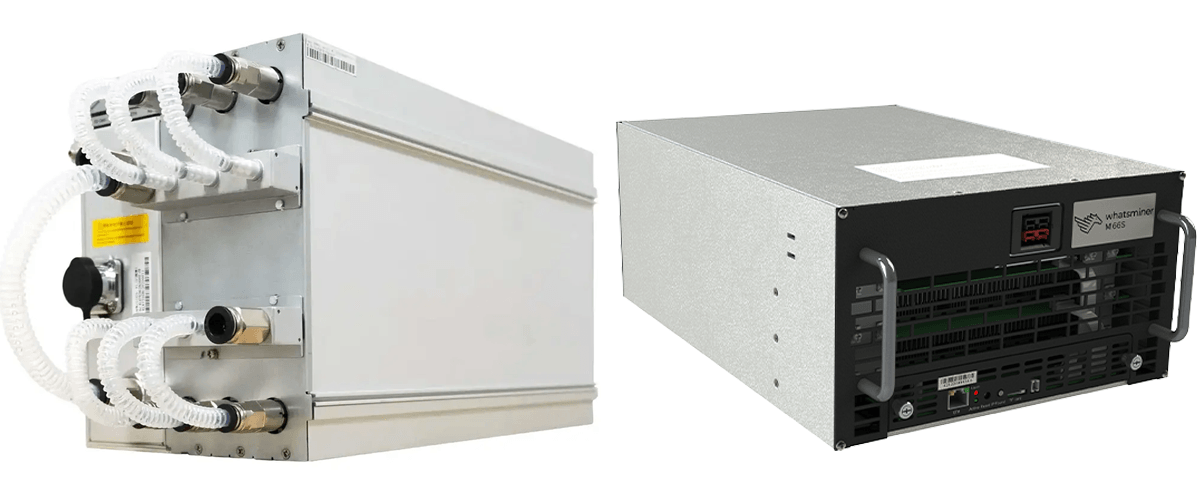
嘉楠科技比特大陆的 Antminer S21 XP+ Hydro(左图)和 Microbt 的 Whatsminer M63S++(右图)。

嘉楠的 Avalon A1566HA 2U 证明了它可以与大牌竞争,提供480 TH/s 每天$23.44。Microbt 的 Whatsminer M63S++ 达到464 TH/s,每天生产$22.94,稍领先于 比特小鹿的 Sealminer A2 Hydro 每天$21.84。比特大陆的 S21e XP Hydro 提供430 TH/s 每天$21.78,以 Whatsminer M63S+ 完成比赛圈,以424 TH/s和$20.66/天收尾。

该梯队设备普遍采用模块化设计,支持热插拔运维,停机损失降低37%。


第3梯队 – 稳定表现者 ($19–$15/天)

对于运营商追求稳定盈利但不需要第1和第2梯队的电力极限,第3梯队提供了引人注目的选择。 Microbt 的 Whatsminer M63S 生产390 TH/s,每天生产$18.72,Auradine 再次出现,带来了 Teraflux AI3680,提供375 TH/s,每天生产$18.63。
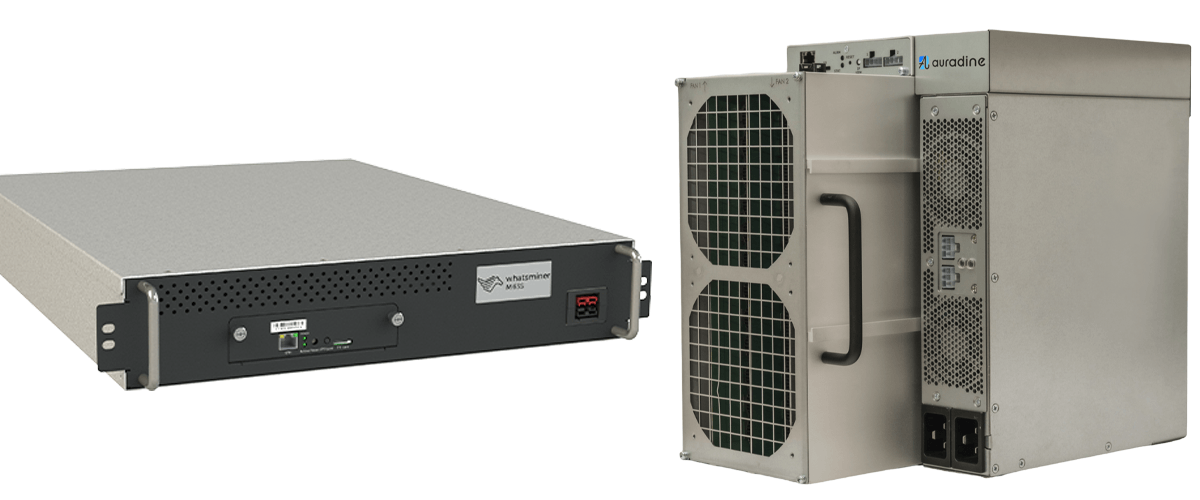
嘉楠科技液冷的 Microbt 的 Whatsminer M63S(左图)和浸入式采矿单位 Auradine 的 Teraflux AI3680(右图)。

Whatsminer M66S++ 紧随其后,356 TH/s 每天生产$17.60。比特大陆的 S21 Hydro 拉动335 TH/s,产生每天$16.49,而 S21+ Hydro 则从319 TH/s中产生每天$15.85。 Whatsminer M63 以334 TH/s达到$15.81分数,稍稍领先于 M66S+,将318 TH/s转换为每天 $15.50收入。

此区间设备投资回收期约8–10个月,适合电费稳定地区的规模化部署。


第4梯队 – 稳定收入者 ($14–$10/天)

此处,混合的冷却方式发挥作用。比特大陆的浸入式型号领先, S21 XP Immersion 提供300 TH/s 和 $15.12/天,和 S21 Immersion 提供301 TH/s 和 $14.45/天。Microbt 的 M66S 提供298 TH/s 和 $14.31/天,而比特大陆的 S21e Hyd 推动288 TH/s 和 $14.03/天。 S19 XP+ Hyd 出现两次——一次是293 TH/s 每天 $14.00,另一次是279 TH/s 每天 $13.33。空气冷却的 S21 XP 产生270 TH/s 每天 $13.61,两旁则是Microbt 的 M66,280 TH/s 每天 $13.26。

嘉楠的 Avalon A1566I,浸入式型号,输出261 TH/s 每天 $12.69,和 比特小鹿的 Sealminer A2 Pro Air 达到255 TH/s。比特大陆的 S19 XP Hyd (257 TH/s, $12.06/天) 和 S21 Pro (234 TH/s, $11.63/天) 继续保持流动,然后是Microbt 的 M53S 260 TH/s 每天 $11.55。比特大陆的 S21+ (235 TH/s, $11.51/天) 坐落在Microbt 的 M60S++ (226 TH/s, $11.13/天) 和比特小鹿的 Sealminer A2 在相同算力和 $11.07/天之间。
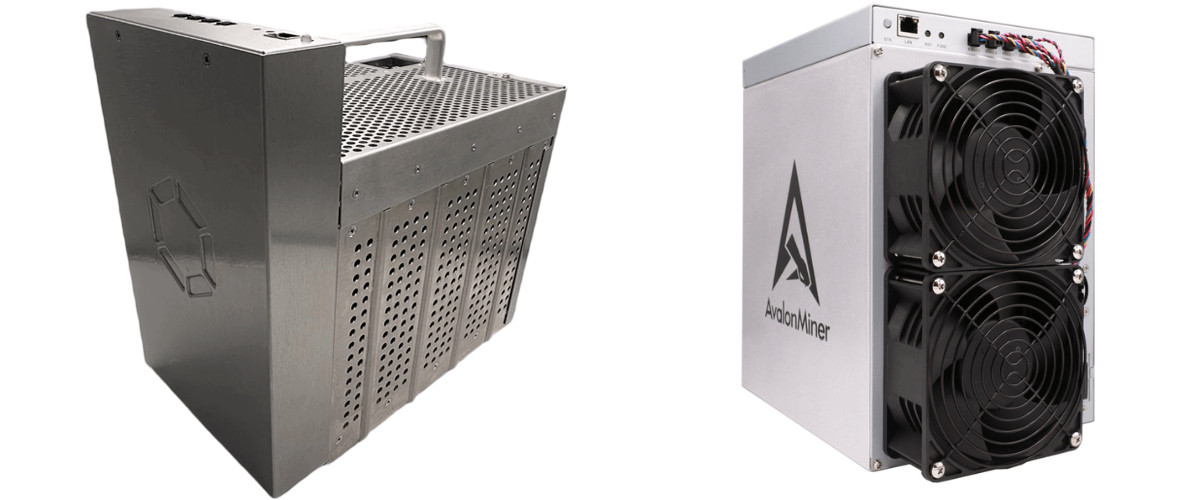
嘉楠科技嘉楠的 Avalon A1566I 浸入式矿机(左图)和嘉楠的空气冷却 Avalon A15Pro(右图)。

比特大陆的 S21+ 再次出现于225 TH/s,每天$11.02,液冷的 T19 Pro Hydro 提供235 TH/s 每天 $10.89。Auradine 在这一梯队中以 Teraflux AT2880 压轴,222 TH/s 每天 $10.78,接着是嘉楠的 Avalon A15Pro-218T,218 TH/s 每天 $10.64,比特大陆的 S21+ (216 TH/s, $10.58/天),和 Microbt 的 M60S+,212 TH/s 每天 $10.33。


第5梯队 – 基础级 ($9–$4/天)

虽然这些机器每天的收入较低,但它们在 $0.02/kWh 的条件下仍保持着强劲的效率。Microbt 的 M33S++生产242 TH/s,每天收入$10.28,而嘉楠的 Avalon A15XP-206T 输出206 TH/s,每天收入$9.96。Microbt 的液冷 M53 以230 TH/s 每天收入$9.88,而比特大陆的 S21 以200 TH/s 每天收入$9.70。

Microbt 的 M56S 以212 TH/s 每天 $9.40,略高于嘉楠的 Avalon A15-194T,194 TH/s 每天 $9.29。比特大陆的 T21 产生190 TH/s 每天 $9.08,Microbt 的 M60S 以186 TH/s 每天 $8.93。嘉楠的 Avalon A1566 添加了185 TH/s 每天 $8.88,而排名前50名的是比特大陆的 S19 Pro+ Hyd,提供198 TH/s 每天 $8.65。


三、技术路线图:液冷主导与芯片革命

前50名盈利矿机中,​​液冷设备占据Top 20中17席​​,其中比特大陆凭借S21 Hydro系列独占9款。这种统治力源于三大创新:

  1. ​​热传导效率​​:液冷方案使芯片工作温度降低42℃,算力稳定性提升至99.3%;
  2. ​​能源复用​​:矿场余热供暖系统将综合能效比提高至85%,抵消15%电力成本;
  3. ​​芯片密度​​:比特大陆BM1387(6nm)与嘉楠Avalon A1566(5nm)芯片在单位晶圆上增加28%晶体管数量,每TH算力硅成本下降0.17美元。


与此同时,​​半导体工艺逼近物理极限​​:台积电3nm工艺量产的Antminer S21+已将能效压至16.5 J/TH,而2nm试验线样品显示有望突破12 J/TH。这意味着未来两年,矿机迭代周期将从12个月缩短至8个月,落后代际设备淘汰速度加快40%。


四、市场格局:头部厂商的生态位卡位

  • ​​比特大陆​​:以23款机型垄断46%的盈利榜单,S21系列液冷矿机成为超算中心首选;
  • ​​MicroBT​​:15款设备上榜,M60/M60S系列通过浸没式方案抢占北美市场;
  • ​​嘉楠科技​​:6款Avalon机型主打能效平衡,自营矿场算力环比增长17%;
  • ​​比特小鹿与Auradine​​:分别以4款和2款设备切入高端市场,Teraflux系列成为液冷领域黑马。

地域分布进一步印证能源套利逻辑:北美矿场托管价0.04–0.06美元/千瓦时,而埃塞俄比亚、中东项目低至0.03美元,推动嘉楠等企业将75%新增算力部署于此。


结语:效率冗余时代的生存法则

当比特币网络算力突破921 EH/s峰值,每太赫兹的日收益(Hash Price)已从2024年的0.12美元跌至0.049美元。在这一残酷现实中,矿工必须构建三重防线:

  1. ​​能源锚点​​:通过核电协议、水电期货锁定十年期0.03美元以下电价;
  2. ​​硬件冗余​​:采用模块化矿机,按难度增长梯度更换算力板;
  3. ​​收益对冲​​:将20%–30%日产出转换为比特币储备,利用期权工具锁定利润。

正如2022年矿机“论斤甩卖”的教训所示——​​只有将算力成本压缩至全网最低10%区间,才能穿越牛熊周期​​。而今日的盈利50强矿机,既是技术革命的结晶,更是全球能源套利地图的坐标。当液冷与浸没式方案逐步取代风冷,当2nm芯片开始吞吐每瓦特200兆哈希的算力,比特币挖矿正从粗放式能源消耗,蜕变为精密运行的算力热力学工程。


Похожее

Three Years Later: Looking Back at My Predictions About ChatGPT in 2023

Three Years Later: Revisiting My 2023 Predictions on ChatGPT In March 2023, shortly after ChatGPT's launch, I made 20 predictions about its future. Now, in mid-2026, I've used AI agents to fact-check each one against the latest data. Overall, most major directional forecasts were correct, with only one outright error (incorrectly stating GPT-4 had 100 trillion parameters). Key successes included predicting that RAG and retrieval architectures would become the standard for handling knowledge and hallucinations, that natural language interfaces (LUI) would create a massive new industry layer beyond the models themselves, and that China would develop viable large language models, significantly closing the performance gap with Western counterparts within about three years. Predictions about the absence of mass unemployment, the rise of a new "robot network" for agent communication, and ChatGPT not possessing consciousness also held true in their core arguments. However, the "devil was in the details." Errors frequently involved specific numbers, timelines, or overlooking distributional effects. I tended to overestimate the speed of adoption (e.g., for agent networks) while underestimating the ultimate scale of capabilities or costs (e.g., AI winning IMO gold without tools, or the extreme capital required for frontier models). Other misjudgments included: underestimating how AI would reinforce, not dissolve, information filter bubbles; incorrectly assuming AI-generated content would easily circumvent copyright (it has instead triggered record-breaking settlements); and misidentifying where value would be captured (it accrued overwhelmingly to the compute layer, like Nvidia, not just the application or model layers). Key lessons from reviewing these predictions are: 1) Directional and mechanistic insights are far more reliable than precise numbers or absolute statements. 2) There's a consistent bias to overestimate short-term speed but underestimate long-term magnitude. 3) Errors often lie in missing distributional impacts within a generally correct aggregate trend. 4) Predictions phrased with nuance and caveats aged the best. 5) Some fundamental debates (e.g., on machine consciousness or the ultimate value chain) remain unresolved even after three years. This exercise is less about scoring the past and more about establishing rules for clearer thinking about the next three years of AI.

marsbit1 ч. назад

Three Years Later: Looking Back at My Predictions About ChatGPT in 2023

marsbit1 ч. назад

Three Years Later: Looking Back on My 2023 Predictions for ChatGPT

Looking Back After Three Years: Revisiting My 2023 Predictions on ChatGPT In March 2023, shortly after ChatGPT's debut and before GPT-4's release, I made over twenty predictions about AI's future based on limited information and intuition. Now, in May 2026, I revisited those forecasts using an AI-driven analysis with 41 Opus 4.8 agents to cross-reference them with the latest data. The assessment used symbols: ✅ Correct, 🟢 Mostly Correct, 🟡 Partially Correct, ❌ Incorrect. Overall, the directional judgments held up well, with only one major factual error regarding GPT-4's rumored parameter size (incorrectly cited as 100T). However, nuances and degrees of accuracy revealed more. **What Was Largely Correct:** Predictions about mechanisms and directions proved accurate. The rise of RAG (Retrieval-Augmented Generation) as the standard architecture for combating AI hallucination was confirmed, as was the transformative potential of LUI (Language User Interface) in creating a new industry layer atop GUIs. The emergence of "robot networks" (agent-to-agent communication protocols) and China's rapid catch-up in developing capable large models (closing the performance gap with top models to ~2.7%) were also on point. The analysis affirmed that LLMs lack consciousness and that the Turing Test merely measures perceived intelligence. **What Was Off Target:** Errors often involved specific numbers, over-optimistic timelines, or misjudged distributions. The prediction that value would primarily accrue to the application layer was half-right but missed NVIDIA's dominance as the profitable infrastructure layer. Forecasts about AI circumventing copyright issues and fostering a "global common ground" by averaging human viewpoints were incorrect; instead, major copyright settlements occurred and AI personalization is increasing. Estimates for model training costs ("$5-10 billion cap") were significantly off, underestimating frontier costs and overestimating replication costs. The notion that LLMs could never do complex math without tools was disproven by later models winning IMO gold. **Key Patterns from the Review:** 1. **Direction over precision:** Judgments about mechanisms and trends were more reliable than specific numbers or definitive statements. 2. **Timing bias:** There was a tendency to overestimate short-term speed but underestimate long-term magnitude and transformation. 3. **The distribution blind spot:** Aggregate-level correctness often masked uneven impacts (e.g., on young professionals' employment). 4. **The value of qualifiers:** Predictions framed with caution (e.g., "reportedly," "for now," "prototype in 2-3 years") aged better. 5. **Some debates continue:** Issues like the nature of "emergent abilities" or machine consciousness remain unresolved. This three-year review highlights that while seeing the big picture is crucial, humility regarding specifics, timelines, and disparate impacts is essential for future forecasting.

链捕手3 ч. назад

Three Years Later: Looking Back on My 2023 Predictions for ChatGPT

链捕手3 ч. назад

AI Bubble Warning: AI Investments Are Negative Returns for Most Tech Giants

The article issues a stark warning about a potential AI investment bubble. It notes that while the AI boom shares similarities with the TMT bubble of the late 1990s, its scale is vastly larger, currently driving 93% of U.S. GDP growth. Major hyperscale cloud providers like Microsoft, Alphabet, Amazon, Meta, and Oracle are planning to invest trillions in AI data centers over the coming years. However, calculations based on analyst projections for 2025-2030 reveal a concerning math problem: expected capital expenditure growth far outpaces projected revenue growth. Even under an extremely optimistic scenario of zero costs, the implied return on investment for most of these tech giants (except Amazon) is deeply negative. This suggests that the current trajectory could lead to one of history's largest shareholder value destruction events. The piece outlines two potential escapes: AI generating vastly more revenue than currently anticipated—a near-impossible task—or a significant cutback in the planned investment splurge. The latter scenario could trigger a domino effect, severely impacting the entire tech supply chain (from Nvidia to TSMC), potentially pushing the U.S. economy into recession, and causing a major stock market downturn. The author suggests upcoming high-profile IPOs by companies like OpenAI and Anthropic might represent a transfer of risk from early investors to public market participants. While the peak of the hype cycle might sustain investment through 2026, the fundamental financial dilemma remains unresolved, setting the stage for a potential market correction in 2027 or 2028, similar to the years following Alan Greenspan's "irrational exuberance" warning.

marsbit4 ч. назад

AI Bubble Warning: AI Investments Are Negative Returns for Most Tech Giants

marsbit4 ч. назад

From Tokens to Machine Labor: AI is Shifting from Tool to "Worker"

The article "From Token to Machine Labor: AI is Evolving from Tool to 'Worker'" argues that the business model for AI is shifting beyond simply selling computational resources (tokens, GPU hours) or model access. Instead, a new "machine labor market" is emerging, where the core economic transaction is the purchase of economically useful work directly performed by software. The central thesis is that AI pricing will evolve through four stages: 1) raw tokens, 2) standardized LLM capabilities (e.g., text generation), 3) industry-specific labor markets (e.g., legal review, radiology), and finally 4) a programmable results market where tasks like resolving a support ticket are bid on and priced based on outcome. In this future, buyers will care less about *which* model or GPU completes a task and more about whether the work meets specified standards for accuracy, latency, and cost. This transition reframes the impact of AI on human labor. Rather than simple replacement, it suggests a re-coordination where machines handle standardized, verifiable work, freeing humans for roles involving oversight, context management, responsibility, and final judgment. In some cases, this "last 1%" of human input becomes more valuable as it enables the other 99% to be automated. Furthermore, as AI reduces the cost of work, demand may expand, creating larger markets (e.g., 24/7 customer service) rather than just cheaper versions of existing ones. The article concludes that while infrastructure (GPUs, models, tokens) remains crucial upstream, the market is converging on a simpler, tradeable unit: machine labor that can be defined, measured, priced, and procured based on contractible specifications.

marsbit4 ч. назад

From Tokens to Machine Labor: AI is Shifting from Tool to "Worker"

marsbit4 ч. назад

Xiaomi MiMo's 99% Price Cut is Not Marketing! Luo Fuli Posts on X to Refute Critics

The price of Xiaomi's MiMo-V2.5 series API has been permanently reduced by up to 99%, specifically for the "Input (Cache Hit)" cost, which covers users re-reading historical context in long conversations. MiMo's head, Luo Fuli, published a detailed technical blog to clarify that this drastic price cut stems from genuine engineering breakthroughs, not a marketing stunt or a simple price war. The core of the achievement lies in six key engineering optimizations. First, the model architecture adopts a Hybrid Sliding Window Attention (SWA), reducing the memory footprint (KVCache) to 1/7th of a traditional model. Second, a dual-pool memory management system actually utilizes these savings, allowing a single GPU to handle over 5 times more concurrent users. Third, an upgraded prefix caching mechanism achieves a cache hit rate of 93-95% for repeated reads, meaning most such requests bypass GPU computation entirely. Fourth, a self-developed distributed cache (GCache) utilizes idle SSD space on existing GPU servers, eliminating additional storage costs. Fifth, an intelligent scheduling system (LLM-Router) efficiently routes requests to maximize cache reuse and performance. Sixth, Multi-Token Prediction (MTP) accelerates the model's text generation ("output") side. Together, these systemic optimizations dramatically lower the real computational cost per request, enabling the 99% price reduction for cached inputs while reportedly maintaining positive gross margins. Luo Fuli's disclosure aims to shift the narrative from "price war" to a demonstration of substantive AI engineering progress.

marsbit6 ч. назад

Xiaomi MiMo's 99% Price Cut is Not Marketing! Luo Fuli Posts on X to Refute Critics

marsbit6 ч. назад

Торговля

Спот
Фьючерсы

Популярные статьи

Тест по Bitcoin Биткоина

HTX Learn: Изучите Bitcoin halving и Заработаете Токены USDT

3.0k просмотров всегоОпубликовано 2024.04.16Обновлено 2024.04.16

Тест по Bitcoin  Биткоина

Что такое $BITCOIN

ЦИФРОВОЕ ЗОЛОТО ($BITCOIN): Комплексный анализ Введение в ЦИФРОВОЕ ЗОЛОТО ($BITCOIN) ЦИФРОВОЕ ЗОЛОТО ($BITCOIN) — это проект на основе блокчейна, работающий в сети Solana, который стремится объединить характеристики традиционных драгоценных металлов с инновациями децентрализованных технологий. Хотя он носит имя Биткойн, часто называемого “цифровым золотом” из-за его восприятия как средства хранения ценности, ЦИФРОВОЕ ЗОЛОТО является отдельным токеном, предназначенным для создания уникальной экосистемы в ландшафте Web3. Его цель — позиционировать себя как жизнеспособный альтернативный цифровой актив, хотя детали его применения и функциональности все еще развиваются. Что такое ЦИФРОВОЕ ЗОЛОТО ($BITCOIN)? ЦИФРОВОЕ ЗОЛОТО ($BITCOIN) — это токен криптовалюты, специально разработанный для использования в блокчейне Solana. В отличие от Биткойна, который выполняет широко признанную роль хранения ценности, этот токен, похоже, сосредоточен на более широких приложениях и характеристиках. Примечательные аспекты включают: Инфраструктура блокчейна: Токен построен на блокчейне Solana, известном своей способностью обрабатывать высокоскоростные и недорогие транзакции. Динамика предложения: ЦИФРОВОЕ ЗОЛОТО имеет максимальное предложение, ограниченное 100 квадриллионами токенов (100P $BITCOIN), хотя детали о его обращающемся предложении в настоящее время не раскрыты. Утилита: Хотя точные функциональные возможности не описаны, есть указания на то, что токен может быть использован для различных приложений, потенциально связанных с децентрализованными приложениями (dApps) или стратегиями токенизации активов. Кто создатель ЦИФРОВОГО ЗОЛОТА ($BITCOIN)? На данный момент личность создателей и команды разработчиков, стоящих за ЦИФРОВЫМ ЗОЛОТОМ ($BITCOIN), остается неизвестной. Эта ситуация типична для многих инновационных проектов в области блокчейна, особенно тех, которые связаны с децентрализованными финансами и феноменом мем-криптовалют. Хотя такая анонимность может способствовать культуре, ориентированной на сообщество, она усиливает опасения по поводу управления и ответственности. Кто инвесторы ЦИФРОВОГО ЗОЛОТА ($BITCOIN)? Доступная информация указывает на то, что у ЦИФРОВОГО ЗОЛОТА ($BITCOIN) нет известных институциональных спонсоров или значительных венчурных капиталовложений. Проект, похоже, функционирует по модели пирингового взаимодействия, сосредоточенной на поддержке и принятии сообществом, а не на традиционных путях финансирования. Его активность и ликвидность в основном сосредоточены на децентрализованных биржах (DEX), таких как PumpSwap, а не на устоявшихся централизованных торговых платформах, что еще больше подчеркивает его подход, ориентированный на grassroots. Как работает ЦИФРОВОЕ ЗОЛОТО ($BITCOIN) Операционные механизмы ЦИФРОВОГО ЗОЛОТА ($BITCOIN) можно подробно описать на основе его дизайна блокчейна и характеристик сети: Механизм консенсуса: Используя уникальный механизм доказательства истории (PoH) Solana в сочетании с моделью доказательства доли (PoS), проект обеспечивает эффективную валидацию транзакций, что способствует высокой производительности сети. Токеномика: Хотя конкретные дефляционные механизмы не были подробно описаны, большое максимальное предложение токенов подразумевает, что оно может быть предназначено для микротранзакций или нишевых случаев использования, которые еще предстоит определить. Интероперабельность: Существует потенциал для интеграции с более широкой экосистемой Solana, включая различные платформы децентрализованных финансов (DeFi). Однако детали относительно конкретных интеграций остаются неуточненными. Хронология ключевых событий Вот хронология, которая подчеркивает значимые вехи, касающиеся ЦИФРОВОГО ЗОЛОТА ($BITCOIN): 2023: Первоначальное развертывание токена происходит в блокчейне Solana, отмеченное его адресом контракта. 2024: ЦИФРОВОЕ ЗОЛОТО приобретает видимость, когда оно становится доступным для торговли на децентрализованных биржах, таких как PumpSwap, позволяя пользователям обменивать его на SOL. 2025: Проект наблюдает спорадическую торговую активность и потенциальный интерес к инициативам, возглавляемым сообществом, хотя на данный момент не зафиксировано никаких значительных партнерств или технических достижений. Критический анализ Сильные стороны Масштабируемость: Основная инфраструктура Solana поддерживает высокие объемы транзакций, что может повысить полезность $BITCOIN в различных сценариях транзакций. Доступность: Потенциально низкая цена торговли за токен может привлечь розничных инвесторов, способствуя более широкому участию благодаря возможностям дробного владения. Риски Отсутствие прозрачности: Отсутствие публично известных спонсоров, разработчиков или процесса аудита может вызвать скептицизм относительно устойчивости и надежности проекта. Волатильность рынка: Торговая активность сильно зависит от спекулятивного поведения, что может привести к значительной волатильности цен и неопределенности для инвесторов. Заключение ЦИФРОВОЕ ЗОЛОТО ($BITCOIN) является интригующим, но неоднозначным проектом в быстро развивающейся экосистеме Solana. Хотя он пытается использовать нарратив “цифрового золота”, его отход от установленной роли Биткойна как средства хранения ценности подчеркивает необходимость более четкого различения его предполагаемой утилиты и структуры управления. Будущее принятие и усвоение, вероятно, будут зависеть от решения текущей непрозрачности и более четкого определения его операционных и экономических стратегий. Примечание: Этот отчет охватывает синтезированную информацию, доступную на октябрь 2023 года, и с тех пор могут произойти события.

99 просмотров всегоОпубликовано 2025.05.13Обновлено 2025.05.13

Что такое $BITCOIN

Fractal Bitcoin: масштабирование Биткоина с помощью рекурсивной системы

Fractal Bitcoin — масштабное Layer-1-решнение, созданное на базе кода Биткоина, позволяющего достигать бесконечного масштабирования с помощью рекурсивного подхода.

2.3k просмотров всегоОпубликовано 2025.06.30Обновлено 2025.06.30

Fractal Bitcoin: масштабирование Биткоина с помощью рекурсивной системы

Обсуждения

Добро пожаловать в Сообщество HTX. Здесь вы сможете быть в курсе последних новостей о развитии платформы и получить доступ к профессиональной аналитической информации о рынке. Мнения пользователей о цене на BTC (BTC) представлены ниже.

活动图片