# Regulation Related Articles

HTX News Center provides the latest articles and in-depth analysis on "Regulation", covering market trends, project updates, tech developments, and regulatory policies in the crypto industry.


Why Are Crypto Project Acquisitions Now Excluding Tokens?

Recent acquisitions in the crypto space, such as Circle’s purchase of Interop Labs (developers of Axelar Network), have sparked controversy by focusing on acquiring teams and intellectual property while excluding the native tokens. In the Axelar case, the AXL token and network remain independent, leading to a 15% price drop and community backlash. Similar patterns emerged in other acquisitions: Kraken’s Ink acquired Vertex Protocol’s team and tech but abandoned the VRTX token, causing a 75% crash. Pump.fun acquired Padre and invalidated its token without compensation, and Coinbase integrated Vector.fun’s tech without involving the TNSR token. These cases reflect a broader “acquihire” trend common in Web2, where companies acquire talent and tech but avoid equity or token obligations. In crypto, however, this often leaves retail token holders with no rights or financial benefits, as tokens are designed to avoid regulatory scrutiny as securities—offering utility or governance instead of ownership or profit-sharing. This has led to growing tension between project teams and token holders, exemplified by Aave’s recent governance proposal to assert DAO control over IP, equity, and revenue—highlighting the misalignment between token-based incentives and traditional equity structures. The trend raises fundamental questions about the value and rights attached to tokens in decentralized ecosystems.

marsbit12/18 01:12

Why Are Crypto Project Acquisitions Now Excluding Tokens?

marsbit12/18 01:12

Why Has the UAE, Built on Oil, Become a New Hotspot for the Crypto Industry?

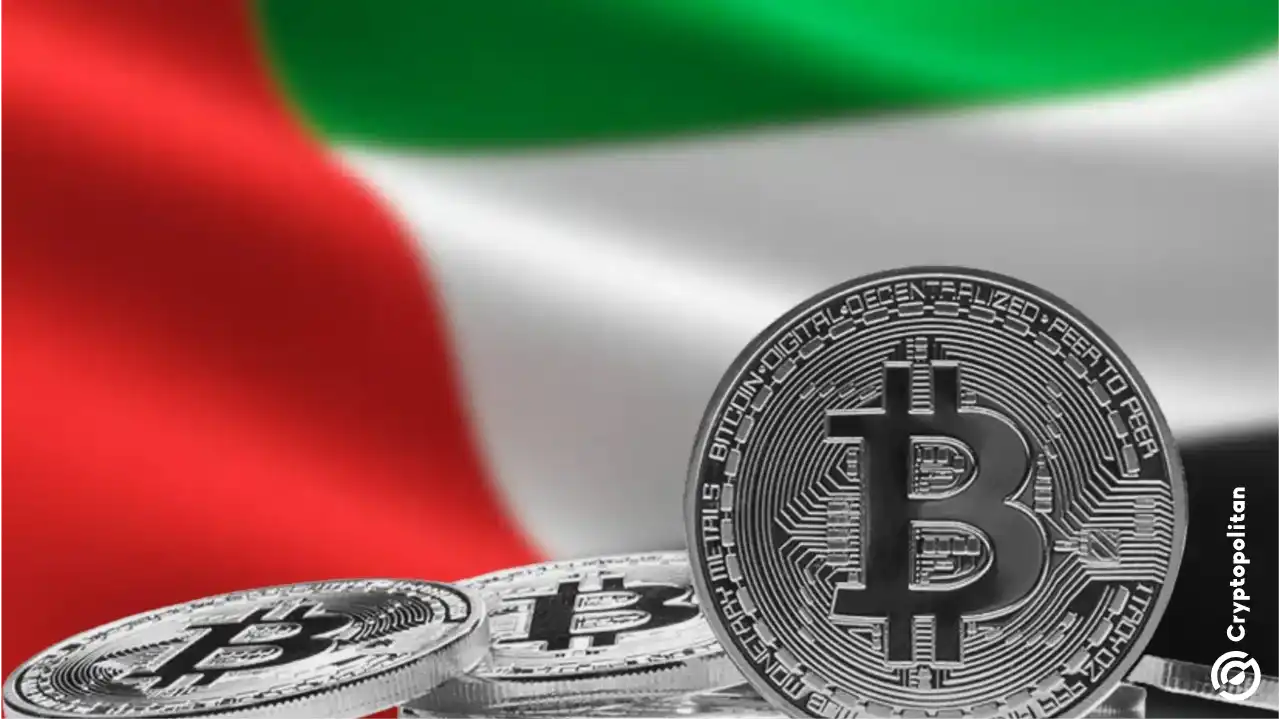
The UAE, traditionally known for its oil wealth, is rapidly emerging as a major global hub for the cryptocurrency industry. Despite recent market volatility, the country is actively hosting crypto conferences and attracting top institutions and professionals. A key driver is proactive regulatory development. The UAE incorporated crypto into its "2031 National Investment Strategy" and introduced a "Tokenization Regulatory Sandbox Guide" in 2025, establishing a coordinated federal and local regulatory framework. Dubai's Virtual Assets Regulatory Authority (VARA) has already licensed 36 companies, while Abu Dhabi's global market recognizes crypto as a regulated financial instrument. This regulatory clarity has drawn major players like OKX, which established a significant local presence. Substantial capital deployment from the oil-rich nation further fuels growth. A record $2 billion investment was made in Binance by Abu Dhabi's MGX. State investment vehicles, including Mubadala, have significantly increased their Bitcoin ETF holdings, collectively exceeding $1.5 billion. The UAE also offers powerful incentives: zero tax on crypto profits for individuals, up to 50 years of corporate tax exemption in free zones, and a coveted Golden Visa for top talent or those investing crypto profits. These policies led to a 300% surge in Dubai blockchain company registrations in 2025. A recent law granting the digital dirham the same legal status as physical cash is set to further integrate with and empower the crypto ecosystem, strengthening the Middle East's role in digital finance. The UAE is strategically leveraging crypto assets to transition into the digital economy.

marsbit12/18 00:06

Why Has the UAE, Built on Oil, Become a New Hotspot for the Crypto Industry?

marsbit12/18 00:06

Buryatia Supports Strengthening the Ban on Cryptocurrency Mining

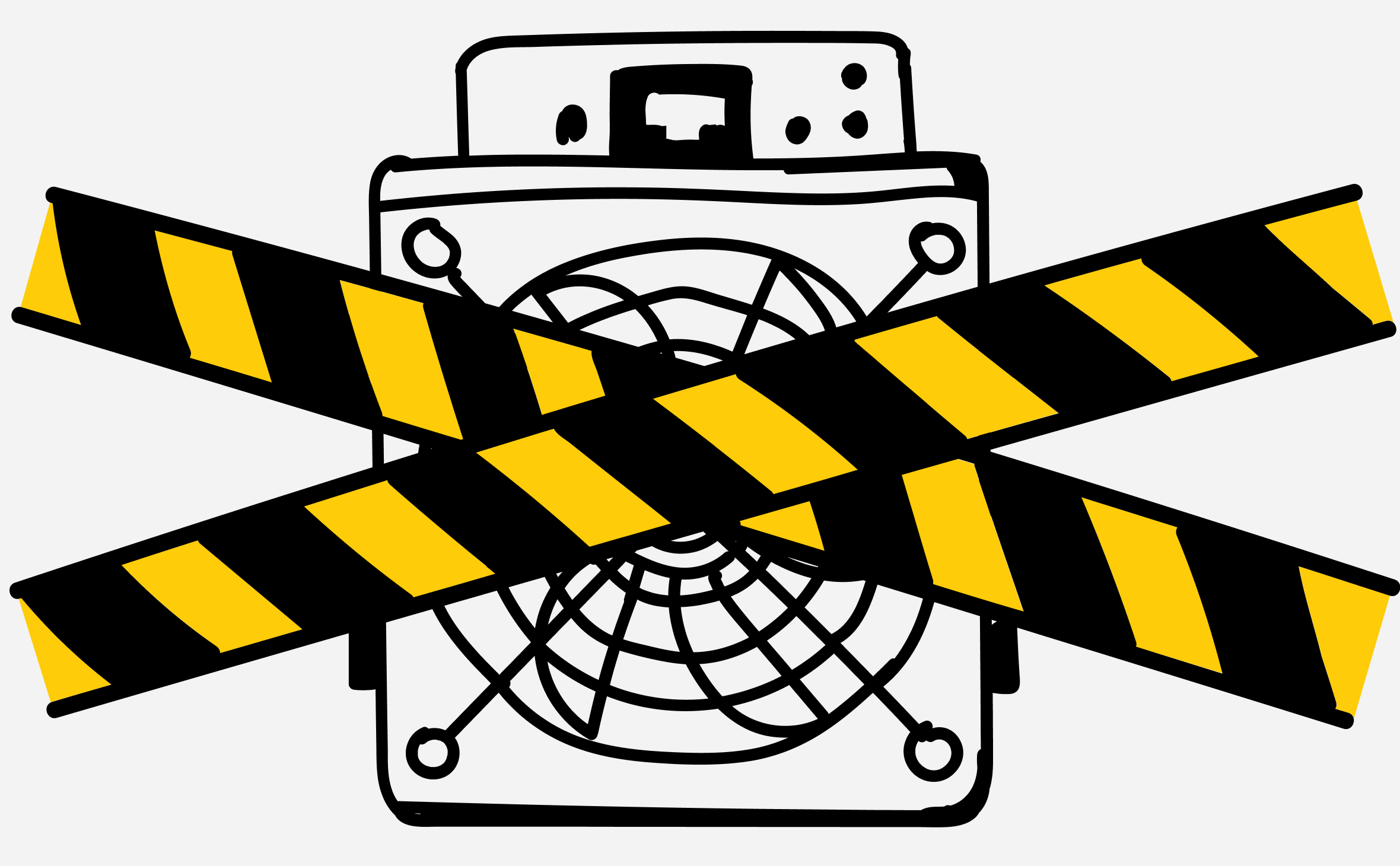
The government of Buryatia has supported the introduction of a year-round ban on cryptocurrency mining, citing a severe existing electricity deficit. The regional Ministry of Transport, Energy, and Road Infrastructure stated that the ban is a measure to stabilize the power supply and ensure the rational use of resources. The energy deficit in Buryatia and two neighboring regions—Irkutsk Oblast and Zabaykalsky Krai—reaches nearly 3,000 MW. Previously, restrictions were only in place during the high-load winter period from November 15 to March 15. This follows a previous report that the Russian government plans to introduce a year-round mining ban in southern Buryatia and Zabaykalsky Krai starting in 2026. Earlier in 2025, mining was restricted until spring 2031 in several energy-deficient Russian territories, including regions of the North Caucasus and occupied Ukrainian territories, where the ban is year-round. Seasonal restrictions were applied in Buryatia, Zabaykalsky Krai, and southern Irkutsk Oblast during the heating season, though the governor of Irkutsk later secured a full ban for his region. Buryatia and Zabaykalsky Krai had previously requested a full ban, but a decision was postponed in June to first assess the financial impact on the power grid and prepare a regulatory framework for redistributing miners' power capacity to social facilities. Despite this, the Ministry of Energy stated in September that it saw no grounds for new mining bans, claiming it had received no requests from regional authorities and that the national power system was handling the load.

RBK-crypto12/17 15:38

Buryatia Supports Strengthening the Ban on Cryptocurrency Mining

RBK-crypto12/17 15:38

活动图片