Coinbase gets nod from Indian regulators to acquire CoinDCX stake

cointelegraphPublished on 2025-12-17Last updated on 2025-12-17

Abstract

The Competition Commission of India has approved Coinbase's acquisition of a minority stake in cryptocurrency exchange CoinDCX. The approval, confirmed by Coinbase's chief legal officer Paul Grewal, deepens the partnership between the two platforms. Neither the regulatory notice nor Grewal disclosed the exact stake percentage. Earlier reports indicated Coinbase planned to invest with a post-money valuation of about $2.4 billion, while denying rumors of a full $1 billion acquisition. Separately, Coinbase is reportedly planning to reintroduce fiat on-ramps for Indian users in 2026, marking its return to the Indian market after halting services in 2023. India, with over 1.4 billion people, is considered a major crypto market with an estimated 100 million users.

The Competition Commission of India, the regulatory body responsible for promoting fair competition in the country, has approved Coinbase acquiring a minority stake in cryptocurrency platform CoinDCX.

In a Tuesday notice, the regulator said it had approved Coinbase Global’s minority stake acquisition in DCX Global Limited, the company behind CoinDCX. Coinbase chief legal officer Paul Grewal confirmed the news in a Wednesday X post, saying it deepened the exchange’s “long-term partnership with one of India’s most established and trusted digital asset platforms.”
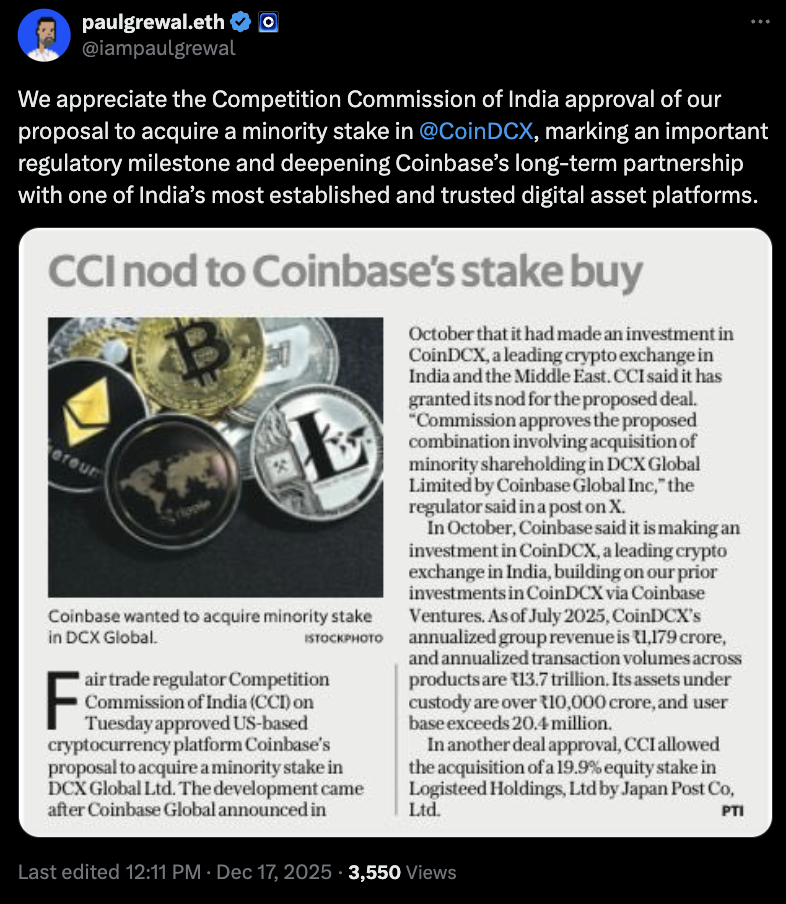
Source: Paul Grewal

Neither the regulatory announcement nor Grewal’s post included information about the percentage of Coinbase’s stake in the crypto exchange. Cointelegraph reached out to a Coinbase spokesperson for comment, but had not received a response at the time of publication.

The regulatory approval followed an October notice that Coinbase was planning to invest in CoinDCX with a post-money valuation of about $2.4 billion. Coinbase reported at the time that CoinDCX had about $141 million in annual revenue as of July, but denied earlier reports that it was planning to purchase the company outright for $1 billion.

Related: CoinDCX report shows Indian users moving to broader crypto portfolios in 2025

Coinbase is also returning to the Indian market

According to reports from last week, the US-based crypto exchange was planning to roll out fiat on-ramps to India-based users starting in 2026. The move, if confirmed, would mark Coinbase’s return to India more than two years after it halted services in September 2023.

With the largest population in the world, exceeding 1.4 billion, India represents a substantial market for the cryptocurrency industry. Estimates vary, but many in the industry have reported that there are more than 100 million crypto users in the country.

Magazine: When privacy and AML laws conflict: Crypto projects’ impossible choice

Related Questions

QWhat regulatory body approved Coinbase's acquisition of a stake in CoinDCX?

AThe Competition Commission of India approved Coinbase's acquisition of a minority stake in CoinDCX.

QWhat is the post-money valuation of CoinDCX as reported in the October notice?

AThe post-money valuation of CoinDCX was reported to be about $2.4 billion in the October notice.

QWhen is Coinbase planning to roll out fiat on-ramps to India-based users according to recent reports?

AAccording to recent reports, Coinbase is planning to roll out fiat on-ramps to India-based users starting in 2026.

QHow many crypto users are estimated to be in India according to the article?

AIt is estimated that there are more than 100 million crypto users in India.

QWho confirmed the news of the regulatory approval from Coinbase's side?

ACoinbase chief legal officer Paul Grewal confirmed the news of the regulatory approval in a Wednesday X post.

Related Reads

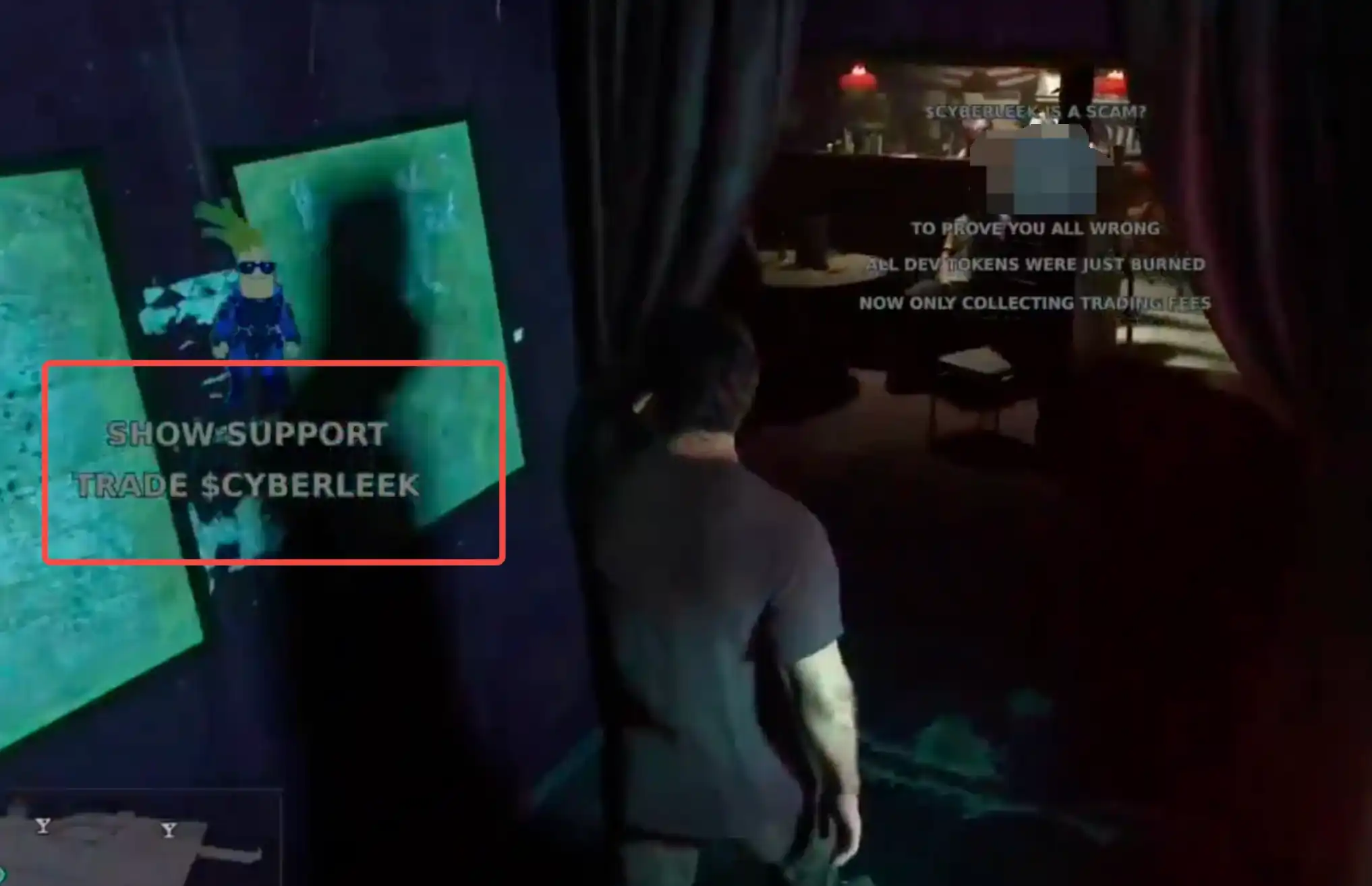
Hacker Leaks GTA6 and Launches a Token: Leaked Videos Become Ad Space for $CYBERLEEK, Must Buy Tokens to Vote for Next Clip

A hacker group called "CyberLeek" has leaked gameplay footage of the highly anticipated video game *GTA 6*, which is slated for release in 2026. Simultaneously, the group launched a meme token, $CYBERLEEK, on Solana. The leaks, which include maps and gameplay clips, are heavily watermarked with advertisements urging viewers to buy the token. Investigations of blockchain data reveal that the token was created and funded from a single wallet approximately eight hours before the first leak was released, suggesting a coordinated plan. The group has implemented a voting system where token holders can "vote" for the next type of content to be leaked by sending $CYBERLEEK tokens to a designated wallet—a process that permanently transfers the tokens to the hackers. This creates a self-sustaining cycle where interest in the leaks drives token purchases. Financially, the operation involved minimal upfront costs (less than $3,500 in out-of-pocket expenses) but generated significant revenue. On its first day, the token saw $15 million in trading volume, netting the creators an estimated $30,000 from transaction fees alone. While the group later burned a large portion of its developer-held tokens (worth over $1 million) to build trust, the fee-generating mechanism remains intact. The game's publisher, Take-Two Interactive, has initiated legal proceedings to identify the hackers. Despite this, the case demonstrates a new model where leaked intellectual property is used as leverage to promote and profit from a cryptocurrency, with meme token markets serving as an additional revenue stream.

marsbit1h ago

Hacker Leaks GTA6 and Launches a Token: Leaked Videos Become Ad Space for $CYBERLEEK, Must Buy Tokens to Vote for Next Clip

marsbit1h ago

Jensen Huang's Daughter: From Chef to an $8 Million Annual Salary

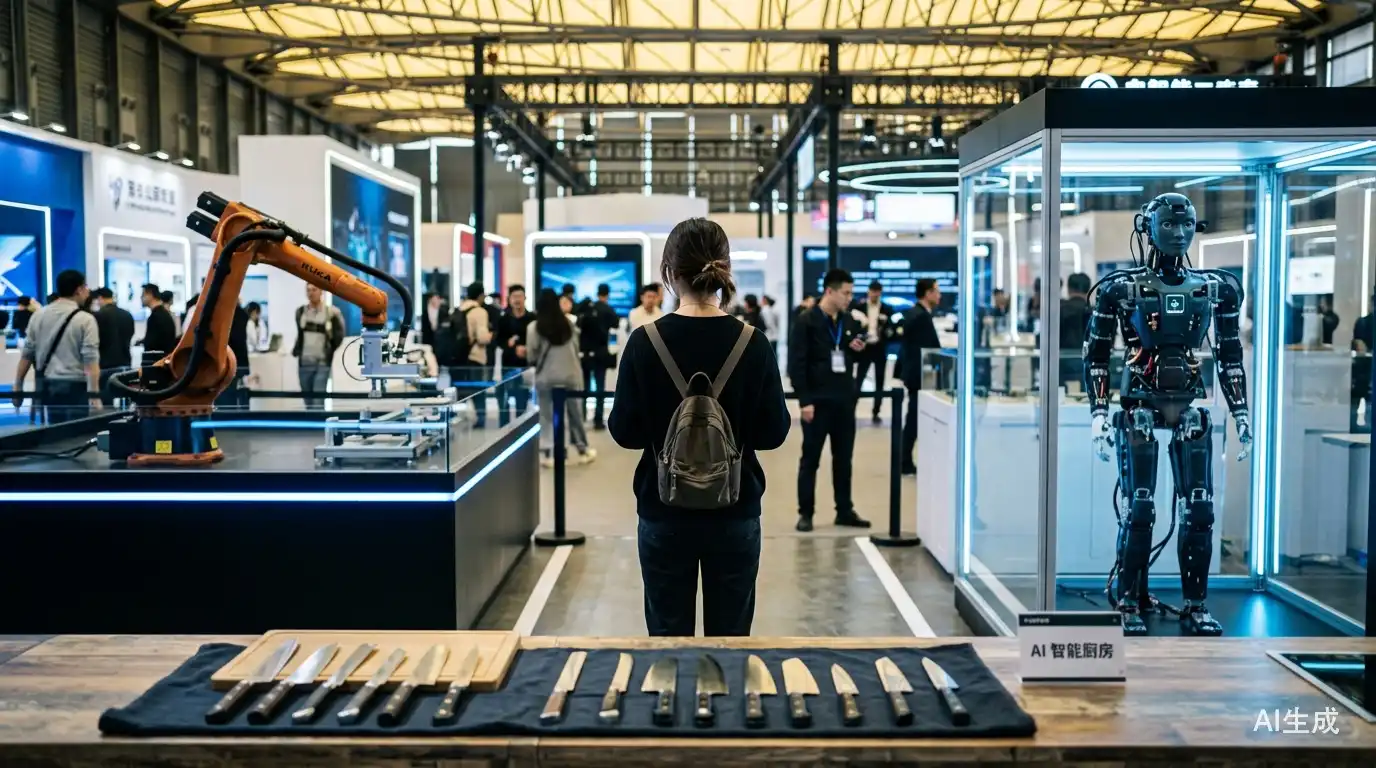
Madison Huang, daughter of NVIDIA founder Jensen Huang, recently made a rare public appearance in Beijing during the 2026 World Robot Conference. As the Senior Director of Product and Technology Marketing for NVIDIA's Physical AI Platform, with an annual salary of approximately $1.2 million, her visit focused on evaluating leading Chinese robotics companies like UBTech, Unitree, and others. This highlights NVIDIA's strategic interest in the burgeoning Chinese robotics ecosystem, a key battleground for the development of Physical AI—technology that enables machines to understand and interact with the physical world. Huang's career path is unconventional. Initially pursuing her passion, she studied culinary arts, worked as a chef, and later held a marketing role at LVMH. She joined NVIDIA as an intern in 2020 after completing an MBA, quickly rising through the ranks. Her brother, Spencer Huang, followed a similar path, closing a cocktail bar he co-founded to also join NVIDIA, where he now works on robotics software. Jensen Huang has publicly addressed nepotism concerns, humorously noting that some "second-generation" employees outperform their parents. The conference itself underscored China's vibrant robotics sector, marked by Unitree's recent blockbuster IPO and a pipeline of companies preparing to go public. While hardware development and manufacturing are advancing rapidly, industry leaders like Wang Xingxing of Unitree point to the next critical challenge: developing the "brain" or AI that allows robots to perform diverse, unseen tasks based on simple instructions. With massive manufacturing scale and diverse real-world testing scenarios, China is positioned as a central player in the global race to define the future of robotics.

marsbit4h ago

Jensen Huang's Daughter: From Chef to an $8 Million Annual Salary

marsbit4h ago

He Gave Wang Xingxing the First 2 Million, Now Serves as Chairman for the Next 'Unitree'

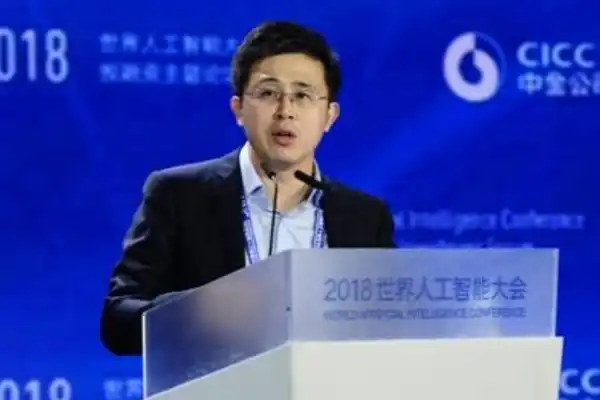
On August 19, 2024, Unitree Robotics, China's "first humanoid robotics stock," went public. Its founder, Wang Xingxing, started a decade ago with his self-developed XDog. In 2016, at a critical funding juncture, he received his first angel investment of 2 million RMB from Yin Fangming. This bet has since yielded a return of over 140 times. Yin Fangming is more than just a key investor. He was a co-founder of the AI robotics company ROOBO, whose own venture ultimately struggled. This firsthand experience with the hardware challenges in robotics gave him unique insight when backing Unitree, a company renowned for its hardware R&D and cost control. While his own company faltered, Yin continued investing shrewdly. He partially cashed out some Unitree shares early, reinvesting the proceeds into sectors like energy (e.g., solid-state battery firm TaiLan) and commercial aerospace (e.g., small launch vehicle developer XianDeng Aerospace). However, his most significant move after Unitree is his deep involvement with Galaxy General, a leading embodied AI unicorn. In July 2024, Yin stepped from behind the scenes to officially become its Chairman, indicating a role far beyond a typical investor. This comes as Galaxy General is viewed as preparing for future capital moves. Yin's career has consistently been ahead of the curve—from mobile internet to AI and robotics. Known for his foresight and low profile, he declined an interview for this story, offering only a statement encouraging support for visionary entrepreneurs like Wang Xingxing.

marsbit4h ago

He Gave Wang Xingxing the First 2 Million, Now Serves as Chairman for the Next 'Unitree'

marsbit4h ago

Trading

Spot
活动图片