«Новый комсомолец ФРС»: инфляционные данные «ни холодные, ни горячие» — Федрезерв получил временную передышку, но путь вперёд неясен
Новый «корреспондент по связям с ФРС» Ник Тимираос отмечает, что данные по инфляции в США за июль соответствовали ожиданиям, что временно сняло давление с Федрезерва в отношении повышения ставок на сентябрьском заседании. Однако базовые разногласия внутри регулятора относительно будущего курса политики сохраняются.
Индекс потребительских цен (CPI) в июле вырос на 0,2% в месячном выражении (базовый CPI), что совпало с прогнозами. Это ослабило аргументы в пользу немедленного ужесточения политики, и рыночные ожидания повышения ставки в сентябре упали ниже 50%.
Внутри ФРС растёт раскол. По крайней мере шесть из двенадцати членов комитета по голосованию сигнализировали о возможной поддержке повышения ставки, трое проголосовали за это в июле. Большинство считает, что текущий уровень ставок достаточен для возвращения инфляции к цели 2%, но эта точка зрения сталкивается с проблемами из-за сохраняющихся шоков, таких как тарифы и высокие цены на энергоносители, которые усугубляются спросом на инфраструктуру для ИИ.
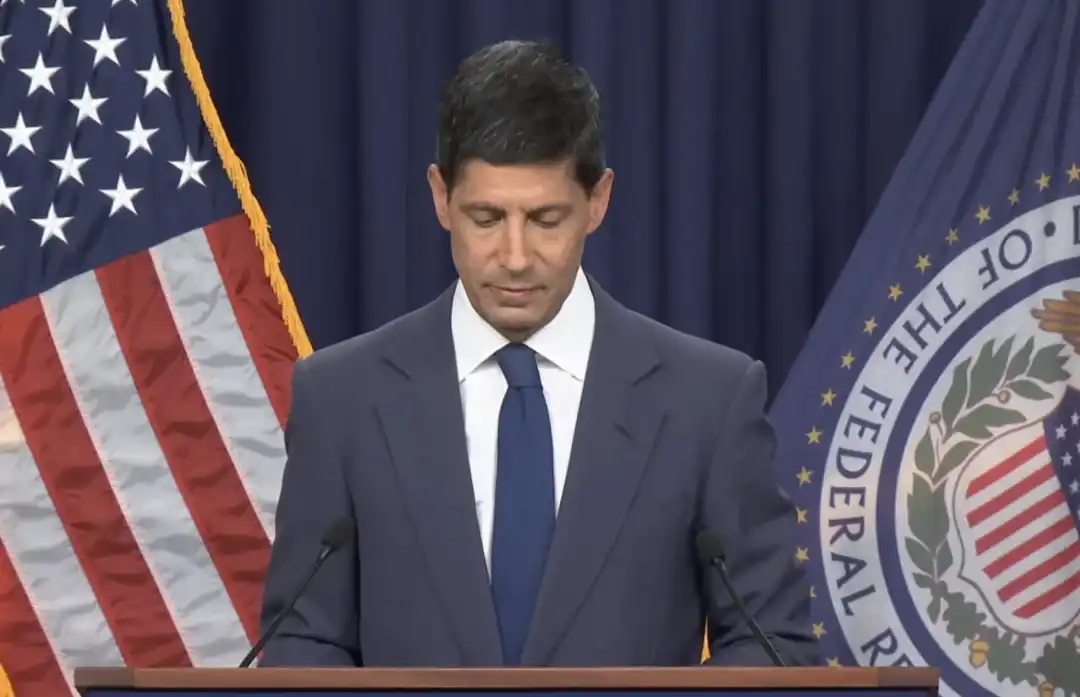
Президент ФРС Сан-Франциско Мэри Дейли добавила неопределённости, заявив, что если инфляционные шоки усилятся, ФРС, возможно, потребуется действовать более агрессивно, чем стандартным повышением на 25 базисных пунктов. Председатель ФРС Джером Пауэлл, со своей стороны, стал давать меньше сигналов о будущих действиях.
Окончательное решение по ставкам в сентябре может зависеть от данных по инфляции за август, которые будут опубликованы 11 сентября, незадолго до заседания. Пока путь ФРС остаётся неясным.
marsbit08/13 02:12