Lighter:激励耗尽如何将LIT的主导地位削减至8.1%

ambcryptoPublished on 2026-02-21Last updated on 2026-02-21

Abstract

Lighter(LIT)在DeFi永续合约市场的主导份额从2025年12月近60%的峰值大幅下滑至8.1%,主要因空投结束后激励减少和投机性交易降温所致。随着LIT代币价格下跌45%,短期交易者撤离,整体市场交易量收缩,Hyperliquid(HYPE)借此夺回40-50%份额,重获衍生品市场主导地位。尽管Lighter在BTC和ETH合约中仍保持超过50%的未平仓合约量,但其流动性遭受明显分流。此外,Justin Sun等大户将大量LIT转入交易所热钱包,市场解读为可能准备抛售,但Wintermute等做市商增持LIT,又暗示了对生态的长期支持。当前Lighter处于脆弱复苏阶段,流动性基础虽仍具韧性,但竞争格局已显著重塑。

Lighter [LIT] 在 DeFi 永续合约市场的主导地位在 2025 年 12 月中旬达到近 60% 的峰值,反映出其发布后的强劲势头。这一激增得益于其空投驱动的活动高峰和激进的流动性激励措施。

然而,随着激励措施常态化,参与度降温,交易量急剧回落。到 2026 年 1 月,全行业的收缩加剧了压力,而每日永续合约总交易量跌至 150-200 亿美元,同比大幅下降约 30%。

随着 Lighter 的市场份额下降,Hyperliquid [HYPE] 重新夺回失地,控制率攀升回 40-50%。这种轮动重塑了竞争格局,而 Paradex 和 DYDX 则在波动性飙升期间捕获了增量资金流。

尽管 Lighter 在 2 月初曾短暂复苏,但其份额再次滑向 25%,表明投机势头正在减弱。

即便如此,Lighter 在比特币 [BTC] 和以太坊 [ETH] 合约中仍保持着结构性深度,在关键交易对中持有超过 50% 的未平仓合约。

因此,尽管名义交易量有所软化,但在宏观环境趋紧和激励驱动交易减少的情况下,其核心流动性基础仍然具有韧性。

Hyperliquid 通过 Lighter 的流动性流失而崛起

Lighter 在 2025 年底占据了近 60% 的份额,原因是零费用和即将到来的空投将资金流集中到一个平台上。这套激励组合吸引了短期交易者,因此随着杠杆需求的扩大,交易量激增。

随着 2025 年结束,行业成交额达到 7.9 万亿美元,Lighter 在每日活动量上短暂取代了 Hyperliquid。随后催化剂发生了转变。12 月 30 日的 LIT 空投将“为积分交易”的需求转变为“卖出并离开”的行为。

随着 LIT 到 1 月中旬下跌 45%,追求收益的钱包平仓,这减少了重复交易量并削弱了粘性参与度。随着该群体退出,Lighter 的份额被压缩至 25% 左右,并在 2 月中旬随着排名重洗进一步滑落至约 8.1%。

与此同时,市场的扩张速度超过了 Lighter 留住资金流的能力。永续合约总交易量在六个月内翻了一番,达到 14 万亿美元,因此任何放缓都转化为迅速的市场份额稀释。

Hyperliquid 以 23.4% 的份额和 70% 的未平仓合约控制率吸收了这次迁移,而 Aster 和 EdgeX 则通过低延迟、回扣和新的激励措施分流了额外的资金流。

流动性外流已经削弱了 Lighter 的地位,此时大量的代币移动开始浮出水面。空投之后,交易量下降,市场份额从 60% 下降到个位数。随着这一下降的展开,焦点从交易所竞争转向了代币持仓布局。

当 Tron 创始人孙宇晨(Justin Sun)将近 1000 万 LIT 转移到交易所热钱包时,这种转变变得更加清晰。Arkham 数据显示,通过一条路径发送了 721.2 万 LIT,随后又通过第二条存款路径存入了 500 万 LIT。

大约在同一时间,其他钱包向同一基础设施添加了 1-2 百万 LIT。这种集群行为表明在为波动性增加时的快速执行做准备。一旦资金到达热钱包,透明度降低,而卖出方的灵活性增加,这给市场情绪带来了压力。

与此同时,Wintermute 建立了 LIT 库存,强化了活动将更加活跃的预期。相比之下,HTX 将 650 万 LIT 路由到 zkLighter 基础设施中,这表明是为生态系统提供供应,而不是立即出售。

总而言之,孙宇晨的持仓布局反映了战略灵活性,既支持 Lighter 的复苏叙事,又在市场条件恶化时保持执行准备状态。


最终总结

  • 激励耗尽和空投后的退出耗尽了 Lighter 的投机性资金流,使得 Hyperliquid 得以吸收流动性并夺取结构性衍生品领导地位。

  • 巨鲸的资金路由和做市商的库存积累信号显示出对冲的持仓布局,在 Lighter 脆弱的复苏阶段,平衡了生态系统支持和执行准备。
Related Reads

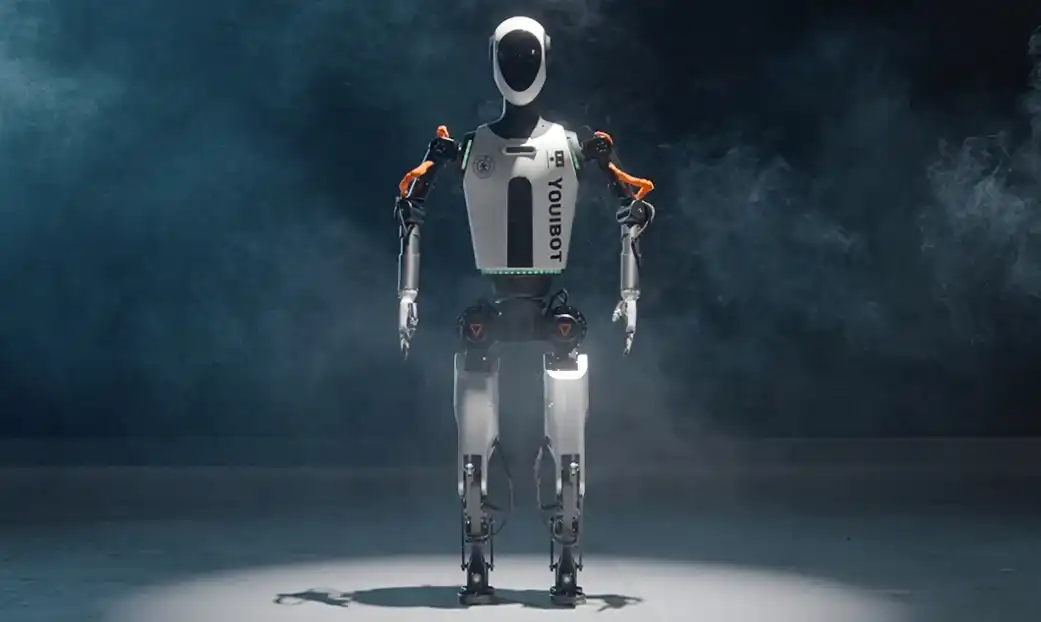
From Code to Cognition: A Ten-Thousand-Word Guide to the Evolution of the Robot Brain

"From Code to Cognition: The Evolution of Robot Brains" The journey of robotic intelligence has shifted dramatically from manually coded systems to AI-driven brains. For decades, robots relied on layered software stacks—perception, state estimation, planning, control—each handcrafted. While predictable, they lacked adaptability. The 2010s saw deep learning revolutionize perception (e.g., object detection) and control (via reinforcement learning), but learned skills remained narrow. The arrival of Large Language Models (LLMs) marked a turning point. LLMs acted as high-level planners, interpreting natural language instructions and generating sequences of actions for traditional robotic systems to execute. However, true integration came with Visual-Language-Action (VLA) models, which fused vision, language, and motion prediction into a single network. Pioneered by models like RT-2 and open-source projects like OpenVLA, VLAs enable robots to reason and act directly from visual input and commands. The most advanced humanoid robots now employ a "dual-brain" architecture: a slow-thinking, large VLA (System 2) for reasoning and planning, and a fast-reacting, small network (System 1) for high-frequency motion control, sometimes with an even lower-level System 0 for balance. This split balances cognition with the physics of real-time movement. Computation is split between onboard hardware (e.g., NVIDIA Jetson) for safety-critical control loops and cloud/edge servers for non-critical tasks like learning and interfaces. A crucial driver is the open-source ecosystem—models like GR00T and OpenVLA allow startups to build upon pre-trained brains and fine-tune them with their own data, accelerating development. Despite progress, current systems struggle with recovery from errors, sample inefficiency, and long-horizon tasks. This has spurred the rise of **World Models**—neural networks that predict the consequences of actions. By simulating possible futures before acting (like NVIDIA Cosmos or Meta V-JEPA), robots can plan, recover, and generalize better. This represents the next frontier: shifting intelligence from learned reactions to an internal model of physics and cause-and-effect. The field is rapidly evolving. While not yet at its "ChatGPT moment," the convergence of cheaper hardware, scalable simulation, and world models points toward robots that are increasingly capable, adaptive, and useful. The question is shifting from "what can robots do?" to "what *should* they do?"

marsbit30m ago

From Code to Cognition: A Ten-Thousand-Word Guide to the Evolution of the Robot Brain

marsbit30m ago

AI Bubble Is Bursting

The AI Bubble is Bursting: A Necessary Purge on the Path to Ubiquitous Intelligence Market volatility has reignited debates about an AI bubble, with figures like Ray Dalio pointing to high valuations. However, this parallels the dot-com bubble, which, despite its crash, laid the physical infrastructure for today's internet era. The current AI investment frenzy, with tech giants planning trillions in infrastructure spending far outstripping current AI application revenues, appears similarly imbalanced. This 'bubble' is seen as an inevitable phase for a disruptive technology, paying the "innovation tax." Critically, AI inference costs have plummeted over 99.7% since 2023, making intelligence nearly free at the margin. This hasn't reduced spending but has instead unlocked massive new demand, as seen in enterprise AI cloud expenditure tripling. This follows the Jevons Paradox: efficiency gains lead to greater total consumption. The market is now entering a cleansing phase, weeding out speculative ventures lacking real moats. The deeper shift is a move from capital expenditure (CapEx) on hardware to value creation in operational expenditure (OpEx) through AI applications that solve real industry problems. While infrastructure valuations are high, rapid earnings growth from widespread AI adoption across sectors—from manufacturing and finance to law and healthcare—may digest these valuations over time. Ultimately, this creative destruction will leave behind robust infrastructure and optimized models, cheaply powering an AI-augmented future for all industries, much as the internet became indispensable after its own bubble burst. The core productive potential remains undiminished.

链捕手40m ago

AI Bubble Is Bursting

链捕手40m ago

Trading

Spot
Futures

Hot Articles

How to Buy LIT

Welcome to HTX.com! We've made purchasing Lighter (LIT) simple and convenient. Follow our step-by-step guide to embark on your crypto journey.Step 1: Create Your HTX AccountUse your email or phone number to sign up for a free account on HTX. Experience a hassle-free registration journey and unlock all features.Get My AccountStep 2: Go to Buy Crypto and Choose Your Payment MethodCredit/Debit Card: Use your Visa or Mastercard to buy Lighter (LIT) instantly.Balance: Use funds from your HTX account balance to trade seamlessly.Third Parties: We've added popular payment methods such as Google Pay and Apple Pay to enhance convenience.P2P: Trade directly with other users on HTX.Over-the-Counter (OTC): We offer tailor-made services and competitive exchange rates for traders.Step 3: Store Your Lighter (LIT)After purchasing your Lighter (LIT), store it in your HTX account. Alternatively, you can send it elsewhere via blockchain transfer or use it to trade other cryptocurrencies.Step 4: Trade Lighter (LIT)Easily trade Lighter (LIT) on HTX's spot market. Simply access your account, select your trading pair, execute your trades, and monitor in real-time. We offer a user-friendly experience for both beginners and seasoned traders.

3.4k Total ViewsPublished 2026.01.15Updated 2026.06.02

How to Buy LIT

Discussions

Welcome to the HTX Community. Here, you can stay informed about the latest platform developments and gain access to professional market insights. Users' opinions on the price of LIT (LIT) are presented below.

活动图片