比特币救国梦碎?萨尔瓦多囤币六年,结果出人意料​

marsbitPublished on 2025-09-07Last updated on 2025-09-08

萨尔瓦多的比特币故事既是一个小国挑战全球金融体系的雄心纪录,也是一面镜子,映照着数字货币在现实世界中的复杂面貌。

2021年9月,萨尔瓦多总统纳伊布·布克勒向世界宣布比特币成为该国法定货币,这个中美洲小国瞬间站在了全球金融创新的风暴眼。

四年后的今天,这场被誉为“数字革命”的实验以​​戏剧性的方式落幕​​——2025年初,萨尔瓦多议会低调通过法案,取消比特币的法定货币地位,将其使用变为自愿选择。
比特币法案

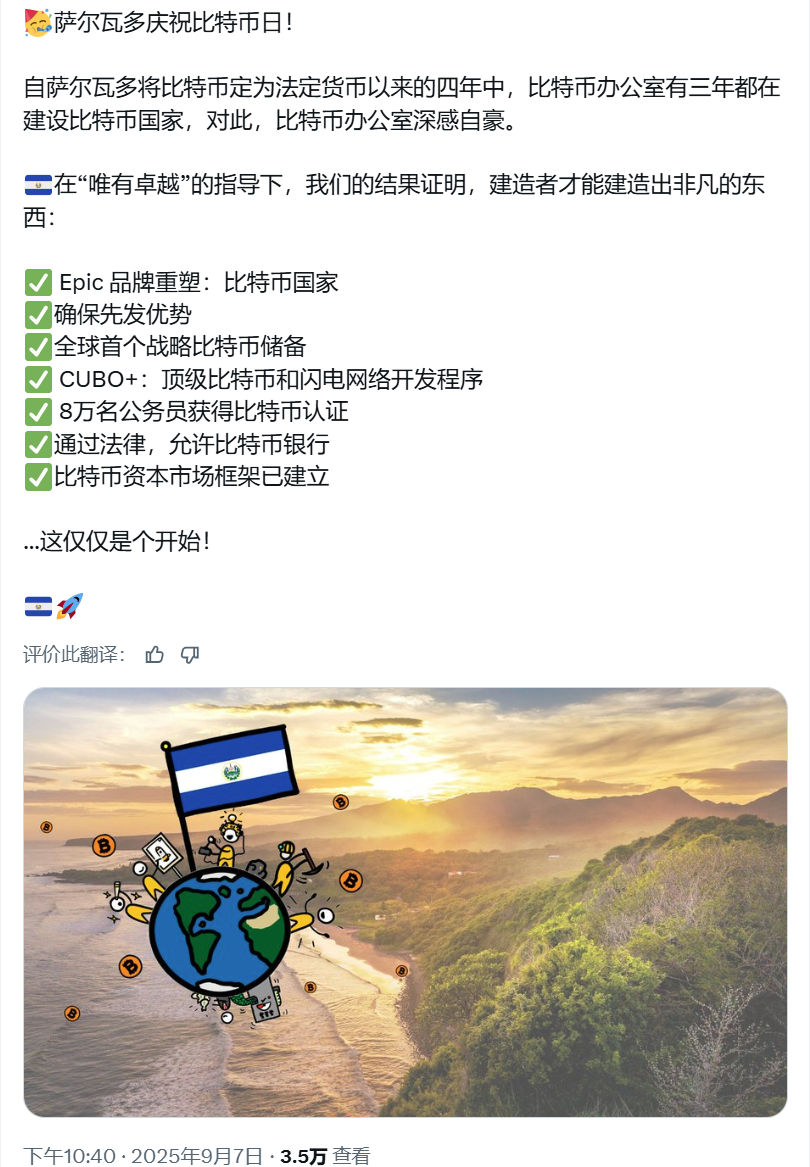
尽管如此,萨尔瓦多比特币办公室仍在2025年9月庆祝“比特币日”,并在社交媒体上强调该国仍持有6313枚比特币战略储备,价值超过7.02亿美元,凸显了这场实验的复杂遗产。

雄心启航:一个小国的金融突围梦

萨尔瓦多推出比特币法案并非一时冲动,而是基于其独特的经济背景。这个仅有600多万人口的国家,经济底子薄弱,​​海外侨汇竟然占全国GDP的五分之一还多​​。

总统布克勒指着数据痛心疾首:全国近七成成年人没有银行账户,每年因跨境汇款支付的手续费高达4亿美元。在这个以美元现金为主的经济体里,比特币被包装成“金融救星”。

政府推出了Chivo电子钱包,注册就送30美元比特币;在全国铺设了200台带兑换功能的ATM机;甚至计划用火山能源建造“比特币城”。总统布克尔承诺比特币能“让国家发财”,吸引投资、提升金融创新。


现实困境:理想与现实的巨大落差

然而现实远比想象残酷。比特币价格从2021年的6.9万美元暴跌至2022年的1.6万美元,萨尔瓦多政府持有的比特币市值缩水近半,​​直接亏损超4000万美元​​。

普通民众很快发现了问题所在:昨天还标价3美元的西红柿,今天可能涨到30美元——币值波动让日常交易成了“赌博”。Chivo钱包频繁被黑客攻击,转账卡顿、账户锁定等问题频发,上千人曾涌上首都街头抗议。

到2024年,​​92%的萨尔瓦多人从未使用过比特币​​,仅1.1%的汇款涉及加密货币。政府原本认为用比特币能每年省下4亿美元手续费,但到了2023年,只有1%的汇款用了比特币。

更深层的矛盾逐渐暴露。比特币网络每秒仅能处理7笔交易,连萨尔瓦多日均交易需求的零头都满足不了,闪电网络扩容方案又迟迟无法落地。

国际货币基金组织(IMF)将“降低比特币风险”作为发放14亿美元贷款的条件,直接施压萨尔瓦多放弃法定货币地位。议会投票时,​​71%的民众明确反对​​这项曾被强行推行的政策。

欧盟也以“反洗钱”为由,计划将萨尔瓦多列入高风险名单。在内外压力下,萨尔瓦多最终在2025年1月被迫宣布废除比特币法定货币地位,这场“金融实验”以国家经济濒临崩溃告终。

萨尔瓦多立法机构废除了比特币法定货币法,并同意不再使用公共资金购买额外的比特币,这是 1 月份与国际货币基金组织达成的 14 亿美元贷款协议的一部分。
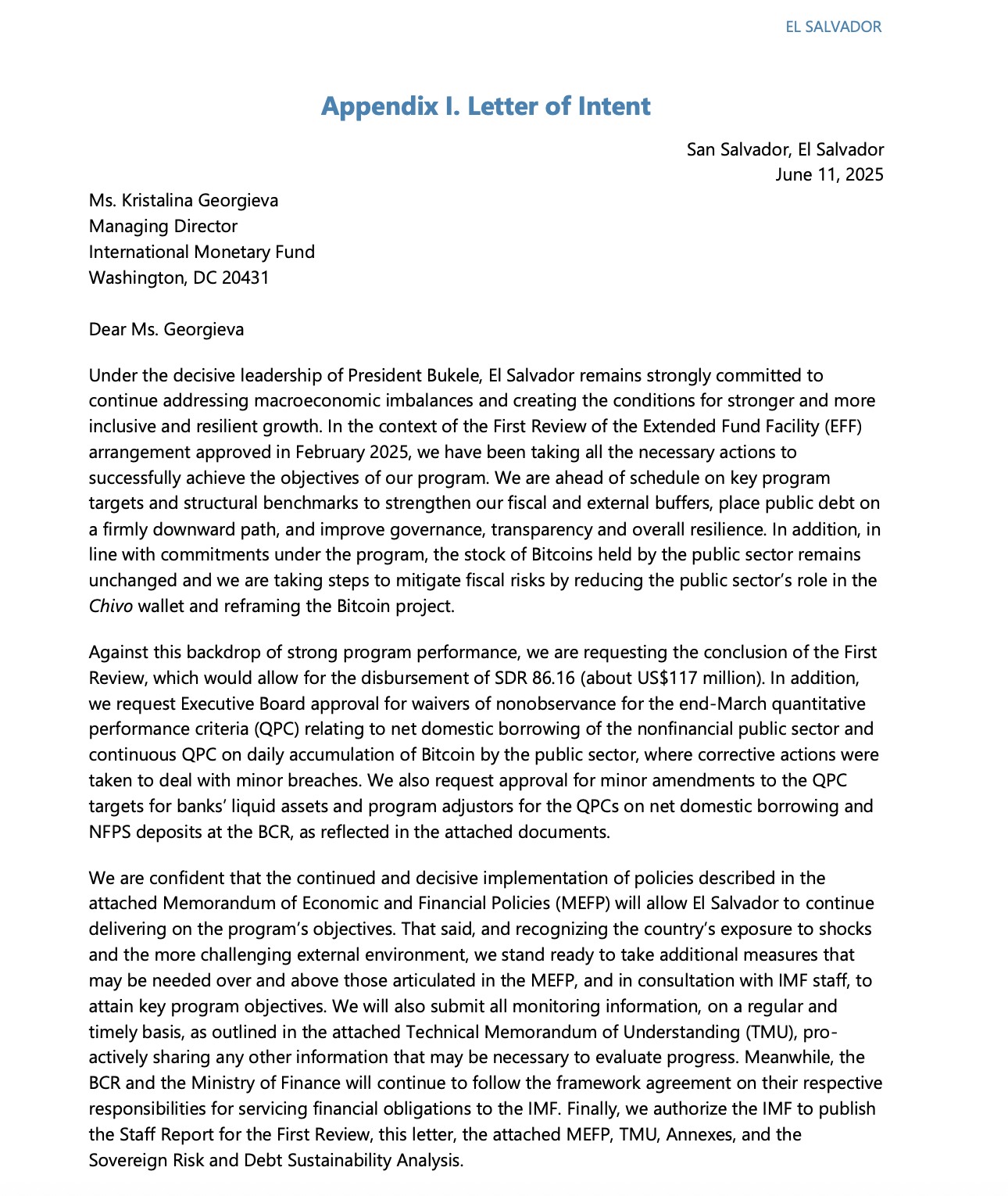
比特币法案国际货币基金组织报告中包含的意向书由萨尔瓦多财政官员签署,确认该国比特币余额未增长。资料来源:国际货币基金组织

政府还同意削减对 Chivo 比特币钱包的支持,该钱包在该国居民中的使用有限。

国际货币基金组织 7 月份发布了一份报告,披露萨尔瓦多自 2024 年 12 月签署 14 亿美元贷款协议以来尚未购买任何新的比特币,这在加密社区引起了震动。


战略转向:从法币到战略储备

比特币法案

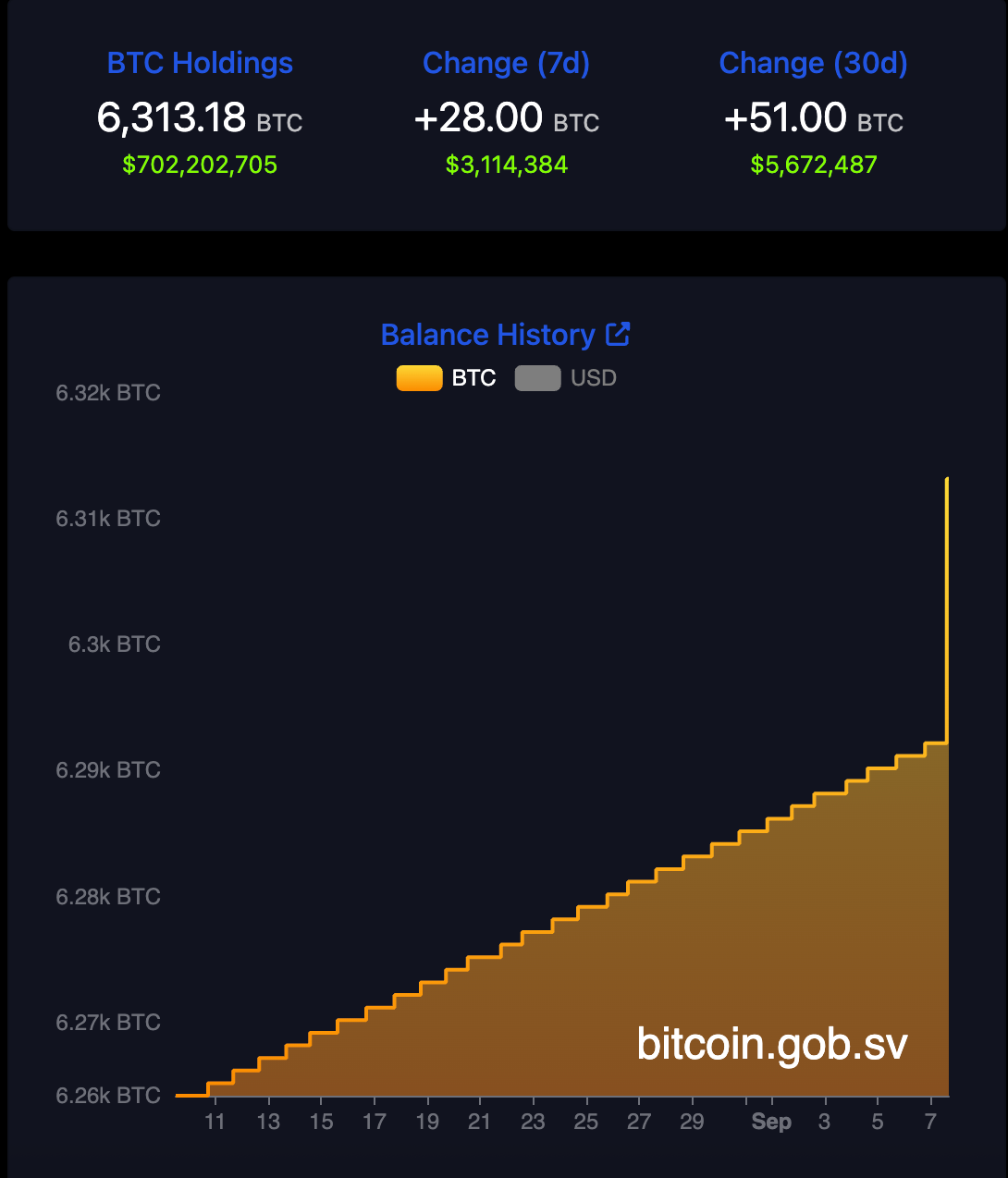
尽管取消了比特币的法定货币地位,萨尔瓦多并没有完全放弃比特币战略。该国​​继续积累比特币储备​​,目前持有6313枚,价值超过7.02亿美元。

政府还通过了新银行法,允许BTC投资银行为成熟投资者提供服务。截至2025年,已有80,000名公务员获得比特币认证,萨尔瓦多还举办了多个公共比特币和人工智能教育项目。

2025年8月,萨尔瓦多甚至进行了一次“量子迁徙”,将国家持有的6.8亿美元的比特币储备,从单一地址转移至14个分散的、新的区块链地址,以增强国家战略比特币储备安全性和长期托管。


经济与民生:实验背后的真实代价

萨尔瓦多的比特币实验给这个经济薄弱的国家带来了沉重负担。根据世界银行数据,​​2023年萨尔瓦多中央政府债务占GDP的101.7%​​,比特币价格波动直接加剧了债务危机。

穆迪将其主权信用评级下调至Caa3,濒临违约边缘。这些钱本来能用来修修路、建所学校,现在全砸在了这虚头巴脑的东西上。

普通民众的生活并未得到改善,商家收了比特币得立刻换成美元,否则价格一跌就亏钱。2025年2月,萨尔瓦多被迫宣布废除比特币法定货币地位,这场“金融实验”以国家经济濒临崩溃告终。


地缘博弈:小国在大国游戏中的困境

萨尔瓦多的比特币实验背后有着更深层的地缘政治因素。​​美国看到中国金融体系越来越强​​,人民币的国际化势头明显,贸易和跨境支付能力也在增强,他们心里当然不舒服。

美国试图通过立法规范稳定币,搞出“美元—稳定币—美债”这套闭环,想把比特币也圈进自己的体系里。2025年美国众议院通过的《天才法案》,要求稳定币发行商得有100%的美元或美债当储备。

萨尔瓦多当初跳进去,大概是觉得能靠比特币绕开美元控制,结果反而成了美国资本的试验品。2023年萨尔瓦多外债占GDP比重超过80%,其中不少债务是靠抵押比特币借的,价格一跌就得追加抵押品,国家财政被拖得喘不过气。


未来展望:数字货币与国家主权的思考

萨尔瓦多的实验并非全是失败。柏林市仍有100多家商户接受比特币,​​土耳其企业豪掷16亿美元​​投资“比特币城”周边港口,萨尔瓦多甚至成为首个发行代币化美国国债的国家。

布克勒在采访中坦言:“它没达到预期,但给我们带来了品牌和投资。”如今比特币虽不再是法币,却以更市场化的方式存续——企业可自主选择是否接受,政府则将重心转向完善监管框架。

这场实验留给世界的思考远未结束。数字货币能否真正普惠金融?国家主权货币与去中心化资产如何共存?在加密货币监管全球缺位的当下,小国的冒险究竟是创新还是赌博?
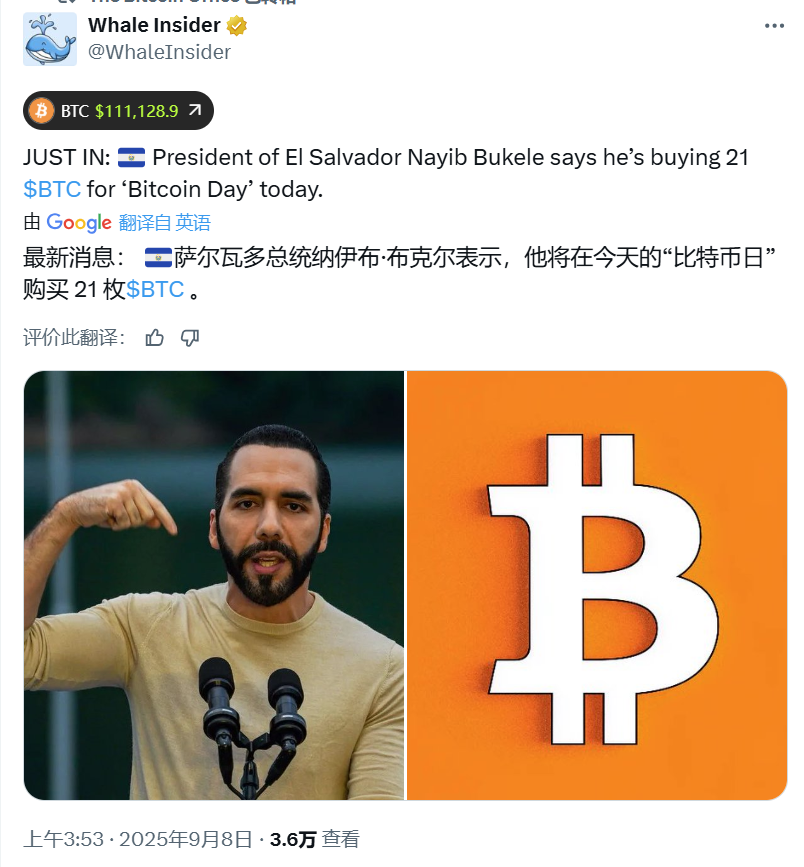
比特币法案

萨尔瓦多比特币办公室在2025年9月的“比特币日”宣布,他们又增持了21枚比特币。总统布克尔在社交媒体上强调,​​国家比特币储备已达6313.18枚​​,市值约7.01亿美元。

这个数字仿佛在诉说一个小国对金融自主的倔强坚持。在圣萨尔瓦多街头,比特币ATM机依然立在那里,只是鲜有人问津。

四年的比特币实验给这个国家带来了国际声誉和深刻教训,总统布克尔的一句话点明了关键:“它没达到预期,但给我们带来了品牌和投资。”

Related Reads

From Mining Pool to Mars: Why Is Wang Chun in the SpaceX Cockpit?

Title: From Mining Pool to Mars: Why Wang Chun is in the SpaceX Cockpit? When SpaceX announced that Wang Chun, co-founder of F2Pool, would command the first commercial crewed interplanetary mission, many were shocked. Why would a Bitcoin mining pool founder be on a Mars mission roster? However, understanding Wang Chun's journey over the past decade and the deepening ties between the crypto industry and SpaceX reveals this is not accidental, but an inevitable result of a new era taking shape. Today's Mars plan is no longer just a space engineering project; it is evolving into a civilization-upgrading experiment driven by global tech capital, AI, computing power, energy, and the crypto economy. Wang Chun stands precisely at the intersection of these forces. Part 1: From F2Pool to SpaceX – Wang Chun's Leap F2Pool, founded when Bitcoin was still niche, is one of the earliest large-scale mining pools and once held a significant share of global Bitcoin hash rate. Wang Chun belongs to the first generation of Chinese Bitcoin advocates and infrastructure builders—idealists and engineers who believed in a new value network independent of traditional finance. Miners like him built the hardware, energy, and computing power foundational to decentralized networks. This aligns with the long-term, high-engineering, future-oriented vision required for space civilization. Elon Musk’s space endeavors value such long-term builders over mere capital players, which explains Wang Chun's entry into the SpaceX ecosystem. Part 2: Why Crypto and SpaceX Are Growing Closer The core of global tech competition is shifting from internet applications to next-generation infrastructure. Both crypto and SpaceX are part of this. SpaceX's goal is to drastically reduce space access costs. If successful, it could enable orbital servers, space-based energy, global satellite internet, and Martian bases. These new frontiers will require new payment systems, value networks, and global financial architectures. Cryptocurrencies, inherently global and trustless, are poised to become key to off-planet economies. Moreover, crypto and SpaceX share a high-risk, long-termist ethos—believing in ambitious, world-changing goals despite early skepticism. Part 3: Human Spaceflight Enters the Commercial Era Space exploration, long dominated by state actors, is now being transformed by commercial entities like SpaceX. Wang Chun's involvement signifies that future deep-space participants may include not just career astronauts, but also entrepreneurs, engineers, and AI researchers. This mirrors the Age of Exploration, where commercial capital eventually drove global expansion. Wang Chun has emphasized that Mars colonization must not be delayed for future generations, countering a potential over-focus on nearer-term, commercial lunar projects. His presence symbolizes how new capital, technical communities, and idealists from the crypto world are now entering the interstellar age. In summary, the true significance is not an individual's journey to Mars, but the shift in the driving force of human civilization expansion from state machinery to tech companies, AI systems, and global technology capital. Wang Chun's path—from mining pool to Mars, from the Bitcoin network to starships—may be a preview of technological civilization's evolution in the coming decades.

marsbit7h ago

From Mining Pool to Mars: Why Is Wang Chun in the SpaceX Cockpit?

marsbit7h ago

Trading

Spot
Futures

Hot Articles

What is $BITCOIN

DIGITAL GOLD ($BITCOIN): A Comprehensive Analysis Introduction to DIGITAL GOLD ($BITCOIN) DIGITAL GOLD ($BITCOIN) is a blockchain-based project operating on the Solana network, which aims to combine the characteristics of traditional precious metals with the innovation of decentralized technologies. While it shares a name with Bitcoin, often referred to as “digital gold” due to its perception as a store of value, DIGITAL GOLD is a separate token designed to create a unique ecosystem within the Web3 landscape. Its goal is to position itself as a viable alternative digital asset, although specifics regarding its applications and functionalities are still developing. What is DIGITAL GOLD ($BITCOIN)? DIGITAL GOLD ($BITCOIN) is a cryptocurrency token explicitly designed for use on the Solana blockchain. In contrast to Bitcoin, which provides a widely recognized value storage role, this token appears to focus on broader applications and characteristics. Notable aspects include: Blockchain Infrastructure: The token is built on the Solana blockchain, known for its capacity to handle high-speed and low-cost transactions. Supply Dynamics: DIGITAL GOLD has a maximum supply capped at 100 quadrillion tokens (100P $BITCOIN), although details regarding its circulating supply are currently undisclosed. Utility: While precise functionalities are not explicitly outlined, there are indications that the token could be utilized for various applications, potentially involving decentralized applications (dApps) or asset tokenization strategies. Who is the Creator of DIGITAL GOLD ($BITCOIN)? At present, the identity of the creators and development team behind DIGITAL GOLD ($BITCOIN) remains unknown. This situation is typical among many innovative projects within the blockchain space, particularly those aligning with decentralized finance and meme coin phenomena. While such anonymity may foster a community-driven culture, it intensifies concerns about governance and accountability. Who are the Investors of DIGITAL GOLD ($BITCOIN)? The available information indicates that DIGITAL GOLD ($BITCOIN) does not have any known institutional backers or prominent venture capital investments. The project seems to operate on a peer-to-peer model focused on community support and adoption rather than traditional funding routes. Its activity and liquidity are primarily situated on decentralized exchanges (DEXs), such as PumpSwap, rather than established centralized trading platforms, further highlighting its grassroots approach. How DIGITAL GOLD ($BITCOIN) Works The operational mechanics of DIGITAL GOLD ($BITCOIN) can be elaborated on based on its blockchain design and network attributes: Consensus Mechanism: By leveraging Solana’s unique proof-of-history (PoH) combined with a proof-of-stake (PoS) model, the project ensures efficient transaction validation contributing to the network's high performance. Tokenomics: While specific deflationary mechanisms have not been extensively detailed, the vast maximum token supply implies that it may cater to microtransactions or niche use cases that are still to be defined. Interoperability: There exists the potential for integration with Solana’s broader ecosystem, including various decentralized finance (DeFi) platforms. However, the details regarding specific integrations remain unspecified. Timeline of Key Events Here is a timeline that highlights significant milestones concerning DIGITAL GOLD ($BITCOIN): 2023: The initial deployment of the token occurs on the Solana blockchain, marked by its contract address. 2024: DIGITAL GOLD gains visibility as it becomes available for trading on decentralized exchanges like PumpSwap, allowing users to trade it against SOL. 2025: The project witnesses sporadic trading activity and potential interest in community-led engagements, although no noteworthy partnerships or technical advancements have been documented as of yet. Critical Analysis Strengths Scalability: The underlying Solana infrastructure supports high transaction volumes, which could enhance the utility of $BITCOIN in various transaction scenarios. Accessibility: The potential low trading price per token could attract retail investors, facilitating wider participation due to fractional ownership opportunities. Risks Lack of Transparency: The absence of publicly known backers, developers, or an audit process may yield skepticism regarding the project's sustainability and trustworthiness. Market Volatility: The trading activity is heavily reliant on speculative behavior, which can result in significant price volatility and uncertainty for investors. Conclusion DIGITAL GOLD ($BITCOIN) emerges as an intriguing yet ambiguous project within the rapidly evolving Solana ecosystem. While it attempts to leverage the “digital gold” narrative, its departure from Bitcoin's established role as a store of value underscores the need for a clearer differentiation of its intended utility and governance structure. Future acceptance and adoption will likely depend on addressing the current opacity and defining its operational and economic strategies more explicitly. Note: This report encompasses synthesised information available as of October 2023, and developments may have transpired beyond the research period.

363 Total ViewsPublished 2025.05.13Updated 2025.05.13

What is $BITCOIN

Discussions

Welcome to the HTX Community. Here, you can stay informed about the latest platform developments and gain access to professional market insights. Users' opinions on the price of BTC (BTC) are presented below.

活动图片