日本海豚、韩国玩偶,Meme市场热炒「亚洲元素」

Odaily星球日报Published on 2024-10-10Last updated on 2024-10-10

Abstract

叽叽叽!吱吱吱!

今天的市场里,对于亚洲元素的炒作格外的热烈,从日本的宮島水族館的微笑海豚照片到对于以 Loopy 为代表的韩国玩偶的炒作,欧美的 meme 玩家似乎对于亚洲文化也有着浓厚的兴趣,他们看起来很愿意为「亚洲元素」的 meme 买单。

海豚

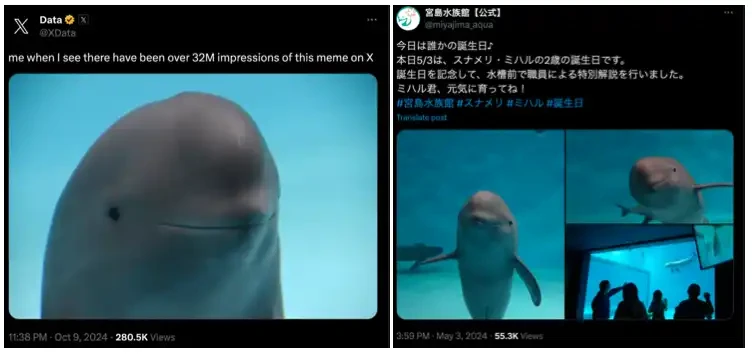
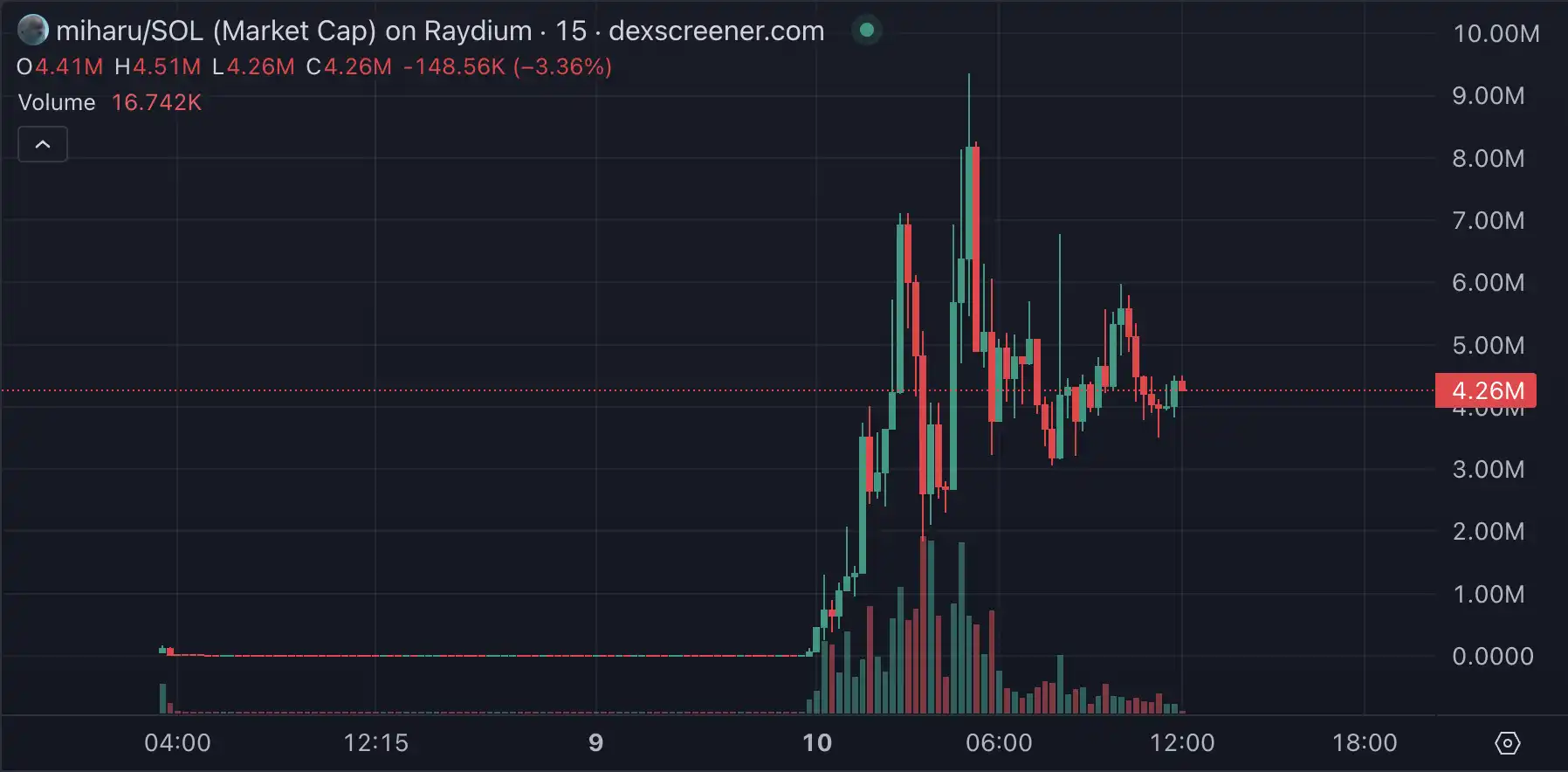
10 月 9 日晚间,X 平台旗下账户 @XData 发布微笑海豚照片,这是 X 官方第二次发动物园 Meme 相关的推文,这只鲸鱼有三个名字,分别是$Miharu $HANBAO $TAOTAO,但是没有定论到底他的确切名字。之后确认该鲸鱼为宮島水族館的 Miharu。SOL 版本的 Miharu 吸引了 MOODENG 持有榜一的巨鲸入场(巨鲸地址:DBzhEXjxvuvpS9i9N8PhQXSqzkc8YPtKbfWLwcSmxZpp),价格应声上涨。
日本海豚、韩国玩偶,Meme市场热炒「亚洲元素」

SOL 版本

最高市值: 9.35 M

当前市值: 4.26 M

24 h 交易量: 27.3 M

今日 12 AM(GMT+ 8)买入最高盈利: 12675.41% ;当前盈利: 1951.56% 
日本海豚、韩国玩偶,Meme市场热炒「亚洲元素」

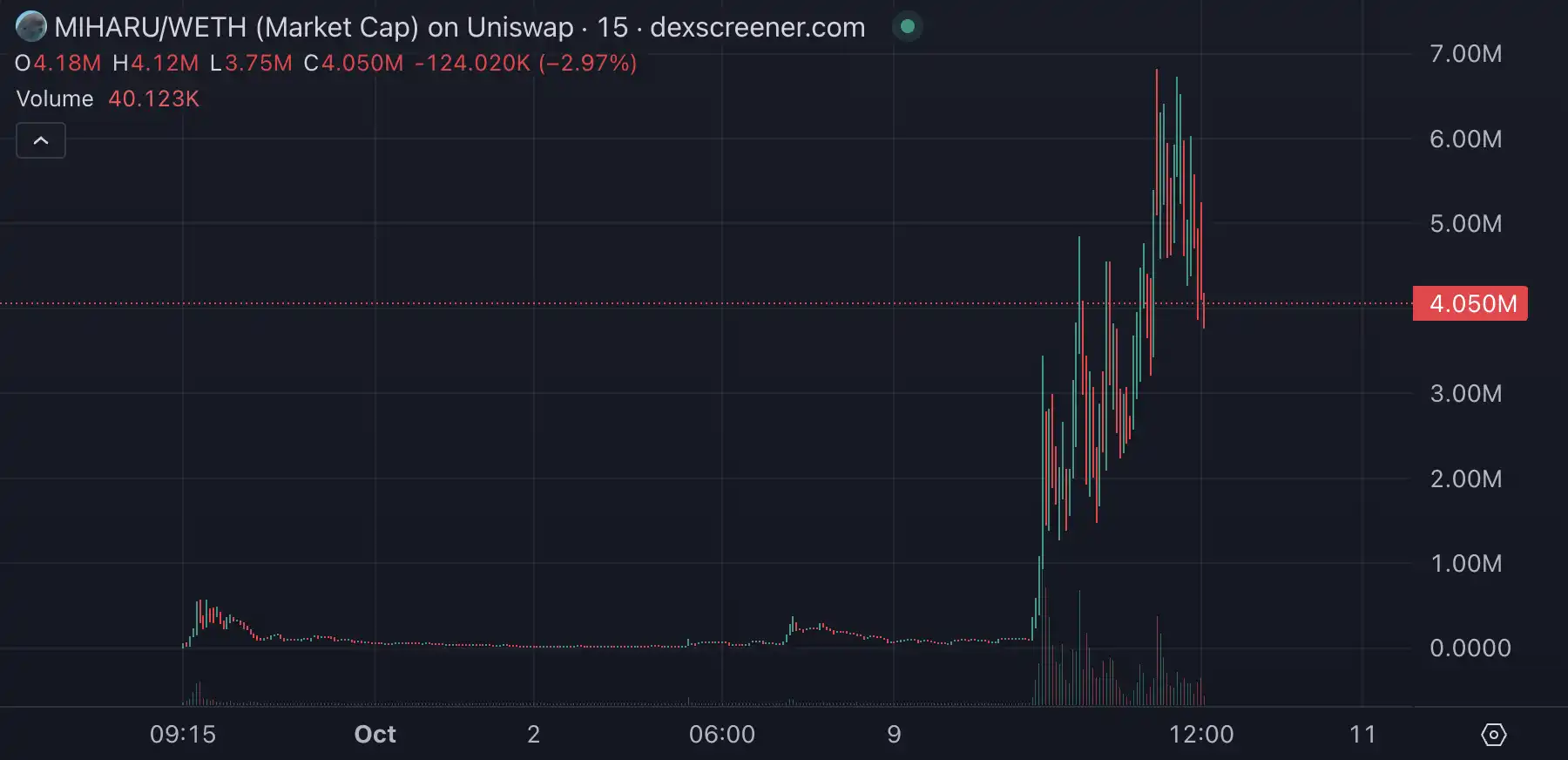
ETH 版本

最高市值: 6.83 M

当前市值: 4.05 M

24 h 交易量: 9.7 M

今日 12 AM(GMT+ 8)买入最高盈利: 1707.09% ;当前盈利: 921.25% 
日本海豚、韩国玩偶,Meme市场热炒「亚洲元素」

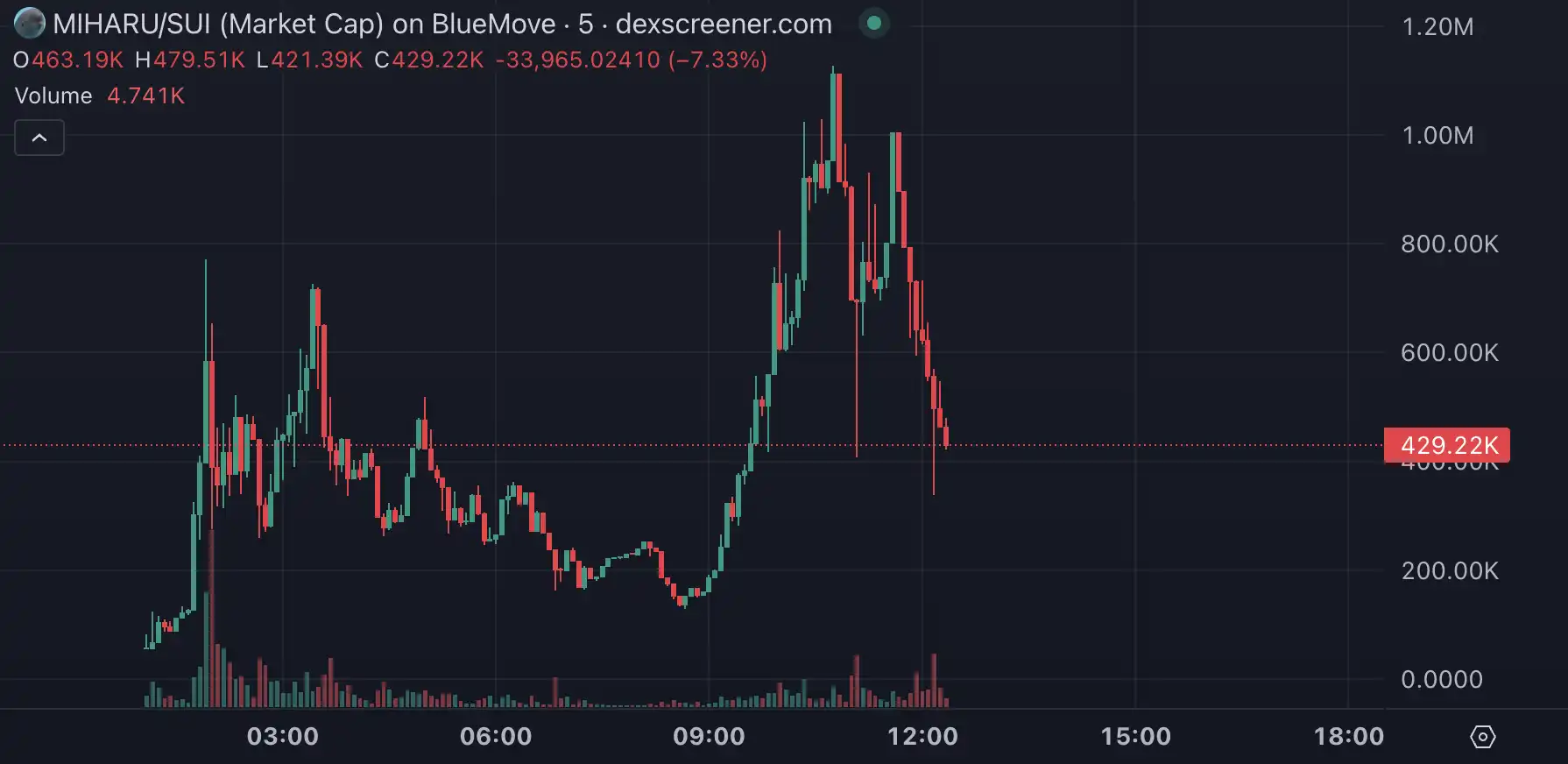
SUI 版本

最高市值: 1.12 M

当前市值: 429.22 K

24 h 交易量: 1.2 M

今日 2 AM(GMT+ 8)买入最高盈利: 305.06% ;当前盈利: 60.65% 
日本海豚、韩国玩偶,Meme市场热炒「亚洲元素」

玩偶

近期 Meme 的风不止在动物园刮着,也吹到了玩偶的市场里, 10 月 9 日下午 @LoopySUI 公布 CA 正式上线,以 Loopy 为代表韩国玩偶迎来了一阵炒作的热潮。

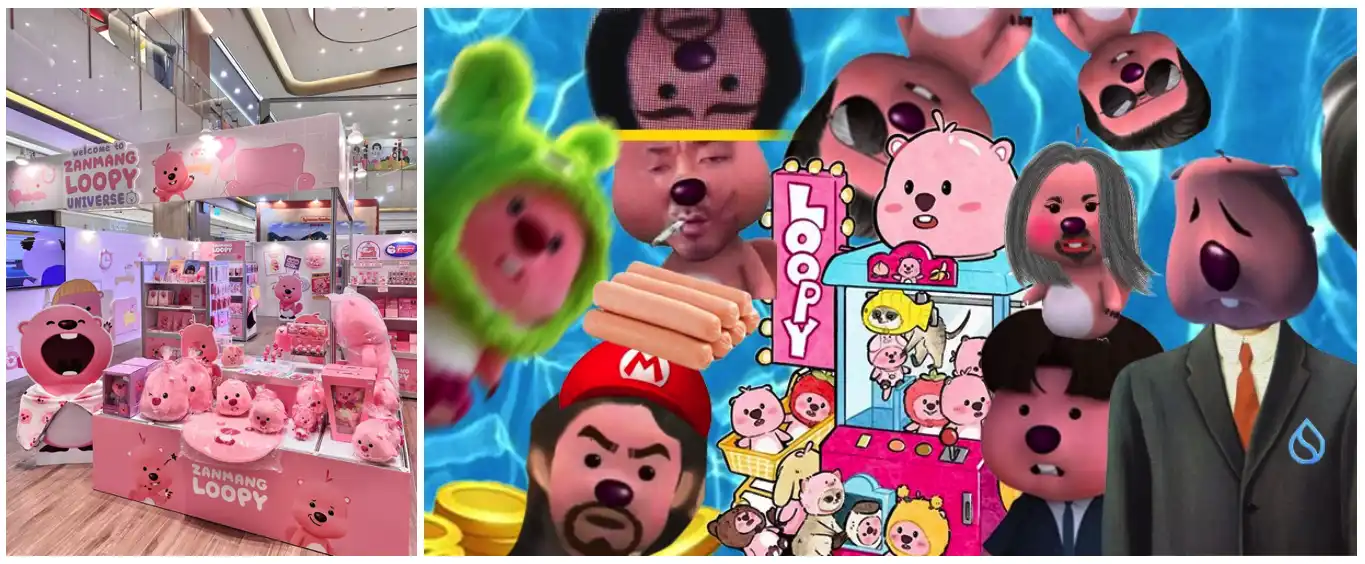
Loopy

Loopy 是一个可爱的粉色小狐狸动画形象,由韩国设计师创作,特点是大眼睛、圆润的身体和简单的线条。Loopy 的形象传达了友好和乐观的情感,深受年轻人和潮玩爱好者的喜爱。
日本海豚、韩国玩偶,Meme市场热炒「亚洲元素」

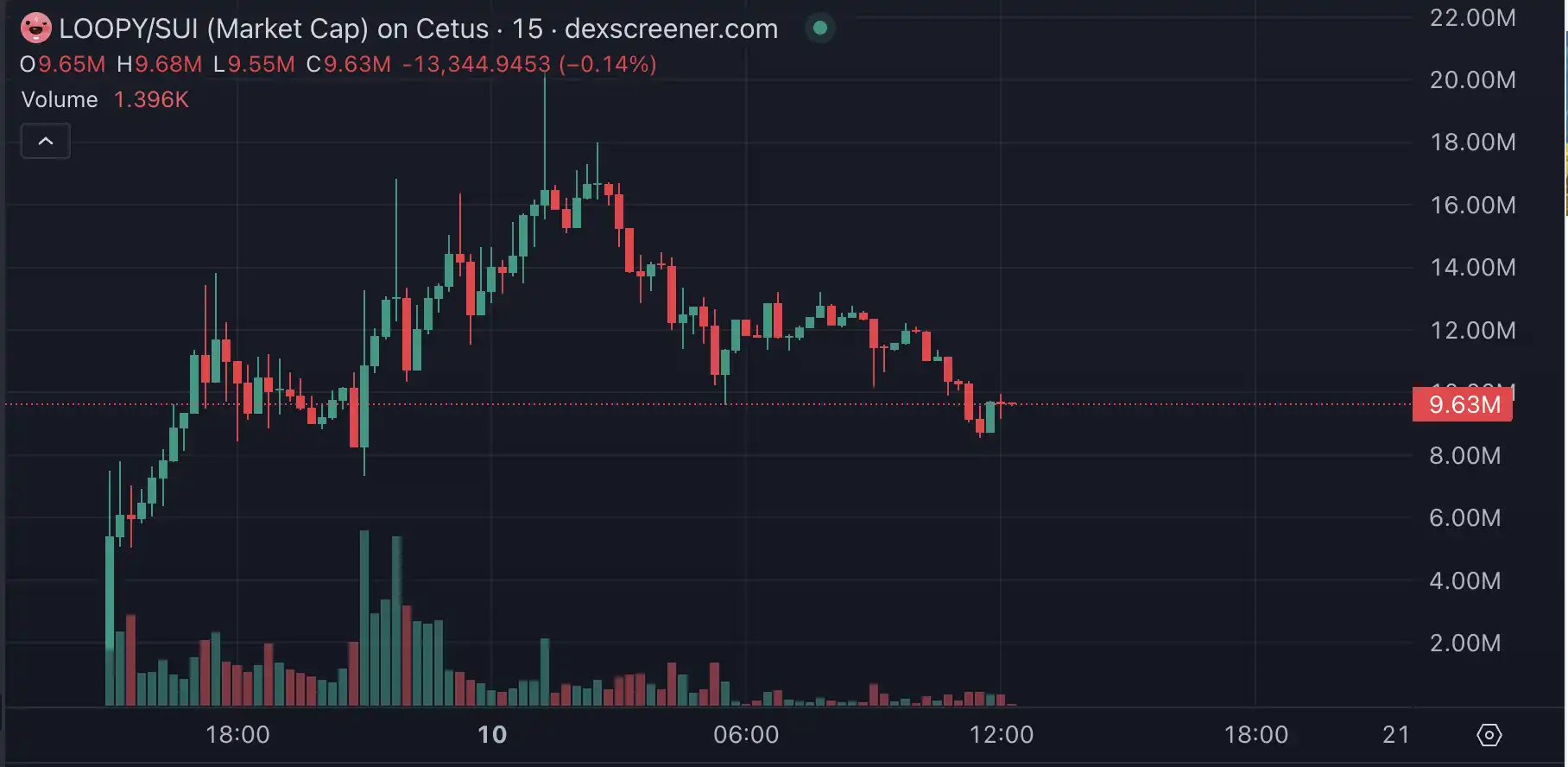
最高市值:20.28M

当前市值:9.63M

24h 交易量:5.9M

今日 12AM(GMT+8)买入最高盈利:57.39%;当前盈利:-3.84%
日本海豚、韩国玩偶,Meme市场热炒「亚洲元素」

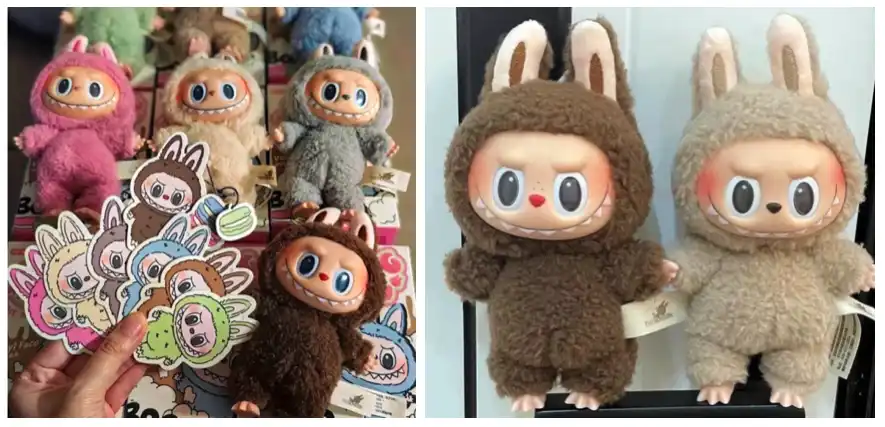
Labubu

「Labubu」是一个受欢迎的潮玩角色,通常以可爱的外形和独特的设计而受到收藏者的喜爱,其形象有着大眼睛和夸张表情,常常结合了幽默和一些「恶搞」的元素。Labubu 的设计风格在潮玩圈内受到广泛关注。
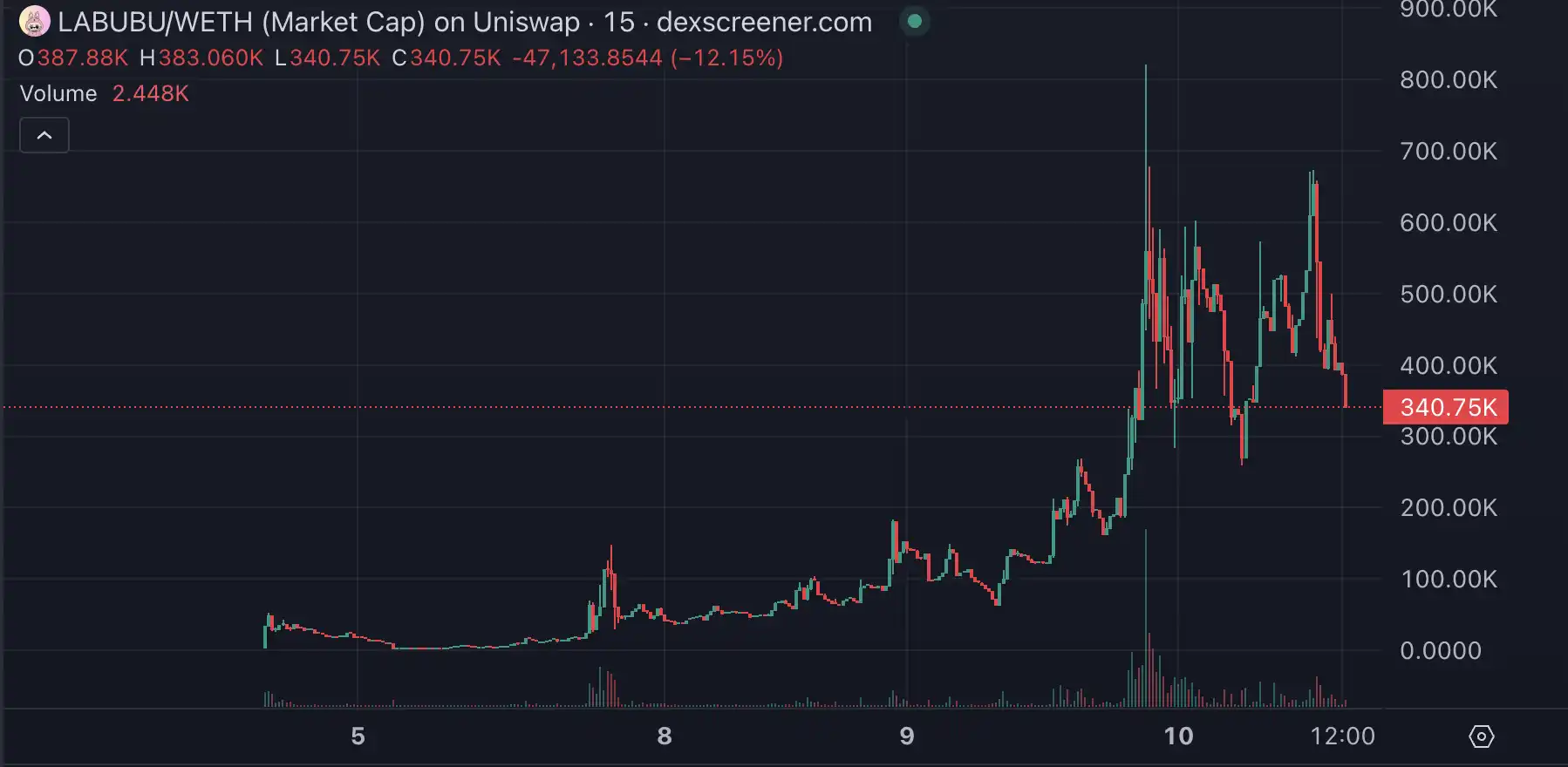
日本海豚、韩国玩偶,Meme市场热炒「亚洲元素」

ETH 版本

最高市值: 818.43 K

当前市值: 340.75 K

24 h 交易量: 507 K

今日 12 AM(GMT+ 8)买入最高盈利: 93.4% ;当前盈利:-1.6% 
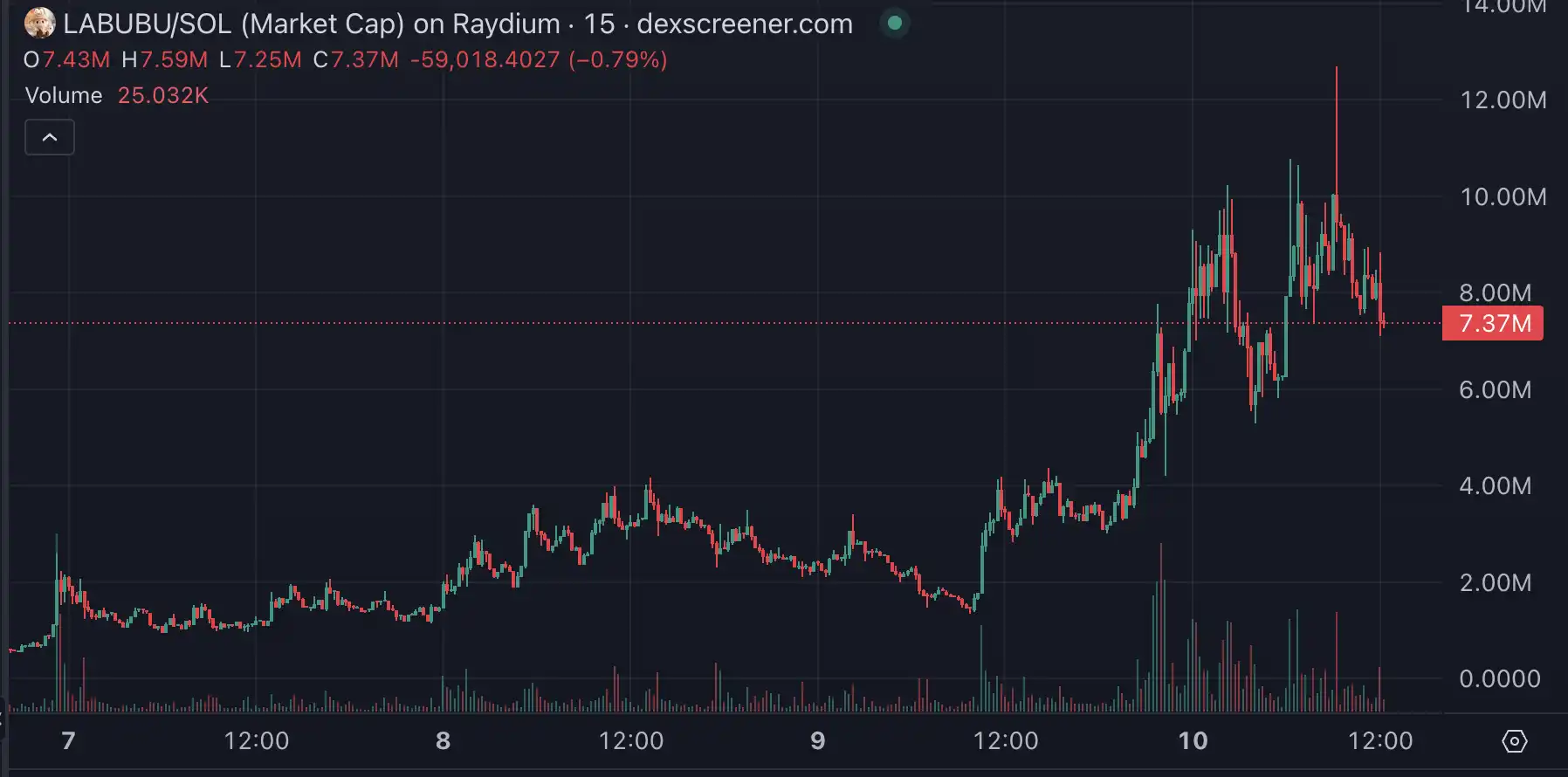
日本海豚、韩国玩偶,Meme市场热炒「亚洲元素」

SOL 版本

最高市值: 12.69 M

当前市值: 7.37 M

24 h 交易量: 6.7 M

今日 12 AM(GMT+ 8)买入最高盈利: 68.24% ;当前盈利:-5.54% 
日本海豚、韩国玩偶,Meme市场热炒「亚洲元素」

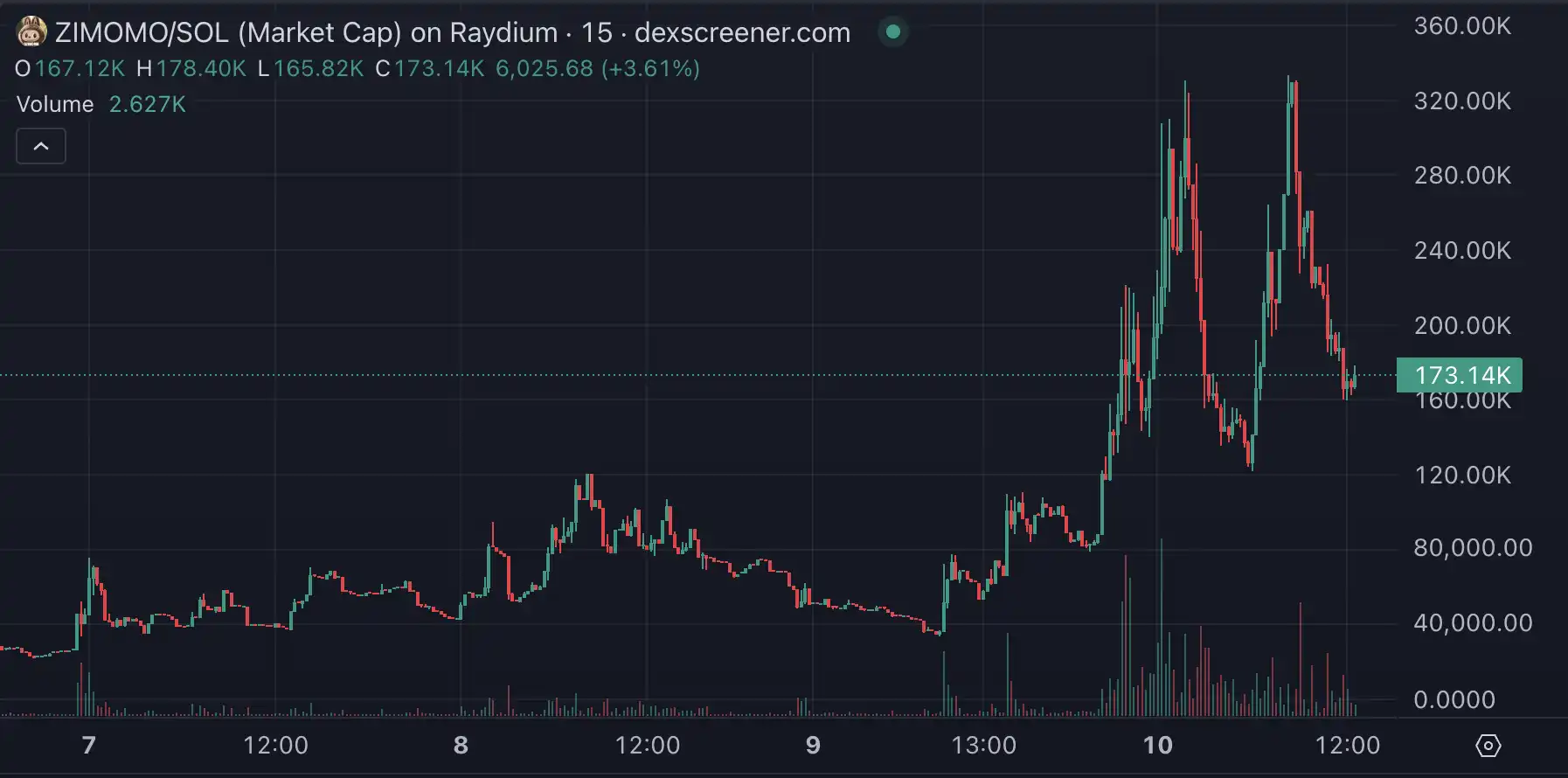
Zimomo

「Zimomo」是一款潮玩产品,是龙家升的作品 The Monsters(精灵天团)系列中的角色。Zimomo 担任着精灵天团的首领,是群体的领导者。

最高市值: 331.61 K

当前市值: 173.14 K

24 h 交易量: 713 K

今日 12 AM(GMT+ 8)买入最高盈利: 86.23% ;当前盈利:-11.76% 
日本海豚、韩国玩偶,Meme市场热炒「亚洲元素」

马斯克机器人

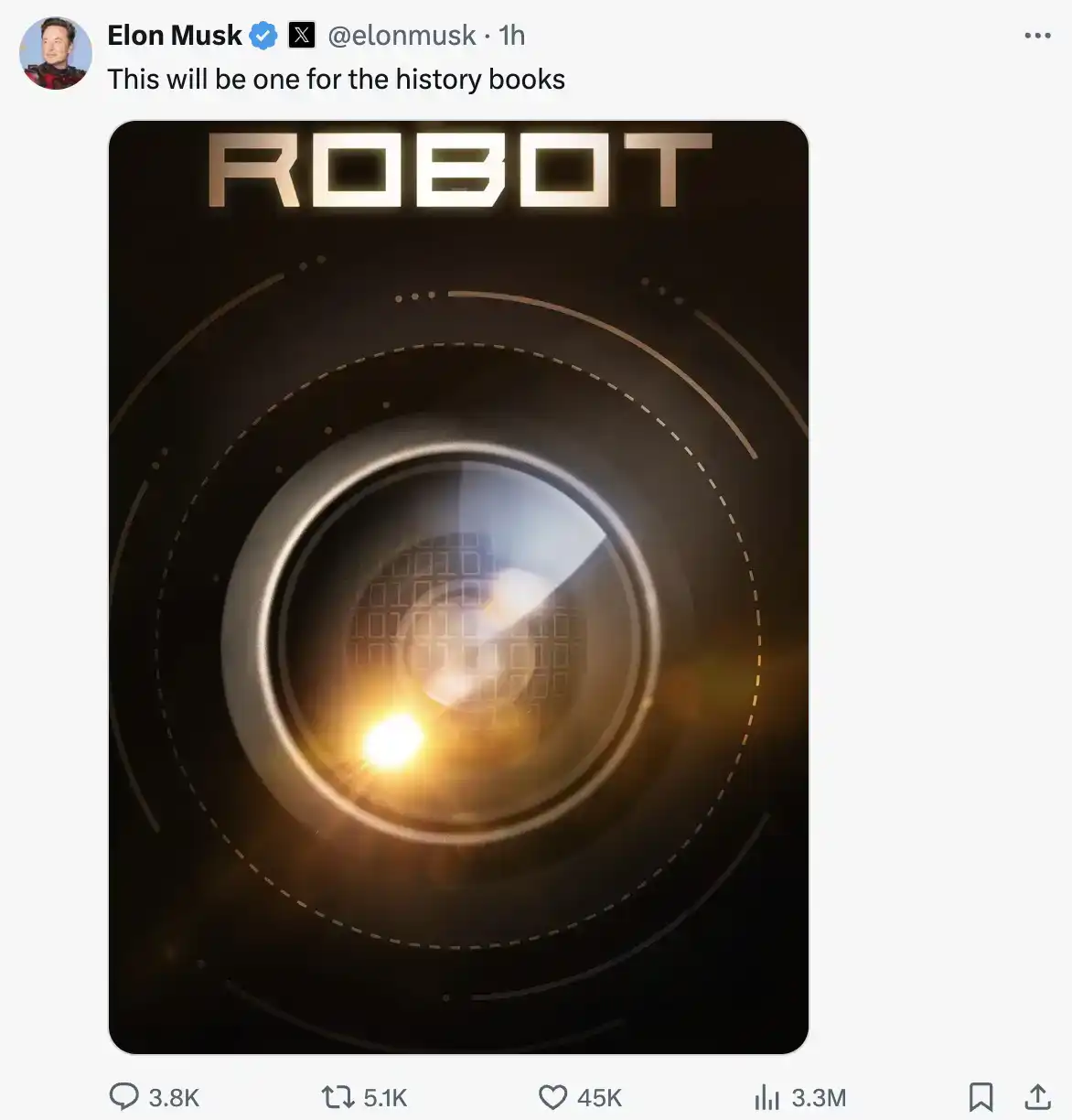
9 月 26 日上午,马斯克在 X 平台发布预告称将于 10 月 10 日发布人形机器人产品,并称「这将载入史册」,海报中配文「We Robot」,随后以太坊上便出现了 ROBOT 和 WR 两个较为火热的 meme。其中,ROBOT 短时拉升近 6 倍,WR 短时亦拉升近 20 倍。还有社区成员根据对产品名称的猜测,将此前的大小写$Robotaxi、$cybercrab、$FSD 等均列入了观察列表。

相关阅读:《Solana 变「疯狂动物城」,以太坊 Robot 异军突起|meme 今天炒什么?

日本海豚、韩国玩偶,Meme市场热炒「亚洲元素」

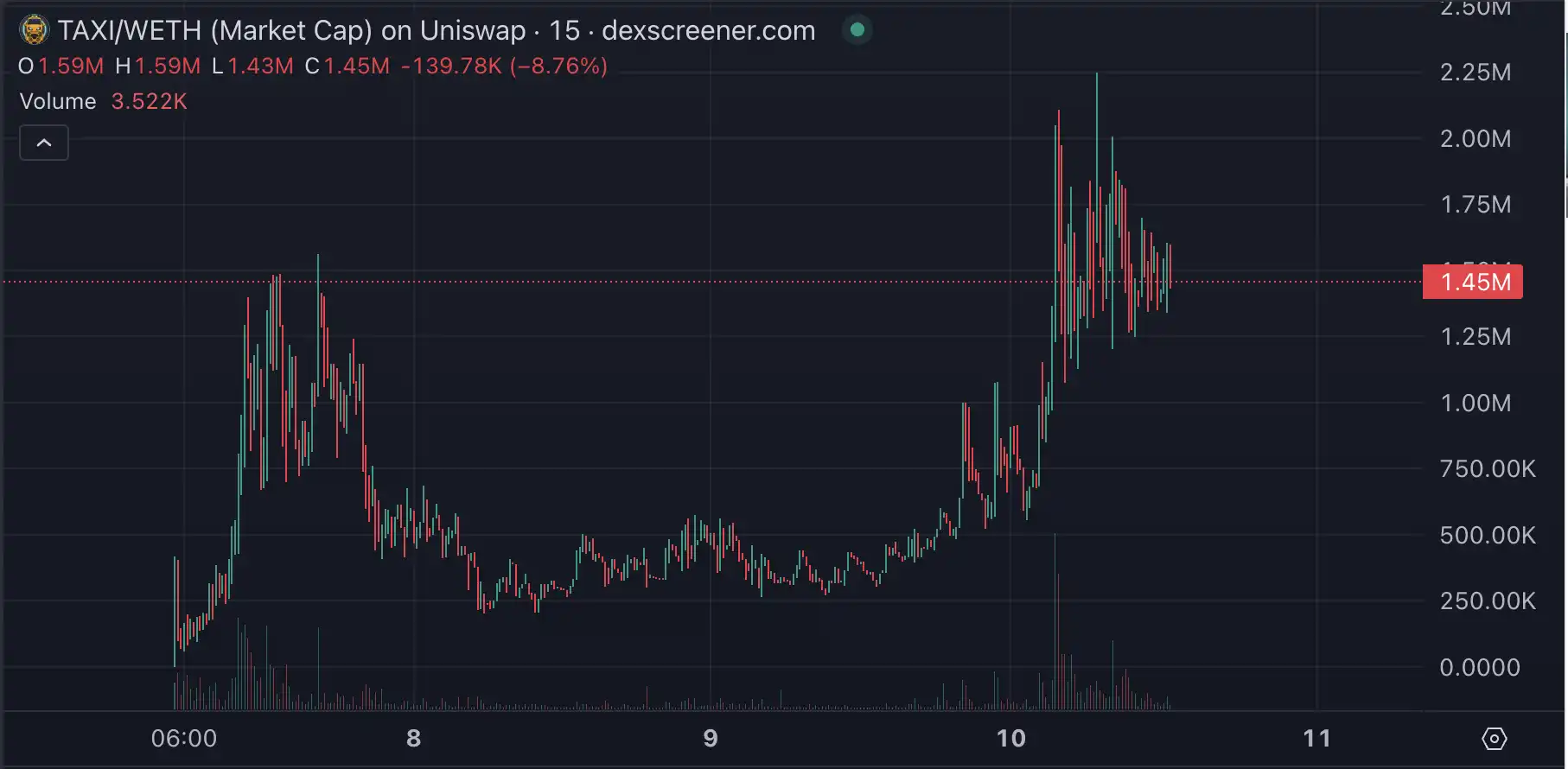
Robotaxi

最高市值: 2.24 M

当前市值: 1.45 K

24 h 交易量: 1.6 M

今日 12 AM(GMT+ 8)买入最高盈利: 197.8% ;当前盈利: 91.96% 
日本海豚、韩国玩偶,Meme市场热炒「亚洲元素」

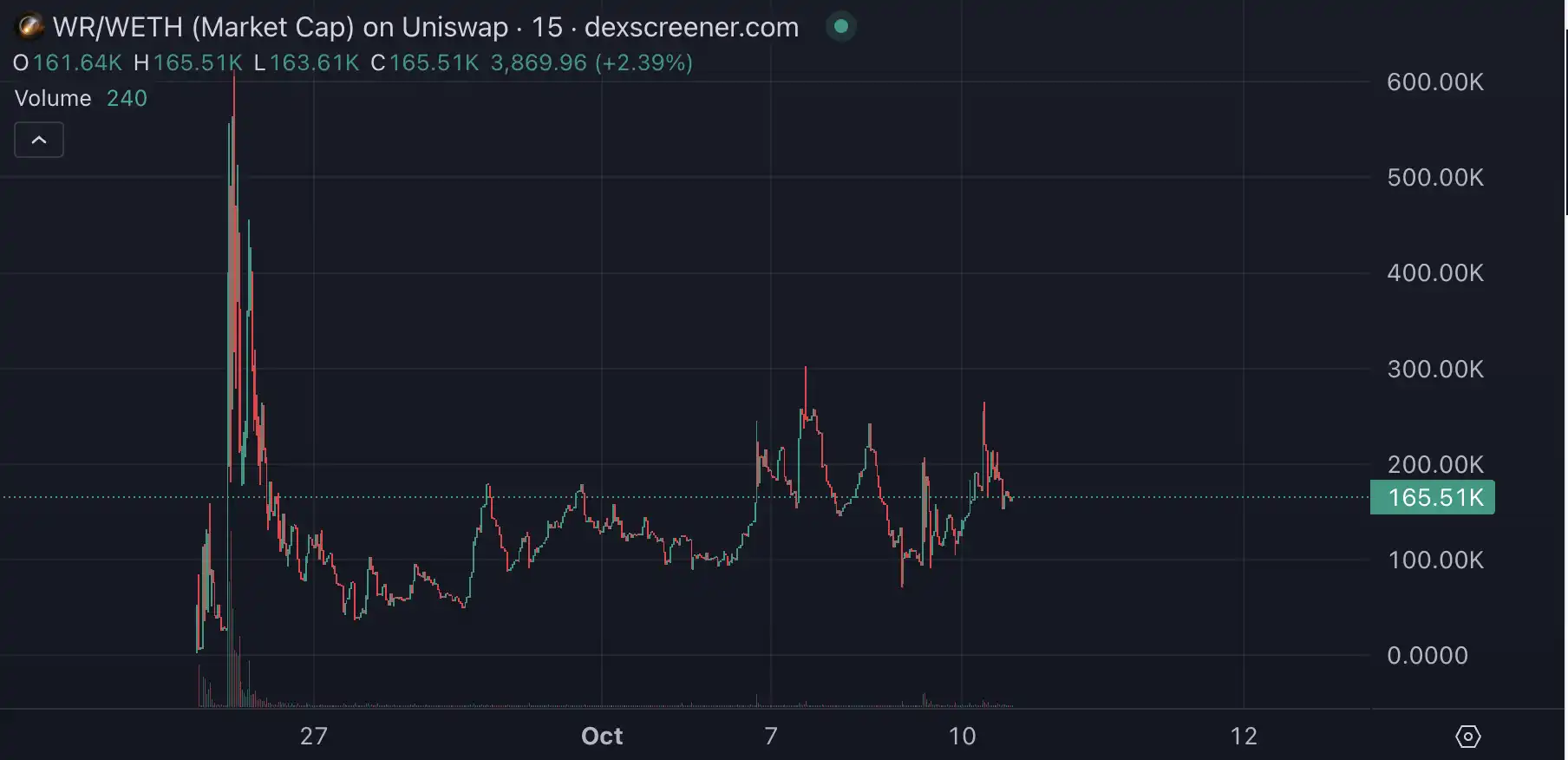
WR

最高市值: 609.36 K

当前市值: 165.51 K

24 h 交易量: 109 K

今日 12 AM(GMT+ 8)买入最高盈利: 98.76% ;当前盈利: 36.63% 
日本海豚、韩国玩偶,Meme市场热炒「亚洲元素」

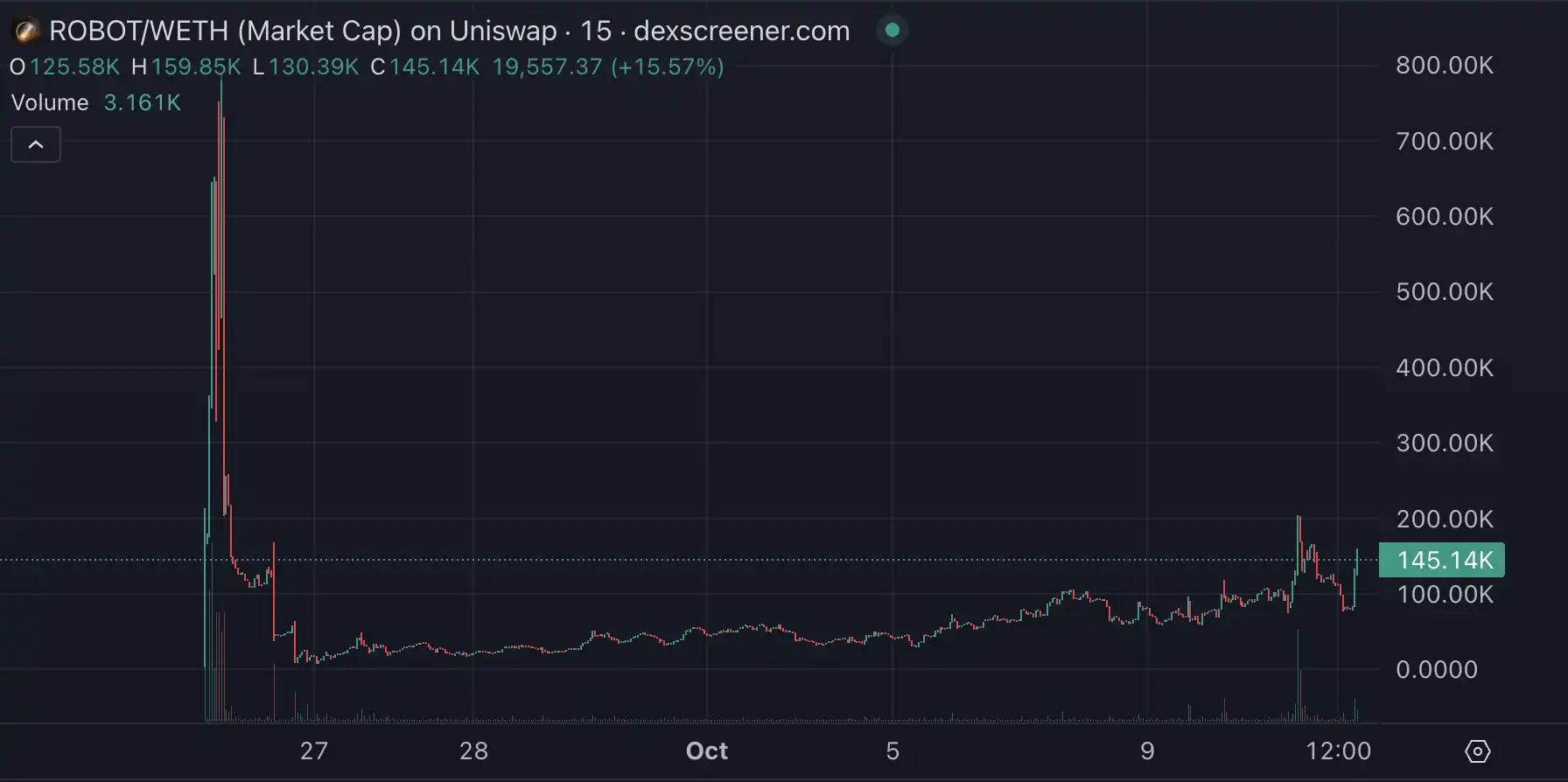
ROBOT

最高市值: 789.1 K

当前市值: 145.14 K

24 h 交易量: 120 K

今日 12 AM(GMT+ 8)买入最高盈利: 123.86% ;当前盈利: 61.61% 
日本海豚、韩国玩偶,Meme市场热炒「亚洲元素」

Related Reads

A 10,000-Word Interpretation of the "Optical Interconnect" Industry Chain: The AI Infrastructure Bottleneck Obscured by GPU Glare

**Summary: The Rise of Optical Interconnect in AI Infrastructure** This analysis explores the critical, yet often overlooked, role of optical interconnects in large-scale AI data centers. While GPUs provide raw computational power, the efficiency of AI clusters depends heavily on high-speed data transfer between thousands of cooperating GPUs during both training and inference tasks. Copper-based electrical connections are hitting physical limits in bandwidth, distance, and power consumption. Fiber optics, using light signals, offer a superior solution with exponentially higher bandwidth and lower energy use over longer distances. This shift is driving rapid growth in the optical interconnect market. The core translation device is the pluggable optical transceiver (or module), which converts electrical signals from GPUs into optical signals for fiber transmission and vice versa. Its manufacturing involves two distinct semiconductor domains: indium phosphide (InP) for optical chips (lasers, modulators, detectors) and silicon for digital signal processing (DSP) chips. A transformative next-generation technology is Co-Packaged Optics (CPO). CPO moves the optical engine (a silicon photonic integrated circuit, or PIC) much closer to the GPU or switch inside the same chip package, drastically reducing power loss and latency. CPO necessitates an external laser source and relies on silicon photonics (using Silicon-on-Insulator/SOI wafers) for integration with silicon chips. The optical interconnect ecosystem is highly fragmented, unlike the concentrated GPU market. Key bottlenecks and players span the entire supply chain: InP substrates (e.g., AXT), epitaxial wafers (e.g., IQE), laser chips (e.g., Sivers, Lumentum, Coherent), silicon photonics foundries (e.g., Tower Semiconductor), SOI wafers (e.g., Soitec), DSP/switch chips (e.g., Broadcom, Marvell), and underlying fiber (e.g., Corning). The article posits that AI infrastructure competition is extending from "who has more GPUs" to "who can secure the scarce optical interconnect supply chain." CPO represents the largest potential growth variable, with projections suggesting it could become a market worth tens of billions of dollars by 2028. Investment opportunities vary from conservative (large, diversified players) to aggressive (small, high-beta companies focused on specific bottleneck technologies), but the sector carries significant volatility and execution risks.

marsbit15m ago

A 10,000-Word Interpretation of the "Optical Interconnect" Industry Chain: The AI Infrastructure Bottleneck Obscured by GPU Glare

marsbit15m ago

a16z: RWA Has Passed the Proof of Concept, but the Real Challenges Are Just Beginning

a16z highlights that the tokenized real-world asset (RWA) market, excluding stablecoins, has grown tenfold in under two years to roughly $340 billion. This surge is primarily driven by US Treasury bonds and gold, offering investors yield on idle stablecoins and providing institutions with more efficient settlement and collateral flows. However, the core insight is that most tokenized assets today are simply digital certificates for off-chain holdings—used for ownership and transfer but not deeply integrated into DeFi as composable financial building blocks. For instance, only about 5% of tokenized bonds ($8B) are actively used in DeFi protocols. Smaller categories like reinsurance tokens show much higher DeFi utilization (84%), indicating they were designed for on-chain composability from the start. The market remains concentrated, with US Treasuries and commodities comprising two-thirds of the total. Gold dominates the commodities segment. While Ethereum holds over half the market, activity is spreading across multiple chains like BNB Chain and Solana. Predictions for the market's future size vary widely (from $2 trillion to over $30 trillion by 2030/2034), reflecting different definitions of what constitutes tokenization. All agree on significant growth. The current market is minuscule compared to traditional finance (e.g., tokenized bonds are 0.01% of the global bond market). The key takeaway is that the initial "proof-of-concept" phase for moving familiar assets on-chain is proving successful. The next, harder challenge is moving more complex financial instruments onto blockchains and enabling true on-chain composability, where these assets become programmable components within a native digital financial system, rather than just digitized records.

marsbit53m ago

a16z: RWA Has Passed the Proof of Concept, but the Real Challenges Are Just Beginning

marsbit53m ago

The Wind of 'Proactive' AI Blows into Silicon Valley: Hark Secures $700 Million in Funding

Hark, an AI startup founded in late 2025, has raised $700 million in Series A funding at a $6 billion valuation. Led by Parkway Venture Capital with participation from NVIDIA, AMD Ventures, Intel Capital, Qualcomm Ventures, and Salesforce Ventures, the company aims to develop next-generation human-computer interfaces using a combination of proprietary foundational models and custom-built AI-native hardware. Founded by serial entrepreneur Brett Adcock, Hark envisions a system of multimodal devices equipped with agentic capabilities, end-to-end voice models, and personalized memory. This "active" AI approach seeks to move beyond passive chatbots, creating collaborative companions that anticipate needs and interact naturally within the real world. Adcock's experience with Figure, a humanoid robotics company, informs this hardware-focused venture. The article argues that while current AI is powerful, it remains confined to screens and traditional interfaces like chat. The next paradigm shift requires dedicated hardware that is always-on, possesses persistent memory, and enables intuitive interaction, potentially rivaling the impact of the iPhone. Hark is assembling a team with talent from Apple, Meta, Google, and Tesla to tackle this complex engineering challenge across models, hardware, and interaction design. Finally, the piece suggests Chinese startups may have an advantage in this "active" AI hardware space due to strong manufacturing ecosystems, a vast domestic market, and supportive government policies, framing the competition as one that requires integrated progress in models, operating systems, and devices.

marsbit57m ago

The Wind of 'Proactive' AI Blows into Silicon Valley: Hark Secures $700 Million in Funding

marsbit57m ago

Competitors Going Public, Kimi Can't Sit Still

Competitors Go Public, Kimi Feels the Pressure Yue Zhi An Mian (Moonshot AI), the company behind the AI assistant Kimi, has begun dismantling its VIE and red-chip structure, clearing a key obstacle for a potential Hong Kong IPO. This marks a significant shift from six months ago when founder Yang Zhilin stated the company was in "no hurry" to list. The move comes as rivals like Zhipu AI and MiniMax have successfully listed on the Hong Kong Stock Exchange in early 2026, experiencing massive surges in market value. This has reset valuation logic for AI companies, turning "going public" from an end goal into a competitive necessity. Analysts suggest Kimi is both seizing a favorable market window and responding to competitive pressure. Kimi's valuation has skyrocketed from around $3 billion at its 2023 founding to over $20 billion by May 2026. Capital is betting on its potential as a future AI platform and gateway, though some caution this "emotional valuation" depends on sustained technological leadership and successful commercialization. Traditionally focused on core model R&D over user growth, Kimi has recently pivoted strategy. While its monthly active users declined through 2025, it shifted focus to Agent development and reducing marketing spend. The release of its K2.5 model in early 2026 reportedly generated substantial revenue, with annual recurring revenue reaching $200 million by April, driven by subscriptions and API services. A $2 billion D-round financing in May signaled investor approval of this commercial shift. However, listing will bring new pressures. Experts predict a listed Kimi would face stricter scrutiny on financial controls, compliance, and R&D efficiency. The narrative must evolve from pure technological breakthroughs to demonstrating clear commercialization paths, sustainable income, and a defensible valuation, balancing model superiority with business performance.

marsbit1h ago

Competitors Going Public, Kimi Can't Sit Still

marsbit1h ago

Trading

Spot
Futures

Hot Articles

Discussions

Welcome to the HTX Community. Here, you can stay informed about the latest platform developments and gain access to professional market insights. Users' opinions on the price of MEME (MEME) are presented below.

活动图片