Autor original: Eric, Foresight News
El año 2025 fue considerado como el primer año emblemático en el que los profesionales de Web3 entraron masivamente en la agenda principal oficial del Foro Económico Mundial (WEF). "Crypto at a Crossroads" (Cripto en una encrucijada) apareció por primera vez en la agenda de la sala principal, discutiendo si las criptomonedas habían entrado en la era mainstream. Un año después, con la entrada de los gigantes financieros occidentales, Web3 ha pasado de ser una encrucijada el año pasado a convertirse en una verdadera corriente principal.
Este año, en la sala principal del Foro Económico Mundial, la tokenización y las stablecoins se convirtieron en dos temas importantes de la agenda. El fundador de Binance, Changpeng Zhao (CZ), también fue invitado a participar en un debate titulado "New Era for Finance" (Nueva Era para las Finanzas). A diferencia de su franqueza en CT (Crypto Twitter), en un escenario tan grande, las declaraciones de los representantes de Web3 fueron notablemente más comedidas, pero aún así no ocultaron la ambición de que "Web3 cambiará el mundo".
Entonces, en la reunión anual de Davos 2026, donde las criptomonedas fueron reconocidas como mainstream por las finanzas tradicionales con un volumen de billones de dólares, ¿qué dijeron exactamente los grandes líderes?
Changpeng Zhao (CZ): "Si los bancos no cambian, nosotros cambiaremos los bancos"
La última vez que un empresario conocido criticó a los bancos en una gran conferencia económica y financiera, probablemente se remonta a la Cumbre Financiera de Waitan en 2020.
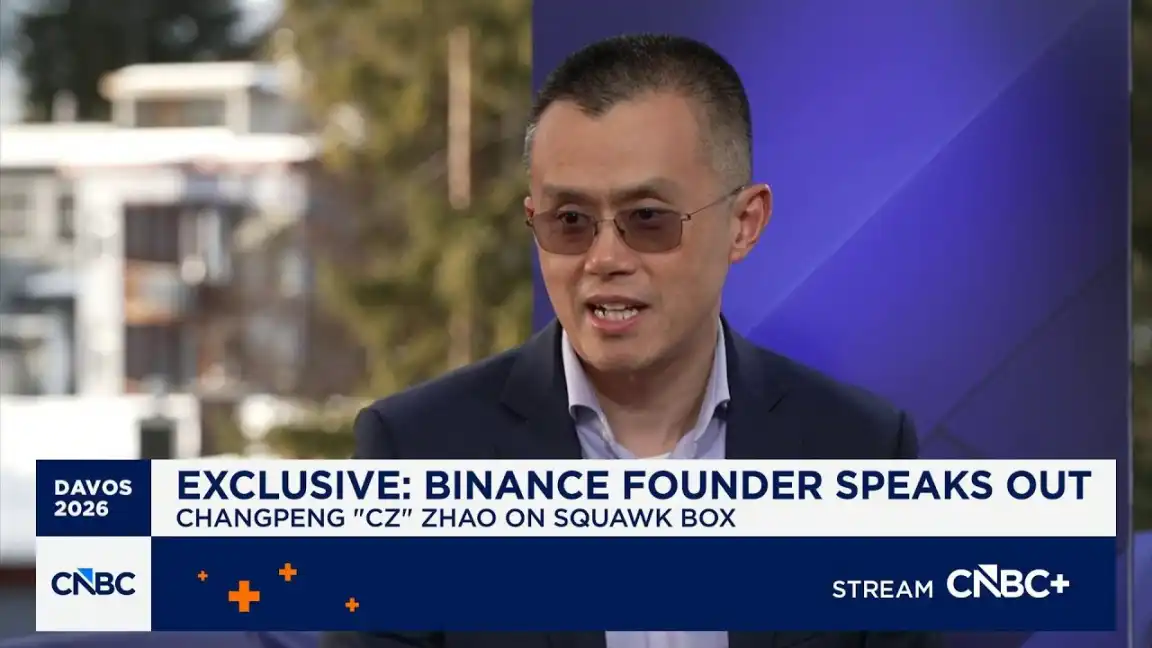
Changpeng Zhao (CZ) participó en una mesa redonda en la sala principal con el tema "New Era for Finance" (Nueva Era para las Finanzas) durante esta reunión anual de Davos, y también concedió entrevistas a medios de comunicación, incluido CNBC. En general, el punto de vista de CZ no era "reemplazar a los bancos", sino que los bancos deberían adoptar la infraestructura blockchain, siendo ambos complementarios. Sus puntos principales incluyen:
- El sistema de reserva fraccionaria de los bancos es la raíz de las crisis de liquidez, es difícil manejar retiros de miles de millones de dólares en poco tiempo sin problemas, como hace Binance. El modelo de reserva del 100% de los exchanges de criptomonedas es más seguro y confiable. Los bancos tradicionales tienen su valor, pero deberían adoptar blockchain como su infraestructura para mejorar la eficiencia y reducir costos;
- CZ本人正在与十几个国家(如巴基斯坦、马来西亚、吉尔吉斯斯坦等)的政府讨论国家资产代币化,包括基础设施、房地产、商品、政府债券等。La tokenización puede evitar problemas de deuda y mejorar la liquidez, atrayendo a una gama más amplia de inversores;
- El ciclo de 4 años de Bitcoin se romperá, 2026 será el "súper ciclo" de Bitcoin. Los memecoins son similares a los NFT y el metaverso anteriores, son altamente especulativos y de alto riesgo. Los memecoins con valor cultural pueden existir a largo plazo, pero la mayoría desaparecerán;
- Los pagos tradicionales se están fusionando con los pagos加密, pero es necesario tener conciencia del riesgo. Los Agentes de IA utilizarán criptomonedas como método de pago nativo; en el futuro, la IA dependerá de blockchain para pagos confiables en tiempo real, las criptomonedas se convertirán en el "combustible" de la economía de la IA.
- La industria加密 debe centrarse en la gestión de riesgos y la realidad regulatoria, no en un optimismo ciego, innovación y cumplimiento van de la mano.
Además de estos puntos, CZ también reveló, por ejemplo, su estado de ánimo durante su encarcelamiento anterior en una entrevista con CNBC, y respondió en X que divulgaría más detalles en su nuevo libro que se publicará a fines de febrero o principios de marzo.
El fundador de Coinbase debate acaloradamente con el gobernador del Banco de Francia
En un debate titulado "Is Tokenization the Future" (¿Es la tokenización el futuro?), el fundador de Coinbase, Brian Armstrong, interrumpió en múltiples ocasiones al gobernador del Banco de Francia, François Villeroy de Galhau, y refutó sus puntos de vista sobre Bitcoin y los rendimientos de las stablecoins.
François Villeroy de Galhau expresó puntos de vista que incluyen:
- Se opone firmemente a que las empresas privadas paguen intereses a los tenedores de las stablecoins que emiten, considerando que esto amenaza la soberanía monetaria y la estabilidad financiera;
- Enfatiza que la confianza monetaria debe provenir de instituciones públicas con mandato democrático (bancos centrales), no de emisores privados;
- Critica que las stablecoins y el Bitcoin y otras monedas privadas pueden provocar riesgos sistémicos, promueve el euro digital como herramienta para mantener la soberanía;
- Advierte que si no se mejora la educación financiera, la tokenización podría convertirse en un "desastre".
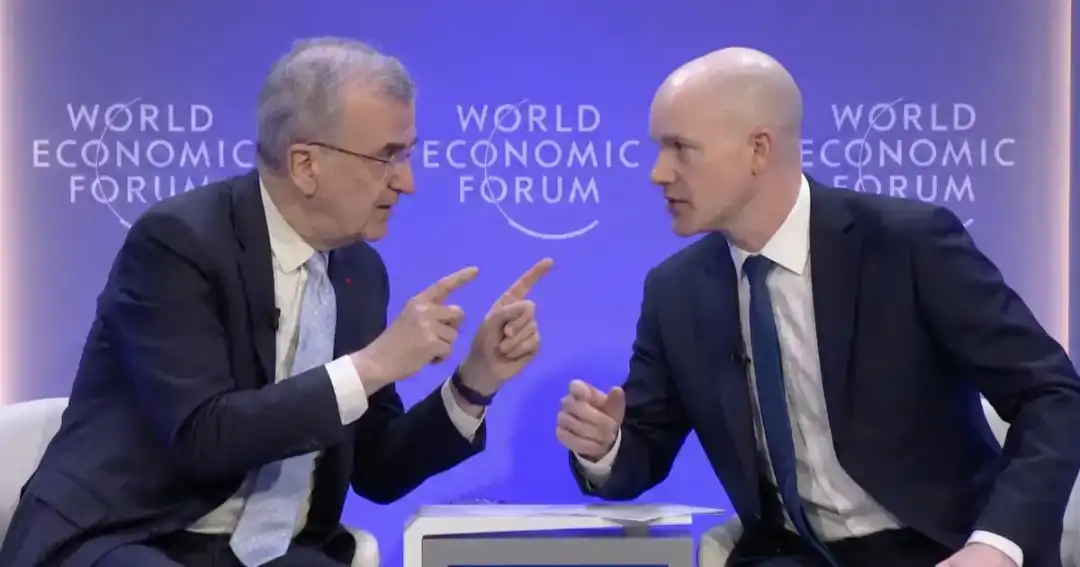
Las "réplicas" de Brian Armstrong incluyen:
- Argumenta que Bitcoin no tiene un emisor, su naturaleza descentralizada lo hace más independiente y resistente a la inflación que las monedas tradicionales;
- Sostiene que los usuarios tienen derecho a obtener rendimientos de las stablecoins y cree que permitir intereses en stablecoins es parte de la competitividad nacional;
- Enfatiza que Bitcoin y los bancos centrales deberían tener una "competencia saludable", la elección pública se convertirá en el mecanismo de rendición de cuentas más fuerte para el déficit fiscal y impulsará a los bancos centrales a ser más responsables;
- Rebate diciendo que las stablecoins están totalmente respaldadas por reservas, a diferencia de los depósitos bancarios;
- La tokenización puede resolver problemas de eficiencia financiera, permitir liquidaciones en tiempo real, reducir costos y "democratizar el acceso a las inversiones", proporcionando canales de inversión para los 4 mil millones de adultos que no pueden acceder a servicios de brokería, y prevé que esta tecnología avanzará significativamente en 2026.
Además de este enfrentamiento muy seguido entre las "finanzas antiguas" y las "nuevas finanzas", Brian Armstrong también mencionó en entrevistas u otras ocasiones que, durante la conferencia, un alto ejecutivo de uno de los diez bancos globales más grandes le dijo que las criptomonedas son ahora la "prioridad número uno" del banco, incluso consideradas como "una cuestión de vida o muerte". Armstrong afirmó que los numerosos líderes financieros con los que contactó durante la reunión no solo estaban abiertos a las criptomonedas, sino que buscaban activamente formas de participar.
Además, Armstrong también dijo que, aunque la IA ha desviado parte de la atención de las criptomonedas, en realidad están estrechamente vinculadas, y es probable que en el futuro la IA utilice por defecto stablecoins en lugar del sistema de pago bancario existente.
Además de estos dos protagonistas, muchas otras personalidades conocidas de la industria Web3 asistieron y expresaron sus puntos de vista. Entre ellos, el CEO de Ripple, Brad Garlinghouse, dijo que el papel de las criptomonedas ha pasado de ser una "amenaza" a una infraestructura económica, y cree que las stablecoins se convertirán en un puente para los pagos globales, pero es necesario proteger la soberanía monetaria. Brad Garlinghouse no expresó la opinión de que los pagos加密 "reemplazarán" a los pagos tradicionales, sino que siempre ha creído que Ripple construye puentes entre ambos.
Representantes de la industria Web3 firman la "Declaración de Davos 2026"
Durante el evento paralelo "Davos Web3 Roundtable" de la reunión anual de Davos, decenas de líderes de la industria Web3, inversores y responsables políticos, incluido el cofundador de Animoca Brands, Yat Siu, la ejecutiva de Unstoppable Domains, Sandy Carter, y el representante de 0G Foundation, Jonathan Chang, firmaron la "Davos Declaration 2026" (Declaración de Davos 2026).

La declaración enfatiza que, al adoptar tecnologías potentes como blockchain e IA, se deben遵守 los siguientes para garantizar que la tecnología sirva al bienestar humano:
- Inclusividad: Hacer que más personas (especialmente en países en desarrollo y grupos marginados) se beneficien de la tecnología Web3.
- Descentralización: Mantener el valor central de Web3, evitar la concentración de poder.
- Sostenibilidad: Impulsar innovaciones respetuosas con el medio ambiente y viables a largo plazo.
- Rendición de cuentas y confianza: Hacer hincapié en el cumplimiento, la transparencia y el desarrollo responsable.
- Creación de valor a largo plazo: Pasar del "hype" a la utilidad, la amigabilidad regulatoria y la infraestructura de nivel institucional.
Las finanzas tradicionales miran nuevamente a Web3
En esta conferencia, además de las críticas del gobernador del Banco de Francia hacia Web3, también hubo reconocimiento de los gigantes financieros hacia Web3.
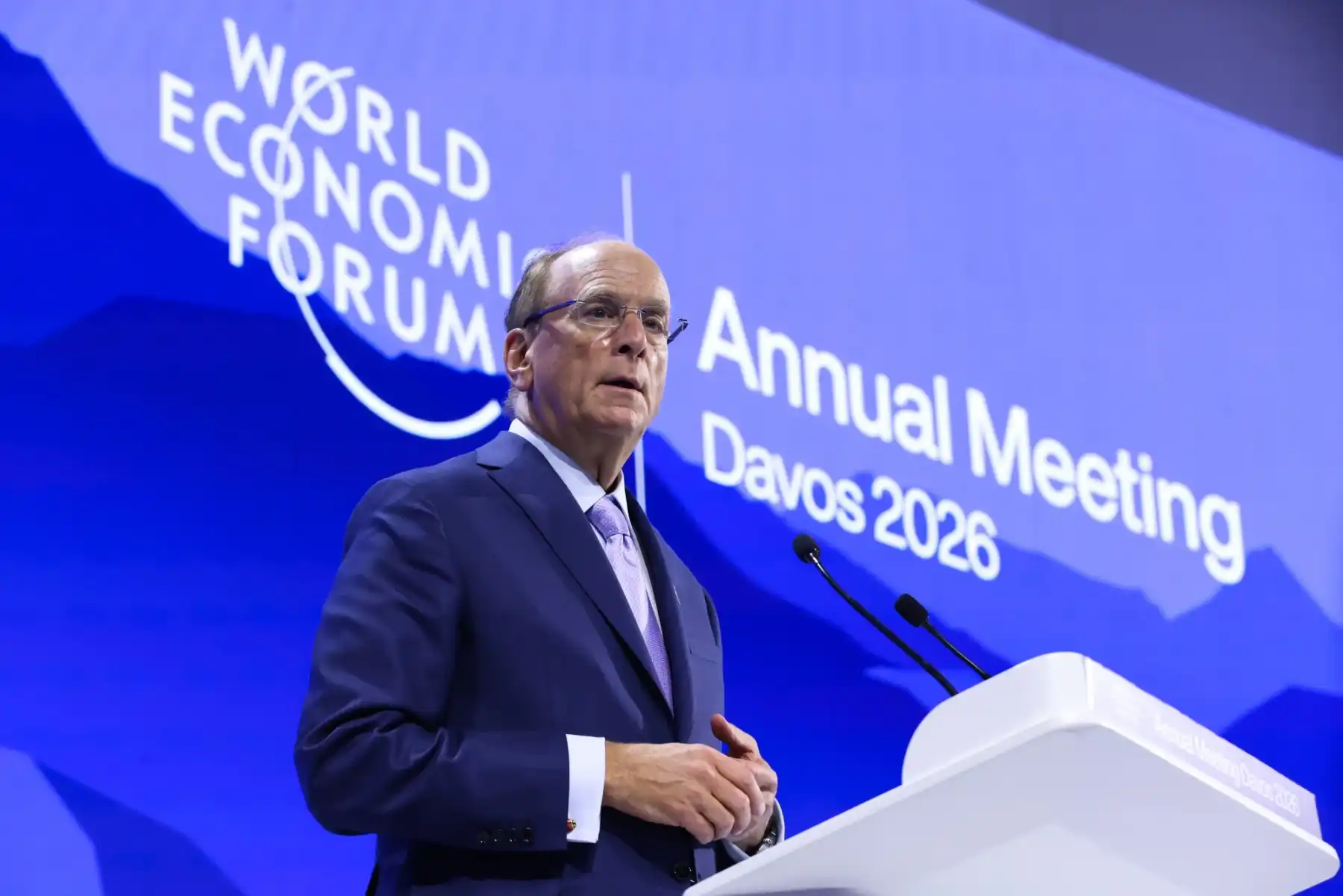
El CEO de BlackRock, Larry Fink, cree que la tokenización es el futuro del sistema financiero, y todo el sistema financiero debería migrar lo antes posible a "un blockchain común" (Garrett Jin dijo que este blockchain se refiere a Ethereum) para lograr una transferencia de activos sin problemas. La tokenización resolverá problemas de liquidez, reducirá costos y hará que los activos fluyan de manera más eficiente entre fondos del mercado monetario. Las criptomonedas y la tokenización se han convertido en temas que impulsan el mercado, y BlackRock las ve como una infraestructura de nivel institucional.
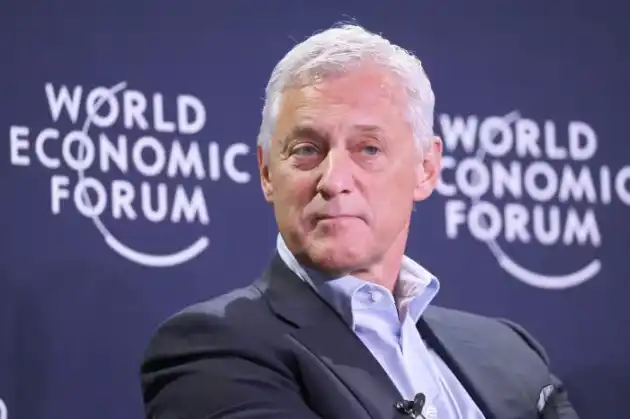
El CEO del grupo Standard Chartered Bank, Bill Winters, dijo que la tokenización y las stablecoins traerán avances en la entrega financiera global, incluida la reducción de los costos de transacción y la mejora de la eficiencia de los pagos transfronterizos. La fusión de la banca tradicional con blockchain se ha convertido en una realidad, y las stablecoins se han convertido en el primer caso de uso verdaderamente universal de blockchain.
Otras grandes firmas financieras tradicionales que participaron en las mesas redondas de la sala principal también expresaron en su mayoría su reconocimiento del potencial de la tokenización, los activos digitales y el dinero programable para remodelar las capacidades financieras, pero también consideraron que los bancos deberían colaborar con blockchain en lugar de oponerse.







