L1 Native Tokens' Final 'Monetary Premium' Is Collapsing!

比推Publicado a 2025-12-08Actualizado a 2025-12-08

Resumen

The monetary premium on Layer 1 (L1) native tokens is rapidly fading as stablecoins increasingly dominate as the preferred medium of exchange (MoE) in on-chain economies. While L1 valuations historically incorporated a monetary premium derived from their use as a store of value (SoV) or MoE, data shows a clear shift. On Ethereum, ETH is no longer the primary MoE; stablecoins like USDC and USDT now lead in on-chain transaction volume and top Uniswap pools. A similar trend is observed on L2s like Arbitrum. On Solana, SOL remains the primary MoE due to platforms like Pumpfun and Raydium using it as a quote currency, but USDC is gaining significant traction, especially with new launchpads like MetaDAO adopting it as the default pairing asset. On BNB Chain, USDT has overtaken BNB in trading volume, which had previously been the dominant MoE. The author argues that the market has chosen stablecoins as the superior on-chain MoE. Attempts by ecosystems to enforce their native token as a quote currency add friction and costs for users with minimal price impact. Improved on-chain UX and liquidity are reducing the historical necessity of using volatile native tokens for transactions. The next wave of users will likely use stablecoins, not native tokens, for everyday exchange, further eroding this monetary premium.

Author: Silvio (@SilvioBusonero)

Original Title: The monetary premium on L1s is fading

Compiled and Edited by: BitpushNews


The valuation of L1 blockchains is a comprehensive reflection of multiple factors: including cultural narrative (Memetics), network fees, security, and the development of upper-layer applications. Among these, the most underestimated is the so-called "Monetary Premium".

The monetary premium stems from the demand of market participants to use assets as a Store of Value (SoV) or a Medium of Exchange (MoE).

  • Store of Value is directly related to the robustness (lindiness) and degree of decentralization of an asset, so it is not an easy market entry strategy.

  • In contrast, acting as a Medium of Exchange may be easier to achieve. Tokens can serve as the primary method for value exchange and measurement within the blockchain economy.
This is similar to the role of tokens in the Web2 economy:

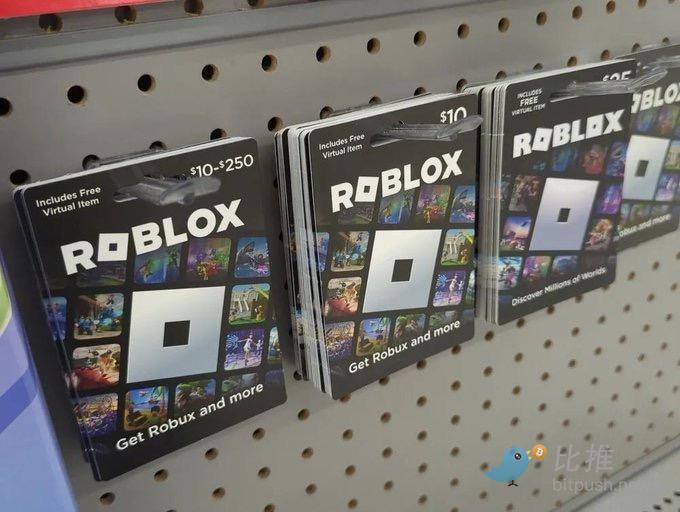
  • Roblox's in-game token Robux, has strong exchange value.

  • When Meme coins started to grow, people bought SOL to enter and exit Meme trades. As SOL was the default currency on Pump platforms, most traders did not convert assets back to dollars but kept some SOL ready to "ape". A similar situation occurred with ETH during the 2021 NFT boom. A large number of users began using the native asset for transactions, effectively creating the utility of a Medium of Exchange (MoE).

Does the Premium Still Exist?

The answer is: No, this premium is rapidly disappearing. Users are increasingly inclined to use stablecoins for transactions.

Ethereum — Stablecoins Have Become the Medium of Exchange

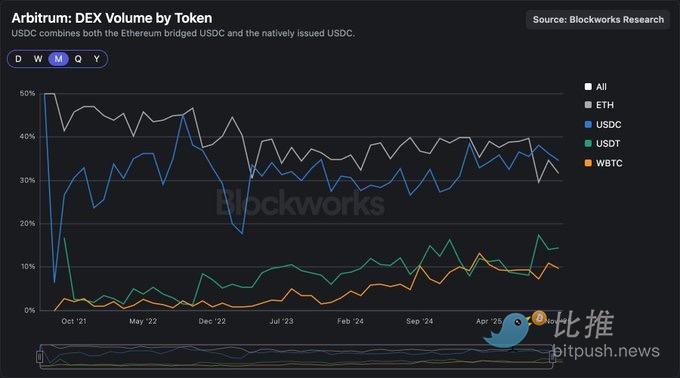
  • Judging from the on-chain transaction volume of mainstream tokens, Ethereum's native token ETH is no longer the primary medium of exchange it once was.

  • ETH's dominance as an MoE is declining, while USDC and USDT are rising in popularity on transaction volume charts and in top Uniswap liquidity pools.

The situation is similar for L2s like Arbitrum.
Solana — SOL Maintains the Lead, but USDC is Catching Up
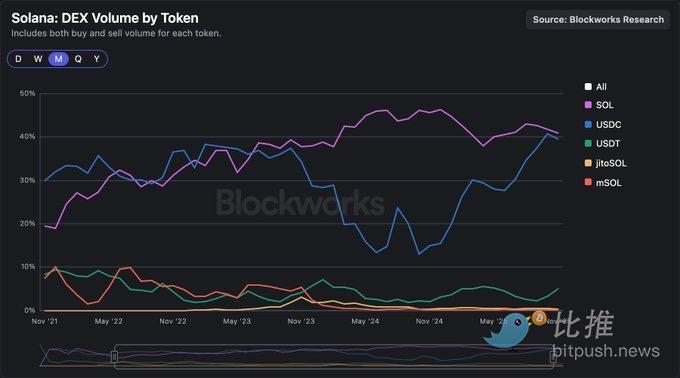
  • SOL remains the primary medium of exchange and the highest volume asset on Solana (but USDC is catching up). This is mainly because platforms like Pumpfun and Raydium tend to use SOL as the quote currency, while other platforms (like Meteora) have a mixed situation.

  • However, new launch platforms like MetaDAO are setting USDC as the default paired trading asset.

BNB and USDT Go Hand in Hand
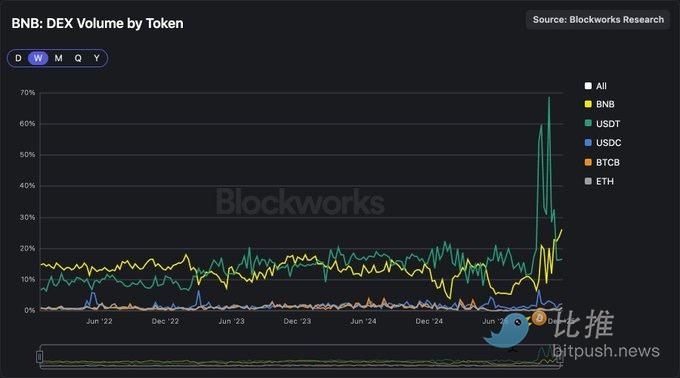
  • From 2021 to 2022, BNB absolutely dominated the role of medium of exchange, but then USDT gained market share and surpassed BNB.

The Market Has Chosen the Medium of Exchange — And It's Stablecoins

There is no such thing as "Onchain Legal Tender" in the on-chain market.

Some projects use a "quote asset" strategy, making their native token the medium of exchange, such as Zora and Virtuals. But in reality, this increases transaction costs for both users and projects, while having minimal impact on the token price itself. Ecosystem tokens can attempt a similar strategy through asset issuance platforms, i.e., requiring quotes in a specific token, but this may not be worth it.

The user experience (UX) and liquidity of the on-chain market are improving: the past monetary premium was also partly due to a lack of alternatives and lower liquidity.

The next batch of billions of users will use the same medium of exchange as in real life (USDC, Euros, etc.).


Twitter:https://twitter.com/BitpushNewsCN

Bitpush TG Discussion Group:https://t.me/BitPushCommunity

Bitpush TG Subscription: https://t.me/bitpush

Original article link:https://www.bitpush.news/articles/7594034

Preguntas relacionadas

QWhat is the 'monetary premium' in the context of L1 blockchains, and what two primary needs does it stem from?

AThe 'monetary premium' refers to the portion of an L1 blockchain's valuation that comes from its use as a form of money. It stems from the market's need to use the asset as a Store of Value (SoV) and as a Medium of Exchange (MoE).

QAccording to the article, which type of asset are users increasingly preferring to use for on-chain transactions instead of native L1 tokens?

AUsers are increasingly preferring to use stablecoins, such as USDC and USDT, for on-chain transactions instead of native L1 tokens like ETH or SOL.

QOn the Solana blockchain, what is a key reason why SOL remains a primary medium of exchange, and what new trend is challenging this?

ASOL remains a primary medium of exchange on Solana largely because platforms like Pumpfun and Raydium use it as the default quote currency. However, this is being challenged by new launch platforms, such as MetaDAO, which are setting USDC as the default trading pair.

QThe article states that the monetary premium is 'fading'. What two reasons are given for the past existence of this premium?

AThe past existence of the monetary premium was partly due to a lack of other options for users and lower liquidity on-chain. The improving user experience (UX) and liquidity in on-chain markets are contributing to its decline.

QWhat does the author suggest about the next billion users entering the crypto space regarding their preferred medium of exchange?

AThe author suggests that the next billion users will use the same mediums of exchange they use in real life, such as USDC or the Euro, rather than the native tokens of L1 blockchains.

Lecturas Relacionadas

Tras el éxito de DeepSeek V4: Silicon Valley 'construye muros', China 'construye caminos'

El reciente lanzamiento de DeepSeek V4 y Kimi K2.6 destaca la creciente competencia en IA entre China y Silicon Valley. Mientras empresas estadounidenses como OpenAI y Anthropic se enfrascan en una lucha cerrada y competitiva por el dominio del mercado con modelos privativos, China está adoptando un enfoque colaborativo y de código abierto. DeepSeek V4, que encabeza la lista de modelos abiertos de Hugging Face, introduce avances significativos, como una capacidad de contexto ultra-larga y una optimización en el uso de memoria, además de una adaptación específica para chips chinos como los de Huawei y Cambricon. En lugar de competir agresivamente, empresas chinas como DeepSeek y Moonlight (creadora de Kimi) comparten abiertamente avances técnicos, como la arquitectura MLA y el optimizador Muon, lo que acelera la innovación y reduce costos. Este modelo colaborativo ha permitido a China desarrollar sistemas de IA avanzados con una fracción del costo de entrenamiento de sus contrapartes occidentales, al tiempo que impulsa la adopción de hardware local. Aunque los ingresos y valoraciones de las empresas chinas aún son inferiores a las de EE.UU., el crecimiento en el consumo de tokens y la eficiencia en costes sugieren un fuerte potencial a largo plazo. Mientras Silicon Valley levanta "muros" tecnológicos, China está "construyendo caminos" abiertos que podrían redefinir el futuro de la IA global.

marsbitHace 35 min(s)

Tras el éxito de DeepSeek V4: Silicon Valley 'construye muros', China 'construye caminos'

marsbitHace 35 min(s)

Google y Amazon invierten simultáneamente en un competidor: la lógica empresarial más absurda de la era de la IA se está haciendo realidad

En 4 días, Amazon y Google invirtieron 65.000 millones de dólares en Anthropic, la startup de IA detrás del modelo Claude. Aunque son competidores directos en la nube, ambos apuestan por la misma empresa. La razón: no se trata de una inversión tradicional, sino de un acuerdo de prepago de capacidad computacional. Anthropic debe gastar el dinero en los servicios en la nube y chips de sus inversores, con compromisos que superan los 100.000 millones en AWS y 5 gigavatios de potencia en Google Cloud. El mercado de la nube ha cambiado: ahora las empresas eligen proveedores según los modelos de IA disponibles, no solo por precio o estabilidad. Con Microsoft vinculado a OpenAI, Anthropic se convirtió en el único activo estratégico disponible para Google y Amazon. Su ingreso anual recurrente (ARR) alcanzó 30.000 millones de dólares, confirmando su posición en el mercado empresarial. Pero hay riesgos: Anthropic podría perder independencia al tener dos competidores como accionistas, su narrativa de seguridad se ve presionada tras controversias con Claude Mythos, y su futura salida a bolsa plantea dudas sobre su sostenibilidad. A diferencia de EE.UU., donde predominan los modelos cerrados, China ve un camino alternativo con compañías como DeepSeek y su modelo de código abierto, aunque persisten dinámicas de cerradura entre nube y modelo. La inversión de Alibaba y Tencent en DeepSeek parece más una apuesta estratégica que un acuerdo de prepago de capacidad. En resumen, los 65.000 millones no son una apuesta por el valor de Anthropic, sino una entrada al juego de la IA para no quedarse atrás.

marsbitHace 6 hora(s)

Google y Amazon invierten simultáneamente en un competidor: la lógica empresarial más absurda de la era de la IA se está haciendo realidad

marsbitHace 6 hora(s)

Trading

Spot
Futuros
活动图片





