Surprise Lasted Only Hours! Apple AI for China Version Suddenly Launched and Then Withdrawn, No Official Release Plan Yet

marsbitPublished on 2026-03-31Last updated on 2026-03-31

Abstract

Apple Intelligence, Apple's generative AI service, experienced an unexpected and brief beta launch for the Chinese market in the early hours of March 31, 2026. The service, which included a new Siri interface and features like photo object removal, AI-generated emojis, real-time translation, and visual intelligence tools, became active on some devices running iOS 26.4 or later. However, many users reported unstable activation and issues with key functions, particularly the GPT extension plugin. According to Bloomberg's Mark Gurman, this activation was unplanned. He reported that while the technology had been ready for months, Apple had not yet received final approval from Chinese regulators and had no official release plan for the region. The launch was deemed an accident, inconsistent with Apple’s typical product rollout strategy for a major market like China. A key piece of evidence was the inclusion of a Google reverse image search feature, which is inaccessible within the country. Apple has since taken the service offline, with users no longer able to download it from their settings. The incident highlights the significant compliance challenges and technical complexities global tech companies face when deploying AI services in China.

At 3:31 AM Beijing time on March 31, 2026, the beta version of Apple's generative AI service, Apple Intelligence, was activated in batches on some devices that had been upgraded to iOS 26.4 or above in China. Although this feature brought a brand-new Siri interface and covered core collaboration tools such as photo erasure, smart emoji, real-time translation, and visual intelligence, a large number of users reported that the activation process was unstable, and the critical GPT extension plugin could not function properly.
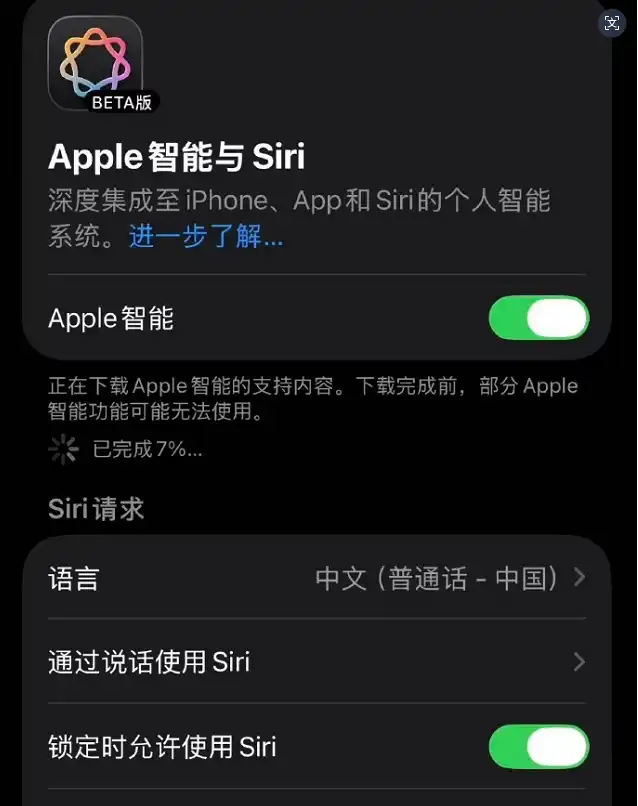
However, this highly anticipated launch was subsequently suggested to possibly be an "accident." According to veteran Bloomberg reporter Mark Gurman's latest report, the activation of Apple Intelligence in China was an unplanned and accidental launch. Gurman pointed out that although the relevant features have been technically ready for months, Apple has not yet obtained final approval from Chinese regulatory authorities, and there is currently no clear near-term release schedule. This incident is also unrelated to the ongoing iOS 26.5 testing cycle.
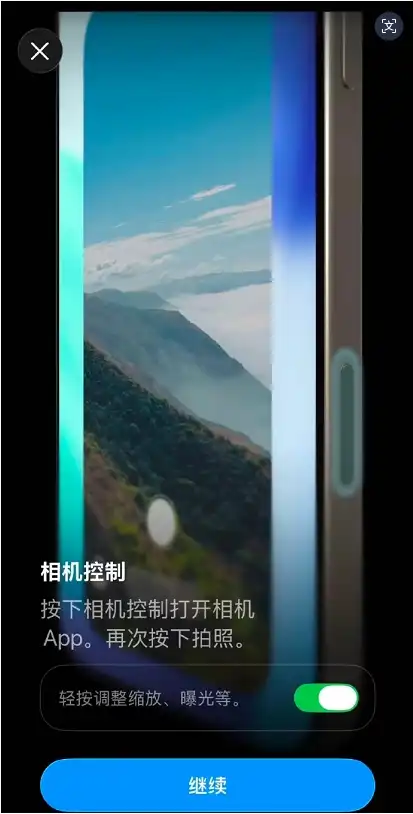
Signs supporting the "accident theory" are quite evident: First, Apple rarely releases major features in a strategic market like China without an official announcement; second, a launch in the early morning does not align with its usual product release rhythm; the most critical evidence is that the Google Reverse Image Search function included in this test version cannot connect properly within China.

Currently, Apple has taken emergency measures to take it offline. Many users have reported that after clicking download in the "Apple Intelligence and Siri" settings, the progress bar no longer appears. This incident once again highlights the compliance challenges and technical adaptation complexities faced by top-tier terminal manufacturers when deploying AI services in China.


Trending Cryptos

Related Questions

QWhat is the name of Apple's generative AI service mentioned in the article, and what was the issue with its release in China?

AThe service is called 'Apple Intelligence'. The issue was that its beta version was unexpectedly and non-programmatically activated for some users in China, only to be taken down hours later as it was not yet approved by Chinese regulators.

QAccording to Bloomberg's Mark Gurman, why was the activation of Apple Intelligence in China considered an 'accidental launch'?

AMark Gurman stated that the activation was a 'non-planned, accidental launch' because although the feature was technically ready, Apple had not yet obtained final approval from Chinese regulators and had no clear near-term release plan.

QWhat were some of the key features of the Apple Intelligence beta that became available?

AThe key features included a new Siri interface, photo object removal, smart emoji creation, real-time translation, and visual intelligence tools.

QWhat specific technical issue did users encounter with the beta version, indicating it was not fully functional in China?

AA critical issue was that the GPT extension plugin could not be used normally, and the Google reverse image search feature included in the beta could not connect properly within China.

QWhat action did Apple take after the accidental launch was identified?

AApple urgently took the service offline. Many reported that the download progress bar would no longer appear when attempting to access the 'Apple Intelligence and Siri' settings.

Related Reads

Football Draw Harvests Whales: Extreme Profit-Loss Divergence on Polymarket's World Cup

A bettor known as "fishalive" made a stunning profit of nearly $9 million on the Polymarket prediction platform by correctly wagering against favorites during the 2026 FIFA World Cup group stage. The account, registered just before the tournament, risked roughly $400,000 on two contracts for a Spain vs. Cape Verde match: one that Spain would *not* win, and another on a Cape Verde +2.5 goal handicap. The resulting 0-0 draw triggered both payouts. This single event, with a total market volume of $64 million, highlighted extreme profit-and-loss divergence. Other traders, like "betoor619" and "leeeeroyjenkins," lost millions by betting heavily on favorites Spain and Belgium to win outright—contracts that become worthless in a draw. The article explains that while markets heavily favored strong teams, the "team to win" contracts are binary and do not account for the common outcome of a draw. This creates high-risk, low-reward scenarios for favorite backers, while asymmetric profits flow to those betting on underdogs or against outright wins. The transparency of Polymarket's on-chain ledger publicly documents these massive wins and losses, driving mainstream media coverage. As the tournament progresses, the author suggests traders may shift towards hedging strategies that account for draws. The piece also notes growing regulatory scrutiny in the US and Europe, questioning whether such large-scale, anonymous sports prediction markets should be regulated as gambling or financial derivatives.

Foresight News2m ago

Football Draw Harvests Whales: Extreme Profit-Loss Divergence on Polymarket's World Cup

Foresight News2m ago

ChatGPT Loses Half Its Market: From Monopoly to Shared Market in Three and a Half Years

In a landmark shift three and a half years after its debut, ChatGPT's global market share in the AI assistant market has fallen below 50% for the first time, dropping to 46.4% as of May 2026. This signals the end of its initial dominance, with the market now diversifying among competitors like Gemini (27.7%) and Claude (10.3%). The report from Sensor Tower indicates the AI assistant landscape has matured from a phase of awe and experimentation into one of product comparison, ecosystem integration, and monetization. Users are increasingly pragmatic, readily switching between assistants based on specific use cases, brand trust, and value propositions. The industry is moving past the "free lunch" era, with users demonstrating a willingness to pay for premium features, driving significant in-app expenditure. Major players are adopting varied monetization strategies: Claude boasts a high subscription conversion rate, while ChatGPT is increasingly testing ads and shopping integrations to complement its subscription revenue. However, this growth comes with immense costs, as exemplified by OpenAI's soaring cash burn for model training and infrastructure. While ChatGPT remains the largest single player, its declining share symbolizes a broader normalization of AI. The technology is no longer a novelty but an integral, scrutinized part of daily digital life, judged on practical utility, price, and seamless integration. The battle has shifted from proving AI's potential to competing in a crowded field where no single product holds a permanent monopoly.

marsbit13m ago

ChatGPT Loses Half Its Market: From Monopoly to Shared Market in Three and a Half Years

marsbit13m ago

Trading

Spot
Futures

Hot Articles

Discussions

Welcome to the HTX Community. Here, you can stay informed about the latest platform developments and gain access to professional market insights. Users' opinions on the price of AI (AI) are presented below.

活动图片