OpenAI Resmi Mengajarkan 8 Jurus Menguasai ChatGPT

marsbitPublished on 2026-07-16Last updated on 2026-07-16

Abstract

OpenAI secara resmi merilis panduan terbaru tentang teknik penulisan _prompt_ untuk mengoptimalkan penggunaan ChatGPT. Berikut 8 strategi utama yang dapat membuat ChatGPT lebih patuh dan menghasilkan konten yang akurat: 1. **Gunakan Model Terbaru**: Untuk hasil terbaik, disarankan menggunakan model terbaru OpenAI, seperti GPT-5.6 Sol. 2. **Berikan Instruksi yang Spesifik dan Detail**: Jangan berikan perintah yang umum. Jelaskan dengan jelas tujuan, panjang konten, format, gaya, dan elemen lain yang diinginkan. 3. **Struktur Prompt yang Jelas**: Letakkan intruksi utama di bagian depan prompt dan gunakan pemisah seperti `###` atau `"""` untuk memisahkan instruksi dengan teks yang akan diproses. 4. **Berikan Contoh dan Penjelasan Format**: Berikan contoh atau penjelasan tentang format output yang diharapkan agar AI memahami dengan lebih baik. 5. **Mulai dari Zero-shot, lalu Few-shot, dan Fine-tuning**: Coba dulu dengan instruksi dasar (zero-shot). Jika perlu, berikan beberapa contoh (few-shot). Untuk tugas yang sangat khusus, pertimbangkan fine-tuning dengan dataset yang besar. 6. **Hindari Deskripsi yang Samar atau Tidak Tepat**: Gunakan parameter yang terukur (misal: "3-5 kalimat") alih-alih instruksi seperti "beberapa kalimat" atau "singkat saja". 7. **Jangan Hanya Melarang, Tapi Juga Beri Arahan Positif**: Selain mengatakan apa yang tidak boleh dilakukan, beritahu juga apa yang seharusnya dilakukan oleh AI. 8. **Gunakan "Kata Pemandu" untuk Generasi Kode**: Saat mem...

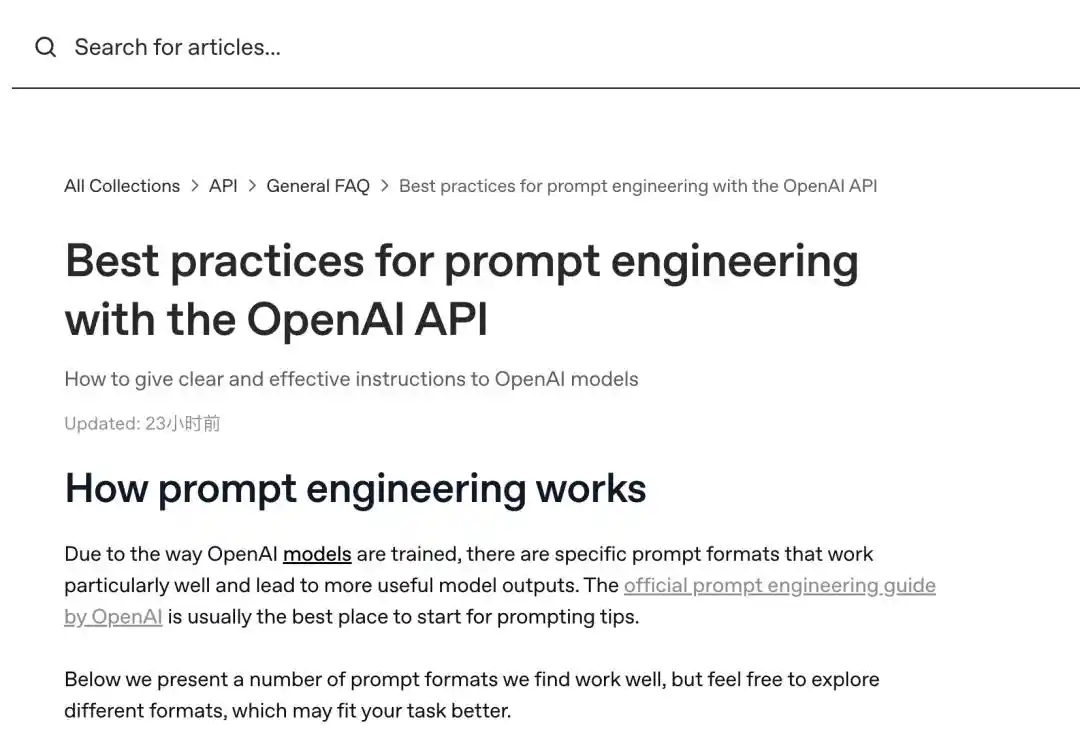
Hei, ada berita penting! Panduan terbaru prompt dari OpenAI telah diperbarui!
Jika Anda belum bisa menjinakkan ChatGPT,

atau masih kesulitan dengan jawabannya yang semakin berantakan seperti gulungan benang,

maka panduan prompt terbaru dari OpenAI hari ini, harus Anda simpan dengan baik!

Kami tidak hanya merangkum delapan tips kecil untuk membuat ChatGPT Anda patuh dan menghasilkan konten yang akurat dari situs web resmi;

kami juga mengajarkan Anda menggunakan fitur "Generate Anything" resmi, agar AI secara otomatis membantu Anda menulis serangkaian instruksi yang profesional dan mudah digunakan, sehingga Anda tidak perlu lagi menderita mendesain prompt.

Mari kita lihat!

Pertama, gunakan GPT-5.6 Sol sebisa mungkin

Untuk mendapatkan hasil terbaik, silakan bagi teman-teman yang memiliki akses untuk beralih secara manual ke model terbaru dan terkuat OpenAI saat ini, yaitu GPT-5.6 Sol. (Model yang lebih baru biasanya lebih mudah untuk mengeksekusi teknik prompt.)

Harap jelaskan efek yang Anda inginkan secara spesifik dalam instruksi

Saat menggunakan ChatGPT, Anda dapat menganggap model ini sebagai asisten pribadi yang berkualitas tetapi memerlukan instruksi yang jelas sebelumnya. Jelaskan satu per satu dengan jelas: konten, hasil, jumlah kata, format, gaya, dll. yang Anda inginkan.

Perhatian, jangan berikan instruksi yang terlalu umum~

Kalau tidak, yang akan berjuang di tepi pekerjaan ulang dan lelah mati-matian adalah Anda (doge).

Instruksi acak:

"Tulis puisi tentang OpenAI."

Instruksi yang jelas:

Buatlah puisi motivasi singkat tentang OpenAI, berfokus pada peluncuran produk DALL-E baru-baru ini (DALL-E adalah model machine learning yang menghasilkan gambar dari teks), dengan meniru gaya penulisan {nama penyair terkenal}.

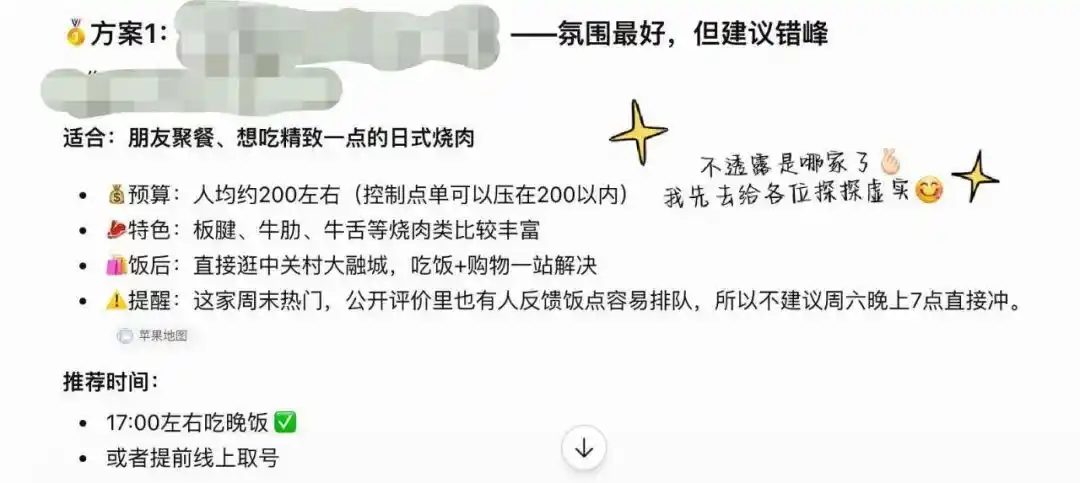
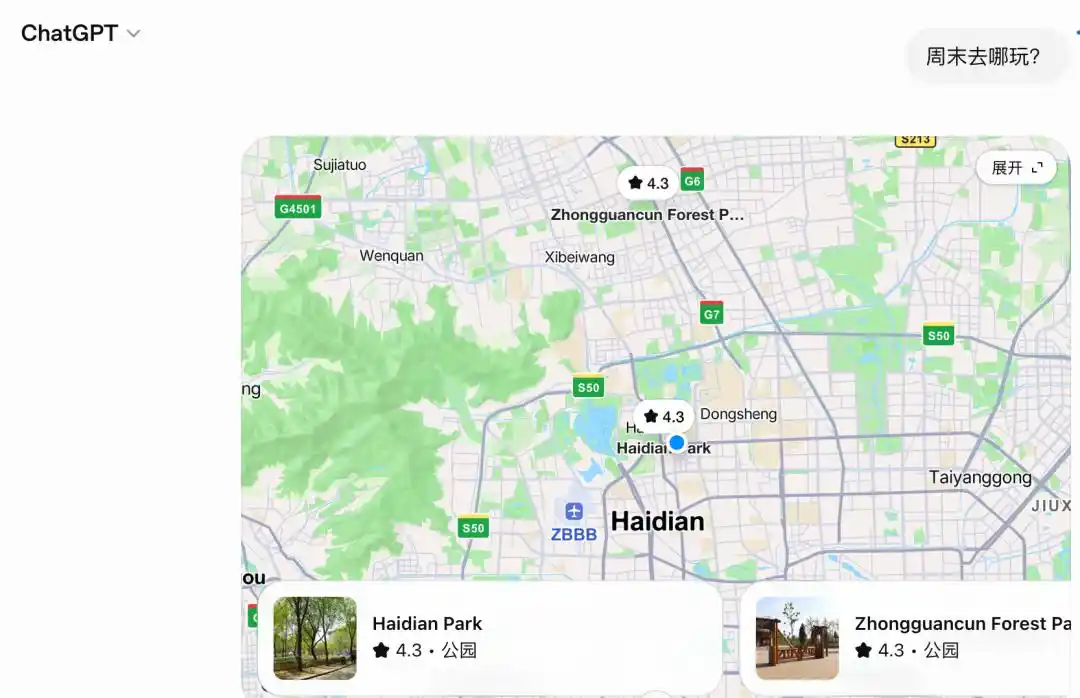
Misalnya, saya ingin AI membantu saya merencanakan liburan akhir pekan ke mana.

Saya harus memberikan target yang jelas, agar AI tahu apakah saya ingin berolahraga, mengunjungi tempat wisata, melihat pameran, atau mencari kuliner. Kalau tidak, Anda harus mengulang berkali-kali, dan semangat akan terkikis dalam prosesnya.

Contoh buruk ❌:
Sekarang benar ✅:

Teknik optimisasi prompt: Instruksi di depan + Gunakan pemisah yang tepat untuk mengisolasi konteks

Kedua, saat menggunakan, letakkan permintaan inti di paling depan (atau baris pertama) prompt, dan gunakan pemisah yang direkomendasikan oleh OpenAI yaitu "###" atau """"" untuk membedakan dengan jelas antara "instruksi" dan "teks yang akan diproses":

❌ Dicampur TIDAK TIDAK TIDAK:

Rangkum poin-poin inti dari teks berikut ke dalam daftar poin-poin.

{Masukkan teks di sini}

Jelas terpisah YA YA YA:
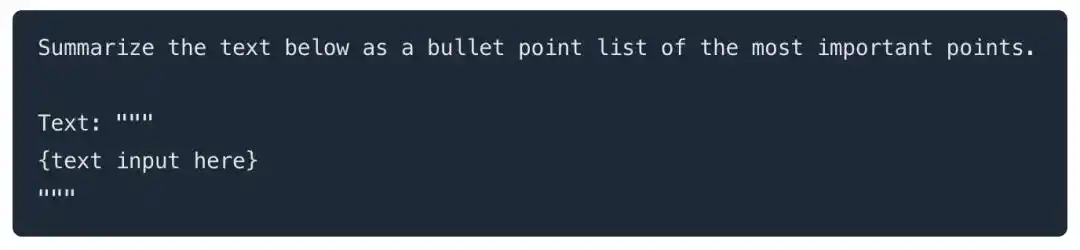
Rangkum poin-poin inti dari teks berikut ke dalam daftar poin-poin. Teks: """{Masukkan teks di sini}"""

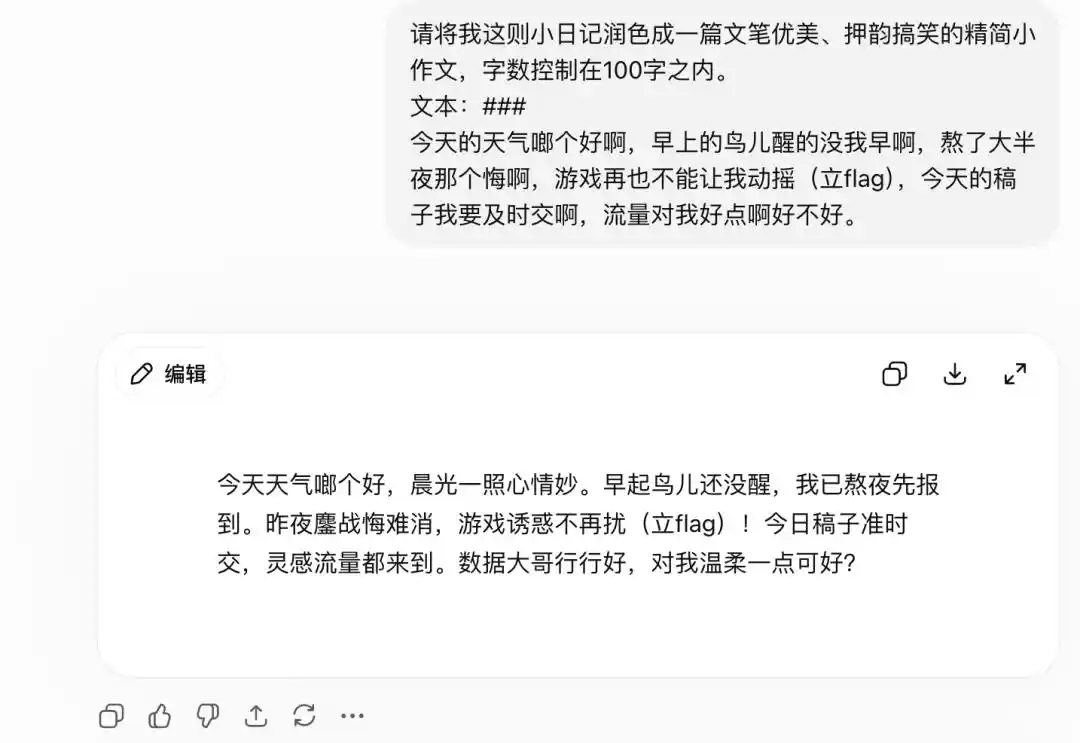
Struktur ini dapat secara efektif meningkatkan pemahaman model terhadap tugas. Misalnya, saya menggunakannya untuk mengoptimalkan esai singkat berima (ditulis sembarangan, dan hanya menggunakan pemisah resmi "###" sekali di depan teks), dan itu benar-benar berhasil, saya sangat puas:
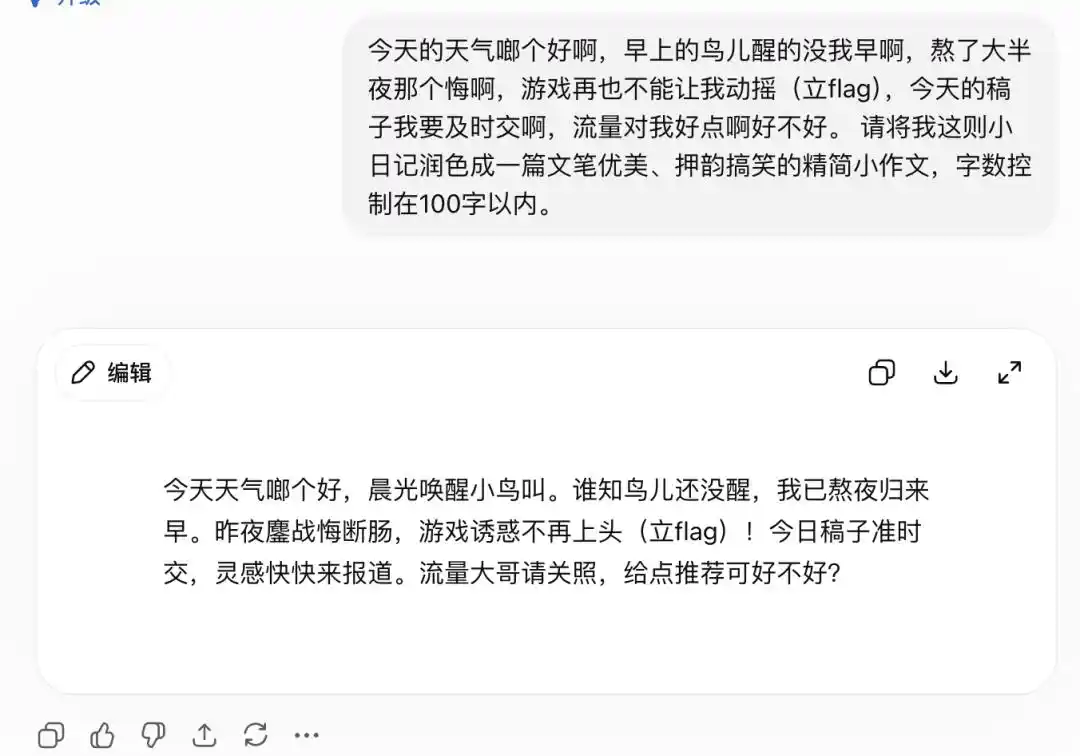
Sebelum menggunakan format ini, output ChatGPT selalu kurang memuaskan 🤔:
Namun perlu diperhatikan, yang saya gunakan untuk pengujian hanyalah tugas yang sangat sederhana. Saat Anda mempraktikkannya, sebaiknya gunakan format lengkap yang diberikan oleh OpenAI~

Beri contoh dan penjelasan, agar OpenAI paham format yang Anda inginkan

Misalnya, saya ingin membuat stiker meme. Saya sebaiknya memberikannya referensi dan penjelasan terlebih dahulu, agar ia paham jenis slogan seperti apa yang ingin saya tambahkan, di mana meletakkannya, dan efek seperti apa yang saya inginkan. Dengan demikian, ChatGPT akan menyelesaikan tugas dengan lebih baik dan merespons lebih cepat:

Ambil contoh proses pembuatan salah satu stiker meme di artikel ini, jangan biarkan ia berkreasi bebas, akan gelap mata ❌:
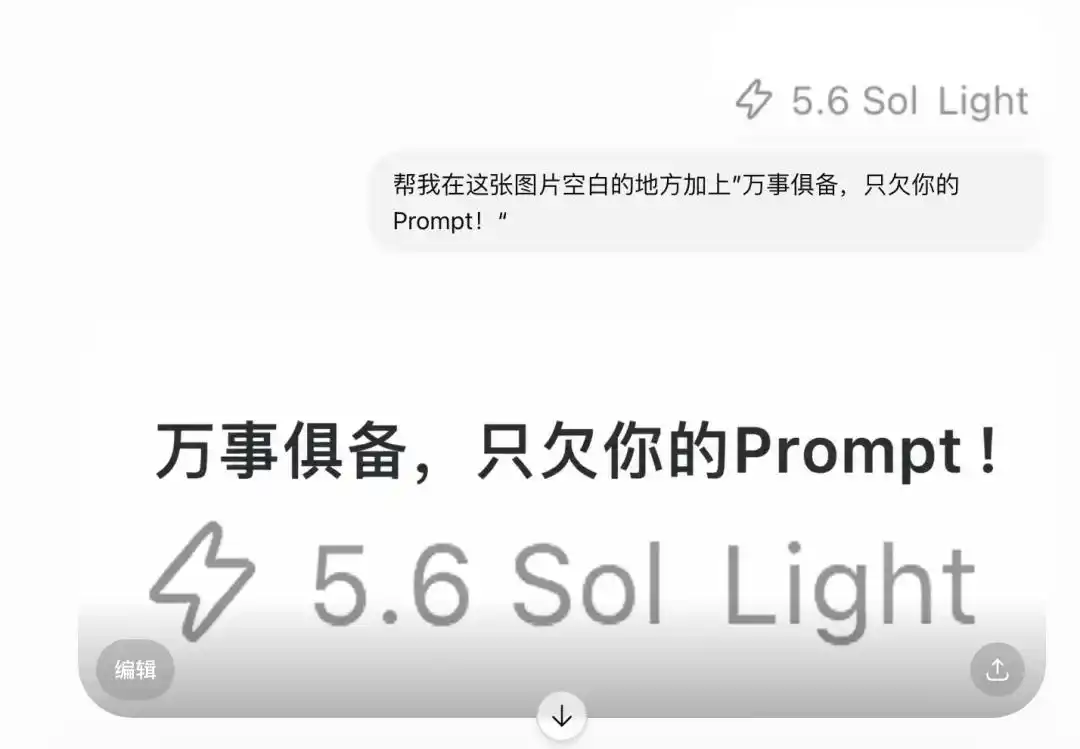
Jelaskan dengan jelas, dan berikan referensi ✅:
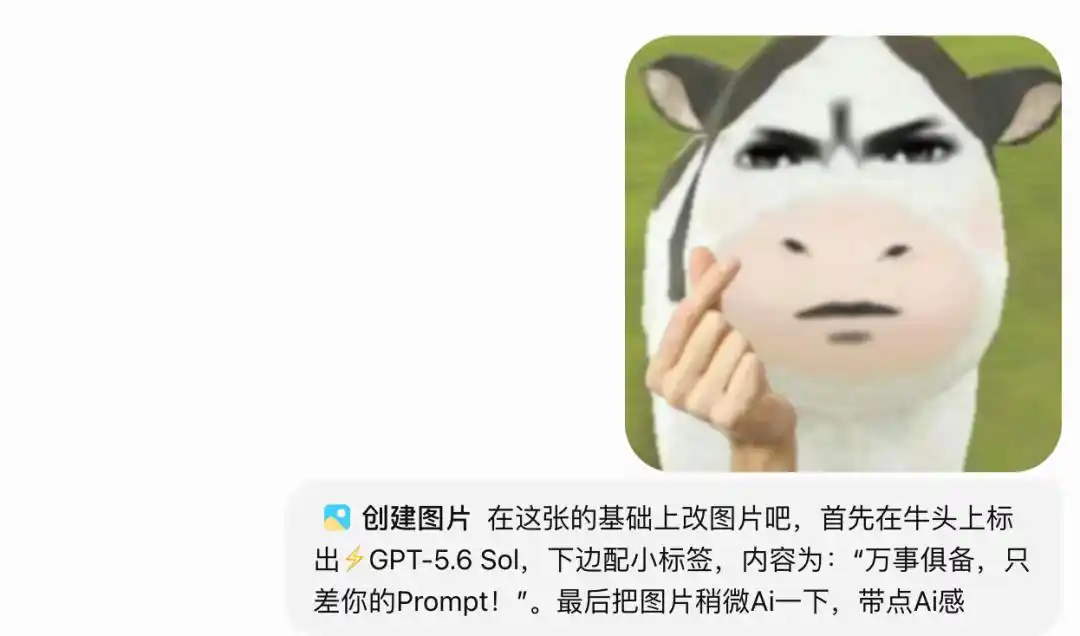
Mulailah dari zero-shot, lalu pertimbangkan menambah sedikit sampel, baru setelah itu pertimbangkan fine-tuning data

Saat melakukan tugas, Anda juga tidak perlu langsung membombardir AI dengan semua data;

Anda bisa memberikan satu instruksi terlebih dahulu, lihat bagaimana hasilnya;

kemudian, berdasarkan kekurangannya, berikan sedikit contoh.

Jika sampai langkah ini masih belum berhasil, Anda bisa mempersiapkan pekerjaan 'membujuk'-nya — berikan sejumlah besar contoh yang benar kepada model, latih ia, dan bekukan kemampuan ini ke dalam parameter model.

Mari lihat contohnya👇:

Zero-shot
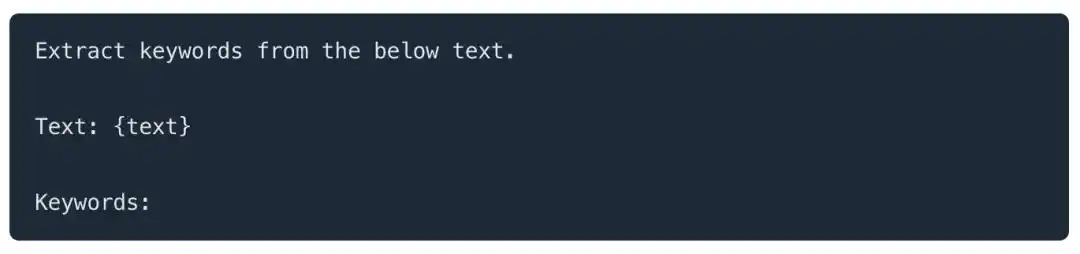
Ekstrak kata kunci dari teks berikut

Teks: {isi teks}

Kata kunci:

Few-shot - berikan beberapa contoh
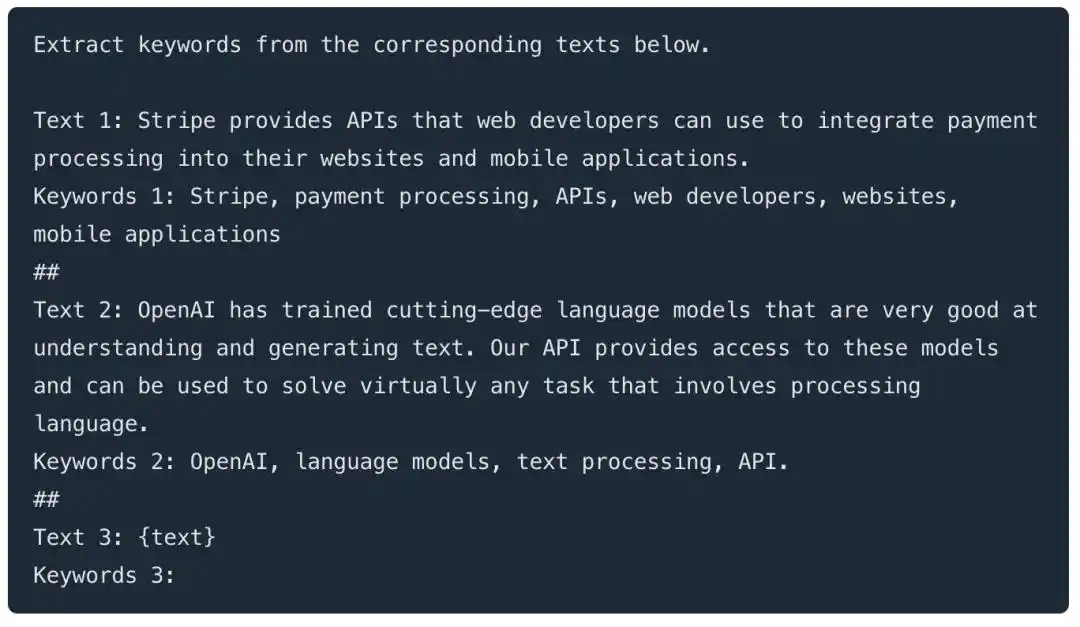
Ekstrak kata kunci dari teks yang sesuai berikut.

Teks1: Stripe menyediakan antarmuka API, memungkinkan pengembang web untuk mengintegrasikan fungsionalitas pemrosesan pembayaran ke dalam situs web dan aplikasi seluler. Kata kunci1: Stripe, pemrosesan pembayaran, antarmuka API, pengembang web, situs web, aplikasi seluler##

Teks2: OpenAI melatih model bahasa mutakhir, yang berkinerja sangat baik dalam pemahaman dan generasi teks. API kami dapat memanggil model ini, hampir dapat menyelesaikan semua tugas yang melibatkan pemrosesan bahasa. Kata kunci2: OpenAI, model bahasa, pemrosesan teks, antarmuka API##

Teks3: {isi teks} Kata kunci3:

Fine-tune: lihat praktik terbaik fine-tuning di sini.

Kurangi deskripsi yang samar atau tidak tepat

Membeli buah di musim panas, 'tragedi' sebenarnya seringkali bukan membeli durian 'balas budi' yang harganya jelas;

melainkan tertipu oleh papan promosi di pinggir jalan, membeli 'kotak misteri' yang harganya terlihat murah, tetapi kualitasnya bergantung pada keberuntungan.

Karena terkadang, mahal ada alasannya. Saat membeli, harganya jelas, Anda tahu apa yang didapat, dan rasanya manis;

namun jika tertipu, meskipun timbangannya jujur, yang Anda dapatkan mungkin adalah buah dengan nilai yang samar, tanpa garansi, kualitasnya bergantung pada keberuntungan.

Bagi ChatGPT, prinsipnya sama persis — Anda perlu menggunakan instruksi yang tepat agar ia 'bekerja dengan mantap', bukan membuatnya menebak:

✅ ChatGPT: Ayo bekerja, kawan-kawan!

Gunakan teks 3-5 kalimat untuk mendeskripsikan produk ini.

❌ ChatGPT: Beberapa kalimat??(@#¥%&)

Deskripsi produk ini harus singkat, hanya beberapa kalimat saja, tidak perlu penjelasan tambahan.

Jangan hanya bilang 'jangan lakukan apa', tapi juga katakan 'harus bagaimana'

Banyak teman-teman saat menggunakan AI, mungkin terlalu khawatir AI menghasilkan hasil yang tidak diinginkan, jadi setelah mengatakan apa yang harus dilakukan, mereka akan cemas berulang kali mengingatkan 'jangan hapus konten kalimat pertama saya', 'jangan ubah makna aslinya', dan sebagainya.

Kekhawatiran seperti itu sangat wajar.

Hanya saja OpenAI ingin mengingatkan: Setelah mengatakan serangkaian 'jangan', Anda juga perlu memberi tahu ChatGPT apa yang harus dilakukan dan bagaimana melakukannya~

✅ Situasi seperti apa, apa yang harus saya lakukan:
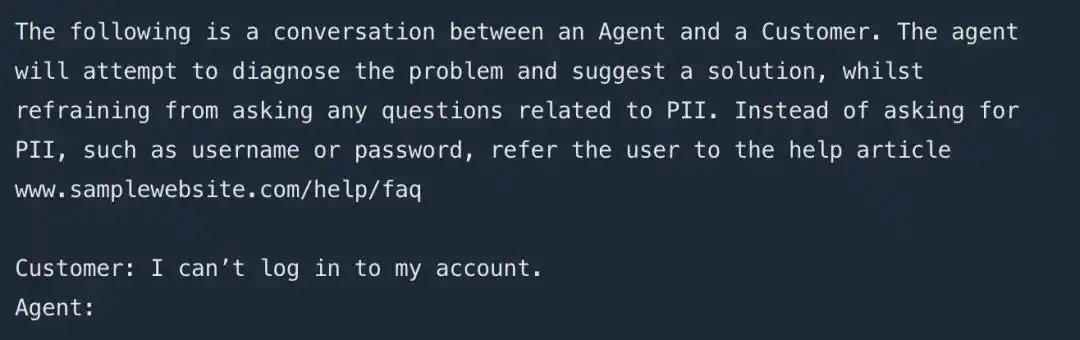
Latar belakang: Di bawah ini adalah dialog antara Agen dan pengguna. Agen perlu mencoba mengidentifikasi masalah dan memberikan solusi, sekaligus dilarang menanyakan informasi identitas pribadi (PII) apa pun. Jangan meminta nama pengguna, kata sandi, atau konten pribadi semacam itu, tetapi arahkan pengguna untuk melihat dokumen bantuan.

Pengguna: Saya tidak bisa masuk ke akun saya.

Agen: ...... (berikan jawaban)

AI: Terkadang merasa agak bingung:

Berikut adalah dialog antara Agen dan pengguna. Dilarang keras menanyakan nama pengguna atau kata sandi, dilarang mengulangi pernyataan.

Pengguna: Saya tidak dapat masuk ke akun saya.

Agen: ...... (berikan jawaban)

Teknik khusus untuk pembuatan kode: Gunakan "kata pengarah" untuk mendorong model mengikuti pola kode tertentu

Selain itu, ketika Anda memerlukan ChatGPT untuk membantu Anda membuat kode, cara yang benar adalah dengan menambahkan kata pengarah seperti "import", "SELECT" dengan jelas di awal konten.

Misalnya, menambahkan "import" akan mengisyaratkan model untuk mulai menulis kode Python;

Demikian pula, saat Anda menambahkan pernyataan "SELECT", OpenAI akan mengisyaratkan model untuk mulai menulis pernyataan SQL.

Jangan langsung melemparkan permintaan begitu saja kepadanya❌:

Tulis fungsi Python sederhana

Buat saya memasukkan nilai mil

Konversi mil ke kilometer

Melainkan ✅:
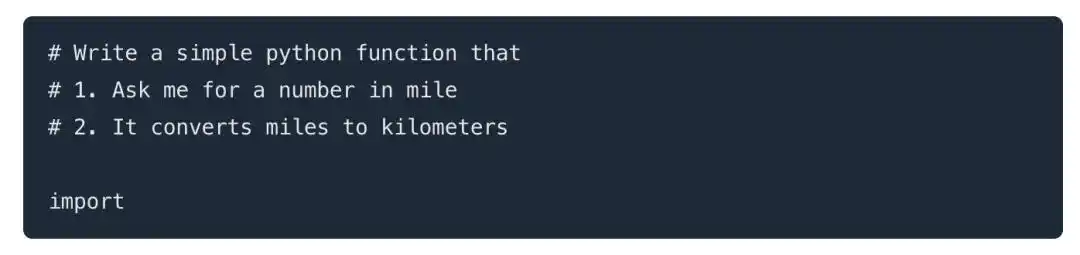
Tulis fungsi Python sederhana

Buat saya memasukkan nilai mil

Konversi mil ke kilometer

import (jangan lupa~)

Belajar menggunakan fitur "Generate Anything"

Jika setelah menguasai 8 teknik di atas, Anda masih merasa menulis prompt sulit, atau ingin lebih membebaskan tangan, maka fitur terakhir ini adalah jalan pintas terbaik Anda.

Dengan fitur "Generate Anything" yang baru diluncurkan oleh OpenAI, Anda hanya perlu menjelaskan dengan jelas apa yang ingin Anda lakukan dan bahwa Anda memerlukan prompt yang sesuai, maka GPT akan secara otomatis menghasilkan prompt yang paling tepat untuk Anda, membantu Anda mencapai tujuan tugas dengan mudah.

Misalnya menghilangkan orang yang tidak sengaja masuk dalam foto dan mempercantik gambar, atau membuat puisi lucu berdasarkan suasana hati saat ini...... GPT akan berusaha membantu Anda melakukannya. (Anda bisa mencobanya sendiri~)

Bagaimanapun, membaca teori saja tidak cukup, cepat bawa panduan ini, dan jinakkan ChatGPT Anda!

Atau jika Anda memiliki teknik prompt yang Anda kuasai, silakan bertanding di kolom komentar~~~

Artikel ini berasal dari akun WeChat "量子位" (ID:QbitAI), penulis: Perhatian Teknologi Terdepan

Trending Cryptos

Related Questions

QApa rekomendasi model GPT terbaru yang disebutkan dalam artikel untuk hasil terbaik saat menggunakan ChatGPT?

AModel yang direkomendasikan adalah GPT-5.6 Sol, yang merupakan model terbaru dan paling kuat dari OpenAI untuk kinerja optimal.

QSalah satu teknik yang disebutkan untuk meningkatkan pemahaman model tentang tugas adalah dengan menempatkan instruksi di mana dalam prompt?

AInstruksi inti harus ditempatkan di bagian paling depan (atau baris pertama) dari prompt, dan menggunakan pemisah resmi seperti "###" atau """" untuk memisahkan instruksi dari teks yang akan diproses.

QApa yang dimaksud dengan pendekatan 'zero-shot' dalam konteks memberikan instruksi kepada ChatGPT?

APendekatan 'zero-shot' berarti memberikan instruksi kepada model tanpa memberikan contoh apa pun terlebih dahulu, dan melihat kinerjanya sebelum menambahkan sampel jika diperlukan.

QMengapa penting untuk menghindari deskripsi yang tidak jelas atau tidak tepat saat memberikan instruksi kepada ChatGPT?

AInstruksi yang tidak jelas dapat membuat model bingung dan menghasilkan respons yang tidak diinginkan. Instruksi yang tepat membantu model memahami tugas dengan lebih baik dan menghasilkan output yang lebih akurat.

QFitur apa yang disebutkan sebagai 'jalan pintas akhir' untuk menghasilkan prompt yang sesuai secara otomatis jika merasa kesulitan menulisnya?

AFitur tersebut adalah 'Generate Anything' dari OpenAI, yang dapat secara otomatis menghasilkan prompt yang tepat berdasarkan deskripsi tugas yang diberikan, membantu pengguna mencapai tujuan dengan lebih mudah.

Related Reads

On the First Day of Listing, Changxin Technology's Market Value Exceeds 3 Trillion Yuan, Which Securities Firm Has the Largest Floating Profit?

On July 27th, Changxin Technology, the largest-ever IPO on China's STAR Market, debuted with its share price soaring 465.82% to close at 49 yuan. Its market capitalization reached 3.28 trillion yuan, instantly making it the most valuable A-share company. The stellar performance delivered substantial gains for involved securities firms, primarily through equity investments rather than underwriting fees. China Merchants Securities emerged as the biggest winner. Its direct investment subsidiary, Zhaozheng Investment, alone holds a 0.54% pre-issue stake, translating to a paper profit exceeding 155 billion yuan based on the first-day closing price—surpassing the firm's entire 2025 net profit of 123.5 billion yuan. Other major beneficiaries include Huaan Securities, with an estimated profit of around 123 billion yuan from its 0.44% stake, and the lead underwriters, CICC and CITIC Securities, which each gained approximately 46 billion yuan from mandatory follow-on investments. Firms like Founder Securities, Haitong Securities, and GF Securities also reported significant holdings valued in the billions. Despite these paper gains, shares of some brokerages like Huaan and China Merchants fell on the listing day, reflecting broader market pressures. Analysts remain bullish on Changxin's long-term prospects, citing the AI-driven demand surge for DRAM (Dynamic Random-Access Memory) and a supportive supply-demand dynamic with projected shortages through 2028. As China's largest and most advanced integrated DRAM designer and manufacturer, Changxin is poised to capture growth from domestic substitution and global market shifts, potentially challenging the current "big three" oligopoly (Samsung, SK Hynix, Micron). The IPO proceeds, focused on capacity upgrades and R&D, are expected to accelerate China's semiconductor self-sufficiency.

marsbit29m ago

On the First Day of Listing, Changxin Technology's Market Value Exceeds 3 Trillion Yuan, Which Securities Firm Has the Largest Floating Profit?

marsbit29m ago

Will Changxin Technology Continue to Rise Today?

Changxin Technology made a historic debut on the stock market, with its share price soaring 465.82% to close at 49 yuan. Its market capitalization reached 3.28 trillion yuan, surpassing Industrial and Commercial Bank of China to become the largest company by market cap on the A-share market. Daily trading volume exceeded 140 billion yuan, a first in A-share history. This created a moment of realization for 7.7 million investors who won the lottery for its shares. On the first day, investor strategies varied: some sold immediately and later regretted missing intraday highs, others secured profits to avoid future volatility, while a third group held or even bought more shares, betting on long-term growth. The staggering IPO, massive public enthusiasm, and debut during a peak industry cycle led some to compare Changxin to PetroChina's 2007 listing, which was followed by a long decline. Key similarities noted include comparable fundraising scales (approx. 666 billion yuan for Changxin vs. 668 billion for PetroChina) and both companies listing at a perceived high point in their respective commodity cycles (oil then, memory chips now). However, analysts caution against over-simplifying the comparison. They highlight core differences: Changxin operates in the high-growth semiconductor sector with strong "domestic substitution" tailwinds. Brokerages like Huaxi Securities project significant revenue and profit growth from 2026 to 2028, driven by DDR5 adoption, product mix optimization, and economies of scale. Nomura Securities issued a "buy" rating with a 116 yuan target price, citing AI-driven demand for DRAM, tight supply as major players shift to HBM production, and Changxin's vast room for market share growth. Some analysts position the current memory cycle, fueled by AI, as just beginning, contrasting with the mature energy cycle PetroChina entered. The article concludes that for investors, monitoring the memory cycle's progression and Changxin's breakthroughs in high-end technologies like HBM will be crucial, rather than relying on superficial historical parallels.

marsbit53m ago

Will Changxin Technology Continue to Rise Today?

marsbit53m ago

Claude Designer Lags Behind Engineers, Fires Back by Creating a Million-User Tool

The article tells the story of Nate Parrott, a designer at Anthropic who created Claude Design as a side project to keep pace with his engineering teammates. When Anthropic released Opus 4.5 in November 2025, the two engineers on Parrott's Claude Code team significantly increased their output using the new AI capabilities. Parrott, the sole designer, found himself struggling to match their speed, becoming a bottleneck in the workflow. To catch up, he began experimenting in his spare time. He initially tried prompting Claude to generate designs from text descriptions and screenshots, with limited success. His breakthrough came when he shifted focus from asking Claude to "design" to asking it to generate HTML. He realized HTML could be a rich visual canvas for creating everything from slides and interactive prototypes to full web pages. He built a simple interface with a chat panel on the left and a live HTML preview on the right. The key to making the output useful was incorporating Anthropic's brand system—fonts, colors, assets, and design principles—into the prompts. This ensured generated designs were immediately on-brand. He shared an internal prototype with his team, and other product designers quickly adopted it for creating clickable prototypes, a task traditionally requiring manually drawing every state. The project's "official" turning point came during an Anthropic Labs offsite, where Parrott noticed many attendees were using his tool to build presentation slides on the fly, sometimes right before their turn to speak. This organic adoption convinced the Labs team to formally staff the project, turning the side project into a real product. Claude Design is positioned as a "pre-production" tool for visual communication and exploration—handling slides, landing pages, PDFs, emails, and social media graphics. It integrates with tools like Canva, Adobe, and Vercel. Its core value is accelerating the early stages of design: exploring directions, building consensus, and establishing systems. For actual production code, Anthropic still recommends Claude Code. The story highlights how AI disrupts workflows unevenly and how individuals can respond by building new tools to create their own advantages. Parrott's tool, born from necessity, eventually gained over a million users in its first week.

marsbit1h ago

Claude Designer Lags Behind Engineers, Fires Back by Creating a Million-User Tool

marsbit1h ago

Fields Medalist Warns: AI Could Kill Mathematics

The 2026 Fields Medal award was followed by a startling announcement: laureate Jacob Tsimerman joined OpenAI to pursue AI safety research, predicting AI would surpass humans in all mathematical proof areas within two years. Soon after, Fields Medalists Terence Tao and Timothy Gowers expressed deep concern at ICM 2026. Gorges warned that AI might "kill" mathematics not through stagnation, but through an overwhelming surplus of proofs, likening it to a lake dying from eutrophication. This concern is echoed in the "Leiden Declaration," signed by over 3,000 mathematicians including Tao, Peter Scholze, and Kevin Buzzard, advocating for mathematics as a profoundly human endeavor. However, Gowers, who did not sign, fears a future where AI-generated mathematics proliferates while human expertise and the shared intuition vital to the field vanish, turning math into an unvisited "cemetery of thought." Gowers' perspective shifted dramatically after testing ChatGPT 5.5 Pro. The AI solved a doctoral-level number theory problem and later produced a counterexample for the "unit distance problem," achievements Gorges considered publishable in top journals. He now concedes that large language models can handle advanced research, a realization that left him feeling the "rug pulled out from under" him when AI solved problems he personally contemplated. The debate extends to the nature of mathematical discovery. As noted by Peter Woit, AI agents have no interest in the "credit game" of academia. If theorems cease to be attributed to individual mathematicians, truth may simply return to its impersonal state in the universe. The central question remains: in an age of potentially limitless AI-generated discovery, what is the role and purpose of the human mind in mathematics?

marsbit1h ago

Fields Medalist Warns: AI Could Kill Mathematics

marsbit1h ago

Trading

Spot

Hot Articles

What is SONIC

Sonic: Pioneering the Future of Gaming in Web3 Introduction to Sonic In the ever-evolving landscape of Web3, the gaming industry stands out as one of the most dynamic and promising sectors. At the forefront of this revolution is Sonic, a project designed to amplify the gaming ecosystem on the Solana blockchain. Leveraging cutting-edge technology, Sonic aims to deliver an unparalleled gaming experience by efficiently processing millions of requests per second, ensuring that players enjoy seamless gameplay while maintaining low transaction costs. This article delves into the intricate details of Sonic, exploring its creators, funding sources, operational mechanics, and the timeline of significant events that have shaped its journey. What is Sonic? Sonic is an innovative layer-2 network that operates atop the Solana blockchain, specifically tailored to enhance the existing Solana gaming ecosystem. It accomplishes this through a customised, VM-agnostic game engine paired with a HyperGrid interpreter, facilitating sovereign game economies that roll up back to the Solana platform. The primary goals of Sonic include: Enhanced Gaming Experiences: Sonic is committed to offering lightning-fast on-chain gameplay, allowing players and developers to engage with games at previously unattainable speeds. Atomic Interoperability: This feature enables transactions to be executed within Sonic without the need to redeploy Solana programmes and accounts. This makes the process more efficient and directly benefits from Solana Layer1 services and liquidity. Seamless Deployment: Sonic allows developers to write for Ethereum Virtual Machine (EVM) based systems and execute them on Solana’s SVM infrastructure. This interoperability is crucial for attracting a broader range of dApps and decentralised applications to the platform. Support for Developers: By offering native composable gaming primitives and extensible data types - dining within the Entity-Component-System (ECS) framework - game creators can craft intricate business logic with ease. Overall, Sonic's unique approach not only caters to players but also provides an accessible and low-cost environment for developers to innovate and thrive. Creator of Sonic The information regarding the creator of Sonic is somewhat ambiguous. However, it is known that Sonic's SVM is owned by the company Mirror World. The absence of detailed information about the individuals behind Sonic reflects a common trend in several Web3 projects, where collective efforts and partnerships often overshadow individual contributions. Investors of Sonic Sonic has garnered considerable attention and support from various investors within the crypto and gaming sectors. Notably, the project raised an impressive $12 million during its Series A funding round. The round was led by BITKRAFT Ventures, with other notable investors including Galaxy, Okx Ventures, Interactive, Big Brain Holdings, and Mirana. This financial backing signifies the confidence that investment foundations have in Sonic’s potential to revolutionise the Web3 gaming landscape, further validating its innovative approaches and technologies. How Does Sonic Work? Sonic utilises the HyperGrid framework, a sophisticated parallel processing mechanism that enhances its scalability and customisability. Here are the core features that set Sonic apart: Lightning Speed at Low Costs: Sonic offers one of the fastest on-chain gaming experiences compared to other Layer-1 solutions, powered by the scalability of Solana’s virtual machine (SVM). Atomic Interoperability: Sonic enables transaction execution without redeployment of Solana programmes and accounts, effectively streamlining the interaction between users and the blockchain. EVM Compatibility: Developers can effortlessly migrate decentralised applications from EVM chains to the Solana environment using Sonic’s HyperGrid interpreter, increasing the accessibility and integration of various dApps. Ecosystem Support for Developers: By exposing native composable gaming primitives, Sonic facilitates a sandbox-like environment where developers can experiment and implement business logic, greatly enhancing the overall development experience. Monetisation Infrastructure: Sonic natively supports growth and monetisation efforts, providing frameworks for traffic generation, payments, and settlements, thereby ensuring that gaming projects are not only viable but also sustainable financially. Timeline of Sonic The evolution of Sonic has been marked by several key milestones. Below is a brief timeline highlighting critical events in the project's history: 2022: The Sonic cryptocurrency was officially launched, marking the beginning of its journey in the Web3 gaming arena. 2024: June: Sonic SVM successfully raised $12 million in a Series A funding round. This investment allowed Sonic to further develop its platform and expand its offerings. August: The launch of the Sonic Odyssey testnet provided users with the first opportunity to engage with the platform, offering interactive activities such as collecting rings—a nod to gaming nostalgia. October: SonicX, an innovative crypto game integrated with Solana, made its debut on TikTok, capturing the attention of over 120,000 users within a short span. This integration illustrated Sonic’s commitment to reaching a broader, global audience and showcased the potential of blockchain gaming. Key Points Sonic SVM is a revolutionary layer-2 network on Solana explicitly designed to enhance the GameFi landscape, demonstrating great potential for future development. HyperGrid Framework empowers Sonic by introducing horizontal scaling capabilities, ensuring that the network can handle the demands of Web3 gaming. Integration with Social Platforms: The successful launch of SonicX on TikTok displays Sonic’s strategy to leverage social media platforms to engage users, exponentially increasing the exposure and reach of its projects. Investment Confidence: The substantial funding from BITKRAFT Ventures, among others, emphasizes the robust backing Sonic has, paving the way for its ambitious future. In conclusion, Sonic encapsulates the essence of Web3 gaming innovation, striking a balance between cutting-edge technology, developer-centric tools, and community engagement. As the project continues to evolve, it is poised to redefine the gaming landscape, making it a notable entity for gamers and developers alike. As Sonic moves forward, it will undoubtedly attract greater interest and participation, solidifying its place within the broader narrative of blockchain gaming.

1.9k Total ViewsPublished 2024.04.04Updated 2024.12.03

What is SONIC

What is $S$

Understanding SPERO: A Comprehensive Overview Introduction to SPERO As the landscape of innovation continues to evolve, the emergence of web3 technologies and cryptocurrency projects plays a pivotal role in shaping the digital future. One project that has garnered attention in this dynamic field is SPERO, denoted as SPERO,$$s$. This article aims to gather and present detailed information about SPERO, to help enthusiasts and investors understand its foundations, objectives, and innovations within the web3 and crypto domains. What is SPERO,$$s$? SPERO,$$s$ is a unique project within the crypto space that seeks to leverage the principles of decentralisation and blockchain technology to create an ecosystem that promotes engagement, utility, and financial inclusion. The project is tailored to facilitate peer-to-peer interactions in new ways, providing users with innovative financial solutions and services. At its core, SPERO,$$s$ aims to empower individuals by providing tools and platforms that enhance user experience in the cryptocurrency space. This includes enabling more flexible transaction methods, fostering community-driven initiatives, and creating pathways for financial opportunities through decentralised applications (dApps). The underlying vision of SPERO,$$s$ revolves around inclusiveness, aiming to bridge gaps within traditional finance while harnessing the benefits of blockchain technology. Who is the Creator of SPERO,$$s$? The identity of the creator of SPERO,$$s$ remains somewhat obscure, as there are limited publicly available resources providing detailed background information on its founder(s). This lack of transparency can stem from the project's commitment to decentralisation—an ethos that many web3 projects share, prioritising collective contributions over individual recognition. By centring discussions around the community and its collective goals, SPERO,$$s$ embodies the essence of empowerment without singling out specific individuals. As such, understanding the ethos and mission of SPERO remains more important than identifying a singular creator. Who are the Investors of SPERO,$$s$? SPERO,$$s$ is supported by a diverse array of investors ranging from venture capitalists to angel investors dedicated to fostering innovation in the crypto sector. The focus of these investors generally aligns with SPERO's mission—prioritising projects that promise societal technological advancement, financial inclusivity, and decentralised governance. These investor foundations are typically interested in projects that not only offer innovative products but also contribute positively to the blockchain community and its ecosystems. The backing from these investors reinforces SPERO,$$s$ as a noteworthy contender in the rapidly evolving domain of crypto projects. How Does SPERO,$$s$ Work? SPERO,$$s$ employs a multi-faceted framework that distinguishes it from conventional cryptocurrency projects. Here are some of the key features that underline its uniqueness and innovation: Decentralised Governance: SPERO,$$s$ integrates decentralised governance models, empowering users to participate actively in decision-making processes regarding the project’s future. This approach fosters a sense of ownership and accountability among community members. Token Utility: SPERO,$$s$ utilises its own cryptocurrency token, designed to serve various functions within the ecosystem. These tokens enable transactions, rewards, and the facilitation of services offered on the platform, enhancing overall engagement and utility. Layered Architecture: The technical architecture of SPERO,$$s$ supports modularity and scalability, allowing for seamless integration of additional features and applications as the project evolves. This adaptability is paramount for sustaining relevance in the ever-changing crypto landscape. Community Engagement: The project emphasises community-driven initiatives, employing mechanisms that incentivise collaboration and feedback. By nurturing a strong community, SPERO,$$s$ can better address user needs and adapt to market trends. Focus on Inclusion: By offering low transaction fees and user-friendly interfaces, SPERO,$$s$ aims to attract a diverse user base, including individuals who may not previously have engaged in the crypto space. This commitment to inclusion aligns with its overarching mission of empowerment through accessibility. Timeline of SPERO,$$s$ Understanding a project's history provides crucial insights into its development trajectory and milestones. Below is a suggested timeline mapping significant events in the evolution of SPERO,$$s$: Conceptualisation and Ideation Phase: The initial ideas forming the basis of SPERO,$$s$ were conceived, aligning closely with the principles of decentralisation and community focus within the blockchain industry. Launch of Project Whitepaper: Following the conceptual phase, a comprehensive whitepaper detailing the vision, goals, and technological infrastructure of SPERO,$$s$ was released to garner community interest and feedback. Community Building and Early Engagements: Active outreach efforts were made to build a community of early adopters and potential investors, facilitating discussions around the project’s goals and garnering support. Token Generation Event: SPERO,$$s$ conducted a token generation event (TGE) to distribute its native tokens to early supporters and establish initial liquidity within the ecosystem. Launch of Initial dApp: The first decentralised application (dApp) associated with SPERO,$$s$ went live, allowing users to engage with the platform's core functionalities. Ongoing Development and Partnerships: Continuous updates and enhancements to the project's offerings, including strategic partnerships with other players in the blockchain space, have shaped SPERO,$$s$ into a competitive and evolving player in the crypto market. Conclusion SPERO,$$s$ stands as a testament to the potential of web3 and cryptocurrency to revolutionise financial systems and empower individuals. With a commitment to decentralised governance, community engagement, and innovatively designed functionalities, it paves the way toward a more inclusive financial landscape. As with any investment in the rapidly evolving crypto space, potential investors and users are encouraged to research thoroughly and engage thoughtfully with the ongoing developments within SPERO,$$s$. The project showcases the innovative spirit of the crypto industry, inviting further exploration into its myriad possibilities. While the journey of SPERO,$$s$ is still unfolding, its foundational principles may indeed influence the future of how we interact with technology, finance, and each other in interconnected digital ecosystems.

167 Total ViewsPublished 2024.12.17Updated 2024.12.17

What is $S$

What is AGENT S

Agent S: The Future of Autonomous Interaction in Web3 Introduction In the ever-evolving landscape of Web3 and cryptocurrency, innovations are constantly redefining how individuals interact with digital platforms. One such pioneering project, Agent S, promises to revolutionise human-computer interaction through its open agentic framework. By paving the way for autonomous interactions, Agent S aims to simplify complex tasks, offering transformative applications in artificial intelligence (AI). This detailed exploration will delve into the project's intricacies, its unique features, and the implications for the cryptocurrency domain. What is Agent S? Agent S stands as a groundbreaking open agentic framework, specifically designed to tackle three fundamental challenges in the automation of computer tasks: Acquiring Domain-Specific Knowledge: The framework intelligently learns from various external knowledge sources and internal experiences. This dual approach empowers it to build a rich repository of domain-specific knowledge, enhancing its performance in task execution. Planning Over Long Task Horizons: Agent S employs experience-augmented hierarchical planning, a strategic approach that facilitates efficient breakdown and execution of intricate tasks. This feature significantly enhances its ability to manage multiple subtasks efficiently and effectively. Handling Dynamic, Non-Uniform Interfaces: The project introduces the Agent-Computer Interface (ACI), an innovative solution that enhances the interaction between agents and users. Utilizing Multimodal Large Language Models (MLLMs), Agent S can navigate and manipulate diverse graphical user interfaces seamlessly. Through these pioneering features, Agent S provides a robust framework that addresses the complexities involved in automating human interaction with machines, setting the stage for myriad applications in AI and beyond. Who is the Creator of Agent S? While the concept of Agent S is fundamentally innovative, specific information about its creator remains elusive. The creator is currently unknown, which highlights either the nascent stage of the project or the strategic choice to keep founding members under wraps. Regardless of anonymity, the focus remains on the framework's capabilities and potential. Who are the Investors of Agent S? As Agent S is relatively new in the cryptographic ecosystem, detailed information regarding its investors and financial backers is not explicitly documented. The lack of publicly available insights into the investment foundations or organisations supporting the project raises questions about its funding structure and development roadmap. Understanding the backing is crucial for gauging the project's sustainability and potential market impact. How Does Agent S Work? At the core of Agent S lies cutting-edge technology that enables it to function effectively in diverse settings. Its operational model is built around several key features: Human-like Computer Interaction: The framework offers advanced AI planning, striving to make interactions with computers more intuitive. By mimicking human behaviour in tasks execution, it promises to elevate user experiences. Narrative Memory: Employed to leverage high-level experiences, Agent S utilises narrative memory to keep track of task histories, thereby enhancing its decision-making processes. Episodic Memory: This feature provides users with step-by-step guidance, allowing the framework to offer contextual support as tasks unfold. Support for OpenACI: With the ability to run locally, Agent S allows users to maintain control over their interactions and workflows, aligning with the decentralised ethos of Web3. Easy Integration with External APIs: Its versatility and compatibility with various AI platforms ensure that Agent S can fit seamlessly into existing technological ecosystems, making it an appealing choice for developers and organisations. These functionalities collectively contribute to Agent S's unique position within the crypto space, as it automates complex, multi-step tasks with minimal human intervention. As the project evolves, its potential applications in Web3 could redefine how digital interactions unfold. Timeline of Agent S The development and milestones of Agent S can be encapsulated in a timeline that highlights its significant events: September 27, 2024: The concept of Agent S was launched in a comprehensive research paper titled “An Open Agentic Framework that Uses Computers Like a Human,” showcasing the groundwork for the project. October 10, 2024: The research paper was made publicly available on arXiv, offering an in-depth exploration of the framework and its performance evaluation based on the OSWorld benchmark. October 12, 2024: A video presentation was released, providing a visual insight into the capabilities and features of Agent S, further engaging potential users and investors. These markers in the timeline not only illustrate the progress of Agent S but also indicate its commitment to transparency and community engagement. Key Points About Agent S As the Agent S framework continues to evolve, several key attributes stand out, underscoring its innovative nature and potential: Innovative Framework: Designed to provide an intuitive use of computers akin to human interaction, Agent S brings a novel approach to task automation. Autonomous Interaction: The ability to interact autonomously with computers through GUI signifies a leap towards more intelligent and efficient computing solutions. Complex Task Automation: With its robust methodology, it can automate complex, multi-step tasks, making processes faster and less error-prone. Continuous Improvement: The learning mechanisms enable Agent S to improve from past experiences, continually enhancing its performance and efficacy. Versatility: Its adaptability across different operating environments like OSWorld and WindowsAgentArena ensures that it can serve a broad range of applications. As Agent S positions itself in the Web3 and crypto landscape, its potential to enhance interaction capabilities and automate processes signifies a significant advancement in AI technologies. Through its innovative framework, Agent S exemplifies the future of digital interactions, promising a more seamless and efficient experience for users across various industries. Conclusion Agent S represents a bold leap forward in the marriage of AI and Web3, with the capacity to redefine how we interact with technology. While still in its early stages, the possibilities for its application are vast and compelling. Through its comprehensive framework addressing critical challenges, Agent S aims to bring autonomous interactions to the forefront of the digital experience. As we move deeper into the realms of cryptocurrency and decentralisation, projects like Agent S will undoubtedly play a crucial role in shaping the future of technology and human-computer collaboration.

838 Total ViewsPublished 2025.01.14Updated 2025.01.14

What is AGENT S

Discussions

Welcome to the HTX Community. Here, you can stay informed about the latest platform developments and gain access to professional market insights. Users' opinions on the price of S (S) are presented below.

活动图片