Will Terrorist Durov Ban Russian Officials?

cryptonews.ru發佈於 2026-07-31更新於 2026-07-31

文章摘要

Telegram founder Pavel Durov publicly reacted to being labeled a "terrorist" by Russian authorities, stating the designation came after he refused demands for mass surveillance and censorship on the platform. In a Telegram post, he highlighted that this status formally bans him from "publishing information online." Durov concluded with a statement widely circulated: Russian officials "clearly don't understand who can ban whom on the internet." This remark suggests Durov could potentially restrict official Russian government and officials' channels on Telegram, which continue to operate on the platform despite its formal blocking in Russia. The situation parallels previous, slow-moving state directives, like switching officials to domestic cars, contrasted with the current push to migrate all government communication to the Russian-made messenger MAX by 2030. However, reports indicate many officials still use Telegram via workarounds, fearing surveillance on MAX, while alternatives like BiP and KakaoTalk recently became inaccessible in Russia without a VPN. Durov has not specified any immediate actions against state channels. His statement is an initial response, with further developments depending on the authorities' reaction. The dynamic differs from 2020 when Russian regulators lifted a block on Telegram; now, Durov implies control from within the platform itself over the official accounts that persisted through that earlier blockade.

Pavel Durov has publicly responded to the decision of the Russian authorities for the first time. According to the founder of Telegram, the country declared him a "terrorist" precisely for refusing to comply with demands for mass surveillance and censorship on the messenger. The entrepreneur wrote about this in his Telegram channel.

The terrorist Durov drew attention to the wording of the accusation: according to Russian legislation, he is now prohibited from "publishing information on the internet"—this despite the fact that we are talking about the person who created one of the planet's largest messengers. The entrepreneur concluded his statement with a phrase that quickly spread among subscribers: Russian officials "clearly do not understand who can ban whom on the internet."

Earlier, Rosfinmonitoring added Durov to the list of terrorists and extremists. Formally, this entails the freezing of the entrepreneur's accounts and assets in Russia, a ban on most financial transactions, participation in elections, and work with the media. At the same time, the restrictions concern Durov personally, not the legal entity—the company Telegram does not fall under the article.

What Durov Might Have Meant

The phrase about "who can ban whom" does not look like just an emotional remark. Technically, it is the Telegram administration that determines which channels exist on the platform, including the verified accounts of Russian agencies and officials who continue to conduct official communication through the messenger despite its blocking in the country. Such rhetoric indicates the possibility of strict restrictions for state structures. Verified channels of Russian officials and state agencies, which actively use the platform to communicate with the public, could come under attack.

A Similar Story Already Happened—Only with Cars

The situation resembles another story with Russian officials—not about messengers, but about cars. Vladimir Putin stated back in 2023 that all officials and employees of state-owned companies should switch from foreign cars to domestic ones. Two years later, the president himself acknowledged that the order was far from fully implemented—some departments continued to purchase foreign equipment.

A similar scenario is unfolding with messengers, only the implementation speed is higher. The government obligated civil servants and public sector workers to completely switch to the domestic messenger MAX for work communication by 2030, abandoning foreign platforms. At the same time, sources reported that many officials, despite coercion, continue to use the blocked Telegram—they buy separate SIM cards and smartphones, fearing surveillance through MAX.

Parallelly, the number of alternatives for ordinary users is decreasing. At the end of July, the Turkish BiP and South Korean KakaoTalk stopped working without a VPN—both messengers had shown some of the highest growth rates in Russia in recent months precisely as a replacement for the blocked Telegram. No official explanations from Roskomnadzor regarding the outages were received.

The resulting picture is one where citizens are consistently limited in their choice of communication tools and pushed towards a single state platform, while officials themselves continue to use a foreign service, access to which is restricted for others.

Durov has not yet clarified whether he plans to take any action regarding the channels of Russian agencies. His statement remains the first public reaction to the assigned status—the further development of the situation will depend on how the Russian authorities themselves react to it.

AI Opinion

From the perspective of machine data analysis, Durov's current phrase echoes the rhetoric of 2020, when Roskomnadzor itself lifted access restrictions to Telegram, explaining the decision by the founder's willingness to counter terrorism and extremism. The agency then turned a blind eye to its own inconsistency: while the messenger was formally listed as blocked, state channels like RT and Vladimir Solovyov continued to operate in it, and RT's editor-in-chief Margarita Simonyan publicly commented on this with the phrase "if you can't block Telegram, don't block it."

Technically, the situation differs from 2020: back then, the state was fighting for access to the service from the outside, while now Durov is talking about control from within—over the same departmental channels that survived the blocking. This connection can now be severed not only by Roskomnadzor but also by the platform itself. Whether this phrase will remain rhetoric or turn into real restrictions for state channels will be seen in the coming weeks.


熱門幣種推薦

相關問答

QWhy was Pavel Durov labeled a 'terrorist' by Russian authorities?

AAccording to Durov, Russian authorities labeled him a 'terrorist' for refusing to comply with demands for mass surveillance and censorship on the Telegram messenger.

QWhat did Pavel Durov imply with his statement 'who can ban whom on the internet'?

ADurov implied that as the administrator of Telegram, he technically has the power to block or ban channels and accounts on the platform, including those belonging to Russian officials and government agencies who use it for official communication.

QWhat are the potential consequences for Russian officials if Durov acts on his statement?

AThe verified channels of Russian officials and government agencies that actively use Telegram to communicate with the public could face restrictions or be banned from the platform.

QWhat is the Russian government's long-term plan for official communication platforms as mentioned in the article?

AThe Russian government has mandated that civil servants and public sector workers must fully transition to the domestic messenger 'MAX' for work communication by 2030, abandoning foreign platforms.

QHow does the current situation with Telegram differ from the 2020 incident mentioned in the article?

AIn 2020, the state was fighting for access to Telegram from the outside (attempting to block it). Now, Durov is talking about control from the inside—over the same government channels that survived the block—meaning the platform itself could potentially sever that connection.

你可能也喜歡

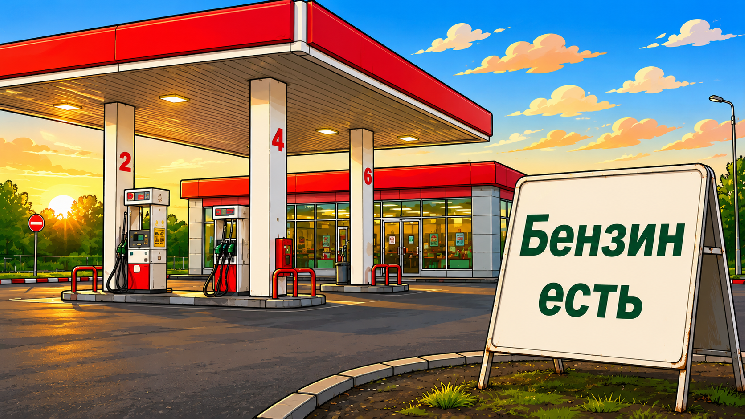
俄罗斯燃料危机趋于缓和:各地区开始取消加油站限购措施

俄罗斯的燃料危机开始缓解:多个地区已开始取消加油站的限购措施。此前,由于乌克兰无人机袭击了莫斯科炼油厂和克拉斯诺达尔边疆区的油库,扰乱了南部地区的供应物流,导致2026年6月底超过20个地区出现汽油和柴油短缺并实施限购。 目前情况已逐步好转。截至7月底,多个地区放宽或取消了限制: - 外贝加尔边疆区自7月30日起完全取消了加油站QR码预订系统。 - 奥伦堡州州长于7月28日宣布全面取消加油站燃油销售限额。 - 萨拉托夫州将个人汽油日限购量从30升提高至40升。 - 萨马拉州则决定维持现有限额(汽油40升、柴油100升)不予收紧,但禁止灌装油桶。 危机高峰期,超过20个地区实施了严格限购,例如萨拉托夫州曾限购30升汽油,奥伦堡州限购40升汽油和80升柴油。官方解释称限购旨在抑制激增了20-30%的恐慌性需求。 分析指出,零售限购的放松反映了销售环节的稳定,但未解决炼油能力受损这一根本问题。据估算,无人机袭击已导致俄罗斯至少17%的炼油产能(相当于每日110万桶)停产。在当前炼油产能持续承压的背景下,部分地区取消限购可能带来风险:如果工厂维修无法在供暖季开始前弥补产量缺口,秋季可能再次出现限购。当前的稳定态势能否持续,将取决于后续是否发生新的袭击浪潮。

cryptonews.ru44 分鐘前

俄罗斯燃料危机趋于缓和:各地区开始取消加油站限购措施

cryptonews.ru44 分鐘前

XRP即将迎来五项重要新功能!Ripple代表宣布此消息

Ripple产品部门负责人Jazzzy Cooper宣布,下周将发布XRPLedger 3.3.0版本,引入五项旨在提升XRP在机构金融和代币化资产市场中应用的重要新功能。 新功能包括: 1. **机密MPT(多用途代币)**:通过零知识证明和椭圆曲线密码学,为XRPL上的代币提供内置隐私功能,允许代币余额和交易金额在公开账本中保密,同时授权方(如审计师)可按需验证交易。 2. **批量处理**:支持在单一账本条目中,原子化地执行最多八笔涉及不同账户的交易,所有交易要么全部成功,要么全部不发生。这有助于简化企业金融应用,特别是涉及交付付款和原子对账的场景。 3. **权限委托**:允许机构在不交出私钥完全控制权的情况下,设定有限的交易执行权限。例如,财务部门可保留资产发行密钥,而交易或运营团队可在设定限额内执行特定交易。 4. **赞助费用和储备金**:允许银行、代币发行方或平台为其他用户支付XRP交易费和账户储备金,用户无需在加入网络前购买和管理XRP,同时仍保有账户所有权和私钥,旨在提升企业和消费者应用的用户体验。 5. **动态MPT**:允许代币发行方在代币创建后更新费用、元数据等特定属性,而无需发行新代币并迁移用户。发行方可在创建代币时预先定义未来可更改的属性。 这些更新需经过验证者投票批准后才能在XRPLedger上激活。

cryptonews.ru1 小時前

XRP即将迎来五项重要新功能!Ripple代表宣布此消息

cryptonews.ru1 小時前

交易

現貨

熱門文章

如何購買BAN

歡迎來到HTX.com!在這裡,購買Comedian (BAN)變得簡單而便捷。跟隨我們的逐步指南,放心開始您的加密貨幣之旅。第一步:創建您的HTX帳戶使用您的 Email、手機號碼在HTX註冊一個免費帳戶。體驗無憂的註冊過程並解鎖所有平台功能。立即註冊第二步:前往買幣頁面,選擇您的支付方式信用卡/金融卡購買:使用您的Visa或Mastercard即時購買Comedian (BAN)。餘額購買:使用您HTX帳戶餘額中的資金進行無縫交易。第三方購買:探索諸如Google Pay或Apple Pay等流行支付方式以增加便利性。C2C購買:在HTX平台上直接與其他用戶交易。HTX 場外交易 (OTC) 購買:為大量交易者提供個性化服務和競爭性匯率。第三步:存儲您的Comedian (BAN)購買Comedian (BAN)後,將其存儲在您的HTX帳戶中。您也可以透過區塊鏈轉帳將其發送到其他地址或者用於交易其他加密貨幣。第四步:交易Comedian (BAN)在HTX的現貨市場輕鬆交易Comedian (BAN)。前往您的帳戶,選擇交易對,執行交易,並即時監控。HTX為初學者和經驗豐富的交易者提供了友好的用戶體驗。

1.1k 人學過發佈於 2024.12.11更新於 2026.06.02

如何購買BAN

相關討論

歡迎來到 HTX 社群。在這裡,您可以了解最新的平台發展動態並獲得專業的市場意見。 以下是用戶對 BAN (BAN)幣價的意見。

活动图片