Video: Moonshots
Compiled by: Model English
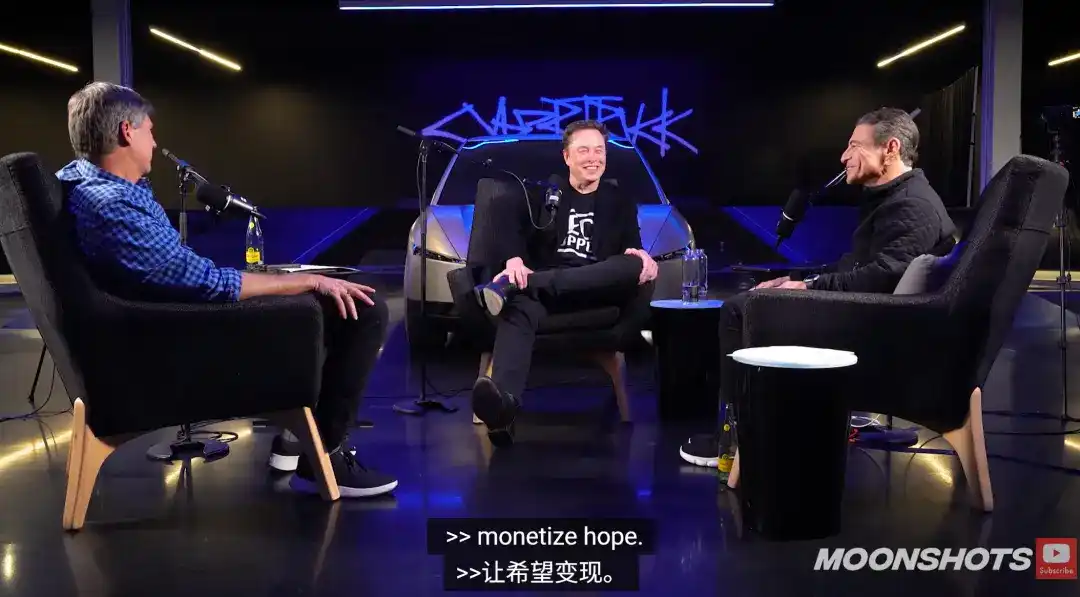
On January 6, 2026, Tesla founder Elon Musk was interviewed by renowned futurist and Singularity University founder Peter Diamandis and investor Dave Blundin.
In this podcast titled "Moonshots #220," the three engaged in a deep three-hour conversation. Musk clearly stated that 2026 is the "Year of Singularity" and elaborated on the industrial, technological, and economic foundations supporting this argument, painting a picture of a future reshaped by technological transformation.
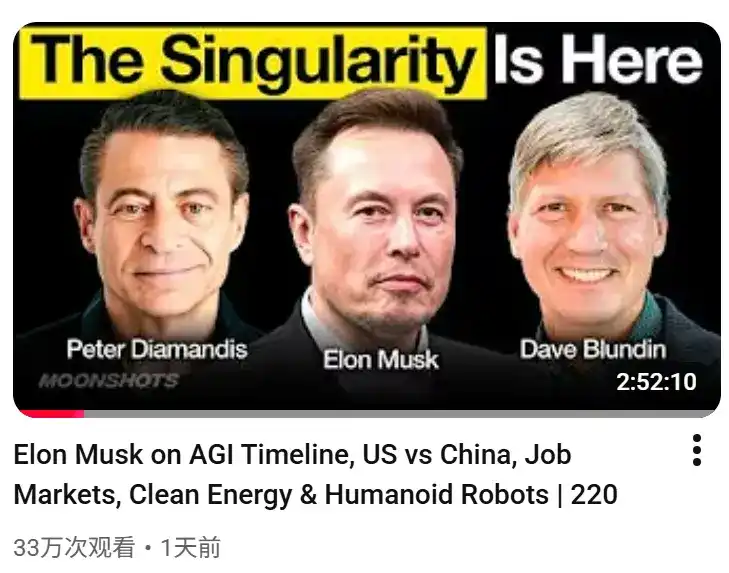
The conversation covered nearly 10 themes, including artificial intelligence, labor and social change, energy development, education and talent, health and longevity, space exploration, and innovation and entrepreneurship, totaling over 85,600 words. Many of the insights were extremely profound and forward-thinking.
To help everyone quickly grasp the core points of the interview, we have compiled and summarized the highlights to share with you all!
1. AI Exceeds Imagination; Intelligence Level to Surpass All Humanity Combined by 2030
Host Peter asked Musk, "Why are you so optimistic?"
Musk did not answer directly but instead offered a more shocking observation: "We are not moving towards the singularity; we are already living in it."
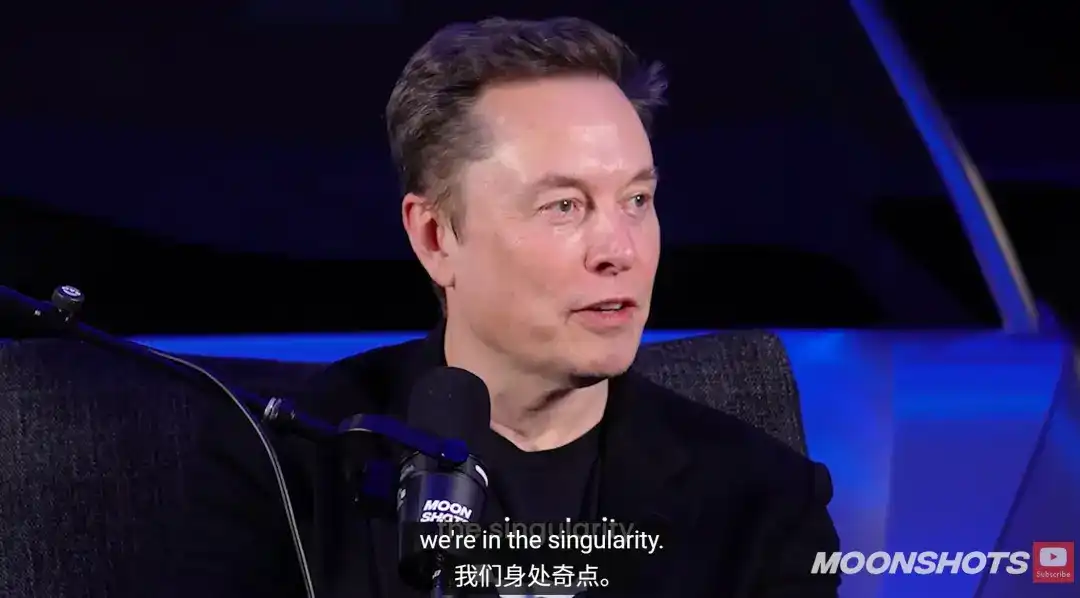
He explained that the pace of AI progress is so rapid that he himself is astonished several times a week—just as he finds one breakthrough amazing, a new shock arrives two days later. This is the power of exponential growth.
Musk predicted that AGI (Artificial General Intelligence) will be achieved in 2026, and by 2030, AI's intelligence level will surpass the sum total of all humanity.
2. Disruption in the Medical Field; Attending Medical School Will Be Meaningless
Addressing the current shortage of doctors and skilled surgeons, Musk predicted that within three years, the Optimus robot will become a better surgeon than any human, and this will be applied "at scale."
"In the future, the best medical care will basically be free," Musk stated.
Why so fast?
Musk pointed to the triple exponential growth advantages of robotic doctors:
- First, exponential growth in AI capabilities;
- Second, exponential growth in chip performance;
- Third, exponential growth in electromechanical dexterity.
Multiplying these three exponential curves results in a rocket-like explosion of speed.
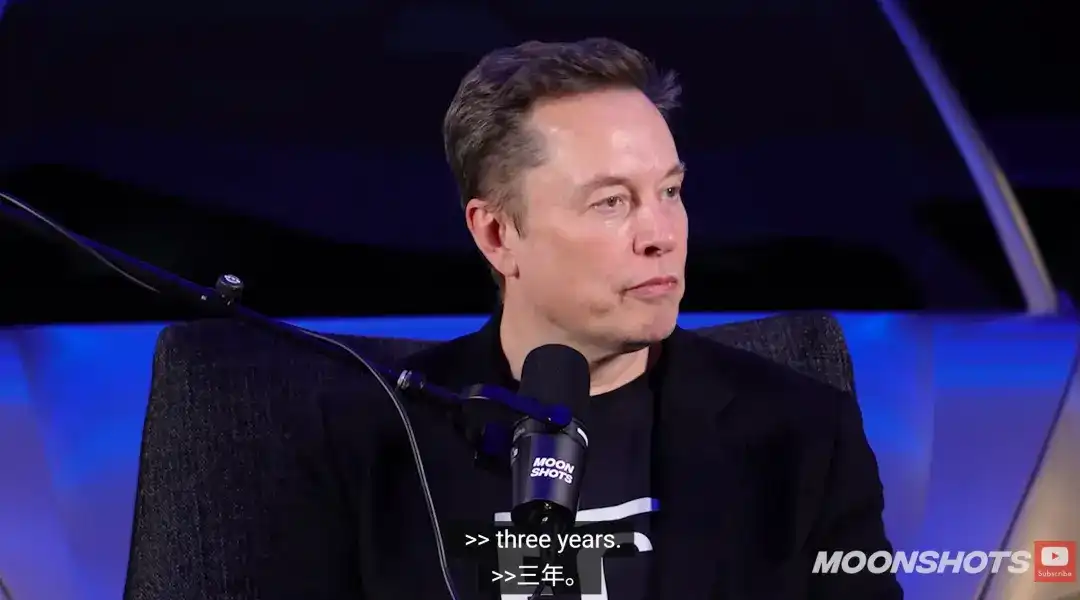
Musk added that more importantly, robots have a "recursive effect," meaning a robot's experience can accumulate, and all robots share the same knowledge base.
Ten thousand robotic doctors performing surgeries means each one can possess the experience of ten thousand operations. Different patients, different emergencies, different complications, even every detail under full spectrum light including infrared, ultraviolet, and X-ray—they can master it all precisely. Moreover, they won't get distracted because they argued with their family the night before, nor will their hands tremble from fatigue after four hours of continuous surgery.
Musk believes that (attending medical school in the future) is "meaningless. Unless it's for social reasons."
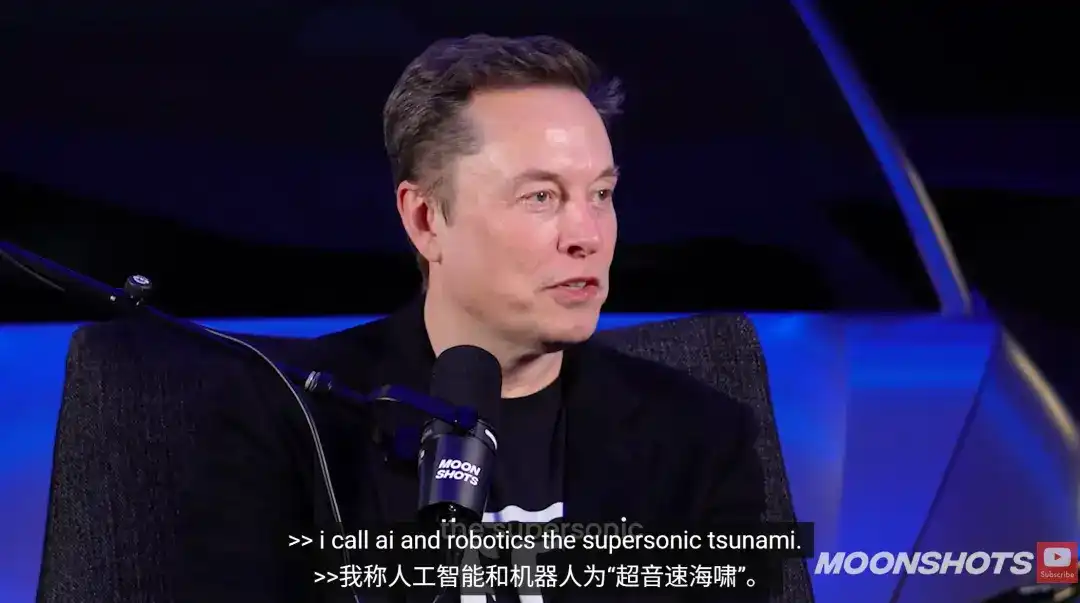
3. US-China AI Competition; China's Computing Power Will Far Exceed Other Regions
Regarding the current AI competition landscape, Musk asserted with great certainty: Based on current trends, China will far exceed the rest of the world in AI computing power.
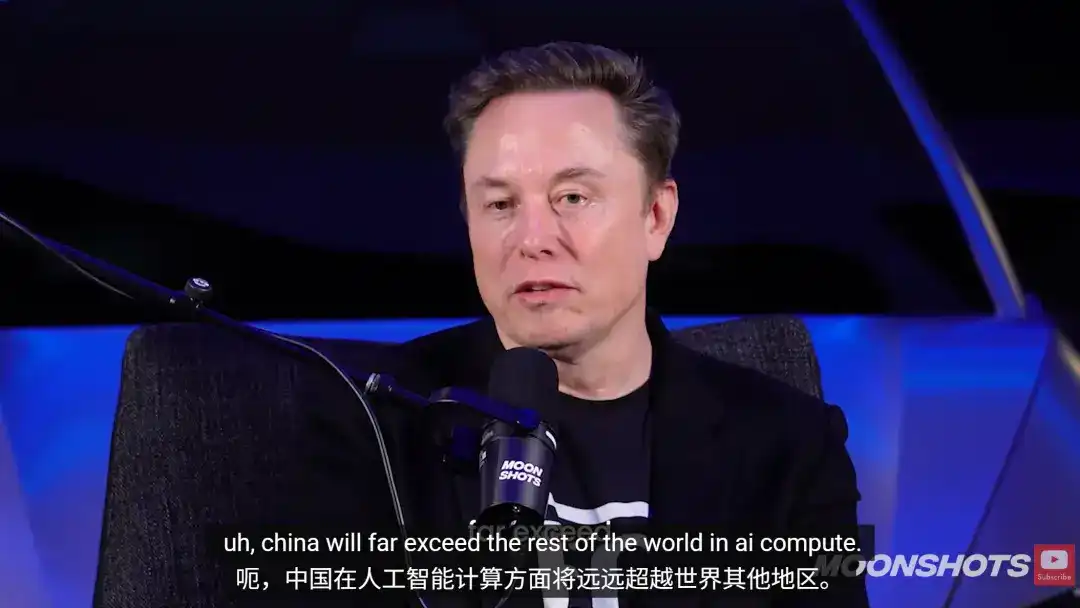
He provided three key reasons:
1) Overwhelming Power Advantage
China's power generation in 2026 will be three times that of the United States. Last year, China added 500 terawatt-hours of electricity, 70% of which came from solar power. Musk couldn't help but remark, "It's like they listen to everything I say and then immediately put it into action."
2) Chip Generation Gap Narrows; Moore's Law is Dead
From 3nm to 2nm, chip performance only improved by 10%, meaning Moore's Law has失效 (shīxiào - become invalid). The US chip advantage is continuously diminishing, making it easier for China to catch up.
3) Unmatched Execution Capability
Musk stated frankly: "I've met too many Chinese engineers. When the requirements are clear, their speed and scale of execution are unimaginable."
He predicted that the final world AI competition landscape will consist of XAI, Google, and China.
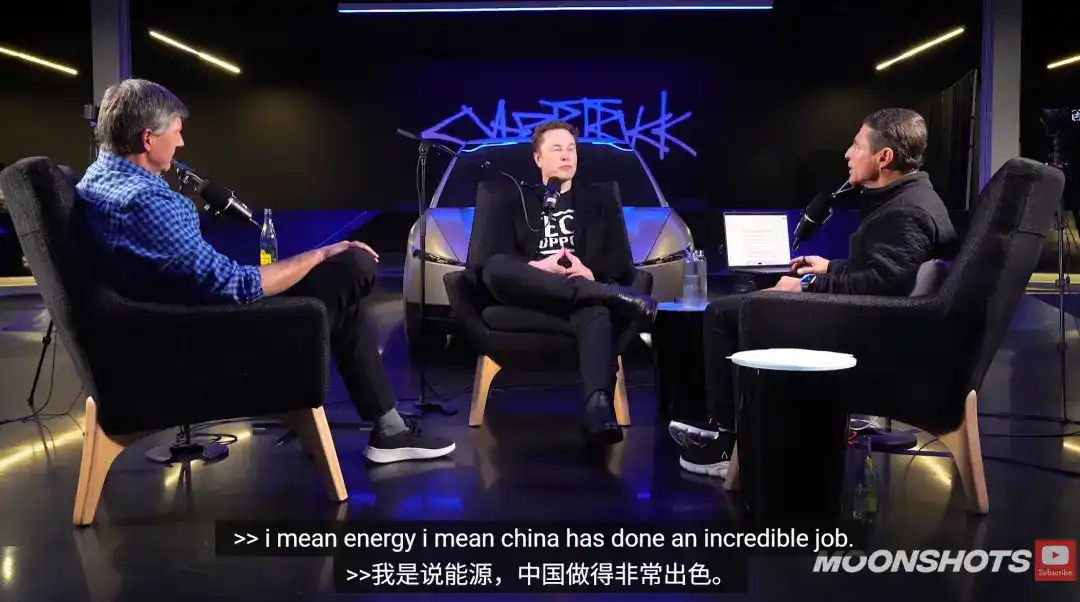
4. Energy Revolution; Solar is the Only Answer
Regarding the prospects of solar energy, Musk's attitude is exceptionally firm:
"The sun accounts for 99.8% of the mass of the solar system. Doing nuclear fusion on Earth is like making ice in Antarctica—we have a free giant nuclear reactor 93 million miles above our heads, so why build a small one on Earth?"
He proposed a three-step plan for solar energy development:
Step 1: Double the Efficiency of the Existing Power Grid
Power plants have大量 (dàliàng - a large amount of) idle capacity at night, but not enough during peak daytime hours. The solution is to use Tesla's Mega Pack batteries to store idle electricity at night and release it during peak daytime hours. This doubles energy throughput without building any new power plants.
Step 2: Launch Solar Power into Space
The environment where AI satellites are located in space has daylight 24 hours a day, maximizing solar energy utilization. Deploying these satellites would take about 8,000 launches, one launch per hour持续 (chíxù -持续 for) a full year.
Step 3: Build Satellite Factories on the Moon
To capture solar energy on a larger scale, we cannot rely solely on launching satellites from Earth. Musk's ultimate plan is to build factories on the Moon, using local materials to manufacture satellites and then sending them directly into orbit from the Moon.
Musk emphasized: "The currency of the future is essentially energy—with energy, you can power AI, manufacture anything, and change the physical world."
5. Economy and Currency; Money Might Not Matter in 10-20 Years
This is one of the most颠覆 (diānfù -颠覆颠覆颠覆颠覆颠覆颠覆颠覆颠覆颠覆颠覆颠覆颠覆颠覆颠覆颠覆颠覆颠覆颠覆颠覆颠覆颠覆颠覆颠覆颠覆颠覆颠覆颠覆颠覆颠覆颠覆颠覆颠覆颠覆颠覆颠覆颠覆颠覆颠覆颠覆颠覆颠覆颠覆颠覆颠覆颠覆颠覆颠覆颠覆颠覆颠覆颠覆颠覆颠覆颠覆颠覆颠覆颠覆颠覆颠覆颠覆颠覆颠覆颠覆颠覆颠覆颠覆颠覆颠覆颠覆颠覆颠覆颠覆颠覆颠覆颠覆颠覆颠覆颠覆颠覆颠覆颠覆颠覆颠覆颠覆颠覆颠覆颠覆颠覆颠覆颠覆颠覆颠覆颠覆颠覆颠覆颠覆颠覆颠覆颠覆颠覆颠覆颠覆颠覆颠覆颠覆颠覆颠覆颠覆颠覆颠覆颠覆颠覆颠覆颠覆颠覆颠覆颠覆颠覆颠覆颠覆颠覆颠覆颠覆颠覆颠覆颠覆颠覆颠覆颠覆颠覆颠覆颠覆颠覆颠覆颠覆颠覆颠覆颠覆颠覆颠覆颠覆颠覆颠覆颠覆颠覆颠覆颠覆颠覆颠覆颠覆颠覆颠覆颠覆颠覆颠覆颠覆颠覆颠覆颠覆颠覆颠覆颠覆颠覆颠覆颠覆颠覆颠覆颠覆颠覆颠覆颠覆颠覆颠覆颠覆颠覆颠覆颠覆颠覆颠覆颠覆颠覆颠覆颠覆颠覆颠覆颠覆颠覆颠覆颠覆颠覆颠覆颠覆颠覆颠覆颠覆颠覆颠覆颠覆颠覆颠覆颠覆颠覆颠覆颠覆颠覆颠覆颠覆颠覆颠覆颠覆颠覆颠覆颠覆颠覆颠覆颠覆颠覆颠覆颠覆颠覆颠覆颠覆颠覆颠覆颠覆颠覆颠覆颠覆颠覆颠覆颠覆颠覆颠覆颠覆颠覆颠覆颠覆颠覆颠覆颠覆颠覆颠覆颠覆颠覆颠覆颠覆颠覆颠覆颠覆颠覆颠覆颠覆颠覆颠覆颠覆颠覆颠覆颠覆颠覆颠覆颠覆颠覆颠覆颠覆颠覆颠覆颠覆颠覆颠覆颠覆颠覆颠覆颠覆颠覆颠覆颠覆颠覆颠覆颠覆颠覆颠覆颠覆颠覆颠覆颠覆颠覆颠覆颠覆颠覆颠覆颠覆颠覆颠覆颠覆颠覆颠覆颠覆颠覆颠覆颠覆颠覆颠覆颠覆颠覆颠覆颠覆颠覆颠覆颠覆颠覆颠覆颠覆颠覆颠覆颠覆颠覆颠覆颠覆颠覆颠覆颠覆颠覆颠覆颠覆颠覆颠覆颠覆颠覆颠覆颠覆颠覆颠覆颠覆颠覆颠覆颠覆颠覆颠覆颠覆颠覆颠覆颠覆颠覆颠覆颠覆颠覆颠覆颠覆颠覆颠覆颠覆颠覆颠覆颠覆颠覆颠覆颠覆颠覆颠覆颠覆颠覆颠覆颠覆颠覆颠覆颠覆颠覆颠覆颠覆颠覆颠覆颠覆颠覆颠覆颠覆颠覆颠覆颠覆颠覆颠覆颠覆颠覆颠覆颠覆颠覆颠覆颠覆颠覆颠覆颠覆颠覆颠覆颠覆颠覆颠覆颠覆颠覆颠覆颠覆颠覆颠覆颠覆颠覆颠覆颠覆颠覆颠覆颠覆颠覆颠覆颠覆颠覆颠覆颠覆颠覆颠覆颠覆颠覆颠覆颠覆颠覆颠覆颠覆颠覆颠覆颠覆颠覆颠覆颠覆颠覆颠覆颠覆颠覆颠覆颠覆颠覆颠覆颠覆颠覆颠覆颠覆颠覆颠覆颠覆颠覆颠覆颠覆颠覆颠覆颠覆颠覆颠覆颠覆颠覆颠覆颠覆颠覆颠覆颠覆颠覆颠覆颠覆颠覆颠覆颠覆颠覆颠覆颠覆颠覆颠覆颠覆颠覆颠覆颠覆颠覆颠覆颠覆颠覆颠覆颠覆颠覆颠覆颠覆颠覆颠覆颠覆颠覆颠覆颠覆颠覆颠覆颠覆颠覆颠覆颠覆颠覆颠覆颠覆颠覆颠覆颠覆颠覆颠覆颠覆颠覆颠覆颠覆颠覆颠覆颠覆颠覆颠覆颠覆颠覆颠覆颠覆颠覆颠覆颠覆颠覆颠覆颠覆颠覆颠覆颠覆颠覆颠覆颠覆颠覆颠覆颠覆颠覆颠覆颠覆颠覆颠覆颠覆颠覆颠覆颠覆颠覆颠覆颠覆颠覆颠覆颠覆颠覆颠覆颠覆颠覆颠覆颠覆颠覆颠覆颠覆颠覆颠覆颠覆颠覆颠覆颠覆颠覆颠覆颠覆颠覆颠覆颠覆颠覆颠覆颠覆颠覆颠覆颠覆颠覆颠覆颠覆颠覆颠覆颠覆颠覆颠覆颠覆颠覆颠覆颠覆颠覆颠覆颠覆颠覆颠覆颠覆颠覆颠覆颠覆颠覆颠覆颠覆颠覆颠覆颠覆颠覆颠覆颠覆颠覆颠覆颠覆颠覆颠覆颠覆颠覆颠覆颠覆颠覆颠覆颠覆颠覆颠覆颠覆颠覆颠覆颠覆颠覆颠覆颠覆颠覆颠覆颠覆颠覆颠覆颠覆颠覆颠覆颠覆颠覆颠覆颠覆颠覆颠覆颠覆颠覆颠覆颠覆颠覆颠覆颠覆颠覆颠覆颠覆颠覆颠覆颠覆颠覆颠覆颠覆颠覆颠覆颠覆颠覆颠覆颠覆颠覆颠覆颠覆颠覆颠覆颠覆颠覆颠覆颠覆颠覆颠覆颠覆颠覆颠覆颠覆颠覆颠覆颠覆颠覆颠覆颠覆颠覆颠覆颠覆颠覆颠覆颠覆颠覆颠覆颠覆颠覆颠覆颠覆颠覆颠覆颠覆颠覆颠覆颠覆颠覆颠覆颠覆颠覆颠覆颠覆颠覆颠覆颠覆颠覆颠覆颠覆颠覆颠覆颠覆颠覆颠覆颠覆颠覆颠覆颠覆颠覆颠覆颠覆颠覆颠覆颠覆颠覆颠覆颠覆颠覆颠覆颠覆颠覆颠覆颠覆颠覆颠覆颠覆颠覆颠覆颠覆颠覆颠覆颠覆颠覆颠覆颠覆颠覆颠覆颠覆颠覆颠覆颠覆颠覆颠覆颠覆颠覆颠覆颠覆颠覆颠覆颠覆颠覆颠覆颠覆颠覆颠覆颠覆颠覆颠覆颠覆颠覆颠覆颠覆颠覆颠覆颠覆颠覆颠覆颠覆颠覆颠覆颠覆颠覆颠覆颠覆颠覆颠覆颠覆颠覆颠覆颠覆颠覆颠覆颠覆颠覆颠覆颠覆颠覆颠覆颠覆颠覆颠覆颠覆颠覆颠覆颠覆颠覆颠覆颠覆颠覆颠覆颠覆颠覆颠覆颠覆颠覆颠覆颠覆颠覆颠覆颠覆颠覆颠覆颠覆颠覆颠覆颠覆颠覆颠覆颠覆颠覆颠覆颠覆颠覆颠覆颠覆颠覆颠覆颠覆颠覆颠覆颠覆颠覆颠覆颠覆颠覆颠覆颠覆颠覆颠覆颠覆颠覆颠覆颠覆颠覆颠覆颠覆颠覆颠覆颠覆颠覆颠覆颠覆颠覆颠覆颠覆颠覆颠覆颠覆颠覆颠覆颠覆颠覆颠覆颠覆颠覆颠覆颠覆颠覆颠覆颠覆颠覆颠覆颠覆颠覆颠覆颠覆颠覆颠覆颠覆颠覆颠覆颠覆颠覆颠覆颠覆颠覆颠覆颠覆颠覆颠覆颠覆颠覆颠覆颠覆颠覆颠覆颠覆颠覆颠覆颠覆颠覆颠覆颠覆颠覆颠覆颠覆颠覆颠覆颠覆颠覆颠覆颠覆颠覆颠覆颠覆颠覆颠覆颠覆颠覆颠覆颠覆颠覆颠覆颠覆颠覆颠覆颠覆颠覆颠覆颠覆颠覆颠覆颠覆颠覆颠覆颠覆颠覆颠覆颠覆颠覆颠覆颠覆颠覆颠覆颠覆颠覆颠覆颠覆颠覆颠覆颠覆颠覆颠覆颠覆颠覆颠覆颠覆颠覆颠覆颠覆颠覆颠覆颠覆颠覆颠覆颠覆颠覆颠覆颠覆颠覆颠覆颠覆颠覆颠覆颠覆颠覆颠覆颠覆颠覆颠覆颠覆颠覆颠覆颠覆颠覆颠覆颠覆颠覆颠覆颠覆颠覆颠覆颠覆颠覆颠覆颠覆颠覆颠覆颠覆颠覆颠覆颠覆颠覆颠覆颠覆颠覆颠覆颠覆颠覆颠覆颠覆颠覆颠覆颠覆颠覆颠覆颠覆颠覆颠覆颠覆颠覆颠覆颠覆颠覆颠覆颠覆颠覆颠覆颠覆颠覆颠覆颠覆颠覆颠覆颠覆颠覆颠覆颠覆颠覆颠覆颠覆颠覆颠覆颠覆颠覆颠覆颠覆颠覆颠覆颠覆颠覆颠覆颠覆颠覆颠覆颠覆颠覆颠覆颠覆颠覆颠覆颠覆颠覆颠覆颠覆颠覆颠覆颠覆颠覆颠覆颠覆颠覆颠覆颠覆颠覆颠覆颠覆颠覆颠覆颠覆颠覆颠覆颠覆颠覆颠覆颠覆颠覆颠覆颠覆颠覆颠覆颠覆颠覆颠覆颠覆颠覆颠覆颠覆颠覆颠覆颠覆颠覆颠覆颠覆颠覆颠覆颠覆颠覆颠覆颠覆颠覆颠覆颠覆颠覆颠覆颠覆颠覆颠覆颠覆颠覆颠覆颠覆颠覆颠覆颠覆颠覆颠覆颠覆颠覆颠覆颠覆颠覆颠覆颠覆颠覆颠覆颠覆颠覆颠覆颠覆颠覆颠覆颠覆颠覆颠覆颠覆颠覆颠覆颠覆颠覆颠覆颠覆颠覆颠覆颠覆颠覆颠覆颠覆颠覆颠覆颠覆颠覆极富洞察与远见。 Musk explained that in 10-20 years, either we won't exist anymore, or money will no longer be important.
Many people worry that AI will cause widespread unemployment, but Musk proposed a new concept—"Universal High Income" (UHI). This is not the government-distributed "Universal Basic Income (UBI)" but a more fundamental change in economic logic:
AI and robots will cause the output growth rate of goods and services to exceed the growth rate of the money supply, leading to plummeting prices and production costs approaching zero. When the output growth rate of goods and services exceeds the growth rate of the money supply, it causes prices to暴跌 (bàodiē - plummet).
Because物质 (wùzhì - material goods) are extremely abundant, everyone can easily obtain the goods and services they desire.
But he also warned that the next 3-7 years will be very bumpy:
We will simultaneously experience radical change, social unrest, and great prosperity; this is an inevitable transition period. And if none of this happens, it means we have encountered bigger problems—such as stalled AI development or civilizational collapse.
6. Careers and the Future; Work Will Become Optional
Musk predicted that within less than 20 years, work will become optional. AI and robots will make work a "hobby" within 10-20 years, allowing people to freely pursue their interests.
He also expressed concern about the global decline in birth rates, believing that population decline is a huge threat to civilization because "more people mean more consciousness, which helps humanity understand the universe."
7. Education and Growth; The Essence of Learning is Returning to Curiosity
Musk pointed out that the traditional education model is dead.
Due to his own poor school experience, he does not like the current education model—"I found school painful. It was boring, and in South Africa, it was also violent."
He believes that over the years, the driving force behind his continuous learning has been "curiosity about the nature of the universe. I'm just curious about the meaning of life and the reality we live in."
With the rapid development of AI, he坦言 (tǎnrán - admitted frankly) that obviously AI can be a personalized teacher. It is infinitely patient and answers all your questions. But you still need curiosity, you still need to want to learn. He has already launched an AI personalized education pilot in El Salvador.
At the end of the interview, Musk also admitted that he was once very pessimistic and even suggested slowing down AI development multiple times, but ultimately found that rather than being a pessimistic bystander, it's better to be an optimistic participant.
He sincerely offered everyone a piece of advice, which is—Make Hope a Reality!
Let's encourage each other!