BIT Makes First Appearance After Brand Upgrade, Hosts 'Trust in Digital Finance' Industry Event in Singapore

marsbit发布于2026-03-27更新于2026-03-27

文章摘要

BIT (formerly Matrixport) held its first industry event, "Trust in Digital Finance," in Singapore on March 27, 2026, following its recent rebranding. The event brought together global financial institutions and digital asset industry representatives to discuss governance standards, compliance frameworks, and operational infrastructure as the sector becomes increasingly institutionalized. Cynthia Wu, Co-Founder and Chief Commercial Officer, highlighted the approval of U.S. spot Bitcoin ETFs in early 2024 as a key turning point, attracting more mainstream institutional capital. This has elevated requirements for platforms and infrastructure, making custody architecture, compliance, and operational transparency essential rather than optional. Chief Brand Officer Wendy Sun explained that the rebrand to BIT—which stands for "Bridge Into Tomorrow," "Build on Integrity and Trust," and "Build It Together"—reflects the group’s vision to advance digital finance infrastructure collaboratively and trustworthily. Discussions also centered on BIT’s recently published Trust Whitepaper, which outlines a trust framework covering risk governance, multi-jurisdictional compliance, custody security, and independent auditing. Cactus Custody CEO Daniel Lee and Chief Compliance Officer Christopher Liu elaborated on its practical implementation, including SOC audits and ISO certifications. BIT, headquartered in Singapore, is a global digital asset financial services group with over $6 billion in ...

On March 27, 2026, BIT (formerly Matrixport) hosted the "Trust in Digital Finance" industry event in Singapore this week, inviting representatives from global financial institutions and the digital asset industry to discuss governance standards, compliance frameworks, and operational infrastructure in the process of institutionalization. This marks BIT's first public industry event since completing its brand upgrade.

Cynthia Wu, Co-founder and Chief Business Officer of BIT, stated that the approval of the U.S. spot Bitcoin ETF in early 2024 was a critical turning point for the industry's move toward institutionalization, further integrating digital assets into the asset allocation strategies of mainstream institutions. As institutional capital accelerates its entry into the market, the requirements for platforms and infrastructure have significantly increased, with custody architecture, compliance systems, and operational transparency shifting from value-added features to entry-level prerequisites.

Chief Brand Officer Wendy Sun noted that the transition from Matrixport to BIT reflects the group's strategic positioning for the future of digital finance. BIT not only stands for "Bridge Into Tomorrow" but also embodies the dual meanings of "Build on Integrity and Trust" and "Build It Together," conveying the group's vision of fostering trust and collaborating with industry partners to advance the development of digital financial infrastructure.

The event also featured in-depth discussions around the "Trust White Paper" released by BIT last week. Daniel Lee, CEO of Cactus Custody, elaborated on the trust framework outlined in the white paper, covering risk governance, multi-jurisdictional compliance, custody security architecture, and independent audit mechanisms. Chief Compliance Officer Christopher Liu provided practical insights into the implementation of these frameworks in daily operations, including SOC audit reports and independent verification of ISO security standards.

About BIT

BIT (formerly Matrixport) was founded in 2019 as a global digital asset financial services group built on integrity. Headquartered in Singapore, the group has offices in seven countries and regions worldwide, connecting traditional finance and digital asset markets through robust governance systems, technological capabilities, and compliant operations.

BIT provides global institutions and professional investors with services spanning trading, custody, asset management, liquidity, and financing solutions, while also enabling the on-chain introduction and application of real-world assets (RWA). Its entities hold licenses and are regulated in Singapore, Hong Kong, Switzerland, the UK, the U.S., and Bhutan, including a Major Payment Institution (MPI) license in Singapore and a collective asset management license issued by Switzerland's FINMA.

Currently, the group manages over $6 billion in assets, with a monthly trading volume exceeding $7 billion and cumulative interest payments to clients totaling over $2 billion. With a valuation surpassing $1 billion, BIT has been featured in the "2024 Hurun Global Unicorn List" and the "2025 Singapore FinTech Unicorn List."


相关问答

QWhat was the main theme of the industry event hosted by BIT in Singapore?

AThe main theme of the event was 'Trust in Digital Finance', focusing on governance standards, compliance frameworks, and operational infrastructure in the institutionalization of the digital asset industry.

QAccording to Cynthia Wu, what was the key turning point for the institutionalization of the digital asset industry in early 2024?

ACynthia Wu stated that the approval of the U.S. spot Bitcoin ETF in early 2024 was a key turning point, as it further brought digital assets into the asset allocation scope of mainstream institutions.

QWhat does the new brand name 'BIT' represent, as explained by Chief Brand Officer Wendy Sun?

AWendy Sun explained that 'BIT' not only stands for 'Bridge Into Tomorrow' but also carries the meanings of 'Build on Integrity and Trust' and 'Build It Together', conveying the group's vision of building digital financial infrastructure based on trust and in collaboration with industry partners.

QWhat key document was discussed at the event, and what framework did it introduce?

AThe event discussed BIT's recently published 'Trust White Paper', which introduced a trust framework covering risk governance, multi-jurisdictional compliance, custody security architecture, and independent audit mechanisms.

QWhat are some of the key statistics and achievements mentioned about BIT at the end of the article?

ABIT manages over $6 billion in assets, has a monthly trading volume exceeding $7 billion, has paid a cumulative total of over $2 billion in interest to clients, and has a valuation exceeding $1 billion. It has been listed on the '2024 Hurun Global Unicorn List' and the '2025 Singapore FinTech Unicorn List'.

你可能也喜欢

曾经大热的Web3,进入裁员潮

2026年上半年,美国科技行业裁员近14万人,超过半数裁员事件将AI、自动化或机器学习列为理由。Web3行业作为科技与金融交叉领域,裁员潮尤为剧烈,头部交易平台及中小平台纷纷进行人员裁撤与业务收缩。 裁员过程往往突然而冷酷。有员工在毫无预警的情况下被关闭系统权限,仅通过邮箱收到裁员通知;有的交易平台每个季度裁员约10%,全年累计达40%;Coinbase印度办公室据称约90%员工被裁。许多公司选择在财年节点集中裁员,以美化财务报表。裁员补偿常不尽如人意,公司可能通过监控员工行为、设置苛刻KPI或强制考试等方式,将裁员包装成绩效淘汰,以避免支付补偿。 留任员工也承受巨大压力,工作氛围变得消极、惶恐,考核加剧,会议频繁,但产品方向模糊。管理层权术斗争激烈,底层员工成为牺牲品。公司文化往往苛刻,缺乏工作与生活平衡。 行业面临深层危机:交易平台依赖的手续费与上币收入模式难以为继,项目上币成本高昂但质量下降,散户流失,交易量萎缩。同时,链上衍生品平台兴起,进一步挤压中心化交易平台利润。去年10月的全行业大规模爆仓事件严重打击了市场信心,流动性枯竭,VC投资大幅收缩,项目方生存艰难。 被裁员工多转向AI行业,但传统金融甚至部分AI公司对Web3背景存在歧视,视其为“蟑螂旅馆”。行业内部竞争依然恶劣,有平台甚至将高薪挖角竞对员工作为KPI,数月后再裁掉,进行消耗战。 此次寒冬并非单纯周期或AI冲击所致,更源于行业自身模式弊端:高昂的上币费消耗生态、不透明的管理消耗员工信任、在寒冬中忙于内耗而非创新。Web3行业的衰败,更多是自身积累的问题爆发。

marsbit47分钟前

曾经大热的Web3,进入裁员潮

marsbit47分钟前

销量跌26%反而涨价?小米的两难

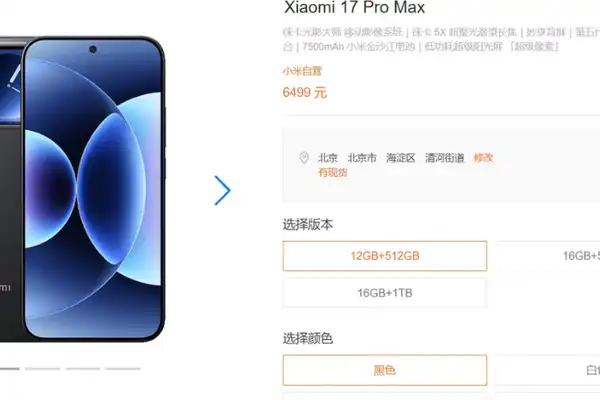
手机行业正面临“晚买享折扣”铁律失效的困境。8月2日,小米商城对小米17系列、Redmi K90系列等9款机型同步上调售价,旗舰机型涨幅达400-500元。这已是小米年内第三轮调价,反映了存储成本压力正从入门机型逐步传导至旗舰产品。 与此同时,小米手机销量出现显著下滑。2026年第二季度,小米全球出货量同比下滑26.3%,在前五大厂商中跌幅最大;中国市场份额排名第五,同比下滑21%。这一方面源于提价抑制了消费需求,另一方面也与小米主动缩减入门机型、升级产品结构的策略有关。 此轮涨价的直接推手是存储芯片成本飙升。由于AI算力需求爆发,存储大厂将产能转向利润更高的HBM内存,导致消费级DRAM与NAND供给紧张、价格暴涨。小米总裁卢伟冰透露,同版本内存价格较去年初飙升近4倍,单台手机存储成本上涨约1500元。他预计,内存涨价趋势至少将持续到2027年底。 面对成本上涨与销量下滑的双重压力,小米正通过加码自研芯片、优化产品存储配置等方式对冲风险。此外,行业涨价已成普遍现象,OPPO、vivo、荣耀乃至苹果均已上调部分产品售价。业内人士预计,下半年主流品牌可能迎来第二轮调价。全行业的涨价周期已然开启,厂商策略与消费者决策都需重新适应这一变化。

marsbit58分钟前

销量跌26%反而涨价?小米的两难

marsbit58分钟前

交易

现货
活动图片