OCC Highlights Major Concerns Over Crypto Debanking Practices Among Major Banks

bitcoinist发布于2025-12-11更新于2025-12-11

文章摘要

The Office of the Comptroller of the Currency (OCC) has raised concerns over "harmful debanking policies" among nine major US banks, including JPMorgan Chase, Bank of America, and Wells Fargo. A review found that between 2020 and 2023, these institutions restricted services or imposed heightened scrutiny on customers in legal industries—including crypto, oil and gas, firearms, and adult entertainment—based on the banks' own values rather than legality. OCC Comptroller Jonathan V. Gould criticized the use of "government-granted charter and market power" for such practices. The agency is evaluating thousands of debanking complaints and recently allowed national banks to facilitate crypto transactions, aiming to provide a more regulated environment than external exchanges.

On Wednesday, the Office of the Comptroller of the Currency (OCC) released findings that have raised alarm bells regarding crypto debanking, reigniting fears of what some are dubbing “Operation Chokepoint 2.0” within the financial sector.

This supervisory review focused on nine of the largest national banks under OCC supervision, including JPMorgan Chase, Bank of America, Citibank, Wells Fargo, US Bank, Capital One, PNC Bank, TD Bank, and BMO Bank.

‘Harmful Debanking Policies’

The preliminary findings from the OCC reveal troubling trends: between 2020 and 2023, these banks appeared to make unwarranted distinctions among customers based on their legal business activities.

Specifically, many of these institutions maintained policies that either restricted access to financial services or required heightened scrutiny and approvals for certain clients.

The OCC identified examples where at least one bank imposed limitations on various sectors, including crypto, due to their engagement in activities considered “contrary to [the bank’s] values,” even though those activities were not illegal.

Sectors affected by these policies included oil and gas exploration, coal mining, firearms, private prisons, tobacco and e-cigarettes, adult entertainment, and notably, digital assets.

The findings indicated that many banks placed strict limitations on crypto-related activities as well, which often stemmed from concerns about financial crime.

These practices, the OCC confirmed, were prevalent at each of the banks examined in the review. Comptroller Jonathan V. Gould expressed frustration regarding the situation, stating:

It is unfortunate that the nation’s largest banks thought these harmful debanking policies were an appropriate use of their government-granted charter and market power.

Gould noted that while many of these policies were publicly announced, some banks have maintained that they did not participate in debanking.

In his comments, Comptroller Gould emphasized the OCC’s commitment to eliminating practices that would “weaponize finance,” whether instigated by regulators or the banks themselves.

National Banks To Facilitate Crypto Transactions

The agency disclosed that it is still evaluating “thousands of complaints” related to allegations of political and religious debanking, with plans to report on these findings “in due course.” The OCC aims to hold banks accountable for these actions and ensure that unlawful debanking practices do not persist.

This follows Tuesday’s letter from the banking regulator that allows national banks to participate in “riskless principal transactions” involving cryptocurrencies. This permits national banks to buy and sell cryptocurrencies for their customers’ accounts.

This new structure allows users to transact in crypto-assets through established national banks, resulting in a more regulated environment than exchanges that operate outside of strict oversight regulation.

The daily chart shows the total crypto market cap valuation at $3.16 trillion. Source: TOTAL on TradingView.com

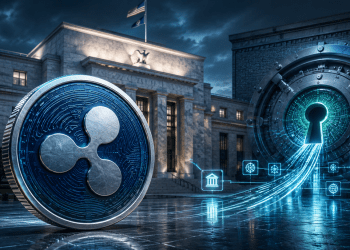
Featured image from DALL-E, chart from TradingView.com
你可能也喜欢

AI时代人类第一场大规模罢工,来自造AI的工厂里

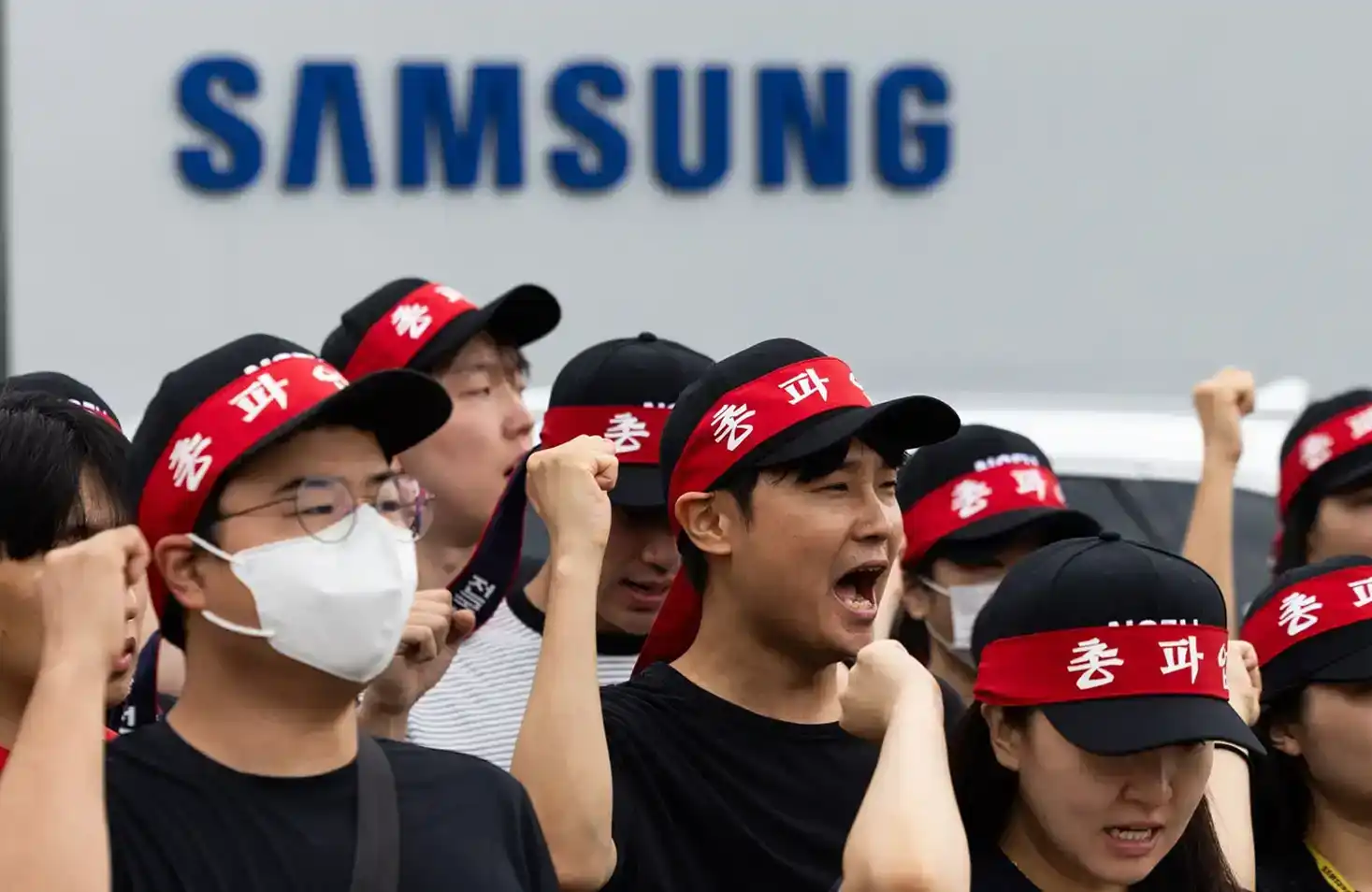
三星电子工人因薪资与奖金分配问题计划发起18天罢工,虽在5月20日达成临时协议暂缓行动,但劳资矛盾的核心问题并未解决。此次罢工之所以引人注目,是因为三星身处全球AI供应链的核心,其生产的存储芯片(如HBM)对AI数据中心和大模型运行至关重要。若罢工持续,可能扰动全球DRAM和NAND供应,影响芯片价格与AI产业节奏。 工会要求加薪7%、将年度营业利润的15%作为员工奖金池,并取消奖金上限。三星则以财务公式(如EVA)和不同事业部盈亏差异为由拒绝。矛盾激化的一个关键参照是竞争对手SK海力士,该公司已将利润的10%用于员工奖金,人均奖金预计可观,这加剧了三星员工的不平。 背后是韩国财阀与劳工长期的历史张力。三星曾长期实行“无工会经营”,直至2020年才正式道歉并承诺改变。此次罢工反映了在AI技术飞速发展的光环下,底层劳动者对分享技术红利、保障自身尊严与确定性的强烈诉求。文章指出,AI时代常强调效率与增长,但普通劳动者的议价权可能被削弱。这场斗争不仅关乎薪资,更触及一个根本问题:当技术列车高速前进时,创造它的人能否确保自己不在车上被抛下?未来的发展不应只照亮车头的蓝图,也需照亮车尾那些具体而微的生活与尊严。

marsbit30分钟前

AI时代人类第一场大规模罢工,来自造AI的工厂里

marsbit30分钟前

Google的2026路线图,都藏在这场主题演讲里

在2026年的Google I/O大会上,谷歌展示了超越产品发布会的战略蓝图:其核心目标是将AI从单一功能,升级为贯穿其全部产品生态的底层操作系统。这场发布会揭示了谷歌未来十年的路线图,即以Gemini为核心,重新定义数字体验。 最大的变化在于搜索。谷歌正将其搜索引擎从返回链接的工具,转变为能理解意图、生成答案并直接完成任务的智能助手。这标志着互联网入口的根本性变革。 同时,谷歌正全力押注具备自主执行能力的“智能体式AI”(Agentic AI)。这意味着AI将从聊天和问答,进阶为用户日常生活中的“数字操作员”,能跨应用协调并执行复杂工作流。 这一变革深入其所有核心产品:Android将演变为AI原生的操作系统,用户可通过自然语言指令调动服务,无需手动切换应用;Chrome浏览器将进化为网页之上的AI推理层;YouTube则融合“视频平台”与“AI搜索”,用户可直接提问获取视频中的具体信息。 此外,谷歌通过展示Android XR和智能眼镜,透露其认为屏幕仅是过渡,未来属于能与现实世界持续交互的空间计算。而Gemini Omni等多模态模型的目标,是彻底压缩“创意”与“执行”的距离。 综上所述,谷歌的竞争焦点已超越单纯的模型能力或聊天机器人。其真正野心在于掌控下一代计算入口——将搜索、操作系统、浏览器、可穿戴设备等所有入口,整合进一个统一的AI生态层。这并非一次普通的产品更新,而是一场涉及人机交互、内容消费和应用开发范式的全面迁移。谷歌的终极目标,是成为AI时代的操作系统。

marsbit1小时前

Google的2026路线图,都藏在这场主题演讲里

marsbit1小时前

“退保买股”,韩国 60 岁以上老人正在借钱押注三星

韩国股市近期陷入狂热,KOSPI指数半年内从4000点涨至接近8000点。在此背景下,一个令人担忧的现象浮现:大量韩国老年人通过退保和借钱的方式,加杠杆入市炒股。 数据显示,韩国三大寿险公司一季度退保金额同比大幅增长,其中储蓄型寿险退保额涨幅达23.2%。退保资金很可能流入了股市。同时,韩国散户的保证金贷款余额创下历史新高,其中超过六成的借款者为50岁以上人群,60岁以上群体的借贷额在一年内翻倍。 这些老年投资者将资金集中押注于三星电子和SK海力士等少数科技巨头,这两家公司贡献了股市大部分涨幅。在首尔的塔骨公园等老年人聚集地,讨论股票行情已成为日常话题。 这种狂热行为背后是韩国老年人对养老保障的焦虑。韩国老年人口的相对贫困率在OECD国家中最高,养老金替代率偏低,迫使许多老人退休后仍需工作。在政府鼓励全民投资股市的背景下,部分老人将其视为改善晚景的最后机会。 然而,高风险也随之而来。今年3月全球市场波动导致韩股熔断时,使用杠杆的散户,尤其是老年群体,亏损幅度远超未使用杠杆者,且面临被强制平仓的风险。尽管市场随后反弹并创下新高,但下一次下跌可能不会如此幸运。对于体力与赚钱能力都已衰退的老年人而言,一次爆仓就可能意味着养老本金的永久损失。 当前,韩国老年人正以未来的保障为赌注,追逐眼下的牛市,这场与时间赛跑的投资盛宴,结局难料。

marsbit1小时前

“退保买股”,韩国 60 岁以上老人正在借钱押注三星

marsbit1小时前

交易

现货
合约
活动图片