Ethereum ETFs see $12.85M outflows – Why ETH bulls face an uphill battle

ambcrypto发布于2026-06-28更新于2026-06-28

文章摘要

Institutional demand for Ethereum (ETH) is weakening as investors reduce exposure to risk assets amid uncertain market conditions. U.S. spot ETH ETFs recently recorded $12.85 million in net outflows, extending a broader slowdown in fund demand despite cumulative net inflows remaining near $11 billion. This reduces institutional capital available to support ETH prices. Consequently, Ethereum now relies more on staking demand, layer-2 activity, and organic spot buying to stabilize prices. An increase in network demand could help absorb excess supply. However, if institutional demand does not recover, ETH faces prolonged consolidation and increased vulnerability to sentiment-driven price swings. On-chain analysis shows significant holdings moving to a new wallet. While not a direct sell signal, similar past movements have preceded liquidity events. If these funds are deposited to exchanges, it could reinforce bearish sentiment and selling pressure. In summary, ETH remains vulnerable due to weak institutional demand and a bearish market structure. Stronger spot demand is needed to offset selling pressure and restore sustained bullish momentum.

Institutional appetite for Ethereum [ETH] continues to weaken as investors reduce exposure to risk assets amid uncertain market conditions. U.S. spot ETH ETFs recently recorded another $12.85 million in net outflows, extending a broader slowdown in fund demand despite cumulative net inflows remaining near $11 billion.

With this reduction, there will be less institutional capital available to buy Ethereum to help stabilize prices as they continue to decline.
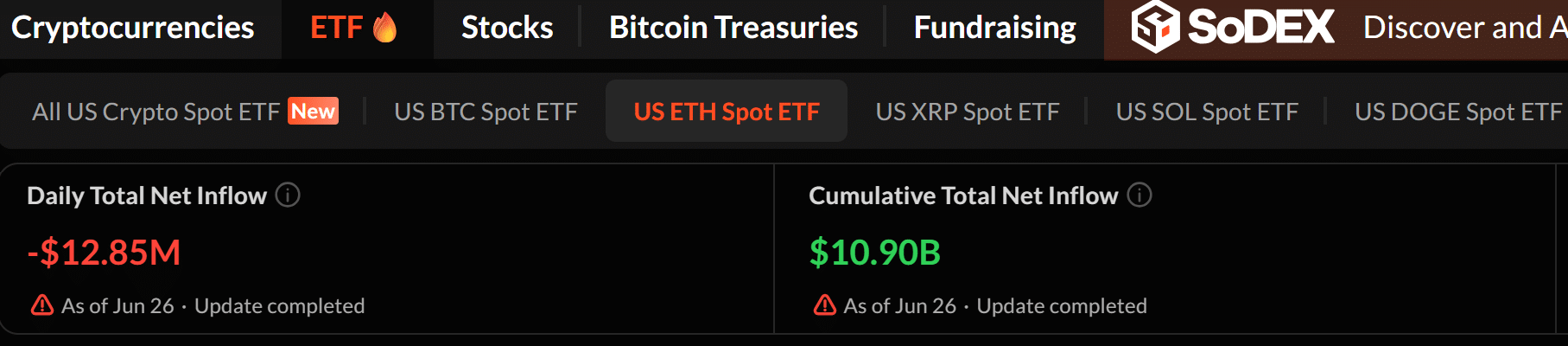
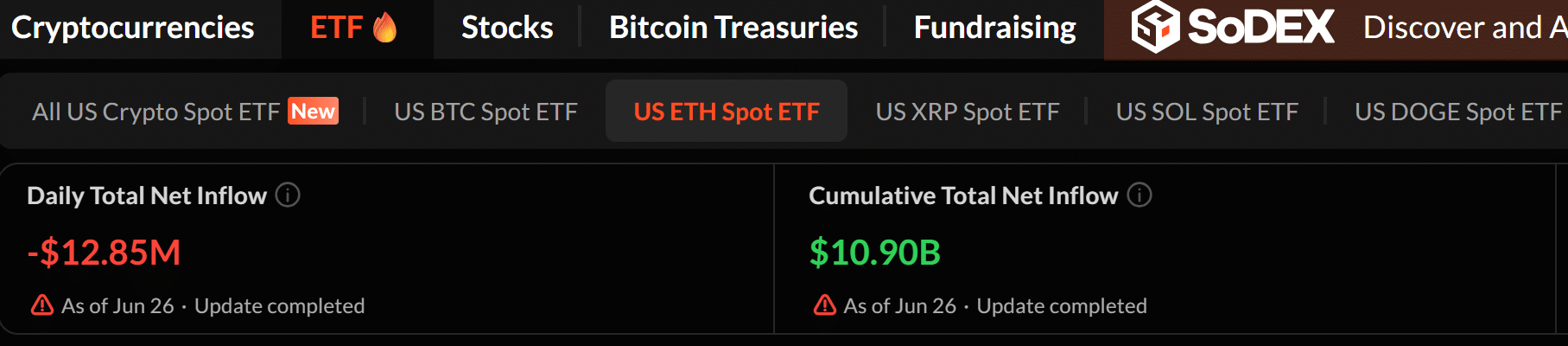
Source: SoSoValue

As such, Ethereum now relies more heavily on staking demand, layer-2 activity, and natural organic spot buying to help stabilize prices. If Ethereum network demand increases, then it is possible that the markets can begin to absorb some excess supply.

However, if institutional demand does not increase, then we should expect longer-term consolidation and increased vulnerability to sentiment-driven price movements.

ETH bears retain control despite buying pressure
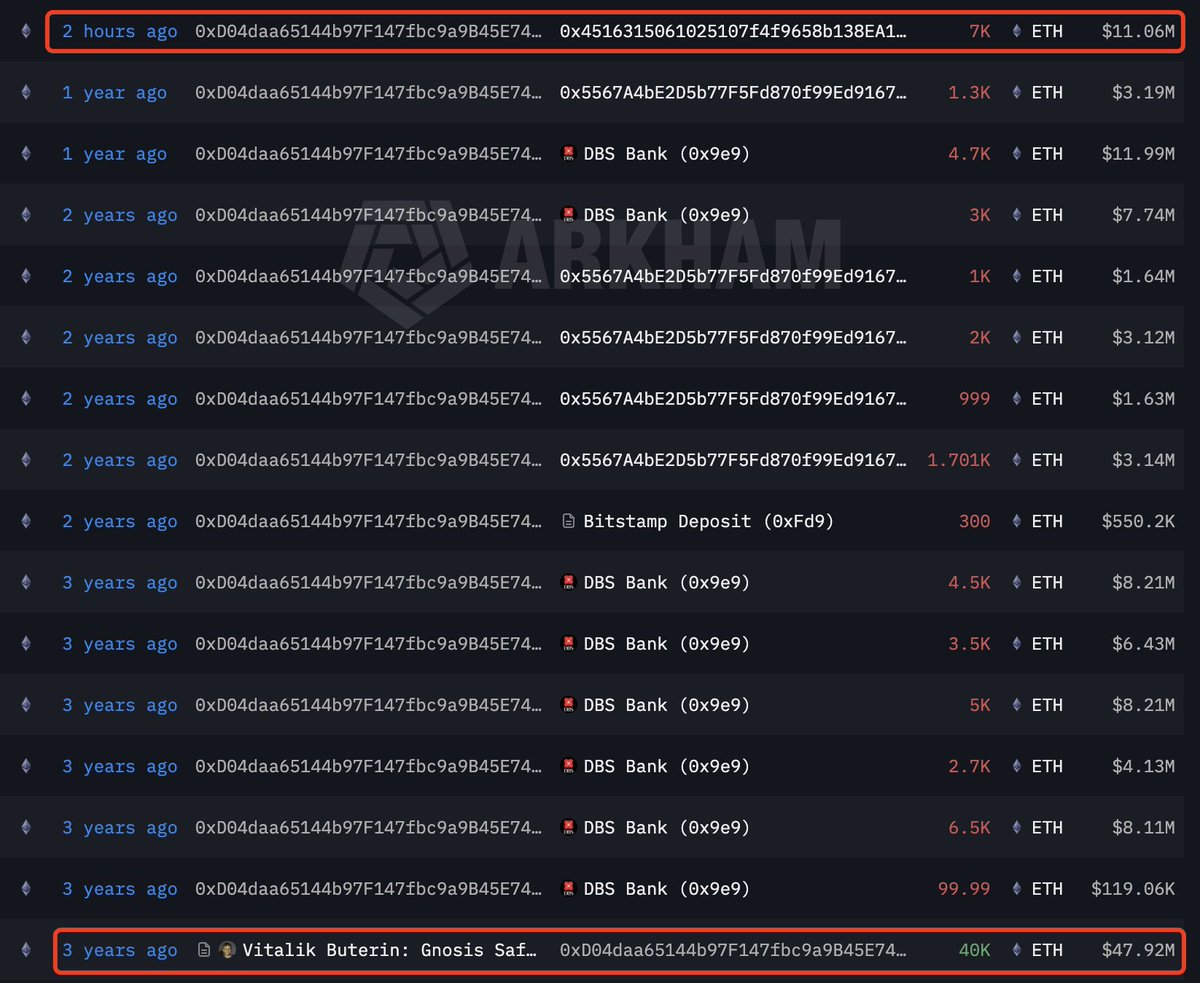
Source: Arkham

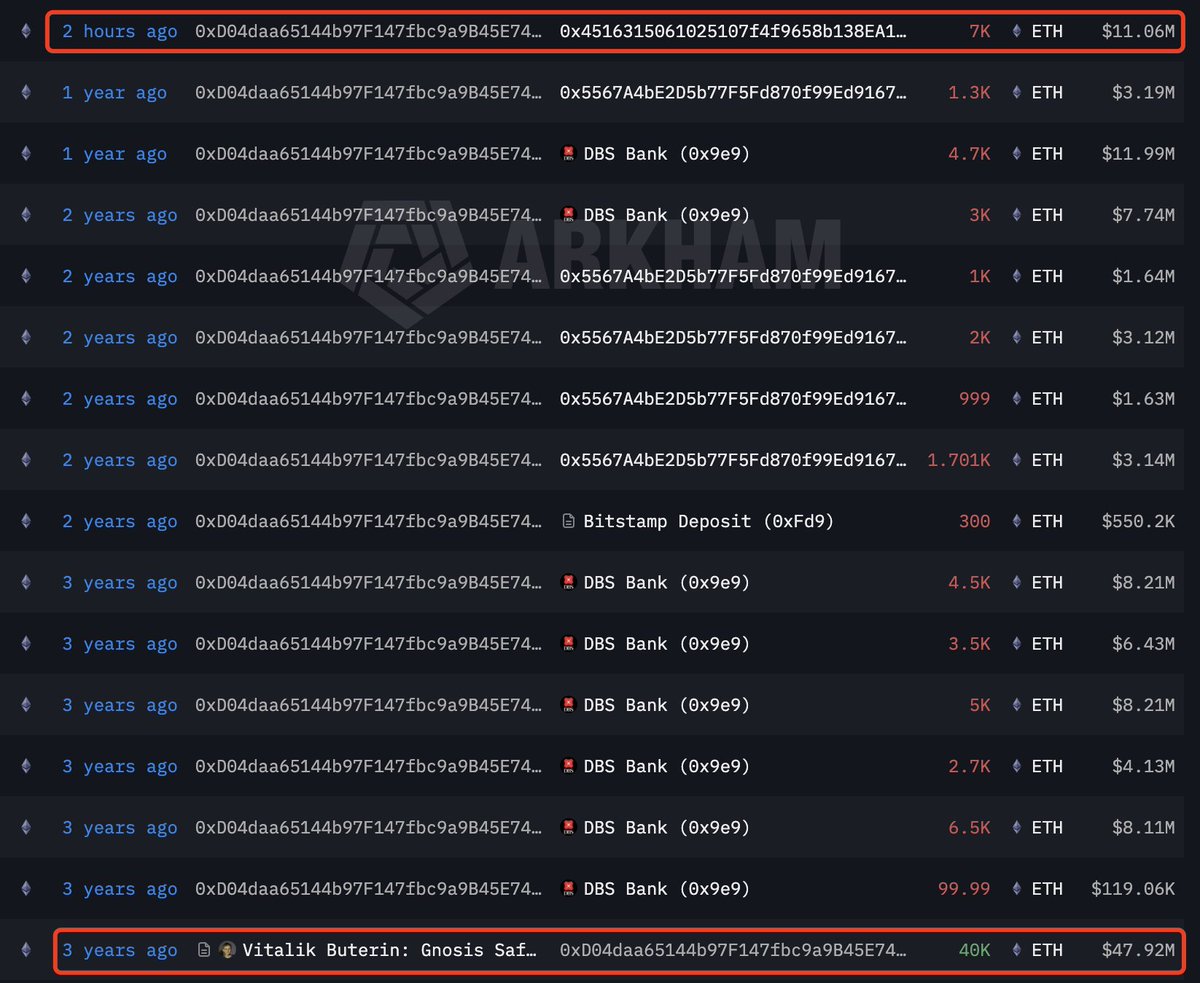
Although moving assets to this new address does not necessarily indicate that the person behind the transaction is planning to sell their asset. Yet, previous instances of like-sized on-chain asset movements have occurred before liquidity events, making subsequent wallet activity the key signal to monitor.

If the funds remain in self-custody, the transfer will likely reflect routine wallet management. However, deposits to exchanges or OTC counterparties could reinforce existing bearish sentiment and increase expectations of additional selling pressure.


Final Summary

  • Ethereum remained vulnerable as weakening institutional demand and bearish market structure continue limiting recovery momentum.
  • ETH needs stronger spot demand to offset selling pressure and restore sustained bullish momentum.


热门币种推荐

相关问答

QWhat was the specific amount of net outflows from U.S. spot Ethereum ETFs recently mentioned in the article?

AU.S. spot Ethereum ETFs recently recorded $12.85 million in net outflows.

QAccording to the article, what are the three key factors that Ethereum now relies on more heavily to help stabilize its price?

AEthereum now relies more heavily on staking demand, layer-2 activity, and natural organic spot buying to help stabilize prices.

QWhat is the potential long-term market outcome for Ethereum if institutional demand does not increase, as per the article?

AIf institutional demand does not increase, the article suggests we should expect longer-term consolidation and increased vulnerability to sentiment-driven price movements for Ethereum.

QWhat key signal should be monitored regarding the large on-chain movement of 60,000 ETH to a new address, according to the article?

AThe key signal to monitor is the subsequent wallet activity, specifically whether the funds are deposited to exchanges or OTC counterparties, which could indicate selling pressure.

QWhat does the article state is needed for Ethereum to offset selling pressure and restore sustained bullish momentum?

AThe article states that Ethereum needs stronger spot demand to offset selling pressure and restore sustained bullish momentum.

你可能也喜欢

OpenAI和Anthropic都要“自研芯片”,除了成本,更重要的是算力控制权

据The Information报道,Anthropic正与三星洽谈定制AI芯片,并已启动自研芯片的早期开发工作,此举被视为追随OpenAI的类似布局。两家头部AI公司共同指向同一趋势:大模型竞争正从算法层面转向软硬件一体化的综合竞争。 文章指出,自研芯片的首要动机并非仅是降低成本,更是为了掌握核心算力的控制权。当前,AI计算高度依赖英伟达GPU,供应紧张和成本高企使算力成为核心生产资料。通过定制芯片,AI公司可以优化模型与硬件的协同设计,从而在推理速度、能耗和单位经济性上获得更大提升。专家分析认为,最大的效率提升空间来自模型、内核与硅片之间的跨层协同优化,而非单点改进。 然而,这并不意味着对英伟达的立刻替代。自研芯片从设计到部署周期漫长,且英伟达的CUDA生态和通用性优势依然显著。因此,自研芯片更可能作为一种技术备选和谈判筹码,用于特定、高负载的推理场景,形成对现有供应链的制衡。 这一动向也反映了全行业“算力自主权”竞赛的全面开启。从谷歌、亚马逊到Meta、微软,全球科技巨头均已深度布局自研AI芯片。对三星等代工厂而言,获得Anthropic的订单将有助于其在AI半导体领域扩大影响力。总体而言,大模型的竞争已延伸至对算力、资金和硬件栈的整体控制能力。

marsbit37分钟前

OpenAI和Anthropic都要“自研芯片”,除了成本,更重要的是算力控制权

marsbit37分钟前

看跌阴云密布,价值21.3亿美元的比特币和以太坊期权到期

7月3日,加密货币市场迎来关键节点,价值约21.3亿美元的比特币和以太坊期权到期,为当前充满挑战的市场环境提供了新的投资者情绪洞察。 此次到期的比特币期权合约约3.1万份,名义价值约19亿美元,其认沽认购比为0.70,最大痛点为61,000美元。以太坊期权则到期13.5万份,价值约2.3亿美元,认沽认购比高达1.29,最大痛点水平为1,650美元。 以太坊认沽认购比高于1,表明认沽期权数量多于认购期权,这反映出许多交易者正在对冲进一步下跌风险或保持谨慎态度。期权到期持仓仍集中在关键伽玛暴露水平附近,比特币在60,000美元左右,以太坊则在1,700美元附近。尽管比特币本周重新站上60,000美元心理关口,但市场情绪依然喜忧参半。 除了期权活动,投资者注意力也日益转向传统金融市场,特别是人工智能和半导体股的动向。在数字资产行业内,代币化美股也成为一个主要话题。期权到期数据表明,交易者在进入第三季度时仍持谨慎态度。比特币虽收复重要支撑位,但以太坊的防御性定位和对冲活动的集中,显示出许多市场参与者仍在为波动加剧做准备,而非预期将出现决定性的牛市突破。 截至发稿,比特币交易价格最高达61,932美元,但24小时交易量下降24.43%,至333亿美元,过去24小时清算金额超过9484万美元。以太坊则回升至1,738美元附近交易区间,交易量降至124.7亿美元,清算金额达1.7146亿美元。

TheNewsCrypto1小时前

看跌阴云密布,价值21.3亿美元的比特币和以太坊期权到期

TheNewsCrypto1小时前

交易

现货

热门文章

加密市场宏观研报:美国“加密货币周”来袭,ETH开启机构军备赛高潮

本周,加密市场迎来两股重磅催化——华盛顿“加密货币周”的立法攻势与以太坊机构布局的密集爆发,共同构成加密行业2025年下半年的“政策拐点”与“资金拐点”。这一轮加密周期的深层逻辑,正从比特币转向以太坊、稳定币及链上金融基础设施。我们认为:美国的政策明朗化+以太坊的机构化扩展,标志着加密行业正进入结构性转正阶段,市场配置的重心亦应逐步从“价格博弈”过渡至“规则+基础设施的制度红利捕捉”。

1.8k人学过发布于 2025.07.17更新于 2025.07.17

加密市场宏观研报:美国“加密货币周”来袭,ETH开启机构军备赛高潮

相关讨论

欢迎来到HTX社区。在这里,您可以了解最新的平台发展动态并获得专业的市场意见。以下是用户对ETH(ETH)币价的意见。

活动图片