Japan’s LDP Calls For Crypto ETF Framework, Yen Stablecoin Push In New Proposal

bitcoinist发布于2026-06-02更新于2026-06-02

文章摘要

Japan's ruling Liberal Democratic Party (LDP) has proposed establishing a legal framework for cryptocurrency-based exchange-traded funds (ETFs) to boost the country's digital asset sector. The party's blockchain promotion panel submitted the proposal to Finance Minister Satsuki Katayama, arguing that crypto ETFs would provide accessible investment options and should be recognized as official financial products. While Japan's Financial Services Agency (FSA) has historically been cautious, recent reports suggest potential regulatory amendments could allow the first crypto ETFs within two years. Separately, the LDP urged the government to promote the use of yen-denominated stablecoins for settlements in Asia, aiming to leverage Japan's upcoming hosting of the Asian Development Bank's annual meeting. Japan's stablecoin regulations, established in 2022, permit issuance only by licensed financial institutions. Recent legal changes have also eased rules for certain foreign trust-backed stablecoins and classified crypto assets as financial instruments.

Japan’s ruling party has called for the creation of the long-awaited rules for crypto exchange-traded funds (ETFs) and promotion of yen-denominated stablecoins in the region in a new proposal to the government.

Japan’s Ruling Party Pushes For Crypto ETF Rules

On Monday, Japan’s Liberal Democratic Party (LDP) asked the government to develop a legal framework to allow crypto-based ETFs in the country, seeking to strengthen the local digital assets sector, Reuters reported.

In a proposal ‌to the government, the ruling party affirmed that “Crypto-ETFs would provide investors with easy-to-understand ways of investment,” urging the government to “position the product as an official means of ​investment in the financial market.”

According to the report, LDP’s panel on the promotion of ​blockchain technology submitted its proposal to Finance Minister Satsuki Katayama, ⁠who oversees the Financial Services Agency (FSA).

It’s worth noting that Japanese authorities have been cautious about crypto-based investment products over the past few years, with the main financial regulator repeatedly expressing its reservations about the funds.

Earlier this year, reports indicated that the FSA plans to amend the Investment Trust Act’s enforcement order to add cryptocurrencies to the list of specified assets for ETFs, with stronger safeguards to protect investors.

Reportedly, the country will likely approve and list its first wave of crypto ETFs in the next two years, with some industry leaders affirming that the rollout could come as early as next year if the law’s revision allows it.

In an April interview, Hiromi Yamaji, CEO of Japan Exchange Group (JPX), the parent company of the Tokyo Stock Exchange, stated that asset management firms are interested in creating crypto investment products.

“We’re ready to work on it once legislation and tax treatment are made clear,” JPX CEO told Bloomberg, but noted that listings could come in 2028, if progress on the law’s amendments stalls.

Lawmakers Eye Yen-Stablecoin Boost In Asia

After Monday’s meeting with Katayama, Junichi Kanda, a lawmaker on the panel, told reporters that the ruling party had also pushed the government to boost the use of yen stablecoins in the region.

“We urged the government to take steps to promote ​yen stablecoins for settlement in Asia in the future,” he said, adding that Japan could promote yen stablecoins and its efforts on blockchain innovation next year, when the country hosts the Asian Development Bank’s annual meeting.

Japan’s legal framework for stablecoins was established through the 2022 amendment to the Payment Services Act. Under these rules, only licensed money transfer companies, trust companies, and banks are allowed to issue yen-denominated tokens.

Last year, Tokyo fintech company JPYC launched the first yen-pegged stablecoin, backed by Japanese yen reserves, including bank deposits and government debt. The FSA also endorsed a project by three major Japanese banks to jointly issue a yen-backed token.

This May, the financial regulator expanded the Cabinet Office Ordinance to recognize certain trust-type stablecoins issued by foreign trust banks and similar entities as “electronic payment instruments” under the Payment Services Act, starting June 1.

The revisions remove foreign trust-backed stablecoins from the Financial Instruments and Exchange Act (FIEA) “securities” classification, allowing domestic registered operators to manage them legally.

Similarly, authorities amended the FIEA earlier this year to classify crypto assets as financial instruments and outlined compliance requirements for the use of crypto in real estate deals.
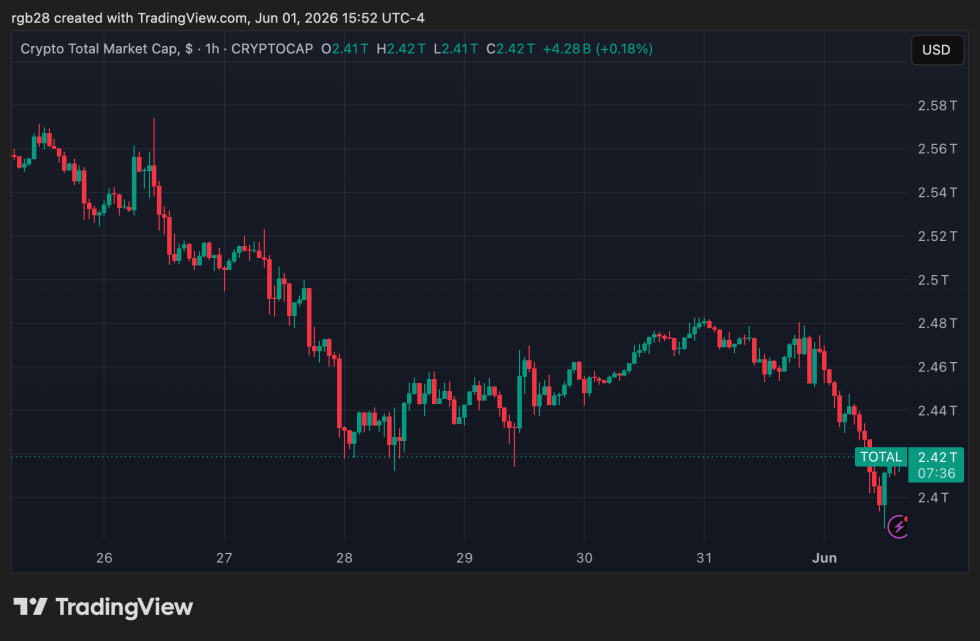
The total crypto market capitalization is at $2.42 trillion in the one-week chart. Source: TOTAL on TradingView


热门币种推荐

相关问答

QWhat are the two main proposals Japan's Liberal Democratic Party (LDP) has submitted to the government regarding digital assets?

AJapan's Liberal Democratic Party (LDP) has submitted two main proposals. First, it called for the government to develop a legal framework to allow crypto-based Exchange-Traded Funds (ETFs) in the country. Second, it urged the government to promote the use of yen-denominated stablecoins for settlement within Asia.

QWhat is the status of the legal framework for stablecoins in Japan, and who is allowed to issue yen-denominated stablecoins?

AJapan established its legal framework for stablecoins through a 2022 amendment to the Payment Services Act. Under these rules, only licensed money transfer companies, trust companies, and banks are permitted to issue yen-denominated stablecoins.

QWhat are the potential timelines for the approval and listing of the first crypto ETFs in Japan according to the article?

AThe article mentions that the first wave of crypto ETFs in Japan could be approved and listed within the next two years. Some industry leaders believe the rollout could happen as early as next year if legal revisions allow. However, the CEO of JPX also noted that listings might be delayed until 2028 if progress on amending the law stalls.

QWhat recent regulatory change did Japan's FSA make regarding foreign stablecoins, effective from June 1?

AIn May, Japan's Financial Services Agency (FSA) expanded the Cabinet Office Ordinance to recognize certain trust-type stablecoins issued by foreign trust banks and similar entities as 'electronic payment instruments' under the Payment Services Act, starting June 1. This change removes these foreign trust-backed stablecoins from the 'securities' classification under the Financial Instruments and Exchange Act (FIEA).

QWhat are the stated benefits of crypto ETFs according to the LDP's proposal?

AAccording to the LDP's proposal, 'Crypto-ETFs would provide investors with easy-to-understand ways of investment.' The party urged the government to position such products as an official means of investment in the financial market.

你可能也喜欢

观点:BIP-110的失败证明了比特币共识机制的稳健性

**观点:BIP-110的失败证明了比特币共识的韧性** 在播客The Starting Block中,Plan B Network总监Giacomo Zucco表示,旨在修改共识规则以对抗“垃圾交易”的BIP-110软分叉提案未能获得广泛支持,最终导致采用新规则的节点分裂成一条哈希率占比极小的独立链。其失败表明,如今已几乎不可能复制比特币诞生时的原始环境。 Zucco将比特币的早期发展称为“无暇的诞生”,当时网络在远离市场、政府、投机者与干扰者的关注下成长。他批评BIP-110的支持者利用对非法内容和节点运营者法律风险的担忧,制造了“虚假的紧急状态”,使理性讨论被恐慌情绪取代,并试图以“拯救比特币”之名推动妥协。 Zucco认为BIP-110是复杂的社会现象,涉及关于“垃圾交易”本质、Bitcoin Core角色以及节点与矿工权责的社区内冲突。尽管部分讨论有益,但整个事件暴露了过度中心化的决策风险——主导该分叉的开发者Luke Dashjr一度通过Discord单方面指挥,甚至尝试更换工作量证明算法,但因矿工操纵测试网区块哈希而失败。 对于Dashjr近期因越权而被免去比特币提案编辑职务,Zucco批评此举是“错误时间点的错误一步”,更像是一种报复,反而可能强化BIP-110支持者关于比特币开发过程中心化的论点。此前,密码朋克Adam Back也曾谴责该提案是对比特币声誉的“猎巫式”攻击。 Zucco总结,BIP-110的失败恰恰证明了比特币核心共识机制在面对激进变革压力时的强大韧性,而试图通过中心化手段“复制比特币”在当今环境下已不可行。

cryptonews.ru36分钟前

观点:BIP-110的失败证明了比特币共识机制的稳健性

cryptonews.ru36分钟前

加密货币公司呼吁人工智能实验室为比特币防御者“装备”最强大的模型

超过三十家比特币与加密货币公司联合致信主要AI实验室,呼吁为开源开发者提供早期访问最强大网络安全模型的机会。这封由比特币政策研究所发起的公开信指出,Bitcoin Core等关键金融基础设施开发者目前使用的AI工具弱于潜在攻击者,且公共模型的防护限制有时会阻碍合法的漏洞搜寻。 签署方包括Coinbase、Block、BitGo等知名公司。他们警告,比特币网络守护着超1万亿美元资产,相关基础设施的漏洞可能危及用户资金。因此,信中建议AI实验室建立可信访问计划,内容包括:提供早期模型访问、充足算力、安全代码分析环境,并允许小型团队及独立开发者参与。 近期攻击事件凸显了此需求的紧迫性。签署方之一BTCPay Server曾揭露一个被用于攻击Lightning节点的关键漏洞;比特币红队已开始使用AI模型审计代码库并提交了数千个潜在问题。此外,Coldcard攻击事件导致约111万美元的比特币被盗,原因是硬件随机数生成器被错误关闭,致使系统使用可预测的软件生成器,大幅降低了安全性。 2026年一系列针对加密货币基础设施的攻击,如Ostium、AFX等项目共损失数千万美元,进一步表明高级AI模型在分析大型代码库、发现非常规攻击场景方面的潜在价值,可帮助开发者在漏洞被利用前识别并修复问题。

cryptonews.ru38分钟前

加密货币公司呼吁人工智能实验室为比特币防御者“装备”最强大的模型

cryptonews.ru38分钟前

交易

现货

热门文章

如何购买PUSH

欢迎来到HTX.com!我们已经让购买Push Protocol(PUSH)变得简单而便捷。跟随我们的逐步指南,放心开始您的加密货币之旅。第一步:创建您的HTX账户使用您的电子邮件、手机号码注册一个免费账户在HTX上。体验无忧的注册过程并解锁所有平台功能。立即注册第二步:前往买币页面,选择您的支付方式信用卡/借记卡购买:使用您的Visa或Mastercard即时购买Push Protocol(PUSH)。余额购买:使用您HTX账户余额中的资金进行无缝交易。第三方购买:探索诸如Google Pay或Apple Pay等流行支付方法以增加便利性。C2C购买:在HTX平台上直接与其他用户交易。HTX场外交易台(OTC)购买:为大量交易者提供个性化服务和竞争性汇率。第三步:存储您的Push Protocol(PUSH)购买完您的Push Protocol(PUSH)后,将其存储在您的HTX账户钱包中。您也可以通过区块链转账将其发送到其他地方或者用于交易其他加密货币。第四步:交易Push Protocol(PUSH)在HTX的现货市场轻松交易Push Protocol(PUSH)。访问您的账户,选择您的交易对,执行您的交易,并实时监控。HTX为初学者和经验丰富的交易者提供了友好的用户体验。

1.5k人学过发布于 2024.03.29更新于 2026.06.02

如何购买PUSH

相关讨论

欢迎来到HTX社区。在这里,您可以了解最新的平台发展动态并获得专业的市场意见。以下是用户对PUSH(PUSH)币价的意见。

活动图片