The AI Stock Genius Who Made 60x Bets $7.7 Billion on Nvidia Topping Out

链捕手发布于2026-05-20更新于2026-05-20

文章摘要

An AI-focused hedge fund named Situational Awareness LP, known for its 60x returns, has taken a significant bearish stance on semiconductor stocks in Q1 2026. Its 13F filing reveals a massive 148% quarterly increase in nominal exposure to $13.677 billion, with over 60% of the new exposure directed towards put options on major chip players. Key bearish bets include $2.04 billion in puts on the VanEck Semiconductor ETF (SMH) and $1.56 billion on NVIDIA, alongside positions against Broadcom, Oracle, AMD, and others. The fund simultaneously increased its long equity holdings in AI infrastructure and compute providers like CoreWeave and Bitcoin mining companies repurposing for compute. The core thesis behind this positioning is a shift in the primary constraint for AI expansion. The fund argues that while GPU supply was the critical bottleneck in previous years, the new limiting factors for large-scale AI cluster deployment are physical infrastructure: electrical grid access (with multi-year backlogs in the US), power availability, land, and data center construction timelines. The fund is not betting against AI's success but rather hedging against potential valuation corrections in semiconductor stocks whose prices may have run ahead, while directly investing in the downstream physical bottlenecks—power and data center capacity—it believes will capture value next. This move translates a previously theoretical narrative about infrastructure constraints into a concrete, high-convic...

Author: BiBi News

On May 18, 2026, Situational Awareness LP submitted its 13F filing for the first quarter of 2026.

The fund's nominal exposure to U.S. stocks and options expanded from $5.52 billion at the end of 2025 to $13.677 billion, a single-quarter growth of 148%.

However, what caught market attention was not the size, but the structure: over 60% of the new nominal exposure was entirely placed in put options on the semiconductor sector.
What Q1 Did

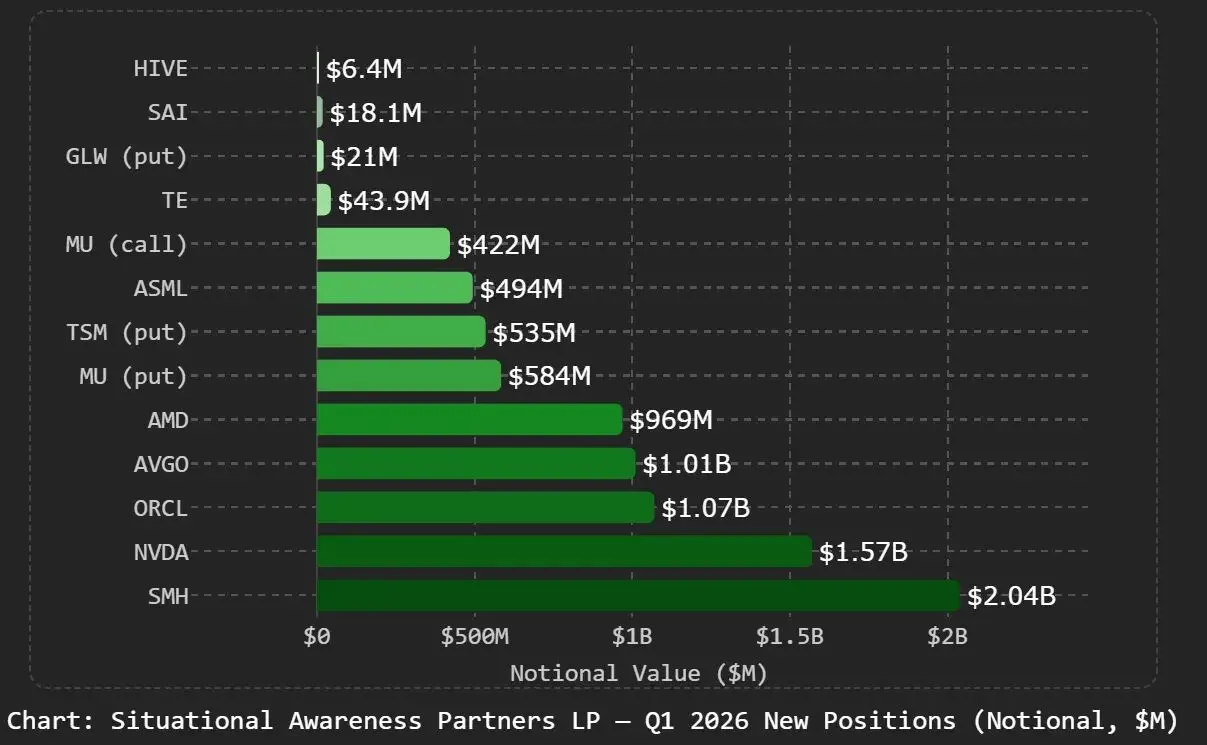
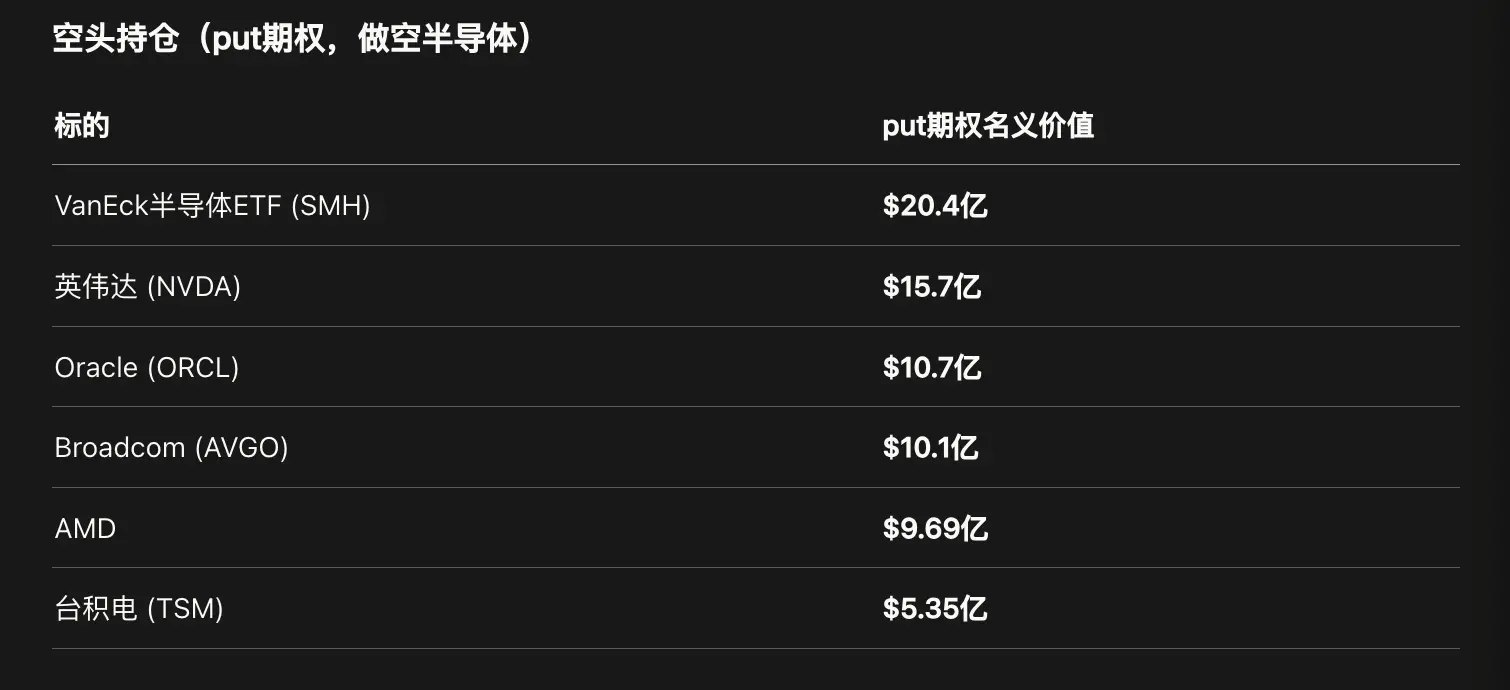
The put options cover nine targets: VanEck Semiconductor ETF (SMH), NVIDIA, Broadcom, Oracle, AMD, Micron, TSMC, ASML, Intel.

Among them, SMH has the largest put nominal size at $2.04 billion, followed by NVIDIA at $1.56 billion. Micron and TSMC hold both call and put options, indicating a bet on volatility rather than a one-sided short.

It should be noted that the 13F filing only discloses the nominal value of options, making it impossible to directly determine the net short size. These put positions could be active shorting or could be hedging protection purchased while holding long positions.

The full intent cannot be reconstructed from the filing alone.
In the stock direction, the fund continued to bet on computing infrastructure.

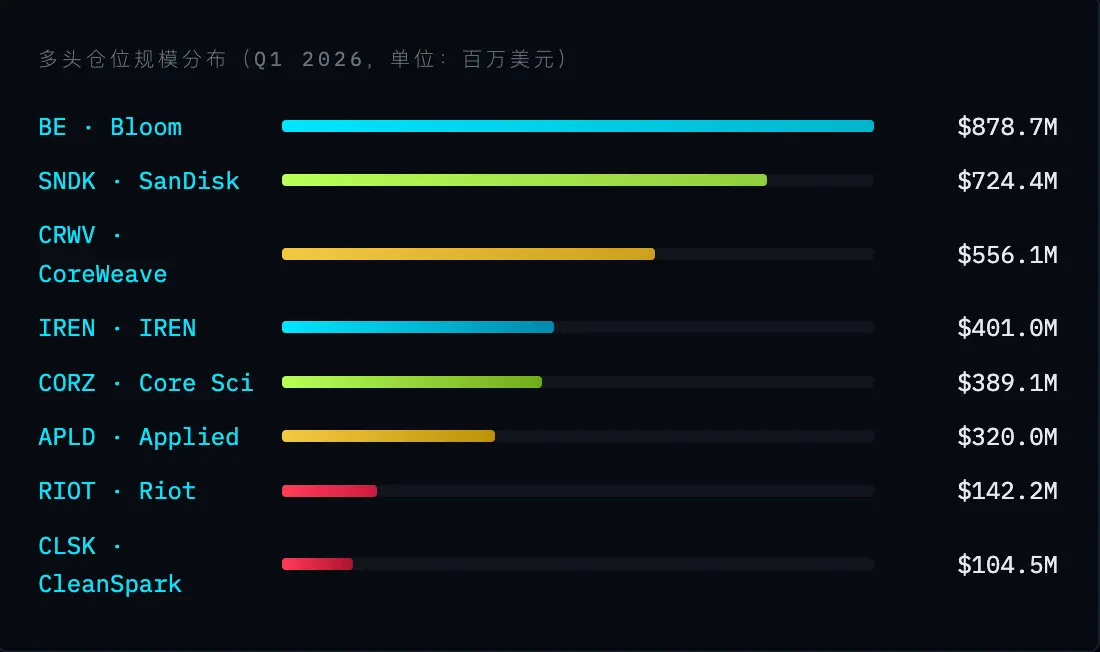
CoreWeave holdings increased from 6.1 million shares to 7.18 million shares; IREN and Applied Digital were similarly increased;

The expansion was most pronounced in the miner direction: Bitfarms (now renamed Keel Infrastructure) increased from 6.9 million shares to 19.88 million shares, CleanSpark increased from 1.64 million shares to 12.28 million shares, Riot Platforms increased from 6.17 million shares to 11.5 million shares.

Bloom Energy reduced holdings by 3.59 million shares but still holds about $879 million in market value, while retaining 408.5 thousand call options. This is profit-taking, not a change in direction.

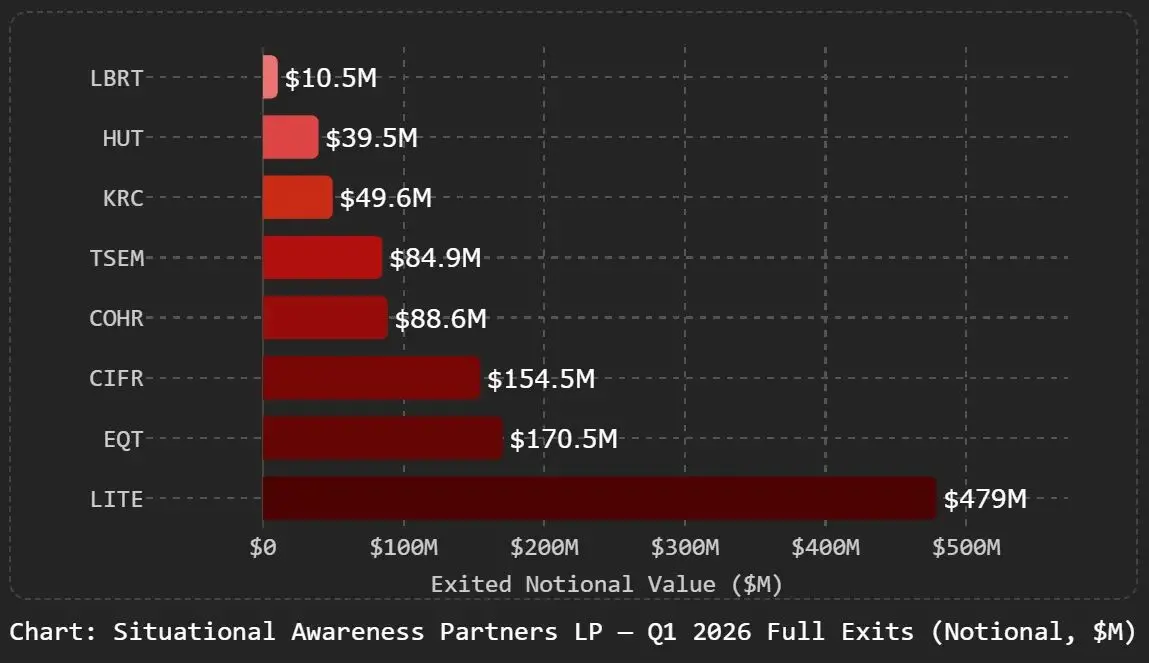
Exits were concentrated in the optical communication direction.

Lumentum and Coherent were completely liquidated; last quarter, Lumentum's position accounted for as much as 8.68%, this quarter it is zero.

Intel's operation deserves separate attention: last quarter held about 20 million call options, all liquidated this quarter, while establishing new put option positions.

Not a flat position, but a complete reversal in direction, from bullish to bearish.
Where the Bottleneck Is, the Money Is

The logic behind this 13F is a specific judgment on supply and demand: the constraints on AI expansion are shifting.

Over the past two years, the core constraint limiting AI scale was GPU shortage, so the market persistently traded NVIDIA, HBM memory, advanced manufacturing, and optical communication. During this phase, the semiconductor sector as a whole received a significant premium.

However, as computing clusters scale towards hundreds of thousands or even millions of GPUs, new constraints are emerging.

Grid connection applications in the US currently have a backlog exceeding 2TW, with an average wait time of over five years; transformer capacity is limited, and new data center construction cycles are measured in years; chips can continue to expand production, but the electricity, land, and construction capabilities needed to support their operation cannot keep pace.
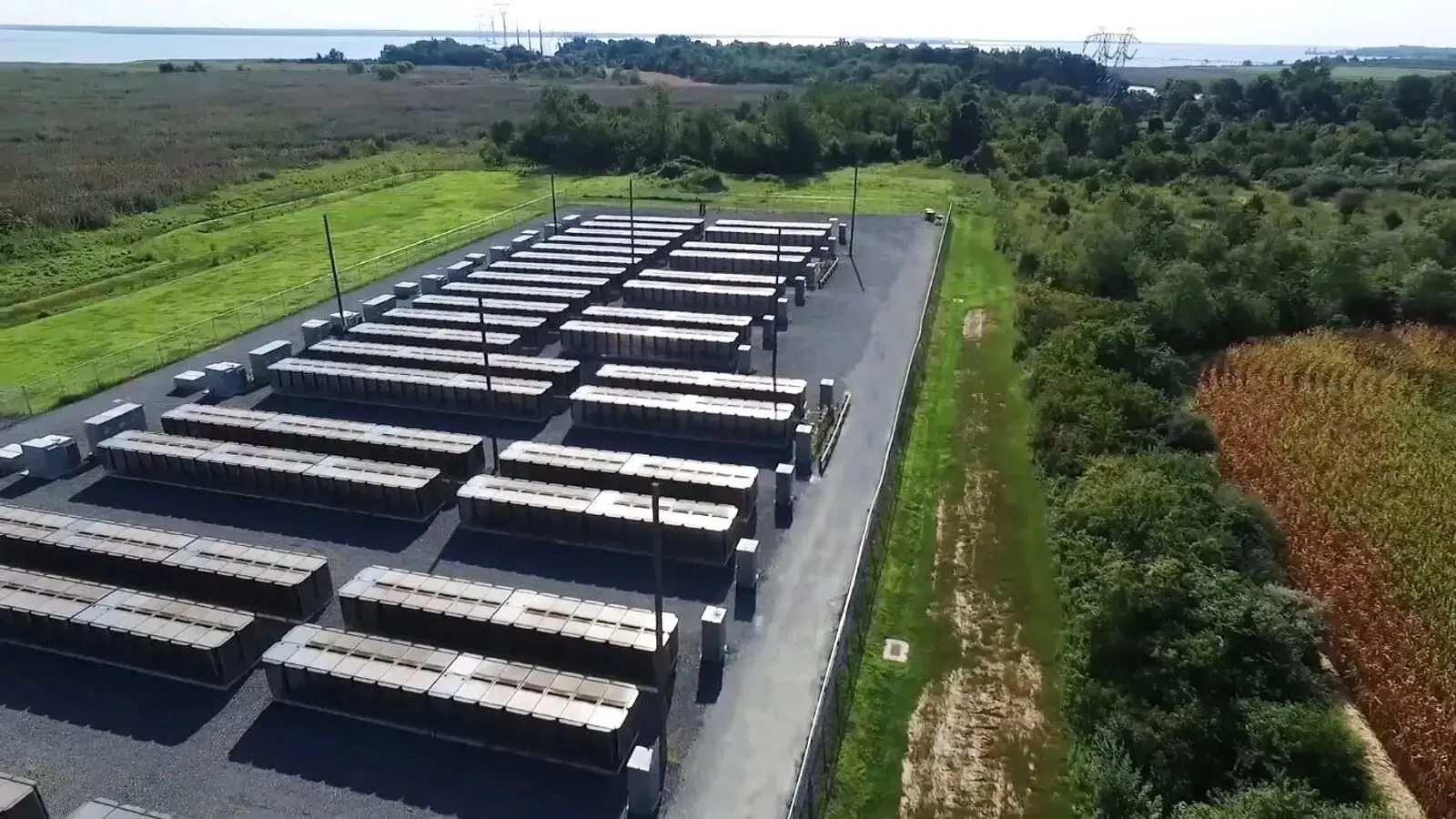
Under this judgment, the logic of shorting the semiconductor sector is not the belief that AI will fail, but that valuations in the chip sector have already priced in expectations, and value is migrating to downstream physical infrastructure.

Buying puts on SMH and NVIDIA hedges against potential valuation corrections in the chip sector; continuing to hold CoreWeave, transformed miner companies, Bloom Energy, is betting on the real bottlenecks: electricity and data center capacity.

CoreWeave's operation also confirms this thinking: call options were slashed from 10.81 million to 1.81 million, while common shares increased from 6.1 million to 7.18 million shares.

The direction hasn't changed, only the high-leverage option positions were swapped for common stock to reduce portfolio volatility impact.
From $225 Million to $13.677 Billion

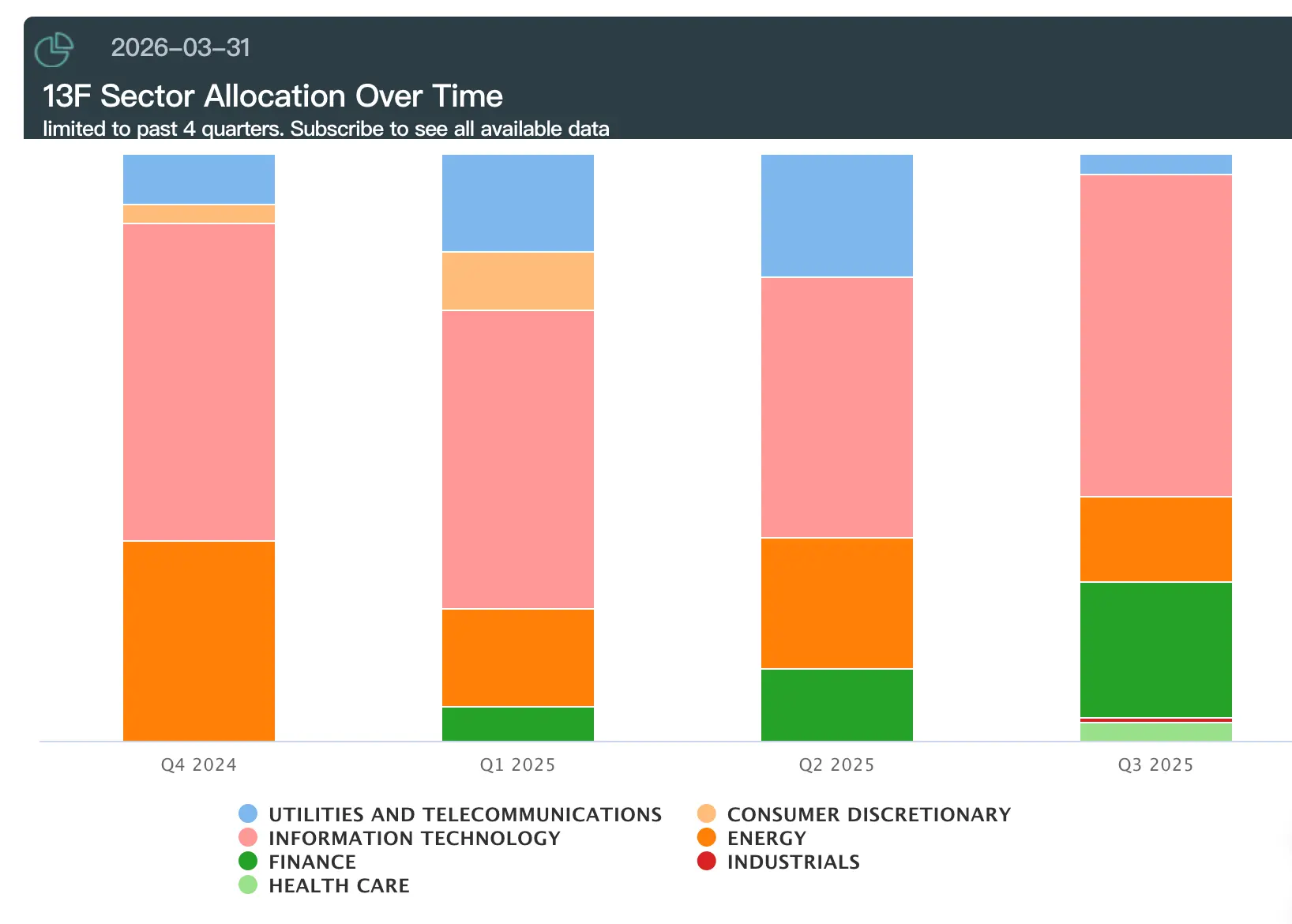
This fund was founded in September 2024; its first 13F disclosed U.S. stock exposure of about $225 million. By the end of 2025, this number had grown to $5.52 billion; as of March 31, 2026, the nominal exposure reached $13.677 billion.

In the first half of 2025, the fund achieved a return of about 47%, while the S&P 500 rose only about 6%; for the full year, it outperformed the S&P 500 by about 12.5 percentage points.
Before founding the fund, this 24-year-old German published a 165-page paper titled "Situational Awareness: The Decade Ahead," outlining judgments on the AGI timeline and that power and computing infrastructure would become the biggest bottlenecks. The fund's early capital came from Nat Friedman, Daniel Gross, and Stripe co-founders Patrick and John Collison.

The significance of this quarterly report is that it translates a judgment that was previously more narrative into concrete portfolio structure.

Chips are merely the entry point for expansion; what truly determines the speed of AI expansion is whether, in the real world, power can be connected, data centers can be built, and grid connection approvals can be obtained within five years.

If this judgment holds, the keywords for AI investment over the past two years were GPU and models; in the coming years, they may be electricity, land, and construction time.


相关问答

QWhat was the most significant action taken by Situational Awareness LP in Q1 2026, as revealed by its 13F filing?

AOver 60% of the fund's new nominal exposure was placed in put options on the semiconductor sector, signaling a major directional bet against or a hedge for the chip industry. This includes significant put positions on VanEck Semiconductor ETF (SMH) and NVIDIA.

QWhich physical infrastructure sectors did Situational Awareness LP increase its long positions in, and why?

AThe fund increased long positions in power and data center infrastructure companies like CoreWeave, IREN, Applied Digital, and bitcoin miners transitioning to data centers (e.g., Bitfarms, CleanSpark, Riot Platforms). This was based on the belief that constraints for AI expansion are shifting from GPU shortages to bottlenecks in electricity, land, and construction capacity.

QWhat was Situational Awareness LP's specific action regarding Intel in Q1 2026, and what does it indicate?

AThe fund completely closed its approximately 20 million call option positions on Intel from the previous quarter and simultaneously established new put option positions. This indicates a complete reversal in view, from bullish to bearish on the company.

QAccording to the article's analysis, what is the core logic behind the fund's seemingly contradictory moves of holding puts on chips while being long on infrastructure?

AThe core logic is that the valuation for chip companies has already priced in high expectations, while the real constraint for future AI growth is the availability of physical infrastructure like power grids and data centers. Therefore, the fund is hedging potential chip valuation pullbacks while betting on the rising value of the downstream infrastructure bottlenecks.

QHow has Situational Awareness LP's performance been since its inception, and who were its notable early backers?

ASince its founding in September 2024, the fund's nominal exposure grew from $225 million to $13.677 billion by Q1 2026. It significantly outperformed the S&P 500, delivering ~47% returns in H1 2025 versus the index's ~6%. Early backers included prominent figures like Nat Friedman, Daniel Gross, and Stripe co-founders Patrick and John Collison.

你可能也喜欢

从矿池到火星:王纯为何会坐进SpaceX驾驶舱?

当SpaceX宣布比特币矿池F2Pool联合创始人王纯将担任首次商业载人星际飞行任务指挥官时,许多人感到震惊。但深入了解王纯的经历及加密行业与航天领域日益紧密的联系后,便能发现这并非偶然。 王纯是中国最早的比特币布道者与基础设施建设者之一。他创立的F2Pool不仅是早期大型矿池,更为比特币网络奠定了全球算力基础,体现了从数字世界“能源工人”到太空文明建设者的跨越。这种长期主义与技术乌托邦精神,与Elon Musk的航天愿景内核一致。 加密行业与SpaceX的靠近,源于两者同属下一代基础设施竞争的核心。SpaceX旨在大幅降低太空成本,开启太空经济新时代,而加密货币则可能成为跨星球经济中天然的价值流通网络。两者共享高风险、长期主义的基因,共同指向能源、算力、AI与太空设施构成的未来文明体系。 王纯的入选也标志着人类航天史进入新阶段:深空探索的主导力量正从国家行为转向商业公司与科技资本。这类似于大航海时代商业资本推动全球扩张的历史重现。王纯提醒“不该把登陆计划留给下一代”,强调了火星作为多星球文明关键目标的意义,而非止步于更易商业化的月球。 总之,从矿池到火星,王纯的历程预示了未来文明演化的方向:科技公司、AI系统与全球技术资本正成为人类星际扩张的新驱动力量。

marsbit23分钟前

从矿池到火星:王纯为何会坐进SpaceX驾驶舱?

marsbit23分钟前

单价低于0.05美元的顶级加密货币,若实现采用目标,涨幅潜力或超1000%

随着投资者寻找下一轮加密市场爆发增长机会,价格低于0.05美元的低价代币再度成为焦点。这类资产对早期投资者具有吸引力,因为即使采用率小幅提升也可能带来巨大的百分比收益。以下是三个备受关注、价格低于0.05美元的加密货币项目,分析师认为若其采用目标达成,它们可能带来1000%或以上的上涨潜力。 **Ozak AI ($OZ):早期AI项目,势头迅猛** Ozak AI是本周期最受瞩目的低价加密项目之一。目前处于预售第七阶段,价格为0.014美元。该项目起步价为0.001美元,早期参与者已获得1300%的收益,预售已筹集约700万美元,售出超12亿代币。其核心是构建一个AI驱动的市场情报平台,通过其Ozak Stream网络将实时数据输入运行在去中心化物理基础设施(DePIN)上的预测AI模型。用户可使用自定义预测代理、加密数据保险库,并使用$OZ代币访问分析、进行质押、治理和货币化AI生成的洞察。项目已与SINT和Weblume建立战略合作。若上市后采用加速,其预期1美元的交易所上市价格可能带来超过1000%的上涨空间。 **Kaspa (KAS):高速区块链,仍处早期采用阶段** Kaspa常被称为市场上最快的工作量证明区块链之一。它采用区块DAG架构,允许多个区块同时确认,从而在保持去中心化和安全的同时实现高吞吐量。尽管社区不断壮大,其价格长期处于几分钱区间。支持者认为,若在支付、挖矿和可扩展应用方面的采用得以扩大,Kaspa可能经历显著的价值重估。 **VeChain (VET):企业级区块链,处于折价状态** VeChain是市场上最成熟的低价代币之一,专注于供应链管理、物流和企业数据验证,并已建立起许多新项目缺乏的现实世界合作伙伴关系。其价格长期在几分钱徘徊,相对于其采用程度常被提及估值偏低。若下一轮牛市企业区块链应用扩大,其基础设施优先的方法可能推动代币需求复苏,使1000%的上涨成为可讨论的现实目标。 **低价代币吸引早期资本的原因** 低于0.05美元的代币具有心理和数学上的吸引力。例如,以100美元按0.014美元价格可购入约7143个Ozak AI代币,若价格达到1美元,其价值将超过7000美元。然而,高潜在回报也伴随着高风险,项目的执行、采用率及整体市场状况将最终决定成败。 **总结** 低价加密货币并非稳赢保证,但当基本面与时机契合时,它们往往提供实现指数级增长的最清晰路径。Ozak AI因其早期吸引力和AI驱动的实用性脱颖而出,而Kaspa和VeChain则代表了可能从新一轮采用周期中受益的成熟项目。对于愿意超越价格、关注长期潜力的投资者而言,这些低于0.05美元的代币可能在未来几年提供最具吸引力的增长机会。

TheNewsCrypto33分钟前

单价低于0.05美元的顶级加密货币,若实现采用目标,涨幅潜力或超1000%

TheNewsCrypto33分钟前

交易

现货
合约

热门文章

加密市场宏观研报:《GENIUS Act》法案取得重大进展,BTC突破历史新高,后市全新展望

2025年5月22日,比特币价格正式突破11万美元大关,创下历史新高。在政策面、宏观经济、资金面与投资者结构共同作用下,一场结构性牛市浪潮正在展开。而此轮上涨背后的核心驱动,是美国《GENIUS稳定币法案》的实质性进展以及多项利好的叠加。本文将从政策端突破、宏观环境转向、链上与ETF资金结构、交易行为演化,以及重点受益赛道五大维度,全面解析此轮BTC再创新高的深层逻辑,并前瞻下半年市场的潜在趋势。

1.6k人学过发布于 2025.05.22更新于 2025.05.22

加密市场宏观研报:《GENIUS Act》法案取得重大进展,BTC突破历史新高,后市全新展望

如何购买GENIUS

欢迎来到HTX.com!我们已经让购买Genius(GENIUS)变得简单而便捷。跟随我们的逐步指南,放心开始您的加密货币之旅。第一步:创建您的HTX账户使用您的电子邮件、手机号码注册一个免费账户在HTX上。体验无忧的注册过程并解锁所有平台功能。立即注册第二步:前往买币页面,选择您的支付方式信用卡/借记卡购买:使用您的Visa或Mastercard即时购买Genius(GENIUS)。余额购买:使用您HTX账户余额中的资金进行无缝交易。第三方购买:探索诸如Google Pay或Apple Pay等流行支付方法以增加便利性。C2C购买:在HTX平台上直接与其他用户交易。HTX场外交易台(OTC)购买:为大量交易者提供个性化服务和竞争性汇率。第三步:存储您的Genius(GENIUS)购买完您的Genius(GENIUS)后,将其存储在您的HTX账户钱包中。您也可以通过区块链转账将其发送到其他地方或者用于交易其他加密货币。第四步:交易Genius(GENIUS)在HTX的现货市场轻松交易Genius(GENIUS)。访问您的账户,选择您的交易对,执行您的交易,并实时监控。HTX为初学者和经验丰富的交易者提供了友好的用户体验。

349人学过发布于 2026.04.29更新于 2026.05.11

如何购买GENIUS

相关讨论

欢迎来到HTX社区。在这里,您可以了解最新的平台发展动态并获得专业的市场意见。以下是用户对GENIUS(GENIUS)币价的意见。

活动图片