Contract Audit Passed, Thermometer Did Not: Polymarket's 'Physical Vulnerability' Moment

marsbitXuất bản vào 2026-04-23Cập nhật gần nhất vào 2026-04-23

Tóm tắt

According to reports, an individual manipulated temperature sensors at Paris Charles de Gaulle Airport (LFPG) on April 6th and 15th, causing brief, anomalous spikes of over 3°C. These events were allegedly orchestrated to profit from corresponding low-probability bets on the prediction market Polymarket, turning a small investment into approximately $34,000. The French national meteorological service, Météo-France, filed a criminal lawsuit after discovering signs of physical tampering. The attack required minimal technical skill; the perpetrator reportedly used a battery-powered hairdryer to briefly heat the publicly accessible sensor. Polymarket’s market for Paris temperature settles based on the day's highest recorded temperature from a data chain that runs from the physical sensor to Météo-France, to Weather Underground, and finally to its smart contract. In response, Polymarket did not void the profits or make an official statement. It silently changed the data source for its Paris market from LFPG to Le Bourget Airport (LFPB), a location with similarly unprotected sensors. This incident highlights a critical vulnerability: while the smart contracts are audited and secure, the physical data sources feeding them remain exposed and easy to manipulate.

Original Author: Sanqing, Foresight News

According to French media Le Monde, on April 6th and 15th, the meteorological sensors at Paris Charles de Gaulle Airport experienced two anomalies. The temperature surged by more than 3°C within minutes before quickly returning to normal, as if nothing had happened. Behind each anomaly, someone had placed bets on the corresponding low-probability temperature range on Polymarket in advance. From a principal of just tens of dollars, they collectively walked away with approximately $34,000 from these two incidents. The account that placed the first bet was created just two days before the anomaly occurred.
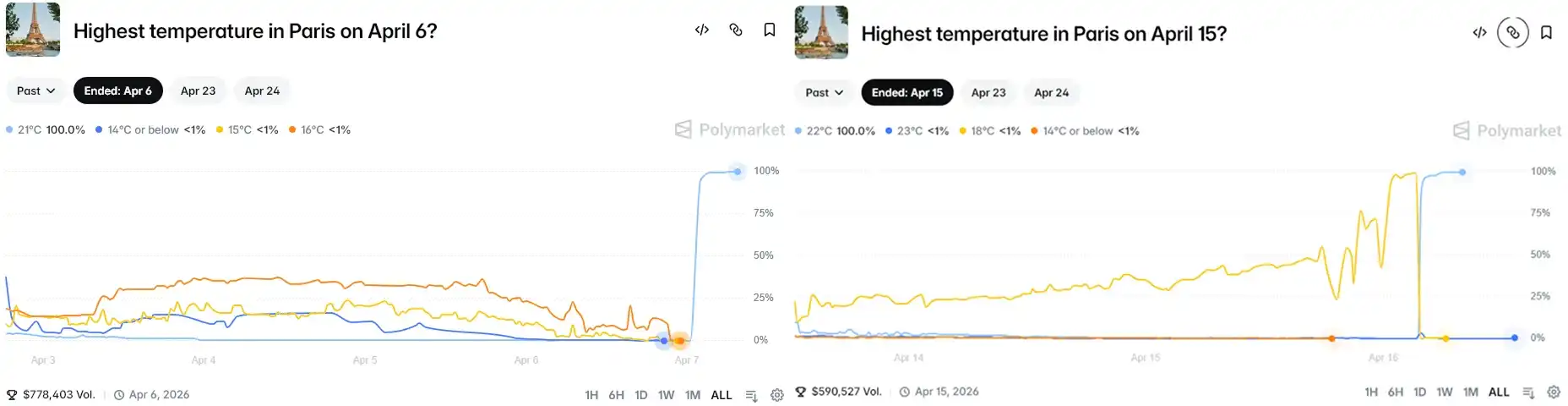
Météo-France subsequently conducted a physical inspection of the sensors and found signs of human intervention. They filed a criminal complaint with the Charles de Gaulle Airport Gendarmerie, with the charge being "interfering with an automated data processing system." According to an analysis in an AR15 forum post, based on Article 323-2 of the French Penal Code, and because Météo-France is a public institution, the related charges could carry a maximum penalty of 7 years imprisonment and a fine of 300,000 euros.

The Technical Sophistication of This Scam Is Approximately Zero

The settlement chain for Polymarket's Paris temperature market is as follows: Physical Sensor → Météo-France → Weather Underground → Polymarket Contract.

On this chain, the smart contract part is audited, data transmission is automated, and Weather Underground's data scraping is real-time. The only weak point is at the very beginning: a thermometer standing by the airport roadside, without fencing, without cameras, accessible to anyone who walks by.

All the attacker needed was a battery-powered heat gun/hairdryer.

Polymarket bases its settlement on the day's maximum temperature. This means that creating one brief temperature peak is enough to rewrite the official record for the day.

Acting in the evening or at night is more ideal, as the daytime high has usually already passed, making subsequent readings more likely to become the new record. Therefore, the suspect chose 7 PM on April 6th and 9:30 PM on April 15th.

The operational procedure was likely: buy the low-probability option in advance, walk to the sensor at night, turn on the heat gun, wait for the reading to cross the target temperature, stop, leave, and wait for on-chain settlement.

The entire operation required no technical skill whatsoever, just some understanding of the settlement mechanism and a willingness to walk to the edge of the airport.

Polymarket's Response: Quietly Swapped the Thermometer

Polymarket has not issued any official statement regarding this incident. The only thing it did was change the settlement data source for the Paris temperature market from Charles de Gaulle Airport (LFPG) to Le Bourget Airport (LFPB).
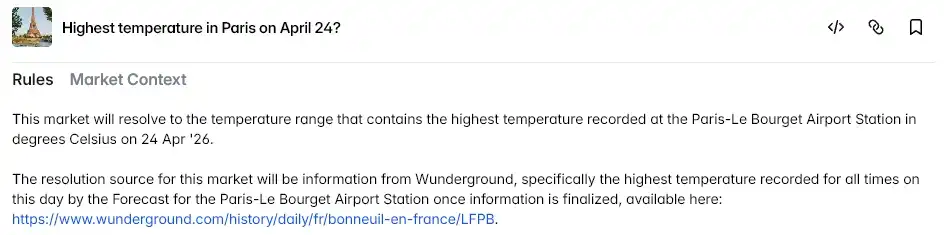
The profits from the two accounts were not revoked; the market settled normally according to the on-chain records.

The sensor at Le Bourget Airport is also placed outdoors, similarly without physical protection. They changed the address, but the problem remains entirely unchanged.

This is not Polymarket's first controversy. In October 2024, a French trader was accused of manipulating Trump election odds using 4 linked accounts, reportedly profiting $85 million; in March 2025, a whale used 5 million tokens to forcibly push through a UMA governance vote, settling a controversial market with a "Yes" outcome, involving $7 million; in January and March 2026, anomalous bets appeared in markets related to Venezuela and Iran respectively, with the latter already drawing attention from the US Congress...

Previous incidents at least required millions of dollars in capital or governance tokens; this time the cost was just a heat gun.

The Contract Was Audited, The Thermometer Was Not

This story has an absurd sense of humor. A prediction market running on the blockchain, touting decentralization and immutability, was thoroughly exploited twice by a battery-powered heat gun. Cryptography was of no help in this matter because it never verifies whether the input data is real.

Polymarket currently has 173 active weather markets. The settlement basis for most of these markets is a single physical sensor in some location.
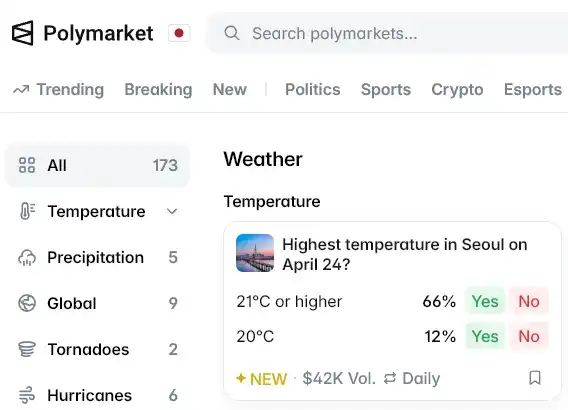
When a sensor is used as a meteorological tool, its credibility comes from the fact that no one has a motive to tamper with it. Polymarket gave it a new incentive structure but provided no new physical protection.

The Météo-France thermometer dutifully recorded the temperature it sensed. It just didn't know it had become a financial settlement terminal.

Câu hỏi Liên quan

QWhat was the key vulnerability exploited in the Polymarket Paris temperature market incident?

AThe physical vulnerability of the meteorological sensor at Charles de Gaulle Airport, which was unprotected and could be easily manipulated with a simple tool like a battery-powered hairdryer.

QHow did the attackers profit from manipulating the temperature sensor?

AThey placed bets on low-probability temperature ranges on Polymarket just before artificially spiking the temperature, turning a small investment of tens of dollars into approximately $34,000 in profits across two incidents.

QWhat was Polymarket's response to the temperature manipulation incidents?

APolymarket did not issue an official statement or reverse the profits. They silently changed the data source for the Paris temperature market from Charles de Gaulle Airport (LFPG) to Le Bourget Airport (LFPB), which had the same physical vulnerability.

QWhat legal consequences might the perpetrators face according to the article?

AUnder French law, specifically Article 323-2, and because Météo-France is a public institution, the charges for interfering with an automated data processing system could result in up to 7 years in prison and a €300,000 fine.

QWhat does the incident reveal about the limitations of blockchain-based prediction markets like Polymarket?

AIt highlights that while smart contracts are audited and the blockchain is secure, the system remains vulnerable if the real-world data inputs (oracles) are not physically secure and can be easily manipulated, undermining the integrity of the market.

Nội dung Liên quan

E Fund Tuyên Bố "Cai Rượu"

Tác giả: Hoàng Dịch Đạt Biên tập: Trương Phàm Quỹ do Trương Côn quản lý là Dịch Phương Đạt Châu Á Tinh Tuyển (QDII) đã giảm mạnh cổ phiếu Samsung Electronics và SK Hynix trong quý II/2026, tránh được tổn thất từ đợt sụt giảm thị trường Hàn Quốc gần đây. Đồng thời, hai sản phẩm chủ lực của ông là Dịch Phương Đạt Lam Trù Tinh Tuyển và Dịch Phương Đạt Ưu Chất Tinh Tuyển cũng có những điều chỉnh chiến lược đáng chú ý. Trong quý II/2026, cả hai quỹ này đều giảm quy mô và tỷ trọng cổ phiếu, đồng thời tăng tỷ lệ nắm giữ tiền mặt. Đặc biệt, họ tiếp tục giảm mạnh cổ phiếu ngành tiêu dùng, chủ yếu là các cổ phiếu rượu trắng như Moutai, Ngũ Lương Diệp, vốn từng là tài sản cốt lõi trong danh mục. Tỷ trọng ngành tiêu dùng lớn trong Dịch Phương Đạt Lam Trù Tinh Tuyển đã giảm từ mức đỉnh khoảng 80% xuống khoảng 72%, trong khi ở Dịch Phương Đạt Ưu Chất Tinh Tuyển giảm từ 82% xuống còn khoảng 64%. Việc các quỹ công bạch giảm nắm giữ ngành tiêu dùng phản ánh sự thay đổi trong môi trường vĩ mô và chu kỳ ngành. Sau thời kỳ vàng son 2017-2021, tốc độ tăng trưởng của ngành tiêu dùng chậm lại do kinh tế phục hồi yếu sau đại dịch, thay đổi quan niệm tiêu dùng và áp lực tồn kho kênh phân phối. Trong khi đó, phong cách thị trường chuyển dịch sang các lĩnh vực công nghệ như chuỗi AI, thu hút dòng tiền mạnh mẽ. Mặc dù hiện tại ngành tiêu dùng có biên an toàn định giá nhất định, nhưng thiếu động lực tăng trưởng dài hạn và có thể sẽ duy trì dao động ở mức thấp. Điều chỉnh danh mục của Trương Côn cho thấy xu hướng rời bỏ ngành tiêu dùng của các quỹ công bạch và sự kết thúc của thời kỳ tăng giá tập trung vào ngành này trước đây.

marsbit13 phút trước

E Fund Tuyên Bố "Cai Rượu"

marsbit13 phút trước

Trước khi thúc đẩy lần hai lên sàn Hong Kong, Topstar "chuyển giao" đơn hàng liên quan trị giá 548 triệu NDT

Sau khi đơn đăng ký đầu tiên hết hiệu lực chỉ bốn ngày, Tập đoàn Tuostar (300607.SZ), "ông lớn robot công nghiệp", đã nộp lại hồ sơ lên Sở Giao dịch Chứng khoán Hong Kong (HKEX) để niêm yết cổ phiếu H. Trong tám năm qua, biểu đồ hiệu suất của công ty đã trải qua nhiều thăng trầm. Câu chuyện chuyển đổi "giảm doanh thu, tăng lợi nhuận" của Tuostar đang hiện rõ: Doanh thu thuần giảm từ mức đỉnh 4,984 tỷ nhân dân tệ năm 2022 xuống còn 2,51 tỷ nhân dân tệ năm 2025. Tuy nhiên, lợi nhuận ròng thuộc về cổ đông công ty mẹ trong quý I/2026 tăng 1147%. Sự thay đổi này đến từ việc công ty chủ động thu hẹp mảng kinh doanh Hệ thống quản lý năng lượng thông minh và môi trường, một mảng có tỷ suất lợi nhuận thấp hơn robot công nghiệp. Việc thu hỏi mảng kinh doanh này đi kèm với những điều chỉnh về nhân sự. Cựu Phó tổng giám đốc Hoàng Đại Ba từ chức vào tháng 12/2025, sau đó gia nhập Tô Châu Bá Nghê và Đông Hoàn Quân Nghiệp Lục Năng. Do ông Hoàng rời công ty chưa đầy một năm, hai công ty này trở thành bên liên quan. Giao dịch liên quan dự kiến của Tuostar với họ trong năm 2026 lên tới 548 triệu nhân dân tệ. Theo mô hình mới, Tuostar sẽ chuyển các đơn hàng mới trong lĩnh vực cũ cho các công ty liên quan này và thu phí quản lý 3%. Trước lần nộp hồ sơ đầu tiên, Tuostar đã nhận cảnh báo từ cơ quan quản lý về một số vi phạm, bao gồm doanh thu và chi phí được tính toán không chính xác, cũng như việc trích lập dự phòng nợ phải thu khó đòi không đầy đủ. Mặc dù cơ cấu lại giúp cải thiện lợi nhuận, Tuostar đang đối mặt với một số thách thức. Chu kỳ thu hồi các khoản phải thu thương mại bị kéo dài, vượt quá kỳ hạn tín dụng danh nghĩa 6 tháng. Hàng tồn kho, đặc biệt là robot, tăng mạnh (162,98%) trong khi doanh thu giảm, làm dấy lên lo ngại về rủi ro ứ đọng. Công ty giải thích điều này là do dự trữ cho các đơn hàng ở nước ngoài. Thị trường nước ngoài là trọng tâm tăng trưởng mới, chiếm 26,29% doanh thu năm 2025. Tuy nhiên, tỷ suất lợi nhuận gộp của hoạt động nước ngoài thấp hơn trong nước. Một dự án lớn ở Bắc Mỹ đã bị trì hoãn, ảnh hưởng đến tiến độ và dòng tiền. Việc tăng đột biến các giao dịch liên quan, hiệu quả thu hồi nợ và quản lý hàng tồn kho là những vấn đề chính được giới đầu tư và phân tích quan tâm khi Tuostar tái nộp hồ sơ lên HKEX.

marsbit23 phút trước

Trước khi thúc đẩy lần hai lên sàn Hong Kong, Topstar "chuyển giao" đơn hàng liên quan trị giá 548 triệu NDT

marsbit23 phút trước

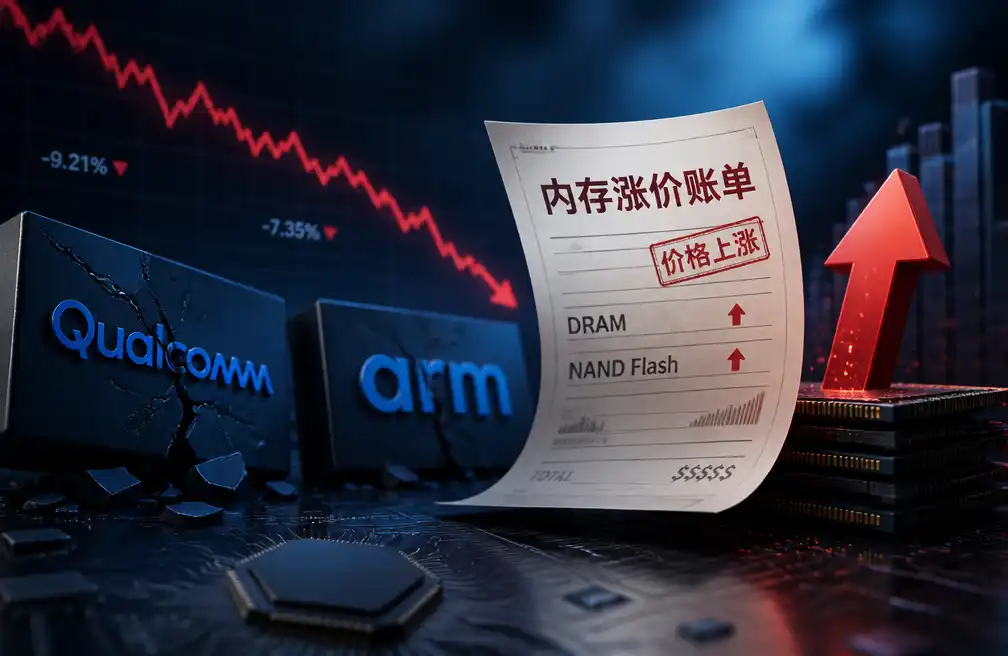
Qualcomm và Arm đồng loạt giảm: Hóa đơn tăng giá bộ nhớ cuối cùng đã gửi đến các công ty chip điện thoại

Ngày 29/7, sau khi thị trường chứng khoán Mỹ đóng cửa, Qualcomm và Arm lần lượt công bố báo cáo tài chính. Qualcomm có doanh thu 99,47 tỷ USD, vượt kỳ vọng, nhưng lợi nhuận trên mỗi cổ phiếu (EPS) phi GAAP là 2,21 USD, thấp hơn dự kiến. Hướng dẫn cho quý tài chính tiếp theo cũng thấp hơn kỳ vọng thị trường. Arm có doanh thu và EPS điều chỉnh đều vượt kỳ vọng, hướng dẫn quý tới cũng tích cực. Tuy nhiên, cổ phiếu của cả hai đều giảm. Nguyên nhân chính được cả hai công ty đề cập: **giá bộ nhớ (memory) tăng**. Qualcomm ghi nhận chi phí đầu vào tăng, khiến lợi nhuận gộp giảm và dự kiến doanh thu điện thoại Android năm tài chính 2026 giảm khoảng 20%, ảnh hưởng hơn 1,50 USD trên mỗi cổ phiếu. Họ sẽ tăng giá sản phẩm từ 1/9 để chuyển chi phí. Doanh thu điện thoại của Qualcomm giảm 20%, trong khi doanh thu ô tô tăng trưởng mạnh. Thị phần modem cho iPhone sắp tới cũng được dự báo giảm đáng kể. Arm, dù có thành tích ấn tượng từ mảng trung tâm dữ liệu (doanh thu bản quyền tăng gấp đôi), đã phải hạ dự báo tăng trưởng doanh thu bản quyền cả năm do thị trường điện thoại yếu và giá bộ nhớ cao. Điều này khiến cổ phiếu giảm sau cuộc gọi hội nghị. Bài viết phân tích rằng, với hệ số P/E kỳ vọng cao ngất (hơn 103 lần của Arm), một báo cáo "vượt kỳ vọng" đơn thuần là chưa đủ để đẩy giá cổ phiếu lên. Bất kỳ dấu hiệu không chắc chắn nào cũng bị phóng đại. Trong khi đó, Qualcomm có P/E thấp hơn nhiều và không có "phần bù AI" để bị điều chỉnh. Tình trạng này phản ánh một bức tranh rộng hơn: Chỉ số bán dẫn Philadelphia giảm 18,2% trong tháng 7, với nhiều cổ phiếu công nghệ, đặc biệt là bán dẫn, lao dốc sau khi tăng mạnh đầu năm. Đợt tăng giá bộ nhớ đã giúp Samsung ghi nhận lợi nhuận kỷ lục, nhưng đồng thời cũng gây áp lực chi phí lên các công ty như Qualcomm và Arm.

marsbit39 phút trước

Qualcomm và Arm đồng loạt giảm: Hóa đơn tăng giá bộ nhớ cuối cùng đã gửi đến các công ty chip điện thoại

marsbit39 phút trước

Giao dịch

Giao ngay
活动图片