Автор: Winnie, CryptoPulse Labs
11 мая Circle успешно привлекла 222 миллиона долларов в ходе предпродажного раунда финансирования для своего нового блокчейна и нативного токена ARC. После завершения раунда полностью разводненная оценка сети ARC достигла 3 миллиардов долларов.
Сама по себе эта цифра не является шокирующей, но настоящий интерес рынка вызвал состав инвесторов. От ведущего мирового венчурного фонда a16z до гигантов Уолл-стрит, таких как BlackRock и Intercontinental Exchange, а также криптовалютных и технологических капиталов, включая ARK Invest и General Catalyst, — среди инвесторов оказались ключевые институты глобальной финансовой системы.
Это делает историю с ARC не просто событием по сбору средств для блокчейн-проекта, а скорее коллективной ставкой на будущую финансовую инфраструктуру. Это также знаменует переход отрасли стабильных монет от конкуренции на уровне продуктов к новой фазе системной конкуренции.
I. Трансформация Circle: от эмитента стабильных монет к проектировщику финансовой системы
Если проследить путь развития Circle за прошедшие годы, становится ясно, что ее ключевая идентичность всегда была четкой. Это компания-эмитент стабильных монет, а ее главный продукт — USDC.
Логика USDC не сложна. Ее суть — создать доверенный цифровой доллар, который через прозрачные резервы, комплаенс-архитектуру и механизм привязки к доллару служит относительно стабильным средством обмена на крипторынке.
На этом этапе Circle больше напоминала банк в блокчейне, отвечая за эмиссию, кастодиальные услуги и поддержание доверия пользователей к цифровому доллару.
Однако проблема этой модели заключается в ее зависимом характере. Хотя USDC и важна, она работает на внешних публичных блокчейнах, таких как Ethereum и Solana. Производительность, стоимость и загруженность этих сетей напрямую влияют на пользовательский опыт работы с USDC. Другими словами, Circle контролирует эмиссию денег, но не контролирует систему их обращения.
Появление ARC является ответом на эту структурную проблему.
С точки зрения проектной логики, ARC не стремится стать еще одним универсальным публичным блокчейном, а представляет собой высокоспециализированную ончейн-инфраструктуру, чья ключевая цель — обслуживание систем обращения, платежей и клиринга стабильных монет.
Иначе говоря, если USDC — это цифровой доллар, то ARC стремится стать финансовой магистралью, по которой он движется. В этой системе стабильные монеты перестают быть просто активом, перемещающимся по блокчейну. Они интегрируются в единую расчетную сеть, формируя замкнутый цикл от эмиссии и перевода до клиринга.
Ключевое значение такого подхода в том, что Circle впервые пытается объединить эмиссию денег и их обращение в рамках одной системы, избавляясь от зависимости от внешних блокчейнов. На более глубоком уровне эта трансформация по сути является реструктуризацией бизнес-модели.
Раньше Circle в основном зависела от процентного дохода от резервных активов, будучи по сути компанией по управлению активами в сфере стабильных монет. Если же ARC будет успешно работать, у нее появится возможность перейти к модели взимания платы за использование инфраструктуры, подобно провайдеру платежных сетей или клиринговых систем.
Это означает, что роль Circle может эволюционировать от эмитента доллара к определению того, как доллар движется в цифровом мире. Значение этих изменений выходит за рамки простого обновления продукта — это скачок с уровня приложений на уровень протокола.
II. Наплыв топ-инвесторов: взаимное движение традиционных финансов и криптокапитала
Основная причина, по которой этот раунд финансирования ARC привлек широкое внимание, заключается не в сумме, а в самом сигнале, который передает структура инвесторов.
В этом раунде лидирующее участие принял известный венчурный фонд Andreessen Horowitz (a16z). Инвестиции компании в размере 75 миллионов долларов обеспечили не только финансовую поддержку, но, что важнее, подтвердили статус ARC как инфраструктуры Web3.

В инвестиционной логике a16z ARC явно рассматривается не как обычный прикладной проект, а скорее как часть будущей интернет-финансовой системы.
Но то, что по-настоящему потрясло рынок, — это коллективный вход традиционных финансовых институтов. Такие гиганты традиционных финансов, как BlackRock, Intercontinental Exchange (материнская компания NYSE), Apollo Funds, Standard Chartered Ventures, SBI Group, Janus Henderson Investors и другие, приняли участие в разных формах.
Общая черта этих институтов очевидна: по сути они контролируют или глубоко вовлечены в системы глобального движения денег и клиринга.
В то же время, в раунде участвовал и нативный криптовалютный капитал, включая ARK Invest, General Catalyst, Haun Ventures и Bullish. Такая структура встречается довольно редко, поскольку означает, что две долгое время разделенные финансовые системы достигают консенсуса вокруг одного инфраструктурного проекта.
Если инвестиционная логика последнего десятилетия в криптосфере заключалась в поиске высокодоходных активов, то раунд финансирования ARC больше похож на поиск точки входа в будущую финансовую систему.
Венчурный капитал делает ставку на технологическое развитие, Уолл-стрит — на эффективность расчетов, криптокапитал — на доминирование в экосистеме, а Circle оказалась в точке пересечения всех трех интересов.
Подобное одновременное участие множества сторон в финансировании в финансовой истории встречается нечасто. Это больше похоже на предварительную синхронизацию на системном уровне: будущие финансы могут перестать быть разрозненными системами, постепенно сходясь к единому ончейн-расчетному слою.
III. От торгового инструмента к реструктуризации финансовой основы: стабильные монеты вступают в новую эпоху инфраструктуры
Текущая полностью разводненная оценка ARC в 3 миллиарда долларов, если рассматривать ее отдельно, — это просто цифра финансирования. Но в контексте структуры отрасли она фактически представляет более глубокое изменение: стабильные монеты превращаются из торгового инструмента в ключевой слой финансовой инфраструктуры.
Раньше, обсуждая блокчейн, люди больше фокусировались на производительности публичных сетей, экосистемах DeFi или ликвидности бирж. Но по мере того, как стабильные монеты постепенно становятся единицей учета в ончейн-экономике, вся логика конкуренции меняется.
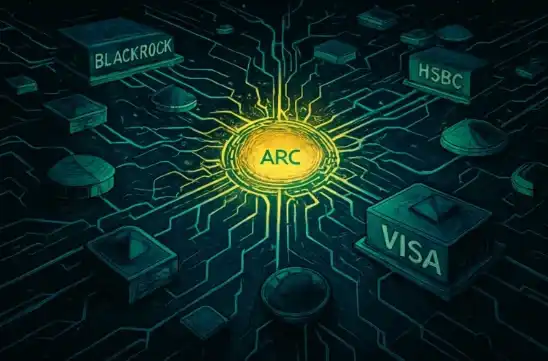
Тот, кто контролирует пути обращения стабильных монет, контролирует ключевой вход в ончейн-финансы.
В этом контексте стратегия Circle становится предельно ясной. Сначала решить проблему доверия с помощью USDC, затем решить проблему обращения с помощью ARC и, наконец, сформировать замкнутую систему от эмиссии до клиринга.
Если такая структура утвердится, то Circle перестанет быть просто компанией по выпуску стабильных монет и может превратиться в оператора инфраструктуры ончейн-финансовой системы.
С точки зрения влияния на отрасль, такая модель может привести к изменениям на трех уровнях. Во-первых, оптимизация структуры затрат: межсетевой перевод и клиринг стабильных монет будут обрабатываться в рамках единой системы, что значительно снизит стоимость транзакций и трение. Во-вторых, снижение порога входа для институциональных участников: банки, фонды и платежные компании смогут подключаться непосредственно к единой ончейн-системе, не адаптируясь к мультичейн-экосистемам.
В-третьих, усилится тенденция к стандартизации финансов: ончейн-финансы могут постепенно сформировать базовые стандарты, подобные уровням интернет-протоколов, и у ARC есть шанс стать одним из ключевых участников в этом процессе.
Что еще важнее, если эта инфраструктура заработает, ее влияние выйдет за рамки криптоиндустрии и может постепенно затронуть ключевые аспекты традиционных финансов, особенно системы трансграничных платежей и клиринга.
Существующая система SWIFT (Система межбанковских финансовых телекоммуникаций) работает уже несколько десятилетий. Если же ончейн-система стабильных монет сформирует преимущества в эффективности и стоимости, то реструктуризация финансовой инфраструктуры перестанет быть теоретической проблемой и станет вопросом времени.
Заключение
Событие с финансированием ARC на 222 миллиона долларов по сути является не просто историей сбора средств для проекта, а промежуточным сигналом эволюции финансовой системы.
Когда такие капиталы из разных систем, как BlackRock, Intercontinental Exchange и ARK Invest, одновременно делают ставку на одну и ту же сеть, это говорит о том, что рынок уже начал признавать тренд: стабильные монеты перестают быть просто торговым инструментом и становятся одним из кандидатов в стандарты глобальной финансовой инфраструктуры.
Стоит обратить внимание не на то, до какой оценки вырастет ARC, а на то, станет ли она одним из путей по умолчанию для будущего глобального движения капитала. И если этот тренд подтвердится, то сегодняшние 222 миллиона долларов могут оказаться лишь небольшим шагом в прологе к масштабной реструктуризации всей финансовой системы.