Tiger Research: What AI Services Do Crypto Companies Offer?

marsbitОпубликовано 2026-03-30Обновлено 2026-03-30

Введение

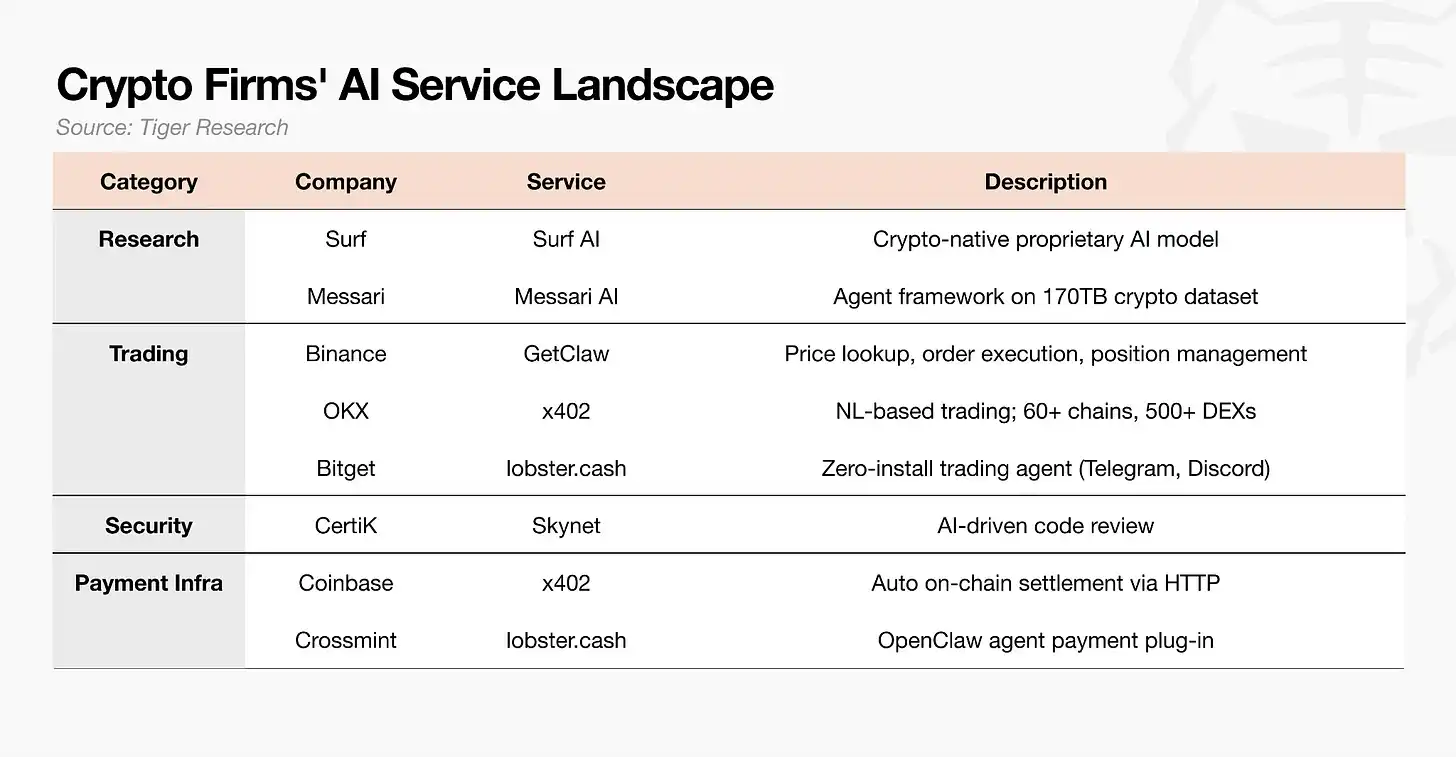
This Tiger Research report examines the growing trend of cryptocurrency companies integrating AI services, driven by a fear of missing out (FOMO). Unlike previous cycles, established and profitable firms like Coinbase and Binance are leading this charge, moving AI from theory to practical necessity. Key areas of AI adoption include: - **Research:** Projects like Surf are building crypto-native AI tools that aggregate fragmented on-chain and social data, providing more accurate answers than general AI models. - **Trading:** Exchanges are deploying AI to let users execute trades via natural language commands, lowering the barrier for non-developers and automating strategies. The goal is user retention in an increasingly competitive landscape. - **Security/Audit:** Firms like CertiK use AI to enhance smart contract audits by automating initial code scans and enabling post-audit, real-time monitoring, thus addressing previous security blind spots. - **Payment Infrastructure:** Protocols are emerging to enable AI agents to make autonomous payments (e.g., for APIs or services) using on-chain wallets and stablecoins. Circle’s proposed Gateway-x402 integration is a notable example, though this field is still nascent. The push is fueled by rapid AI advancements (e.g., MCP, OpenClaw) and competitive anxiety. However, the report cautions that while adoption is accelerating, the gap between offering a feature and its actual, trusted use remains significant. The motivation is strategic ...

This report is written by Tiger Research,Crypto companies are generally facing "Fear of Missing Out" (FOMO). From exchanges to security firms, they are all racing to launch AI-driven services. We will explore why they are choosing to act now.

Key Points Summary

  • Crypto companies in areas like exchanges, security, payments, and research are simultaneously launching AI services.
  • Unlike previous cycles, proven profitable firms like Coinbase and Binance are leading the charge. AI has shifted from a theory to a practical necessity.
  • Adoption motives vary by sector: exchanges aim to prevent user churn; security firms aim to fill audit blind spots; payment infrastructure targets the emerging agent economy.
  • Having a feature and actually using it are two different things. The "FOMO" and competitive pressure in the AI space are accelerating its adoption far beyond actual demand.
  • Both genuine demand and competitive anxiety are at play. Distinguishing between value-creating adoption and mere labeling is the key issue.

1. Crypto Companies Are Offering AI Services

Artificial Intelligence (AI) is the most watched field in the global market today. General-purpose tools like ChatGPT and Claude have integrated into daily life, while platforms like OpenClaw have lowered the barrier to building agents.

The cryptocurrency industry, although it missed this wave, is now integrating AI across various verticals.

What AI services do these companies offer? Why are they entering this market?

2. How Crypto Companies Are Adopting AI Technology
2.1 Research
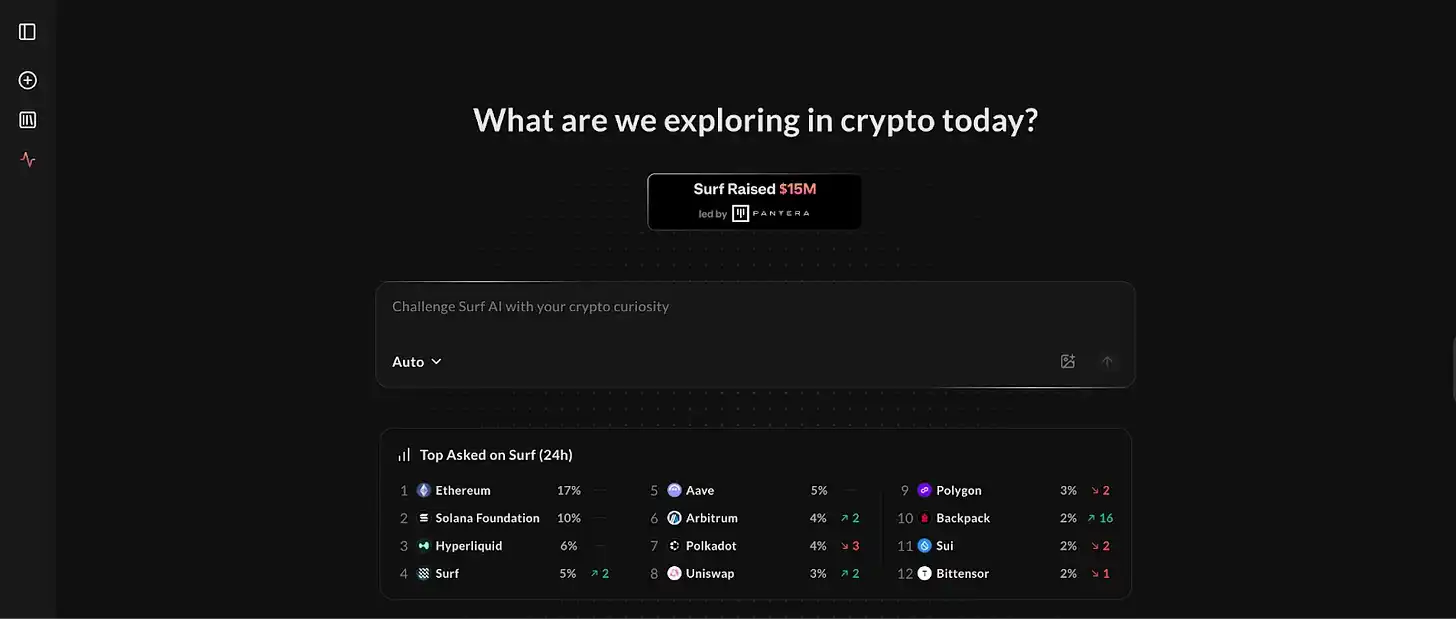
Crypto research has structural problems: on-chain data, social sentiment, and key metrics are scattered across various platforms, making verification difficult. General AI often returns inaccurate answers to crypto queries.

Projects like Surf address this by providing crypto-specific AI research tools that can integrate scattered data sources. Among all crypto AI application scenarios, research has the lowest barrier to entry for average users, requiring no programming or trading expertise.

2.2 Trading
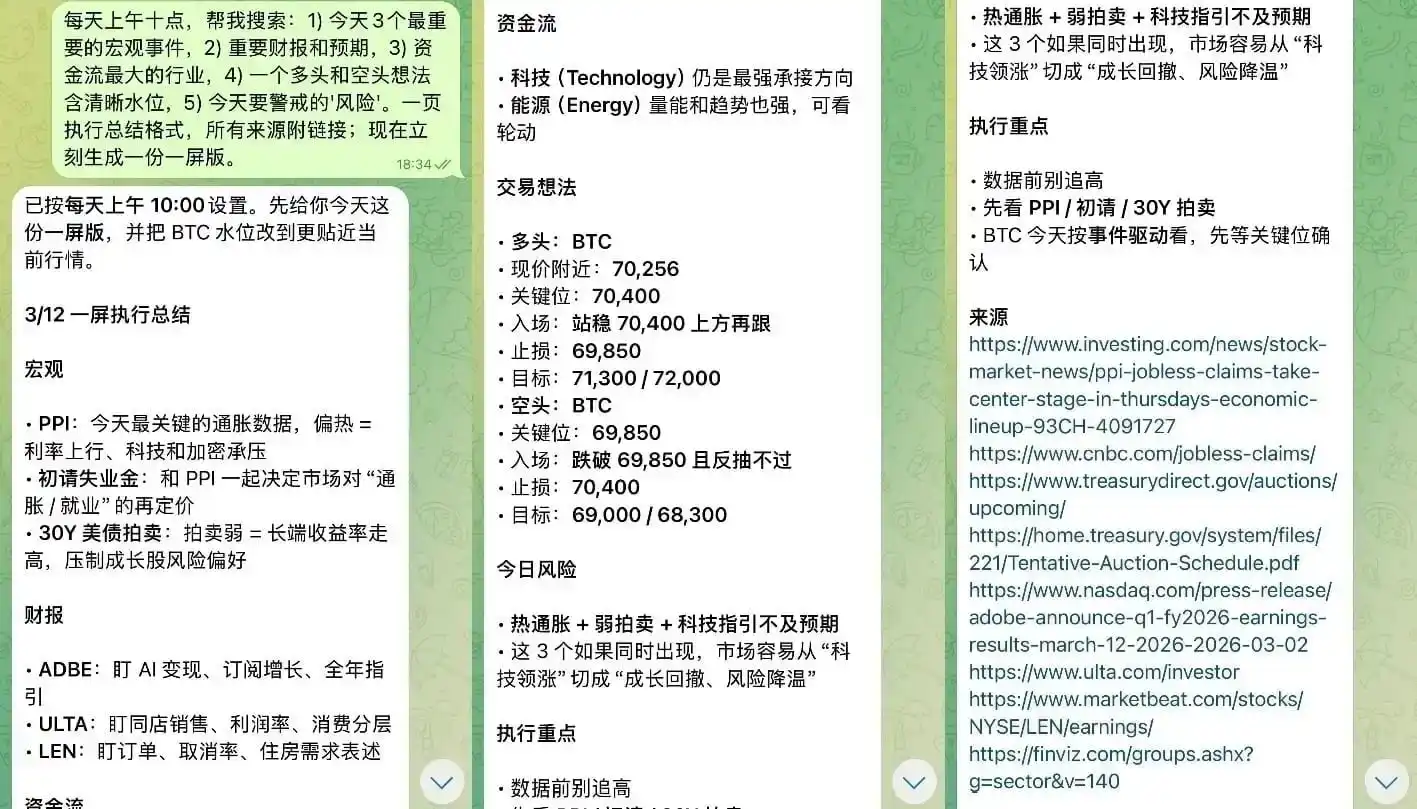
Exchanges are leading the application of AI in trading.

Methods vary. Some directly expose proprietary trading data to users; others allow users to issue natural language commands to AI agents, which complete the entire process from analysis to execution in one step.

Exchanges have offered APIs for years. The difference now is an added layer: interfaces like MCP and AI Skills enable non-developers to access exchange functions via AI agents. Tools once limited to developers are now accessible via natural language.

This aligns with a broader community shift. Non-developer users are increasingly building automated trading strategies through AI agents without writing any code. They simply describe the strategy, and the agent builds and runs the algorithm.

For exchanges, this is both an opportunity and a challenge. As the number of AI users grows, user loyalty to a single exchange decreases, as traders can execute trades anywhere. The reason exchanges adopt AI is simple: quickly attract users and keep them active on the platform.

Trading involves real asset management, requiring higher judgment and responsibility than research. But with the barrier to entry lowered, this field is also opening to average users.

2.3 Security/Auditing
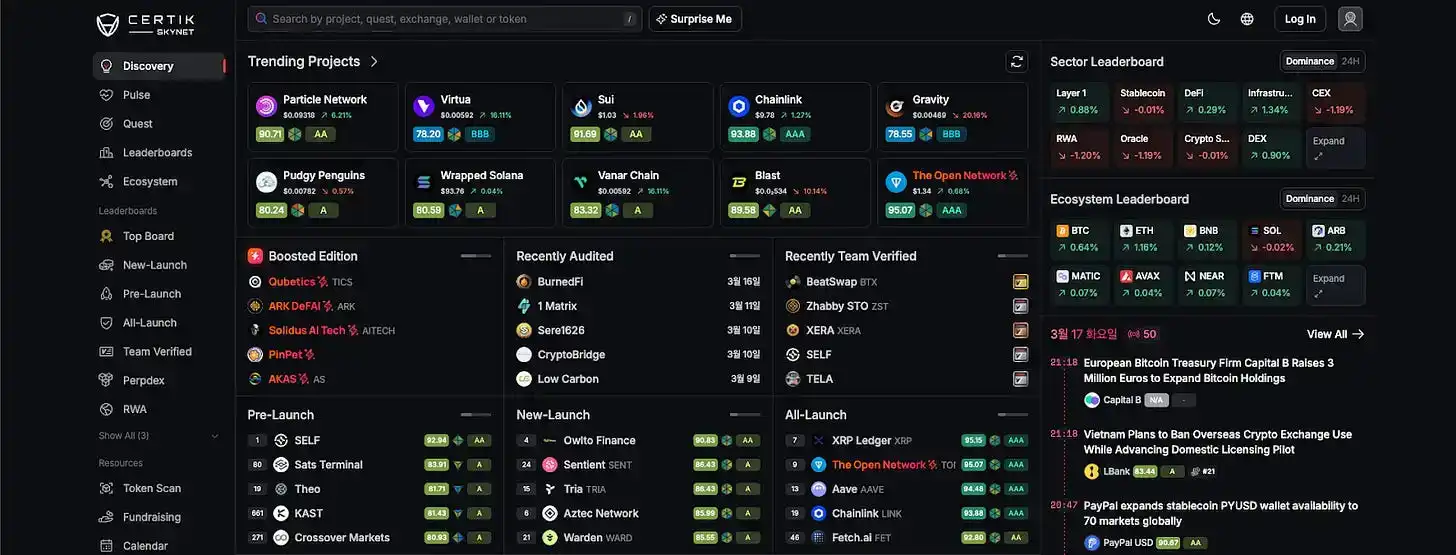
Traditional smart contract audits rely on manual line-by-line code review, which is slow, costly, and lacks consistency across auditors. Now, AI is integrated into workflows: AI first scans the code, then human auditors perform targeted deep reviews. This increases speed and coverage without replacing auditors.

CertiK is a prime example. The company was previously criticized for audited projects being exploited later. However, these incidents occurred outside the audit scope. Audits check code at a specific point in time and do not include continuous monitoring.

CertiK uses AI to bridge this gap. It added real-time post-audit monitoring functionality and publishes results via a public dashboard. Since the expanded monitoring scope is AI-driven rather than manual, both CertiK and the projects it audits benefit.

In security, AI application is not about disrupting existing services but expanding the scope of human work: increasing precision during audits and弥补 post-audit blind spots. For blockchain security companies, AI is not a new business area but a tool to address existing security vulnerabilities.

2.4 Payment Infrastructure
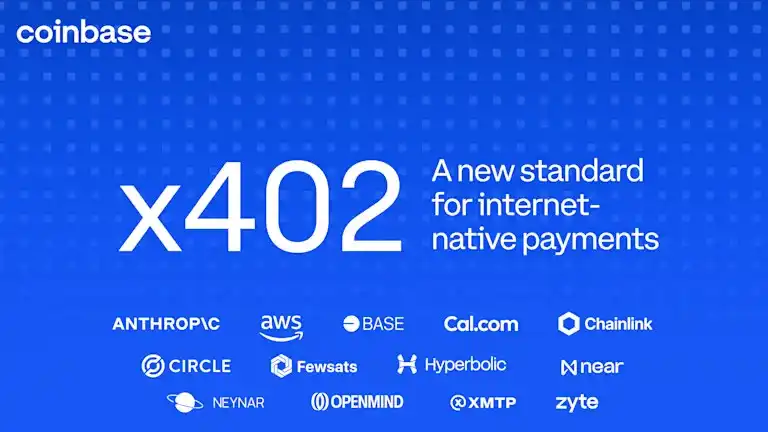
AI Agents need payment channels to participate in economic activities: e.g., paying API fees, buying data, and purchasing services from other agents. The most natural payment method for an agent is an on-chain wallet paired with stablecoins.

Two models are emerging. The first is a general protocol that embeds payment into HTTP requests, enabling agents to automatically settle on-chain when accessing paid APIs. The second is agent-specific payment plugins, where agents can only execute payments within human-preset permissions and limits.

Payment infrastructure is the area most closely linked to stablecoins. However, since the payer is an AI agent rather than a human, fully operational models have not yet emerged.

USDC issuer Circle is also in the spotlight. The company published a proposal to connect its Gateway payment infrastructure with the x402 protocol and invited developers and researchers to review and contribute.

This is not a mature market, but the market has begun to digest this trend. A key driver for the rise in Circle's stock price is its AI agent payment model. The realization of payment infrastructure will be slower than the other areas mentioned above, but it has become one of the most prominent macro themes in the current market.

3. Why Crypto Companies Are Entering the AI Space Now

When ChatGPT launched in November 2022, neither AI nor crypto were mature. AI models were impressive but couldn't reliably perform tasks. The crypto industry was reeling from the FTX collapse and a comprehensive trust crisis.

Since then, AI has advanced rapidly. Over the past year, all major models have significantly improved in functionality and utility. In contrast, crypto merely "leveraged" AI during the same period: flooded with AI-labeled "Meme coins," poorly functioning AI agents, and marketing-driven hype. Decentralized AI infrastructure projects continue to emerge, but their quality pales in comparison to native AI services at a similar level.

Today, the gap is widening further. In the AI industry, infrastructure like MCP (enabling agents to directly call external tools) and OpenClaw (supporting no-code agent building) has made the agent era a reality. Crypto companies are just starting to move.

The difference this time is who is acting. It's no longer nascent startups flying the AI flag, but companies with proven profitable models: Coinbase, Binance, and Bitget. These companies are launching AI services not for marketing purposes; they are driven not by immediate gains but by the fear of falling behind: FOMO (Fear Of Missing Out).
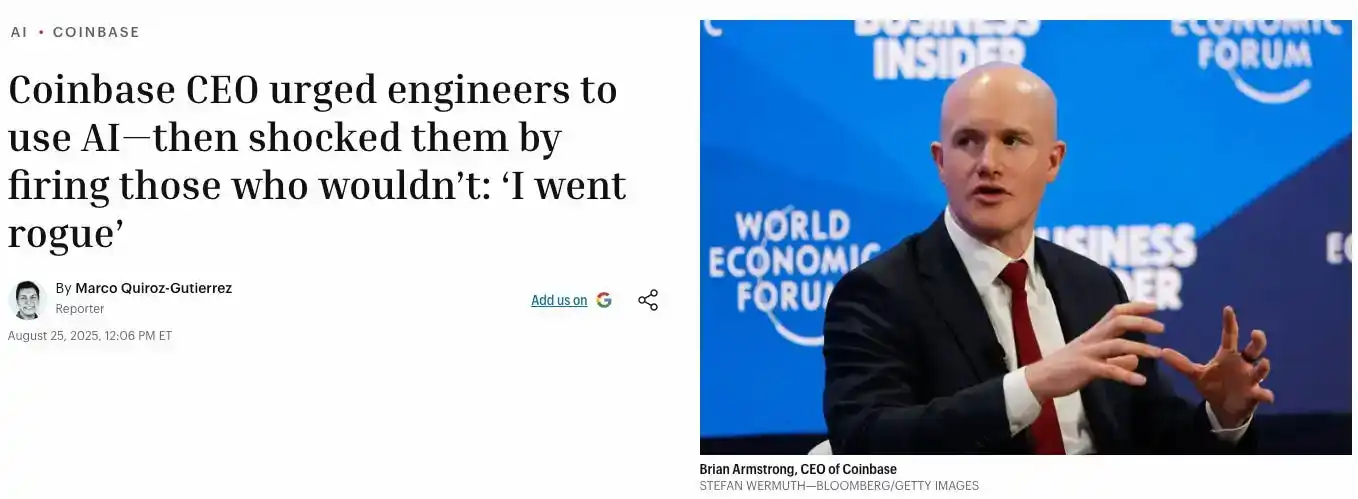
The actions of Coinbase CEO Brian Armstrong fully embody this sense of urgency. He issued a directive to all company engineers to launch AI coding tools within just one week and fired employees who did not comply.

But keeping a clear head is also crucial. Take trading automation, for example. Agents can look at prices and suggest strategies, but how many users will truly trust an agent to hand over funds for live trading? And is the x402 protocol actually being used in the real world?

Ultimately, the adoption of AI in the crypto space is not about chasing trends. As the AI era arrives, companies are acting proactively to avoid losing their market position. Having a feature and truly utilizing it remain two different problems. But who is acting is crucial.
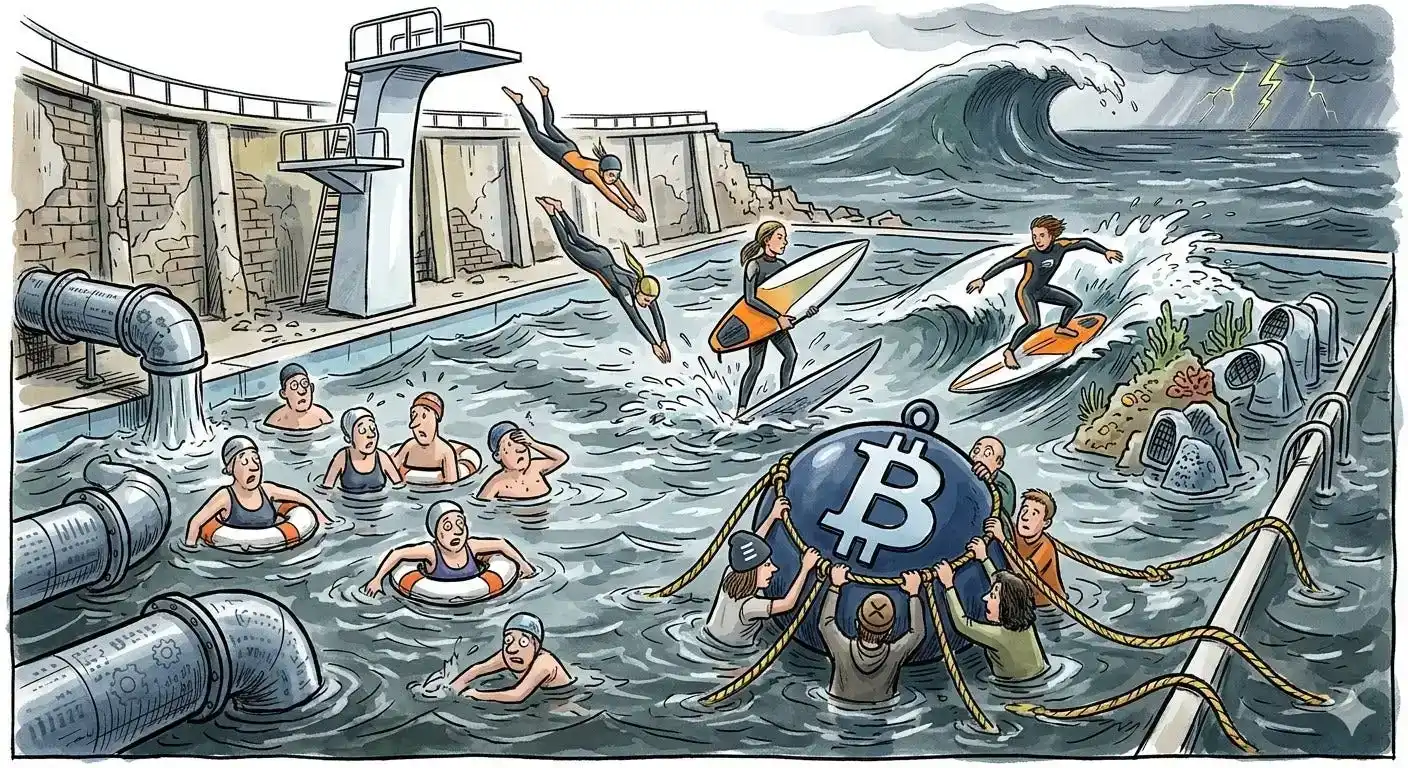
Think of the AI industry as a swimming pool being filled with water. Those who jumped in before were just pretending to swim. Those jumping in now are former national team surfers. No one knows how high the water will rise or if this pool will become an ocean. But crypto will not be drowned in the flood.


Трендовые криптовалюты

Связанные с этим вопросы

QWhat are the main areas where cryptocurrency companies are integrating AI services according to the report?

ACryptocurrency companies are integrating AI services across four main areas: Research (e.g., Surf providing crypto-specific AI tools), Trading (e.g., exchanges using AI for analysis and execution), Security/Auditing (e.g., CertiK using AI for real-time monitoring), and Payment Infrastructure (e.g., protocols enabling AI agents to make payments).

QWhy are major crypto exchanges like Coinbase and Binance now leading the adoption, unlike in previous cycles?

AUnlike previous cycles where startups drove AI adoption, now profitable companies like Coinbase and Binance are leading due to FOMO (fear of missing out). They aim to retain users and avoid losing market relevance as AI evolves from theory to practical necessity.

QHow does AI enhance security and auditing in the crypto space, as exemplified by CertiK?

AAI improves security by scanning code first to identify issues, allowing human auditors to focus on deeper analysis. CertiK uses AI for real-time post-audit monitoring, addressing blind spots beyond initial audits and publishing results via public dashboards.

QWhat role does payment infrastructure play in the AI agent economy, and what challenges exist?

APayment infrastructure enables AI agents to pay for APIs, data, and services using on-chain wallets and stablecoins. Challenges include developing fully functional models, as payments are agent-driven rather than human-controlled, and implementation is slower than other AI applications.

QWhat is the key difference between having an AI feature and actually using it, as highlighted in the report?

AThe report emphasizes that possessing an AI feature doesn't guarantee its practical use. While competition and FOMO drive adoption, real value depends on whether users trust and actively use these features (e.g., trusting AI agents with live trades), distinguishing substantive integration from mere labeling.

Похожее

Насколько высока вероятность, что TradeXYZ отделится от Hyperliquid и пойдет своим путем?

С ростом доли TradeXYZ на рынке HIP-3 Hyperliquid (свыше 90%) в сообществе растут спекуляции о возможном уходе проекта для запуска собственной торговой платформы. Анализ рассматривает «за» и «против» такого сценария. Аргументы «за» самостоятельность: TradeXYZ генерирует свыше 70% общего объема торгов и 35% открытого интереса на Hyperliquid, однако получает лишь 50% комиссий. Захват полной комиссионной выручки мог бы стать сильным финансовым стимулом для создания собственной инфраструктуры. Аргументы «против»: 1) Сложность быстрого воссоздания высокой производительности Hyperliquid; 2) Hyperliquid остается ключевым каналом привлечения пользователей для TradeXYZ; 3) Между основателями проектов существуют давние отношения взаимного доверия и уважения. Вывод: Вероятность полного отделения TradeXYZ в ближайшей перспективе низка. Такой шаг привел бы к взаимным потерям: Hyperliquid лишился бы ключевого драйвера роста и нарратива, а TradeXYZ столкнулся бы с техническими сложностями, потерей пользовательской базы и репутационными рисками. Более вероятным путем для TradeXYZ представляется переговорный процесс об условиях партнерства с Hyperliquid при сохранении текущей интеграции.

marsbit12 мин. назад

Насколько высока вероятность, что TradeXYZ отделится от Hyperliquid и пойдет своим путем?

marsbit12 мин. назад

Роботы-«Телепузики» приходят убираться домой за 200 рублей в час. Настоящий человеко-автомат

Американский стартап Tau Robotics представил услугу по уборке домов с помощью человекоподобных роботов по цене $30 в час. Роботы под именами Chelsea, Elon и Tony выполняют различные задачи: уборку кухни и ванной, регулярное обслуживание и глубокую чистку. Ключевая особенность — все действия в демонстрационных видео выполняются в реальном времени, без ускорения, что редкость для подобных демо. Однако выяснилось, что роботы в текущей версии не автономны, а управляются оператором дистанционно (так называемый «teleoperation»). Основатели объясняют этот подход как стратегический: он позволяет собирать данные в реальных домашних условиях для последующего обучения автономного ИИ, аналогично «режиму тени» в беспилотных автомобилях. В статье обсуждается сложность внедрения человекоподобных роботов в домашние условия. Автор отмечает, что, несмотря на критику «дистанционного управления», такой подход может быть практичным первым шагом для сбора данных. Также подчёркивается, что человекоподобная форма упрощает дистанционное управление, так как оператору интуитивно понятны движения, и она обладает значительной эмоциональной ценностью для пользователя. Услуга в настоящее время доступна по приглашению в Сан-Франциско.

marsbit27 мин. назад

Роботы-«Телепузики» приходят убираться домой за 200 рублей в час. Настоящий человеко-автомат

marsbit27 мин. назад

Из Кореи в США: благодаря ИИ рабочие профессии становятся всё востребованнее

Искусственный интеллект меняет структуру рынка труда, повышая спрос и зарплаты квалифицированных рабочих специальностей, в то время как традиционное высшее образование теряет привлекательность. Данные из США показывают, что доходы профессиональных училищ выросли на 11.4% в 2025 году, а число увольнений из-за внедрения ИИ достигло рекордных 38 579 в мае. Молодое поколение всё чаще выбирает рабочие профессии, считая их более стабильными в эпоху автоматизации. В США зарплаты таких специалистов, как электрики и сантехники, уже сравнялись или превзошли доходы многих офисных работников. В Корее выпускники профильных школ, например, полупроводниковой, практически гарантированно получают работу в таких компаниях, как Samsung. Дефицит кадров усугубляется массовым выходом на пенсию старшего поколения и бумом строительства инфраструктуры, в том числе для дата-центров. Крупные компании, такие как Meta и JPMorgan, инвестируют миллионы в программы обучения. Несмотря на растущий интерес, преодоление стереотипов о "непрестижности" рабочих профессий остаётся ключевой задачей для полного удовлетворения рыночного спроса.

marsbit1 ч. назад

Из Кореи в США: благодаря ИИ рабочие профессии становятся всё востребованнее

marsbit1 ч. назад

От TPU к самосовершенствующимся агентам: как Джефф Дин видит следующий шаг в развитии ИИ

В статье на основе выступления Джеффа Дина на YC Startup School обсуждается эволюция ИИ от больших моделей к системам с долгосрочными агентами. Дин подчеркивает, что следующий этап ИИ — не просто более умные модели, а создание систем, способных к продолжительной автономной работе, самообучению и автоматизированным экспериментам. Ключевые темы включают смещение фокуса с размера моделей на организацию интеллекта, важность контекстной инженерии, аппаратной эффективности (особенно для вывода), а также возможности для стартапов в нишевых областях, где большие модели слабы. Он отмечает, что по мере удешевления генерации кода возрастает ценность четких спецификаций, правильной постановки задач и "вкуса" в выборе направлений. В итоге, главным становится не ответ модели, а создание надежных систем, способных выполнять сложные, многошаговые задачи.

marsbit1 ч. назад

От TPU к самосовершенствующимся агентам: как Джефф Дин видит следующий шаг в развитии ИИ

marsbit1 ч. назад

Qualcomm: спад ажиотажа вокруг ИИ. Когда наступит выздоровление на рынке смартфонов?

Компания Qualcomm (QCOM.O) опубликовала финансовый отчёт за третий квартал 2026 финансового года (по состоянию на июнь 2026 года). Выручка составила 9,95 млрд долларов США, что на 4% меньше, чем годом ранее, но превысило рыночные ожидания. Однако маржинальность снизилась до 53,1%, не достигнув прогнозируемых 54,6%, главным образом из-за роста себестоимости, включая затраты на производство и память. Основное давление на выручку оказал сегмент мобильных устройств, который упал на 19,6% до 5,09 млрд долларов. Это связано со снижением глобальных поставок смартфонов (кроме Apple) на 11%, а также с тенденцией производителей использовать старые платформы для снижения затрат. В то же время автомобильный бизнес продемонстрировал рост на 61% до 1,59 млрд долларов, а сегмент IoT вырос на 9% до 1,83 млрд. Чистая прибыль составила 2 млрд долларов, однако операционная прибыль снизилась на 41% из-за падения маржинальности и роста расходов. Прогноз на следующий квартал по выручке (97-105 млрд долларов) соответствует ожиданиям, но прогноз по прибыли на акцию оказался ниже рыночных оценок. На фоне слабости основного бизнеса Qualcomm активно развивает направление центров обработки данных (ЦОД) в сфере ИИ, представив четыре продуктовые линии: ускорители ИИ, коммерческие CPU, индивидуальные чипы и решения для подключения. Компания сотрудничает с Microsoft и Meta и ставит амбициозную цель по выручке от этого направления в 15 млрд долларов к 2029 финансовому году. Однако, поскольку данный бизнес ещё не вносит существенного вклада в выручку, а ожидания рынка в отношении ИИ снижаются, акции компании откатились с пиков, достигнутых на волне энтузиазма по поводу ИИ. В краткосрочной перспективе производительность компании по-прежнему зависит от восстановления рынка смартфонов и снижения цен на компоненты, такие как память.

marsbit1 ч. назад

Qualcomm: спад ажиотажа вокруг ИИ. Когда наступит выздоровление на рынке смартфонов?

marsbit1 ч. назад

Торговля

Спот

Популярные статьи

Неделя обучения по популярным токенам (2): 2026 может стать годом приложений реального времени, сектор AI продолжает оставаться в тренде

2025 год — год институциональных инвесторов, в будущем он будет доминировать в приложениях реального времени.

1.9k просмотров всегоОпубликовано 2025.12.16Обновлено 2025.12.16

Неделя обучения по популярным токенам (2): 2026 может стать годом приложений реального времени, сектор AI продолжает оставаться в тренде

Обсуждения

Добро пожаловать в Сообщество HTX. Здесь вы сможете быть в курсе последних новостей о развитии платформы и получить доступ к профессиональной аналитической информации о рынке. Мнения пользователей о цене на AI (AI) представлены ниже.

活动图片