Лопнул ли пузырь ИИ?
Заголовок: Пузырь искусственного интеллекта лопается.
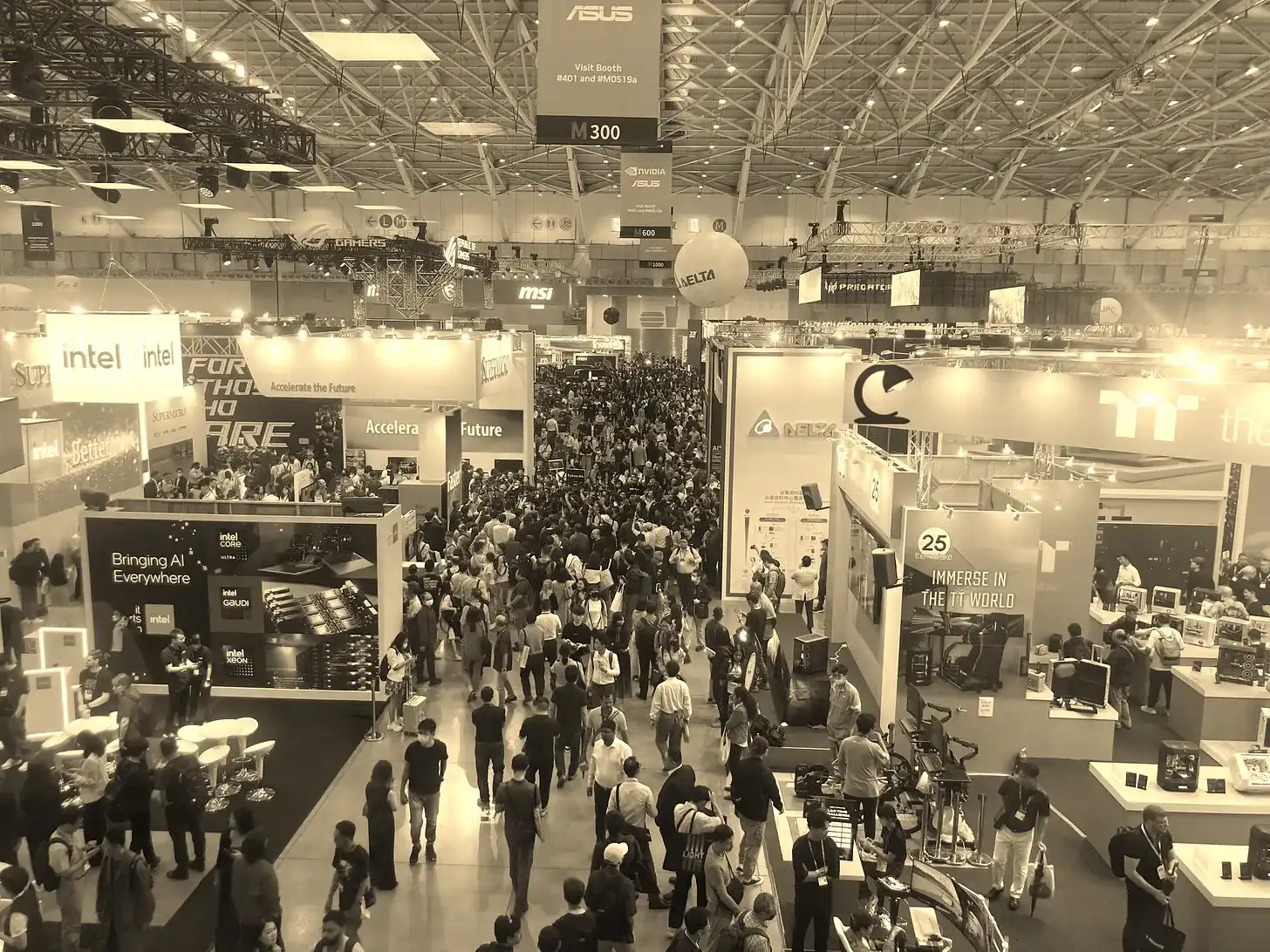
В условиях сильной рыночной волатильности растут разговоры о "пузыре ИИ". С одной стороны, основатель Bridgewater Рэй Далио заявил, что рынок ИИ находится в "пузыре". С другой — генеральный директор NVIDIA Дженсен Хуан считает, что спрос на вычислительные мощности только начинает расти. Кто прав?
Технологические пузыри — почти неизбежное явление, сопровождающее появление прорывных производительных сил, как дань уважения новой эпохе. Сегодняшнюю ситуацию часто сравнивают с пузырем доткомов 2000 года, крах которого привел к обвалу Nasdaq на 78%. Однако спустя двадцать лет ни одна отрасль не может обойтись без интернета, и его ценность многократно превысила уровень времен пузыря. Точно так же, хотя на фондовом рынке существует пузырь, почти все отрасли общества активно внедряют ИИ ("ИИ+").
В эпоху доткомов чрезмерные спекулятивные инвестиции оставили после себя физическую инфраструктуру (например, глобальные подводные кабели), которая стала дешевой питательной средой для гигантов следующей эпохи, таких как Netflix и Zoom. Ключ к выживанию — наличие основной бизнес-логики, соответствующей направлению развития производительных сил, как у Amazon.
Сегодняшний "пузырь" ИИ кажется еще больше. Крупные облачные провайдеры планируют капитальные затраты в размере 690 миллиардов долларов на 2026 год, в то время как совокупный доход ведущих чисто ИИ-компаний не превысит 40 миллиардов долларов. Это явный дисбаланс.
Однако игнорировать ключевой момент нельзя: стоимость ИИ-инференса упала более чем на 99,7% за два года, с примерно 30 долларов за миллион токенов до 0,1-0,15 доллара. Это парадокс Джевонса: повышение эффективности и снижение стоимости приводят не к снижению, а к взрывному росту спроса. Дешевые токены открывают огромное количество новых коммерческих возможностей. Компании начинают использовать ИИ-агентов для автоматизации тысяч задач, что приводит к увеличению расходов на облачные ИИ-услуги.
Сегодня все отрасли, от SaaS до биомедицины и передового производства, внедряют "ИИ+". Вопрос уже не в том, "использовать ли ИИ", а в том, "готова ли наша архитектура данных и хватит ли квот API".
В настоящее время мы находимся на критическом этапе цикла зрелости технологии, накануне "чаши разочарования". Пузырь ИИ уже начинает лопаться: множество стартапов, у которых была только презентация и оболочка для API OpenAI, разоряются, что является самоочищением рынка. Однако под поверхностью происходят три глубокие эволюции:
1. Перенос стоимости от капитальных затрат (CapEx) к операционным расходам (OpEx): По мере того как вычислительные мощности становятся коммунальной услугой, сверхприбыль будет перемещаться на уровень приложений, которые решают реальные отраслевые проблемы.
2. Сжатие мультипликаторов оценки и переваривание прибыли: Высокая оценка инфраструктуры может быть поглощена быстрым ростом доходов компаний, если темпы роста соответствуют уровню инвестиций.
3. Широкое внедрение в отрасли: ИИ уже демонстрирует свою эффективность, сокращая циклы разработки продукции в автомобилестроении на 35% и играя ключевую роль в финансах, юриспруденции, здравоохранении и других областях.
Согласно теории "созидательного разрушения" Шумпетера, рынок неизбежно переживет болезненную перезагрузку, уничтожив спекулятивные компании и сохранив компании с реальными технологиями и сценариями внедрения. После этой перезагрузки дешевые и мощные вычислительные центры и оптимизированные алгоритмы будут служить всем отраслям по низкой цене. Так же, как после 2000 года наступила эпоха интернета, сегодня мы необратимо движемся к эпохе, когда все отрасли будут преобразованы и усилены ИИ. Под шумом пузыря реальная движущая сила производительности остается неоспоримой.
链捕手06/07 12:48