Предрассветная ночь зачистки больших моделей
**Китайская индустрия больших моделей накануне чистки: безумное финансирование и борьба за выживание**
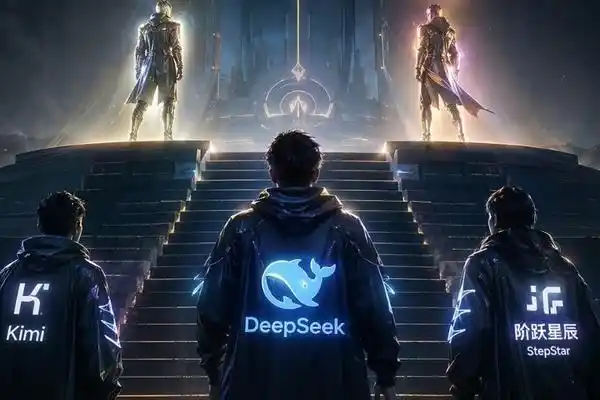
За последнюю неделю китайский рынок больших моделей пережил беспрецедентный ажиотаж в сфере финансирования. Kimi привлекла 20 млрд долларов при оценке в 200 млрд, StepFun (阶跃星辰) близка к привлечению 25 млрд и готовится к IPO в Гонконге, а DeepSeek, впервые привлекшая внешние инвестиции при участии государственного фонда, оценивается в 450-500 млрд долларов. Три компании, три дня, более 70 млрд долларов. Это уже не поддержка роста, а коллективная скупка "квот на выживание".
Индустрия кажется перегретой, но это признак опасного этапа. Капитал концентрируется на нескольких лидерах, что означает начало "ночи накануне чистки". Время для независимых компаний, разрабатывающих большие модели, заканчивается.
Происходит **коммодитизация моделей**: разрыв в возможностях между ведущими моделями (GPT-4, Claude, Gemini, Qwen, DeepSeek) сокращается. Способности становятся товаром массового потребления. В результате фокус смещается с технологического превосходства на захват рынков, интеграцию в цепочки поставок (как StepFun с производителями электроники) или статус национального стратегического актива (как DeepSeek).
Финансирование резко падает для большинства. Если в 2024 году на слой моделей приходилось 51% инвестиций в ИИ, то в 2025 — лишь 14%, при этом основная доля досталась единичным лидерам. От более 100 компаний осталось менее 10, способных привлечь средства.
Листинг таких компаний, как Zhipu AI и MiniMax, создал ориентир стоимости на публичном рынке. Теперь все спешат зафиксировать оценку до возможного закрытия окна возможностей. StepFun торопится с IPO, Kimi демонстрирует стремительный рост выручки (ARR), а DeepSeek закрепляет статус с помощью государственного фонда.
Бизнес-модель сталкивается с роковым противоречием: **чем больше пользователей, тем выше затраты на инференс (вывод моделей)**. В отличие от мобильного интернета, где рост аудитории приносит доход, здесь он увеличивает расходы. Глубокие карманы интернет-гигантов (ByteDance с Doubao, Tencent с Yuanbao) дают им преимущество, позволяя перекрестно субсидировать убыточные AI-сервисы за счет основной прибыльной деятельности.
DeepSeek, предлагая высококлассную модель с открытым исходным кодом по очень низкой цене, запустила разрушительную **ценовую войну**, сжимая маржинальность для всех.
Индустрия повторяет сценарий "четырех драконов" компьютерного зрения: безумное финансирование, вход гигантов, превращение технологии в стандартную функцию, испарение премии и борьба за выживание независимых игроков. Только ставки и скорость сейчас намного выше.
Сегодня компании делают ставку на разные стратегии выживания: **DeepSeek** — на статус национального технологического актива, **StepFun** — на глубокую интеграцию в аппаратные цепочки поставок, **Kimi** — на скорость роста пользовательской базы и монетизацию. Но никто уже не говорит просто о "создании лучшей модели". Все говорят о том, какую **позицию или экосистему они "блокируют"**.
Приток миллиардов — это не инструмент для экспансии, а инструмент для **борьбы за последний шанс на независимое существование**. В индустрии инфраструктуры (каковой становятся большие модели) всегда остаются единицы игроков. Финансирование или государственная поддержка — это "удостоверение личности", без которого нельзя выйти на следующий раунд. Молчание тех, кого нет в сегодняшних громких новостях, уже является ответом.
Главный вопрос индустрии сменился с **"Кто сможет это создать?"** (2023) на **"Кто сможет выжить?"** (2026). Переход от первого ко второму занял всего три года.
marsbit05/10 02:08