# Сопутствующие статьи по теме SpaceX

Новостной центр HTX предлагает последние статьи и углубленный анализ по "SpaceX", охватывающие рыночные тренды, новости проектов, развитие технологий и политику регулирования в криптоиндустрии.

When Bitcoin Miners Take to Space

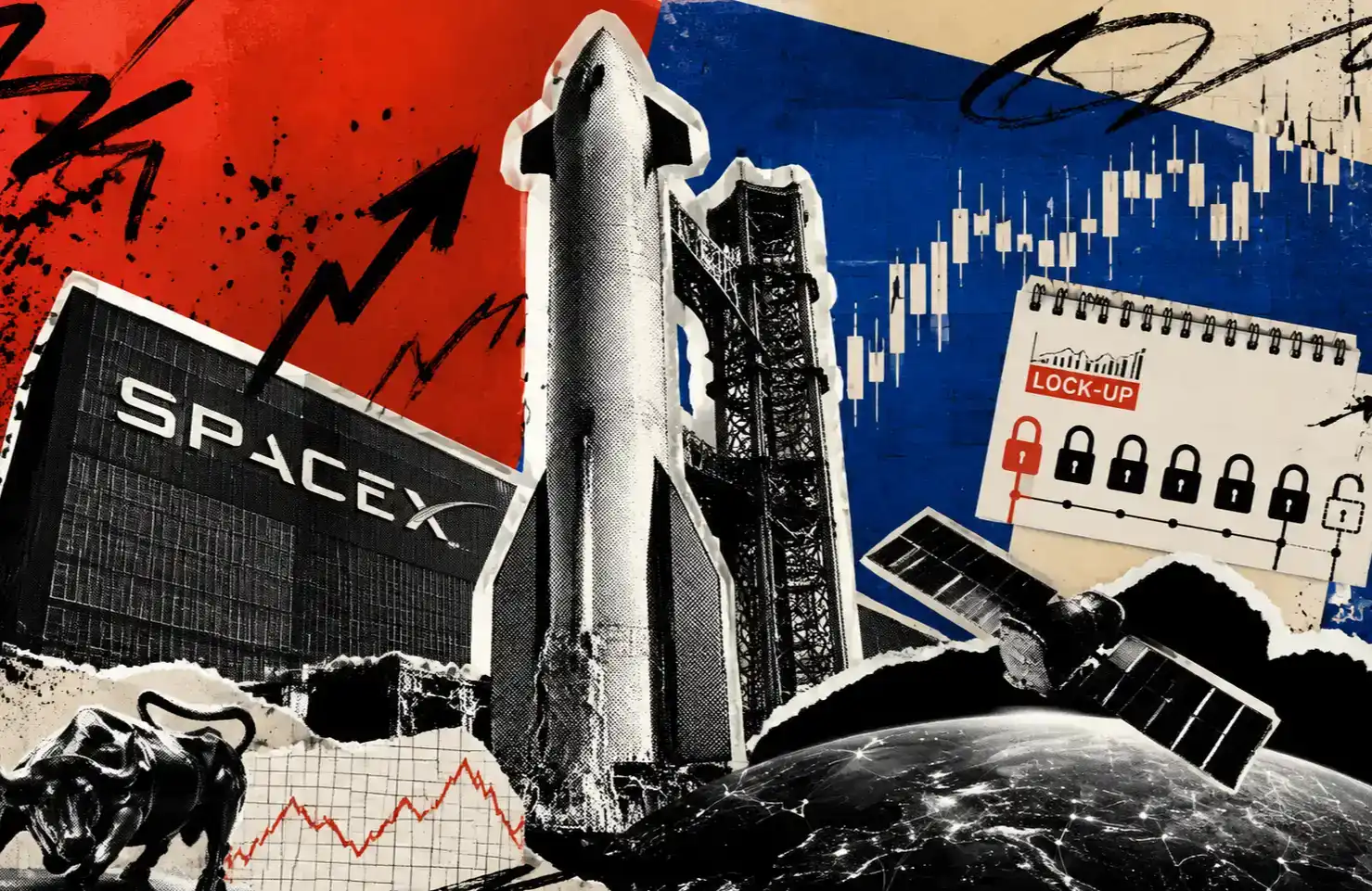
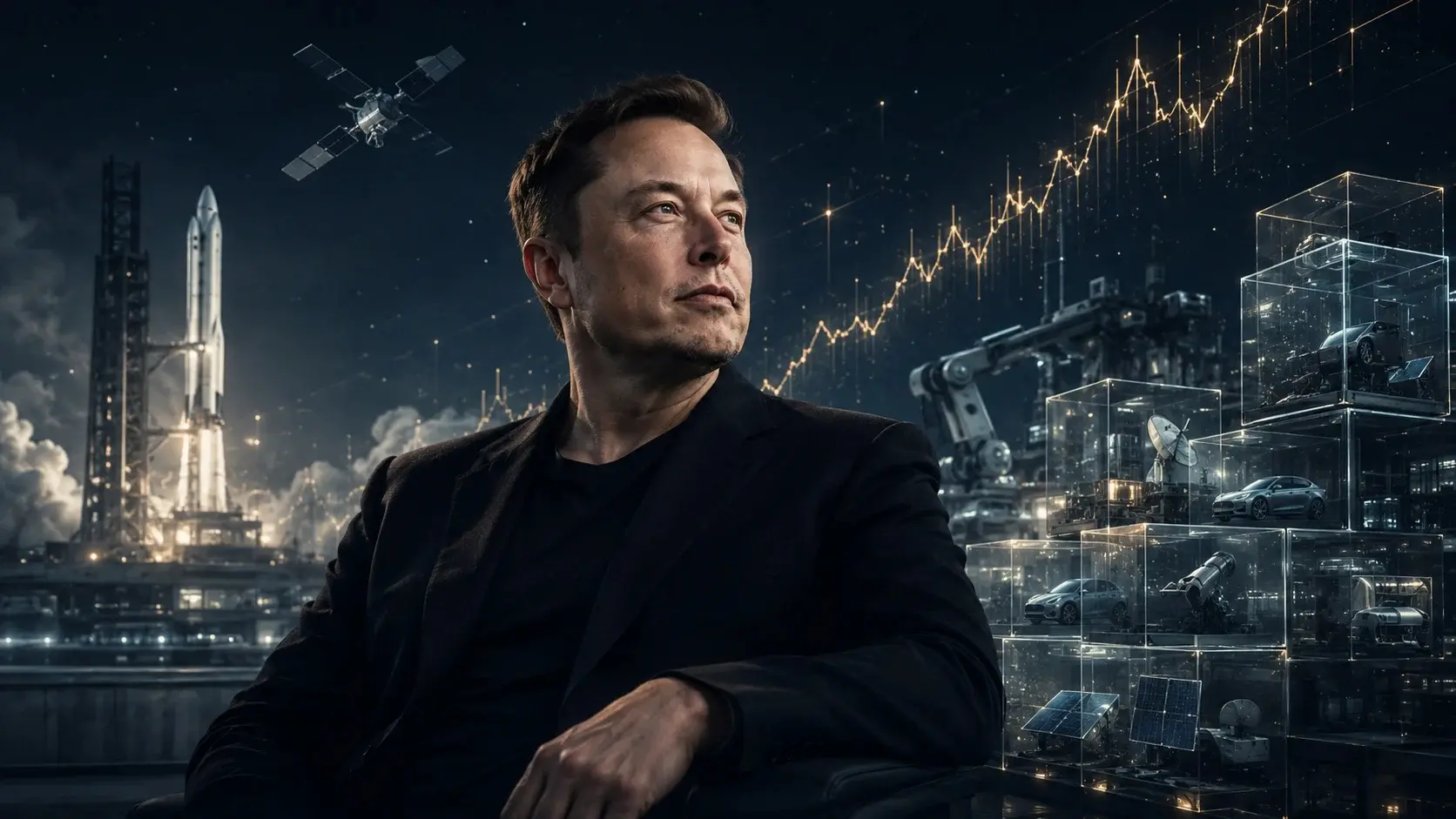
SpaceX is reportedly preparing for a historic IPO with a target of $1.75 trillion, while simultaneously advancing plans to deploy AI data centers in orbit, leveraging space’s vacuum for cooling and solar energy for power. This has sparked interest in whether Bitcoin mining—also energy-intensive and dependent on computing hardware—could also move to space. The core idea involves placing mining ASICs on the back of solar panels in orbit, using abundant solar energy to power mining operations. Heat dissipation in vacuum, a key challenge, is manageable through thermal radiation, and communication with mining pools is feasible with low latency via low Earth orbit satellites. However, the economics remain prohibitive. Launch costs, currently around $2,720 per kilogram via Falcon 9, make mining payloads financially unviable. Estimates suggest that with current technology, the payback period would exceed 100 years. SpaceX’s Starship may eventually reduce launch costs below $200/kg, making space mining more feasible. Companies like Starcloud—backed by NVIDIA and top VCs—are already testing orbit-based computing, including AI and planned Bitcoin mining experiments. Others, like SpaceChain and Cryptosat, focus on secure blockchain nodes and cryptographic services in space rather than mining. While orbital mining is not yet economically competitive with terrestrial operations, it represents a long-term vision for radically reducing energy costs and expanding the infrastructure of decentralized networks beyond Earth.

marsbit04/01 03:49

When Bitcoin Miners Take to Space

marsbit04/01 03:49

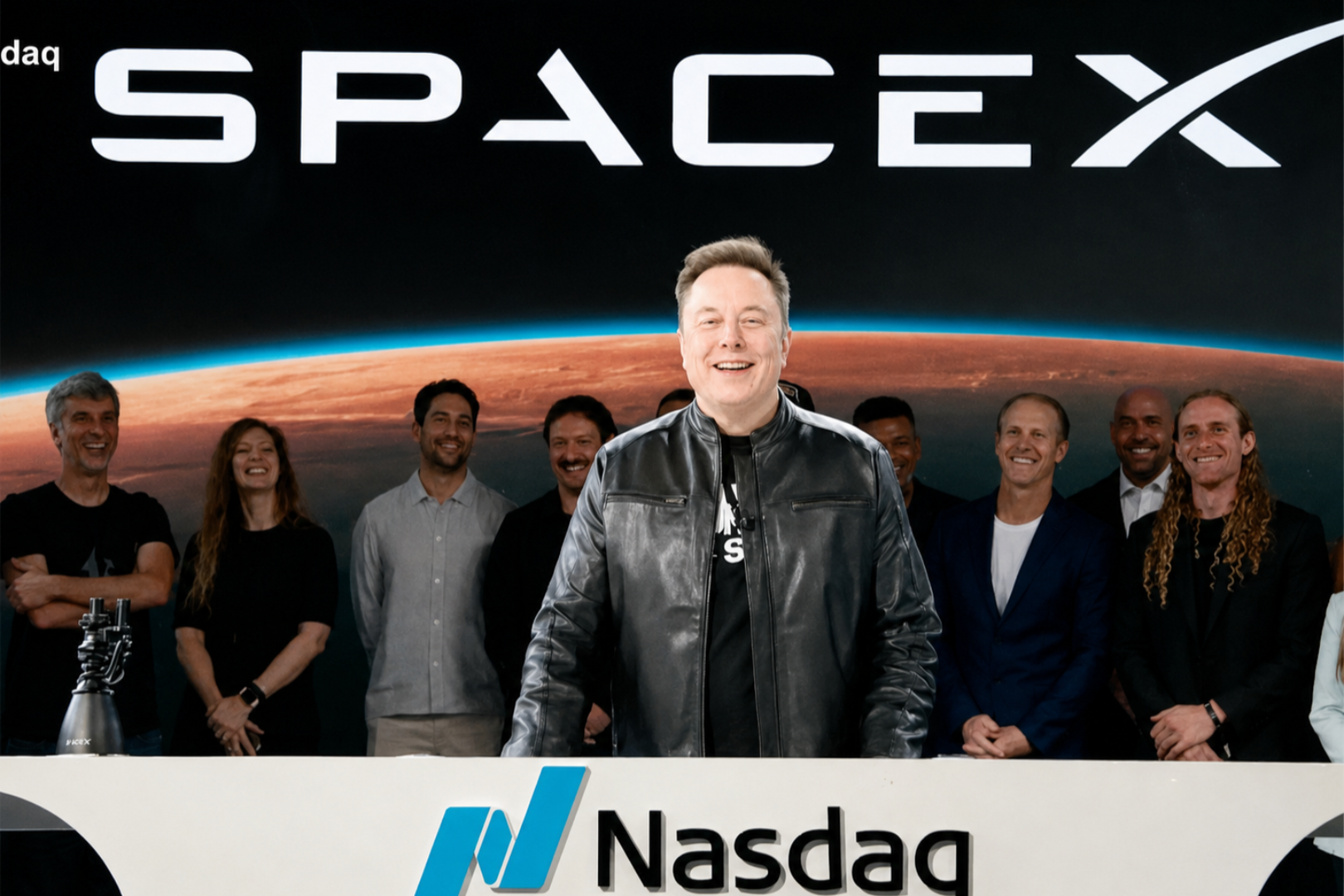
SpaceX Holds Nasdaq at the Negotiating Table, Hyperliquid Has Already Flipped the Table

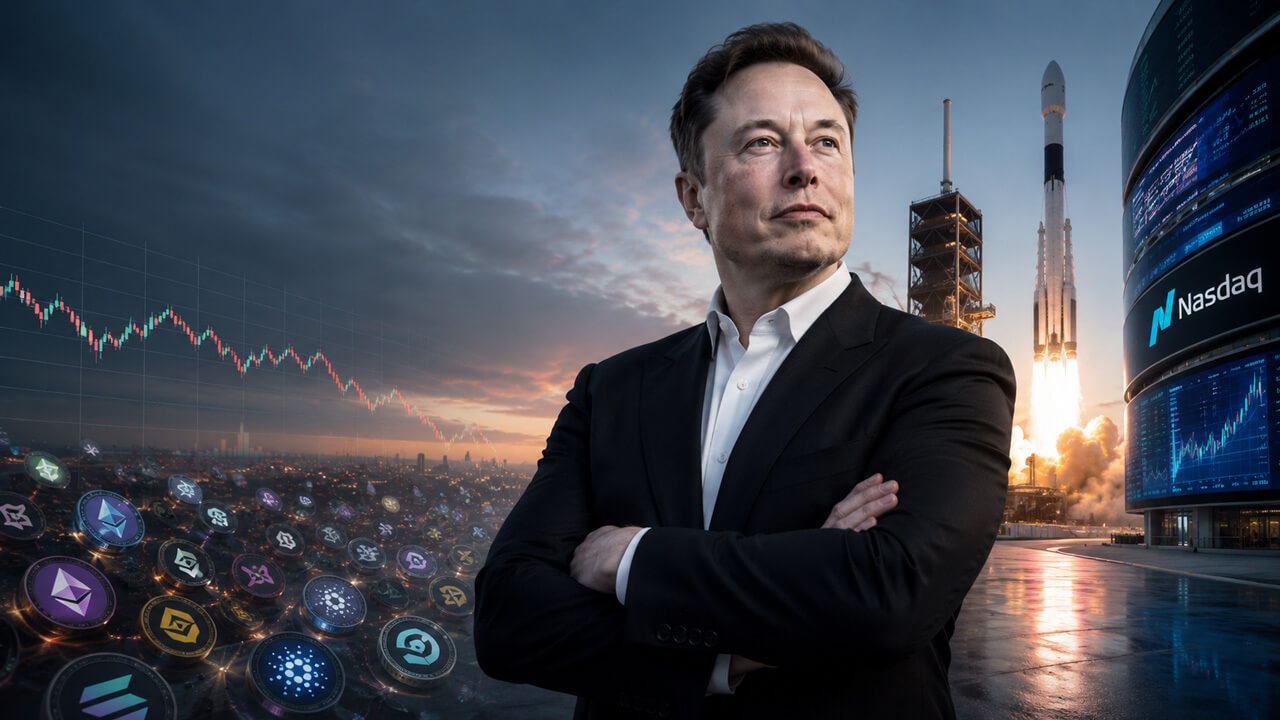
Summary: The article examines the shifting power dynamics in global capital markets, driven by the rise of private funding and decentralized finance (DeFi). It begins by contrasting the 1971 launch of Nasdaq's electronic system with the current landscape, where companies like SpaceX can demand unprecedented concessions—such as accelerated inclusion in major indices—as a condition for their public listing. This reflects a fundamental change: massive private capital from funds like SoftBank's Vision Fund now allows firms like Revolut ($75B valuation) and Stripe ($159B valuation) to delay or de-prioritize IPOs, as they no longer rely on public markets for primary funding. However, public listing remains crucial for employee liquidity and VC exits. A new, critical motivator is the immense, stable capital from passive index funds. With passive assets now exceeding active management in the U.S., inclusion in indices like the Nasdaq 100 guarantees perpetual, non-discretionary buying pressure. SpaceX's negotiation for fast-track index inclusion highlights this strategic leverage. Simultaneously, traditional exchanges face disruption from DeFi. The piece cites Hyperliquid, a decentralized exchange with 2025 volumes (~$3T) double that of Coinbase. Its growth in tokenized traditional assets (e.g., S&P 500 perpetual contracts) and 24/7 trading attracts professional traders, eroding the monopolies of institutions like NYSE and Nasdaq. In response, NYSE's parent ICE is investing in crypto platforms (e.g., OKX, Polymarket), acknowledging that future competition may come from DeFi protocols, not just rival exchanges. The conclusion is that the market structure is layering: old systems adapt (Nasdaq changing rules, ICE investing in crypto) while new, decentralized infrastructures grow, creating a future where the most powerful companies may not need to "knock on the door" of traditional exchanges at all.

marsbit03/19 04:40

SpaceX Holds Nasdaq at the Negotiating Table, Hyperliquid Has Already Flipped the Table

marsbit03/19 04:40

活动图片