От стражей к могильщикам: JPMorgan делает ставку на физические драгметаллы, играя против долларового доверия
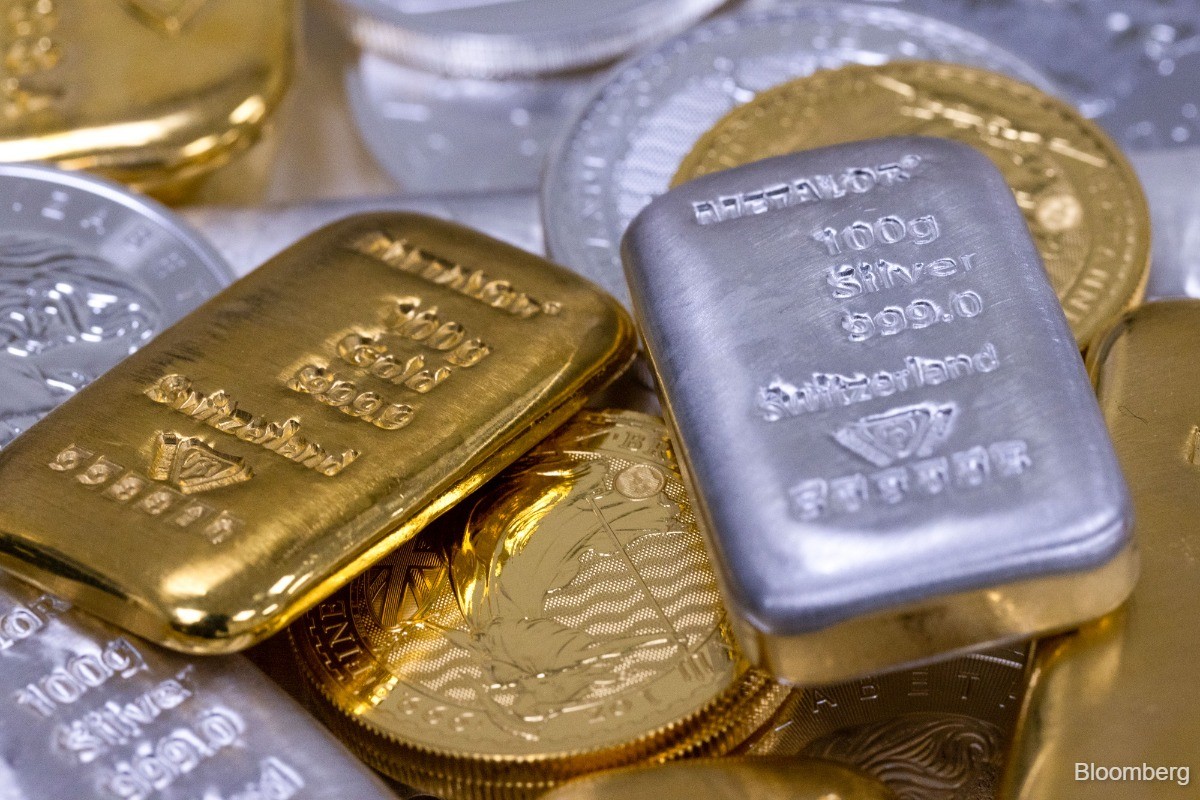
Морган Стэнли, некогда верный «страж» долларовой системы, совершает стратегический разворот, делая ставку на физические драгоценные металлы и ставя под сомнение кредитное доверие доллара. Банк перемещает ключевую команду по торговле драгметаллами в Сингапур и переводит 169 млн унций серебра из категории «доступных для поставки» в «недоступные» на COMEX, что эквивалентно ~10% годового мирового предложения. Это рассматривается как подготовка к борьбе за право定价权 в новом цикле.
Действия Моргана Стэнли отражают更深ний кризис в западной системе «бумажного» золота и серебра, где производные инструменты давно оторвались от физических активов. Дефицит серебра, вызванный промышленным спросом, и массовая скупка золота центральными банками (254 тонны за 10 месяцев 2025 года) обнажили риски системы с плечом 100:1.
Пока Лондон и Нью-Йорк борются с нехваткой ликвидности, Шанхайская биржа золота (SGE) укрепляет свою роль как крупнейшего в мире физического хаба с железным правилом: только физическая поставка. Китай, как крупнейший промышленный потребитель, неумолимо поглощает физическое серебро.
Сингапур, с его огромными частными хранилищами (The Reserve на 15.5 тыс. тонн) и льготным налоговым режимом, становится буферной зоной и новым центром для западного капитала, стремящегося получить доступ к азиатскому физическому рынку, избегая прямого перехода под юрисдикцию Шанхая.
Этот стратегический шаг Моргана Стэнли сигнализирует о более масштабном сдвиге: мир движется от эры кредитных денег и «бумажных» контрактов к эре, где реальная ценность определяется физическими активами.
比推12/12 15:34