От Gas Limit до «Keyed Nonces»: Как понять следующий этап масштабируемости Ethereum?
Объективно говоря, в последнее время многие пользователи воспринимали Ethereum не через дорожные карты или встречи разработчиков, а через конкретные операции в блокчейне. Например, снижение комиссий Gas при переводе средств и улучшение взаимодействия между разными сетями. Именно поэтому масштабирование Ethereum — это не просто «гонка за производительностью». Для обычного пользователя более высокая TPS, увеличение размера блоков и сложная архитектура имеют значение только тогда, когда они приводят к снижению затрат, более плавным операциям и безопасному опыту использования кошельков.
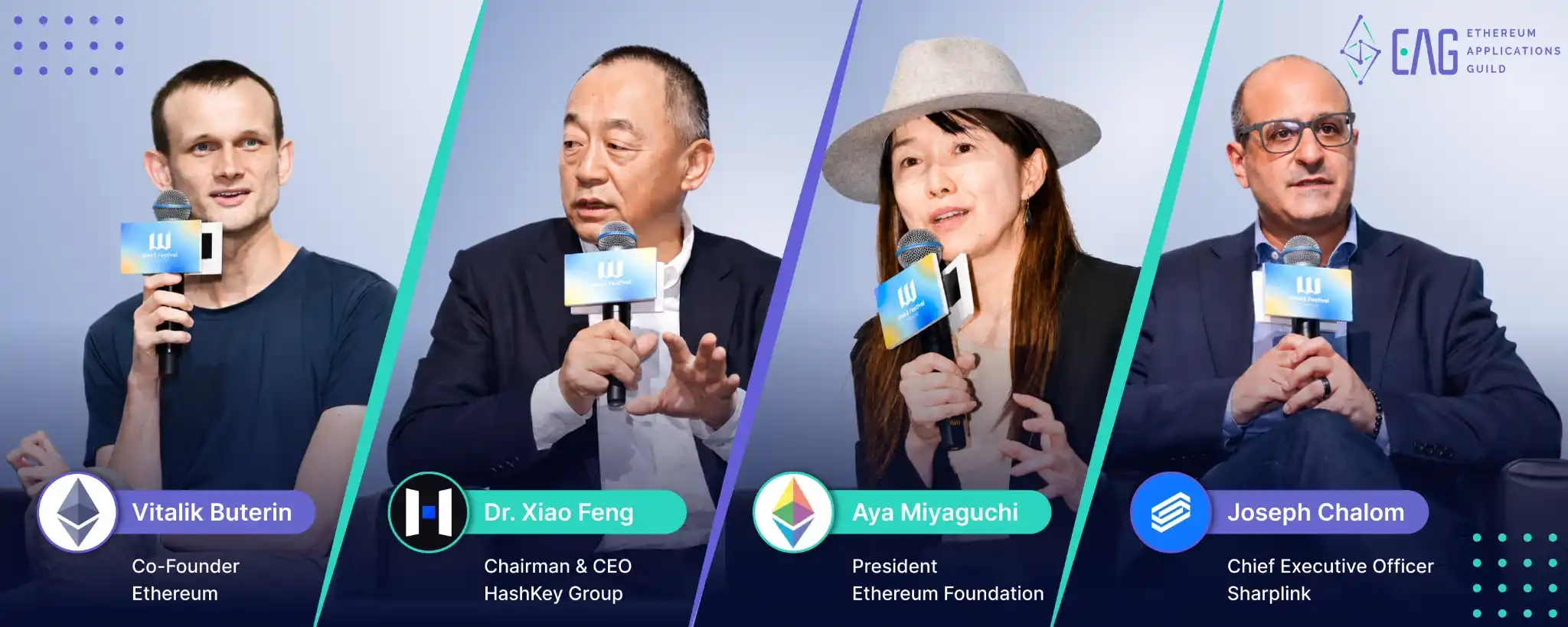
Последние разработки в Ethereum направлены на перенос сложности, которую ранее несли кошельки, DApp, ретрансляторы и пользователи, на уровень протокола. Сюда относятся участие Виталика Бутерина в предложении Keyed Nonces, консенсус вокруг увеличения Gas Limit до 200 миллионов в предстоящем обновлении Glamsterdam, а также акцент на нативной абстракции аккаунтов, взаимодействии между L2-решениями и усилении безопасности L1 в дорожной карте на 2026 год.
**Gas Limit до 200 миллионов?**
Gas Limit определяет вместимость каждого блока Ethereum. Его увеличение напрямую повышает пропускную способность основной сети. После нескольких лет сдержанного подхода, в 2025 году лимит резко вырос с 30 до 60 миллионов. На встрече разработчиков по Glamsterdam достигнут консенсус о дальнейшем повышении лимита до 200 миллионов. Однако простое увеличение размера блока может перегрузить узлы и подорвать децентрализацию. Поэтому Glamsterdam предлагает комплексный подход: ePBS для безопасной обработки крупных блоков, Block-Level Access Lists для параллельной обработки и EIP-8037 для контроля роста данных состояния.
**Keyed Nonces: от одной очереди к нескольким каналам**
Nonce — это порядковый номер транзакции аккаунта, предотвращающий повторное выполнение. Keyed Nonces (EIP-8250) меняют эту модель, позволяя одному аккаунту иметь несколько независимых последовательностей nonce для разных типов операций (например, обычные переводы, приватные транзакции, сессионные ключи). Это похоже на разделение очереди в банке на несколько окон для разных операций. Это особенно важно для приватных протоколов и уменьшает блокировки транзакций. Виталик Бутерин видит в этом первый шаг к новой стратегии масштабирования состояния Ethereum.
**Как это повлияет на обычного пользователя?**
Все эти обновления в конечном итоге направлены на улучшение пользовательского опыта работы с кошельками. Протоколы, такие как абстракция аккаунтов и Keyed Nonces, переносят сложность на уровень протокола, позволяя кошелькам предлагать более простые, безопасные и плавные взаимодействия. Пользователи могут столкнуться с меньшим количеством блокировок транзакций и получить более понятные интерфейсы для сложных операций. Кошелек становится ключевым интерфейсом, который преобразует сложные возможности протокола в понятный опыт.
Таким образом, Ethereum вступает в новую фазу, решая не только вопрос «как сделать транзакции дешевле», но и «как сделать взаимодействие с блокчейном целостным и удобным».
marsbit05/13 09:19